

Honda & Acura 3.5L V6 & 2.4L I4 Catalytic Converters: P0420, Theft, and Replacement Guide
Diagnose check engine lights, understand emissions laws, and choose the right replacement converter for your Accord, Odyssey, Pilot, MDX, and more.
- Honda/Acura V6 engines have three converters; you must identify if the failure is Bank 1 (rear), Bank 2 (front), or the secondary unit before buying a replacement.
- A P0420/P0430 code on V6 models is often a symptom of oil consumption from the VCM system. The root engine issue must be fixed to avoid repeat converter failure.
- These vehicles are extremely high-risk for catalytic converter theft. Installing a protective shield is a wise investment.
- Cheap aftermarket converters often fail emissions tests and have a short lifespan. A quality used OEM part is usually a better long-term value, especially for states with strict emissions testing.
Understanding the Catalytic Converter System in Your Honda or Acura
The Honda and Acura vehicles listed in this guide primarily use two engine families: the 3.5L V6 (J-Series) and the 2.4L 4-cylinder (K-Series). The catalytic converter setup is different for each, which is crucial to understand before diagnosing issues or buying parts.
For 3.5L V6 Engines (Accord, MDX, Odyssey, Pilot, Ridgeline, TL, TLX, RLX, Crosstour, Passport)
Most of these V6 models use a three-converter system:
- Bank 1 (Rear) Converter: This is the primary converter for the cylinder bank closer to the firewall/cabin. It often has an integrated exhaust manifold. A failure here typically triggers a P0420 code.
- Bank 2 (Front) Converter: This is the primary converter for the cylinder bank closer to the radiator. 🎬 Watch: Step-by-step Bank 2 converter replacement on a V6 Accord. A failure here typically triggers a P0430 code.
- Third/Secondary Converter: This converter is located further downstream under the vehicle, after the two primary converters merge. It provides additional emissions cleaning.
Pro Tip: Before replacing a converter for a P0420 or P0430 code, investigate potential engine issues. Honda's Variable Cylinder Management (VCM) system on some V6 models can cause oil consumption, leading to fouled spark plugs and a contaminated catalytic converter. Fixing the oil consumption issue first is critical to prevent destroying a new converter.
For 2.4L 4-Cylinder Engines (Accord, TLX, Crosstour)
The 4-cylinder models typically have a simpler setup, often with the primary catalytic converter integrated directly into the exhaust manifold, bolting to the engine. Some may also have a secondary, under-car converter. A failure here will usually trigger a P0420 code.
🎬 See how to test and replace a 4-cylinder catalytic converter.Symptoms of a Failing Catalytic Converter
A bad catalytic converter can cause a range of noticeable problems. Ignoring them can lead to more expensive repairs down the line.
1. Check Engine Light (Codes P0420, P0430)
This is the most common symptom. The P0420 code indicates "Catalyst System Efficiency Below Threshold (Bank 1)," while P0430 points to the same issue on Bank 2 (on V6 engines). The engine's computer uses oxygen sensors before and after the converter to monitor its efficiency. When the converter is no longer cleaning the exhaust effectively, the downstream sensor's readings start to mirror the upstream sensor's, triggering the light.
2. Reduced Engine Performance and Fuel Economy
A clogged converter acts like a potato in your tailpipe. It restricts exhaust flow, creating backpressure that chokes the engine. This can lead to sluggish acceleration, hesitation, and a noticeable drop in MPG.
3. Rattling Noise From Under the Vehicle
The ceramic honeycomb catalyst inside the converter's metal shell can break apart over time due to thermal shock or physical impact. When this happens, you'll often hear a rattling sound, especially on startup or at idle, as the loose pieces vibrate inside the exhaust.
4. Rotten Egg Smell (Sulfur)
A distinct smell of sulfur or rotten eggs from the exhaust is a classic sign of a converter that isn't working correctly. The converter is supposed to change hydrogen sulfide in the exhaust into sulfur dioxide. When it fails, you get the raw, unpleasant smell.
Catalytic Converter Theft: A Major Concern for Honda & Acura Owners
These vehicles, especially SUVs and minivans like the Pilot, Odyssey, MDX, and Passport, are prime targets for catalytic converter theft. Thieves target them for two main reasons:
- High Ground Clearance: The height of these vehicles makes it easy for a thief to slide underneath with a reciprocating saw without needing a jack.
- High Value: OEM converters on these models contain a generous amount of valuable precious metals (platinum, palladium, rhodium), making them worth hundreds of dollars at a scrap yard.
How to Protect Your Vehicle
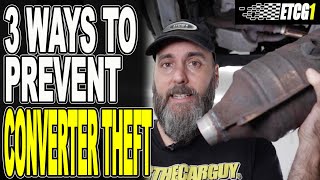
- Install a Cat Shield: This is the most effective deterrent. Companies like MillerCAT and No-Lo Designs make custom-fit metal shields that bolt over the converters, making them much harder and more time-consuming to cut out. 🎬 Watch: Three effective ways to prevent catalytic converter theft.
- Park Smart: Whenever possible, park in a well-lit area, a secure garage, or close to a wall or another vehicle to limit access underneath.
- Etch Your VIN: Engraving your Vehicle Identification Number (VIN) onto the converter can deter some thieves, as it makes the part traceable and harder for scrap yards to accept.
Legal Requirements: CARB vs. EPA (Federal) Converters
When replacing a catalytic converter, you must use a part that complies with your state's emissions laws. There are two main standards in the United States.
What's the Difference?
- EPA (Federal): These converters meet the standards set by the U.S. Environmental Protection Agency and are legal in most states.
- CARB (California Air Resources Board): These converters are built to a stricter standard with a higher loading of precious metals to meet California's more demanding emissions requirements. They are required for vehicles registered in California and several other states that have adopted CARB rules (like New York, Colorado, and Maine).
Warning: Installing an EPA-only converter on a vehicle registered in a CARB state is illegal and will cause it to fail its emissions inspection. You could face fines and will be required to replace the part again with a compliant one.
How to Know Which Type You Need
Check the Vehicle Emission Control Information (VECI) label located under the hood (often on the radiator support or the underside of the hood itself). This label will state whether the vehicle was built to Federal (EPA) or California (CARB) standards. If it mentions CARB, 50-State, or terms like ULEV/SULEV, you must use a CARB-compliant replacement converter if you live in a CARB-adopting state.
Buying a Used Catalytic Converter: What to Look For
A high-quality, low-mileage used OEM converter can be an excellent value, often outperforming and outlasting brand-new aftermarket parts. Cheap aftermarket converters frequently use less precious metal, which can lead to the P0420/P0430 code returning within months. Here’s how to inspect a used OEM unit:
- Verify Compatibility: Double-check that the converter is from the exact same engine (3.5L V6 or 2.4L I4) and position (Bank 1, Bank 2, or under-car) as your original. The part numbers provided in your vehicle's service information are the best way to confirm a match.
- Check for Rattles: Shake the converter vigorously. If you hear any rattling or loose pieces inside, the internal catalyst substrate is broken. Do not buy it.
- Inspect the Catalyst Honeycomb: Look through both ends of the converter. The honeycomb structure should be intact, with no signs of melting, clogging, or large missing chunks. A melted or clogged converter indicates it came from a poorly running engine and will not function correctly.
- Examine the Outer Shell and Pipes: Look for major dents, cracks, or severe rust that could compromise the unit's integrity. Check that the flanges are flat and the bolt holes are in good condition.
- Check Oxygen Sensor Ports: Ensure the threaded bungs for the oxygen sensors are not stripped or damaged. Repairing these threads can be difficult.
Known Issues, TSBs, and Recalls
- NHTSA TSB 14-002: For some V6 models (Accord, Crosstour, Odyssey, Pilot, Ridgeline), a check engine light with DTC P0420 or P0430 may be caused by the cap of the primary Air/Fuel ratio sensor falling off and damaging the converter. The repair involves replacing the affected converter and sensor.
- NHTSA TSB 18-022 / A18023A: Honda issued a warranty extension for some V6 models in certain states due to an issue where the ECM could misinterpret sensor data and falsely trigger a P0420 or P0430 code. The fix involves replacing the converters and updating the engine computer software.
- NHTSA TSB 12-052: For some 2007 Accords with the 2.4L engine, a P0420 code may be resolved with a software update for the Powertrain Control Module (PCM) that changes how it detects converter deterioration. This should be attempted before replacing the part.
Cost to Replace a Catalytic Converter
Replacement costs vary widely based on the vehicle, the specific converter being replaced (V6 front/rear vs. under-car), and the type of part used.
| Part Type | Estimated Part Cost | Notes |
|---|---|---|
| New OEM | $900 - $2,700+ per converter | Highest quality and guaranteed fit, but very expensive. Prices for a Honda Odyssey can be between $1,638 and $1,966 for the part alone. For an Accord, parts can range from $2,069 to $2,663. |
| New Aftermarket (CARB-Compliant) | $600 - $1,200 | Legally required in some states. Higher quality than EPA-only but still may not last as long as OEM. |
| New Aftermarket (EPA-Federal) | $150 - $500 | The cheapest option, but often leads to recurring check engine lights and has a shorter lifespan. |
| Used OEM | $200 - $800 | Often the best balance of cost and quality, provided it's inspected carefully. A used converter for a 2015 Accord was listed for around $199. |
| Shop Labor | $150 - $500 | Labor costs can range from $153 to $225 for a straightforward replacement. Replacing the firewall-side (Bank 1) converter on a V6 is more labor-intensive and will be at the higher end of this range. |
Frequently Asked Questions (FAQ)
Can I drive with a bad catalytic converter?
You can, but it's not recommended for long. A failing converter can cause poor fuel economy and performance. If it becomes clogged, the exhaust backpressure can cause serious engine damage. It will also cause you to fail any required emissions tests.
Why did my catalytic converter fail?
Converters usually fail due to an underlying engine problem. Common causes include a misfiring engine sending unburned fuel into the exhaust, burning oil (common on V6 models with VCM issues), or a faulty oxygen sensor causing an incorrect air/fuel mixture. Always diagnose and fix the root cause before installing a new converter.
Why are OEM converters so expensive?
OEM converters contain a much larger quantity of precious metals (platinum, palladium, rhodium) than most aftermarket parts. This higher loading ensures they effectively clean the exhaust for a long time and meet strict emissions standards for the life of the vehicle's warranty.
How can I test my catalytic converter myself?
One common DIY method is to use an infrared thermometer. After warming up the engine, measure the temperature of the pipe going into the converter and the pipe coming out. The outlet should be at least 100°F hotter than the inlet. If the temperatures are similar or the outlet is cooler, the converter is not working. Another method involves using a scan tool to watch the downstream O2 sensor voltage; it should hold relatively steady, not fluctuate rapidly like the upstream sensor.
Helpful Videos
Technical Specifications
OEM Part Numbers: 18150-5J2-A60 18122-6FB-A01 18150-5J2-A10 18150-5J2-A50 18150-5J2-A51 18150-6FB-A01 18150-RDF-A00 18150-RDF-A50 18151-5J6-A00 18151-5J6-A01 18190-RN0-A01 18150-5J0-A00 18150-5A2-A60 18150-5G2-A60
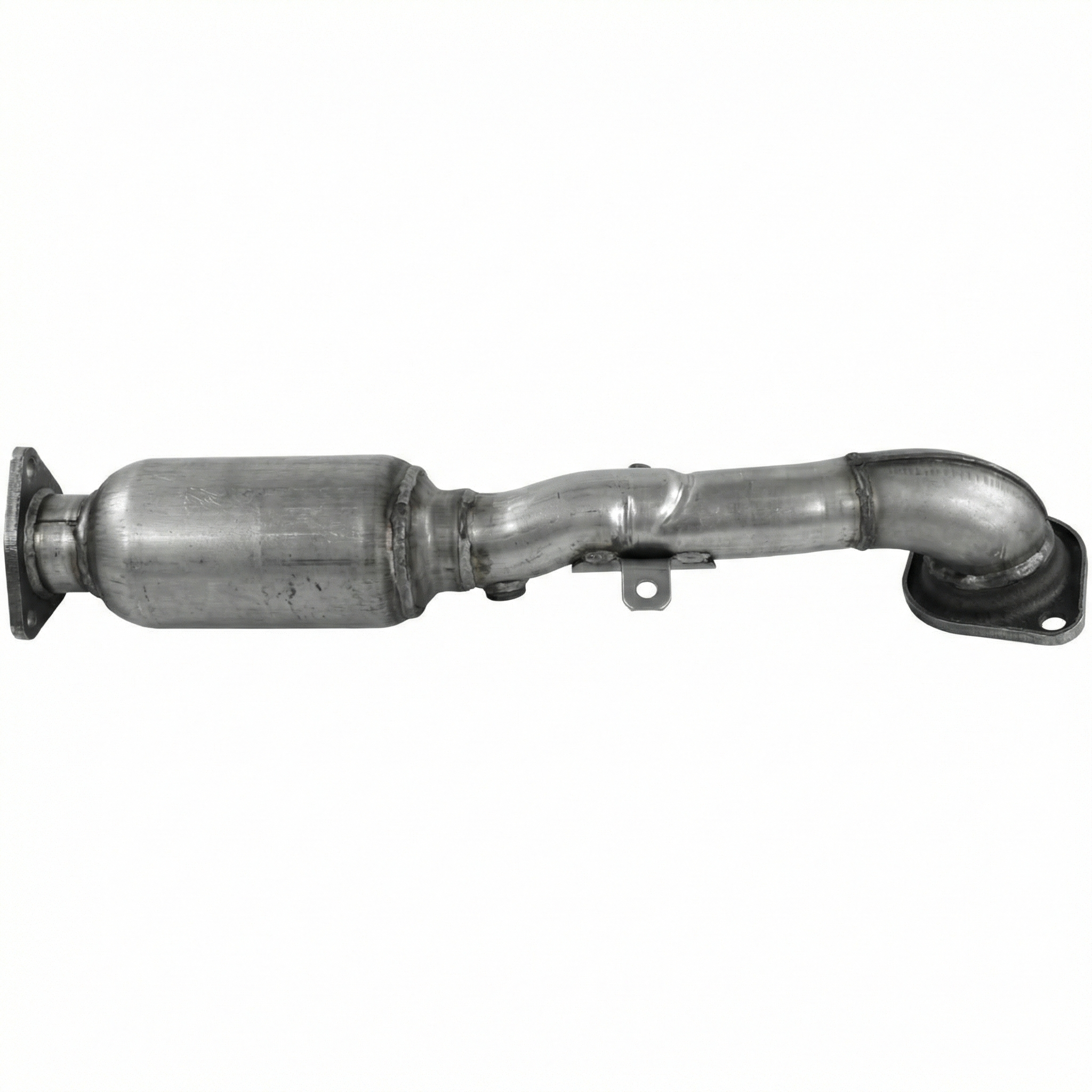
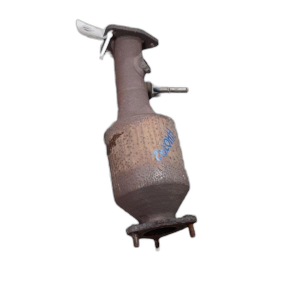
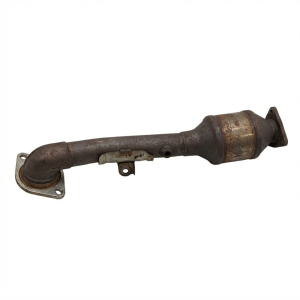
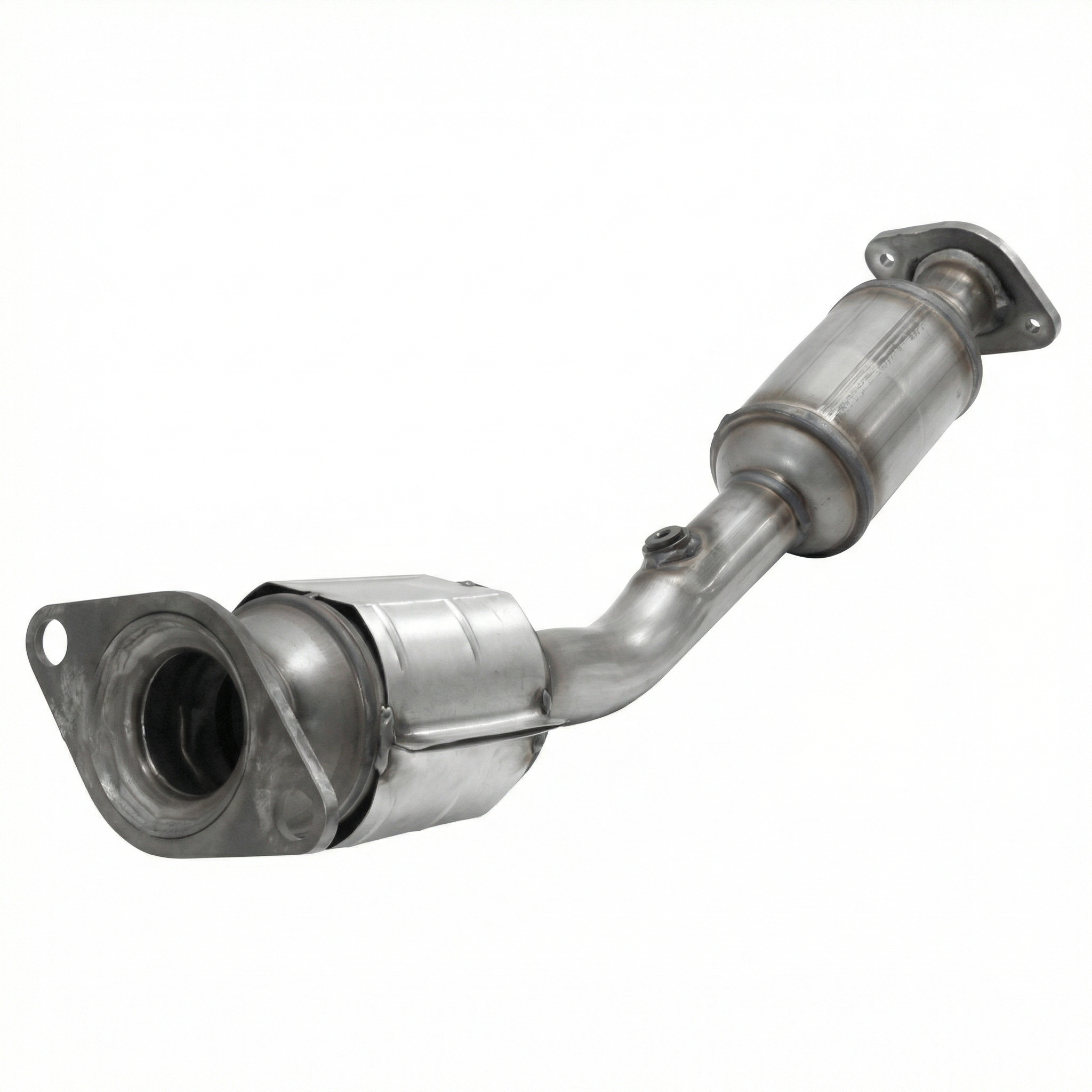
Catalytic converters for these vehicles are primarily of two types: manifold-integrated converters for the V6 (Bank 1 and Bank 2) and 2.4L engines, and an under-car secondary converter. They are made with a stainless steel body containing a ceramic monolith coated in platinum, palladium, and rhodium.
We Have This Part in Stock

The information in this article is provided for general reference and educational purposes only. Vehicle specifications, procedures, and part compatibility can vary by production date, trim level, and region. Always consult your vehicle's factory service manual and verify part numbers before purchasing or performing repairs. Safety-critical components such as airbags, seat belts, and braking systems should be installed by a qualified professional.
- Acura TLX:
- Acura MDX:
- Honda Accord:
- Acura RLX:
- Honda Pilot:
- Honda Odyssey:
- Honda Ridgeline:
- Honda Crosstour:
- Honda Passport:
- Acura TL:
- Honda CR-V:
- Acura RDX:
- Acura RL:
- Acura TSX:
- Acura ZDX:
- 🎬 Helpful Videos
- 🛍️ Shop This Part
- Understanding the Catalytic Converter System in Your Honda or Acura
- For 3.5L V6 Engines (Accord, MDX, Odyssey, Pilot, Ridgeline, TL, TLX, RLX, Crosstour, Passport)
- For 2.4L 4-Cylinder Engines (Accord, TLX, Crosstour)
- Symptoms of a Failing Catalytic Converter
- 1. Check Engine Light (Codes P0420, P0430)
- 2. Reduced Engine Performance and Fuel Economy
- 3. Rattling Noise From Under the Vehicle
- 4. Rotten Egg Smell (Sulfur)
- Catalytic Converter Theft: A Major Concern for Honda & Acura Owners
- How to Protect Your Vehicle
- Legal Requirements: CARB vs. EPA (Federal) Converters
- What's the Difference?
- How to Know Which Type You Need
- Buying a Used Catalytic Converter: What to Look For
- Known Issues, TSBs, and Recalls
- Cost to Replace a Catalytic Converter
- Frequently Asked Questions (FAQ)
- 🎟️ Get 5% Off