

2016-2024 BMW & MINI 2.0L Catalytic Converter: P0420 Diagnosis, Costs, and Replacement
An in-depth guide to the catalytic converter used in the BMW X1, X2, 228i Gran Coupe, and MINI Countryman and Clubman, covering failure symptoms, replacement costs, and theft concerns.
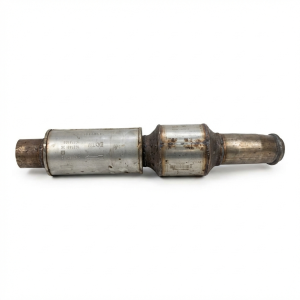
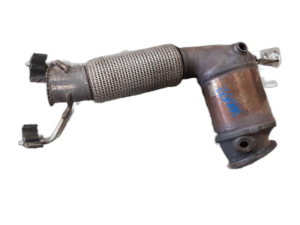
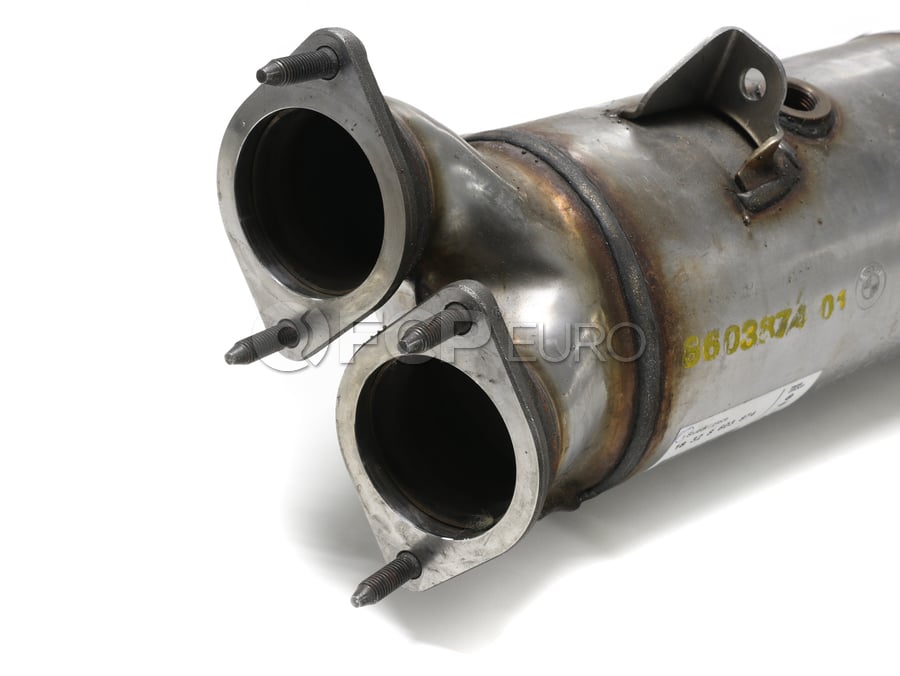
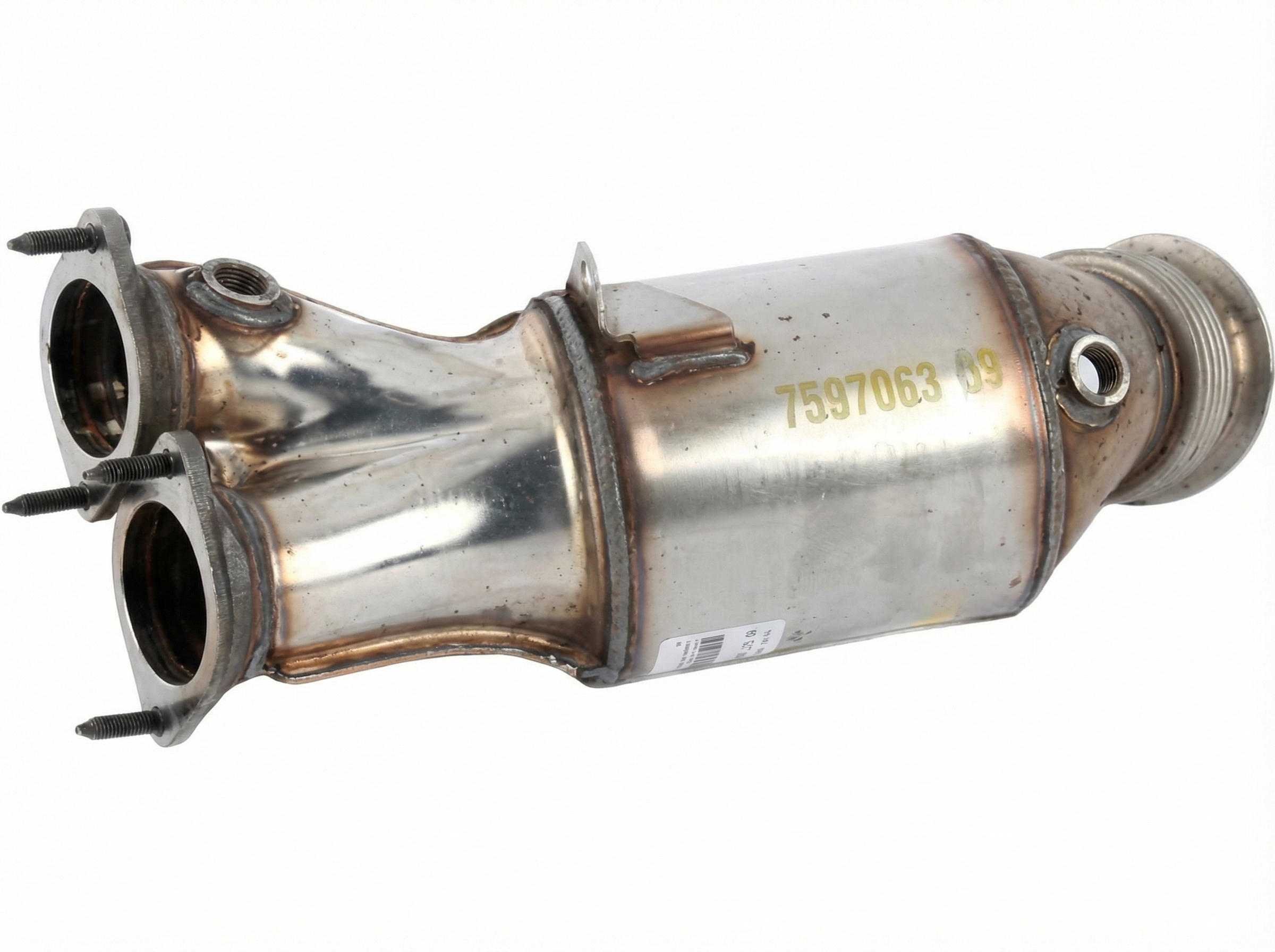
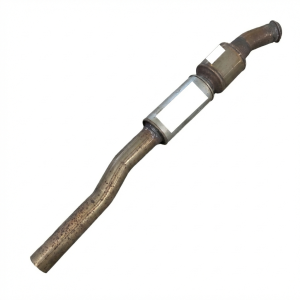
- This center catalytic converter (part numbers 18308636395, 18328654549) fits the 2.0L engine in the BMW X1, X2, 228i GC and MINI Clubman/Countryman.
- The most common failure code is P0420, but you must rule out bad O2 sensors and exhaust leaks before replacing the converter.
- If your vehicle is registered in CA, CO, NY, or ME, you must use a CARB-compliant replacement to pass emissions inspections.
- Driving with a severely clogged converter can cause significant backpressure, leading to reduced power and potential engine damage.
Symptoms of a Failing Catalytic Converter
When the catalytic converter in your BMW or MINI begins to fail, it can manifest in several ways. Recognizing these signs early can help you address the issue before it leads to more significant engine problems.
1. Check Engine Light with Code P0420
This is the most common symptom. The vehicle's onboard diagnostic (OBD-II) system continuously monitors the converter's efficiency using oxygen sensors located before and after the unit. If the downstream sensor's readings start to mimic the upstream sensor's, the computer concludes the converter is no longer cleaning the exhaust effectively and triggers the code P0420 "Catalyst System Efficiency Below Threshold". While P0420 is the primary code, it can sometimes be accompanied by misfire codes (P0300-P0308) or fuel trim codes if the root cause of the failure is engine-related.
2. Reduced Engine Performance and Fuel Economy
A failing converter can become clogged, creating a restriction in the exhaust system. This backpressure prevents the engine from breathing efficiently, leading to noticeable performance issues such as sluggish acceleration, a general loss of power, and difficulty maintaining speed, especially under load. This restriction also forces the engine to work harder, resulting in a noticeable drop in fuel economy.
3. Rotten Egg Smell from Exhaust
A distinct sulfur or "rotten egg" smell from the exhaust is a classic sign of a failing catalytic converter. This odor is caused by unburned fuel entering the converter and the converter failing to properly process the trace amounts of sulfur present in gasoline.
4. Rattling Noises
The ceramic honeycomb catalyst inside the converter's metal shell is fragile. Over time, due to thermal stress or physical impact, it can break apart. This can create a rattling noise from underneath the vehicle, which may be more noticeable on startup or during acceleration.
Important: A P0420 code does not automatically mean the catalytic converter is bad. It's a symptom of inefficiency, which can also be caused by faulty oxygen sensors, exhaust leaks, or engine problems like misfires or oil consumption that contaminate the converter. Always diagnose the entire system before replacing the converter.
🎬 Watch: Why you shouldn't replace your converter without proper testing.Is Your BMW or MINI a Target for Catalytic Converter Theft?
Catalytic converter theft is a significant concern for many vehicle owners due to the high value of the precious metals inside. For the BMW X1, X2, 228i, and MINI Countryman/Clubman models, the risk is moderate. These vehicles have a higher ground clearance than a typical sedan, making them somewhat easier for thieves to access without a jack. However, these models have two catalytic converters: a primary one integrated with the downpipe near the engine, and a secondary one in the center exhaust section. The primary converter is very difficult to access and steal. The part covered in this guide is the more accessible secondary, or center, converter. While it contains fewer precious metals than the primary converter, it can still be a target for opportunistic thieves.
🎬 See what a real-world catalytic converter theft attempt looks like.Theft Prevention Tips:
- Park Securely: Whenever possible, park in a locked garage or a well-lit, high-traffic area.
- Install an Anti-Theft Shield: Several aftermarket companies make metal shields or cages that bolt around the converter, making it much harder and more time-consuming to cut off.
- Etch Your VIN: Engraving your Vehicle Identification Number (VIN) onto the converter makes it more difficult for thieves to sell and easier for law enforcement to trace if recovered.
Legal and Emissions Compliance: CARB vs. EPA
Replacing a catalytic converter involves legal requirements. Federal law requires that any replacement converter meets specific emissions standards. There are two main standards in the United States: EPA (Environmental Protection Agency) and CARB (California Air Resources Board).
- EPA: This is the federal standard applicable in most states.
- CARB: This is a stricter standard required for vehicles registered in California. Several other states, including Colorado, New York, and Maine, have also adopted CARB standards for replacement converters.
CARB-compliant converters contain a higher loading of precious metals to meet stricter emissions targets and have a longer warranty period. If you live in a state that requires CARB compliance, you must install a CARB-compliant converter to pass an emissions inspection. Installing a non-compliant part can result in a failed inspection. The OEM BMW/MINI converters (part numbers 18308636395 and 18328654549) are 50-state legal and meet CARB requirements.
Pro Tip: Before purchasing a replacement, check your vehicle's Emissions Control Information label in the engine bay. It will state whether the vehicle was certified to Federal (EPA) or California (CARB/50-State) standards. This is crucial for ensuring you buy the correct part for your vehicle and location.
Buying a Used OEM Catalytic Converter
For many owners, a used OEM catalytic converter is a smart choice, offering the quality and fitment of a new dealer part at a significant discount. However, buying used requires careful inspection.
- Verify Compatibility: Ensure the part numbers match. The primary numbers for this group of vehicles are BMW part numbers 18308636395 and 18328654549. Cross-reference the seller's description with your specific vehicle model and year.
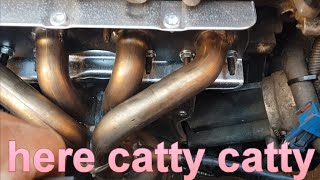
- Inspect the Catalyst Honeycomb: This is the most critical step. Look through both ends of the converter with a flashlight. The ceramic honeycomb structure inside should be intact, with no signs of crumbling, blockages, or melted sections. If you see chunks missing or a clogged-up grid, the converter is useless. 🎬 Watch this walkthrough of a MINI catalytic converter replacement.
- Check for Physical Damage: Inspect the outer shell for dents, heavy rust, or signs of being crushed. Check the pipe ends and flanges for deep cuts or damage that would prevent a proper seal.
- Mileage is a Factor: While a well-maintained converter can last the life of a vehicle, lower mileage is always better. Ask the seller for the mileage of the donor vehicle if possible. A converter from a vehicle with under 100,000 miles is ideal.
- Why Used OEM is Often Better than New Aftermarket: Cheap aftermarket converters often use less of the precious metals needed for the chemical reaction. This can lead to them failing to meet efficiency standards, causing the P0420 code to return within months. A used OEM part was designed by BMW/MINI to meet strict standards and will often perform correctly for much longer than a cheap new alternative.
Cost Comparison
| Part Type | Estimated Cost |
|---|---|
| New OEM (Dealer) | $2,400 - $3,100 |
| New Aftermarket (EPA/CARB) | $250 - $800 |
| Used OEM (Salvage) | $500 - $800 |
| Shop Labor for Replacement | $250 - $600 |
Vehicle-Specific Information & Known Issues
While the catalytic converter itself is shared across the 2016-2022 BMW X1, 2018-2023 BMW X2, 2020-2024 BMW 228i Gran Coupe, 2017-2022 MINI Countryman, and 2016-2022 MINI Clubman, there are no major recalls or Technical Service Bulletins (TSBs) specifically for widespread catalytic converter failure on these models. However, the health of the converter is directly tied to the health of the engine. Any issue that causes an overly rich or lean fuel mixture, oil consumption, or coolant leaks can quickly destroy a new converter. It is crucial to diagnose and fix the root cause of the original failure before installing a replacement part.
Frequently Asked Questions (FAQ)
Is this catalytic converter covered under warranty?
Yes, under certain conditions. The federal government mandates an emissions warranty that covers major components like the catalytic converter for 8 years or 80,000 miles, whichever comes first. If your vehicle is within this window and fails an emissions test due to a defective converter, the replacement should be covered by the manufacturer at no cost. This warranty does not cover theft or damage from other failing parts.
Can I use a cheaper EPA-compliant converter in a CARB state like California or New York?
No. If your vehicle is registered in a state that has adopted CARB emissions standards (CA, CO, NY, ME), you must use a CARB-compliant replacement converter to be street legal and pass inspection. Using a 49-state EPA part will result in a failed test.
What tools are needed to replace this catalytic converter?
Replacement is a bolt-on procedure but requires safe access to the underside of the vehicle. You will typically need a good socket set, torque wrench, exhaust clamp tools, and potentially penetrating oil for rusted bolts. The job involves unbolting the converter from the downpipe and the rear exhaust section.
Will a fuel additive or cleaner fix my P0420 code?
It is highly unlikely. While some cleaners claim to clear minor blockages, they cannot repair a physically damaged or chemically contaminated catalyst. These products are generally not a long-term solution for a persistent P0420 code, which usually indicates a more significant problem.
Helpful Videos

Technical Specifications
OEM Part Numbers: 18308636395 18328654549
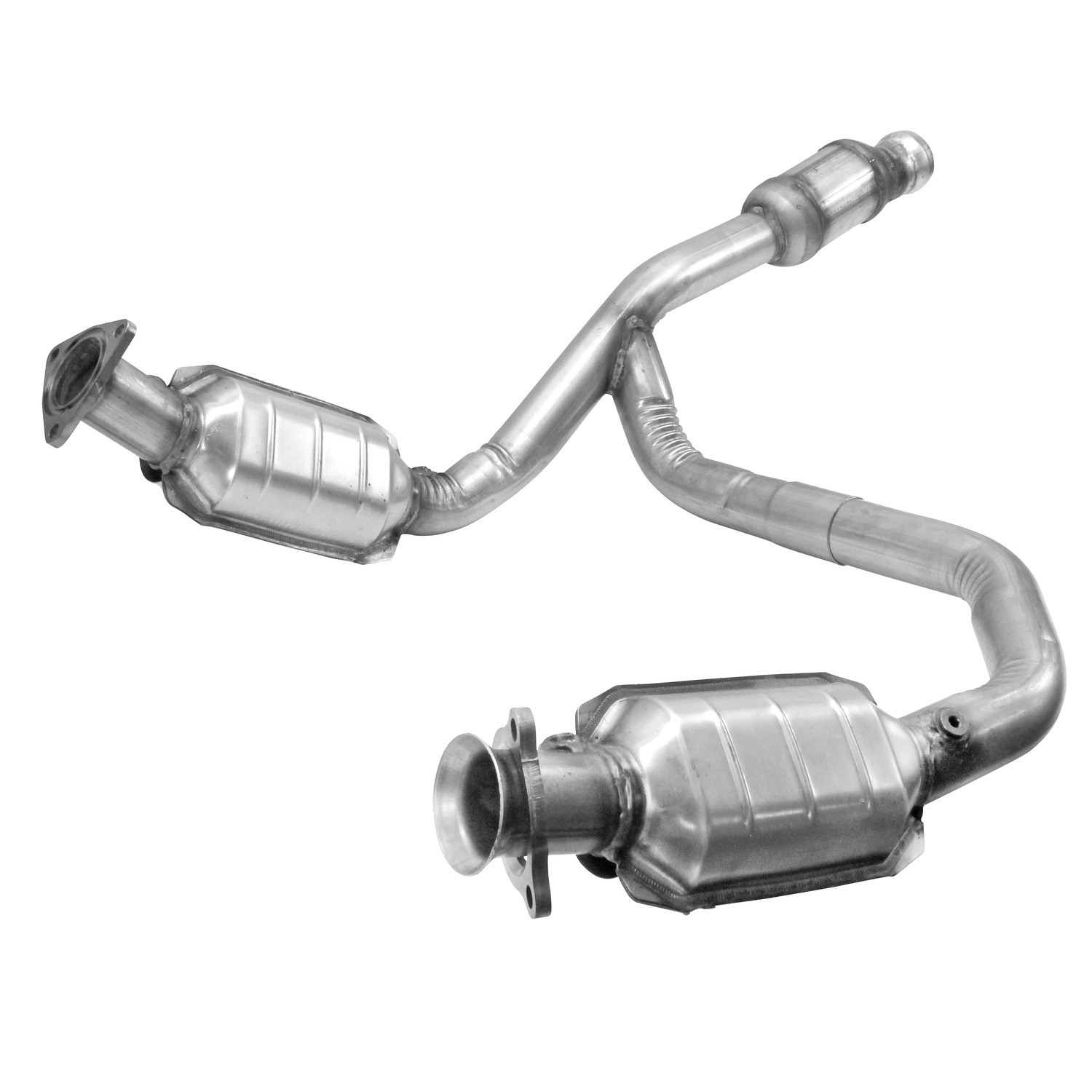
This is the center catalytic converter section for the 2.0L B46/B48 turbocharged 4-cylinder engine. It is a bolt-on component located between the front downpipe and the rear muffler section.
We Have This Part in Stock

The information in this article is provided for general reference and educational purposes only. Vehicle specifications, procedures, and part compatibility can vary by production date, trim level, and region. Always consult your vehicle's factory service manual and verify part numbers before purchasing or performing repairs. Safety-critical components such as airbags, seat belts, and braking systems should be installed by a qualified professional.
- BMW X1:
- BMW X2:
- BMW 228i Gran Coupe:
- MINI Countryman:
- MINI Clubman:
- 🎬 Helpful Videos
- 🛍️ Shop This Part
- Symptoms of a Failing Catalytic Converter
- 1. Check Engine Light with Code P0420
- 2. Reduced Engine Performance and Fuel Economy
- 3. Rotten Egg Smell from Exhaust
- 4. Rattling Noises
- Is Your BMW or MINI a Target for Catalytic Converter Theft?
- Theft Prevention Tips:
- Legal and Emissions Compliance: CARB vs. EPA
- Buying a Used OEM Catalytic Converter
- Cost Comparison
- Vehicle-Specific Information & Known Issues
- Frequently Asked Questions (FAQ)
- 🎟️ Get 5% Off