

2022-2025 Taos & 2022-2024 Jetta Catalytic Converter: FWD vs. AWD and P0420 Failures
This guide covers the specific catalytic converter part numbers, symptoms of failure, and critical compatibility differences for the 1.5L engine in the Volkswagen Taos and Jetta.
- The most critical factor is drivetrain: FWD models (all Jettas, some Taos) use part 5QM-254-501-L, while AWD Taos models use 5QM-254-501-P. They are not interchangeable.
- The primary symptom of failure is a Check Engine Light with code P0420, often accompanied by sluggish performance and rattling noises.
- Replacement is a bolt-on procedure, making it feasible for an experienced DIYer and keeping labor costs relatively low.
- If you live in CA, CO, NY, or ME, you must purchase a more expensive CARB-compliant replacement converter to be street legal.
Symptoms of a Failing Catalytic Converter
When the catalytic converter on your Volkswagen Taos or Jetta begins to fail, your vehicle will provide several distinct warnings. Ignoring these signs can lead to more significant engine problems and guaranteed emissions test failures.
- Check Engine Light (CEL): The most common indicator is an illuminated Check Engine Light. The diagnostic trouble code (DTC) almost always associated with converter failure is P0420 - Catalyst System Efficiency Below Threshold (Bank 1). This code means the oxygen sensors before and after the converter are detecting that it's no longer effectively cleaning the exhaust gases.
- Reduced Engine Performance: You may notice your vehicle feels sluggish, hesitates during acceleration, or struggles to maintain speed. This is often caused by a clogged or internally damaged converter creating excess backpressure, which chokes the engine.
- Rotten Egg Smell: A distinct sulfur or rotten egg smell from the exhaust is a classic sign of a failing catalytic converter. This odor is caused by unburned fuel being processed incorrectly by an overheating or inefficient converter.
- Rattling Noises: If you hear a rattling sound from underneath the vehicle, especially on startup or during acceleration, it likely means the ceramic honeycomb catalyst inside the converter has broken apart. These loose pieces can cause blockages and further damage.
- Poor Fuel Economy: An inefficient engine struggling against exhaust backpressure will burn more fuel to produce the same amount of power, leading to a noticeable drop in your miles per gallon (MPG).
Variant Differences: FWD vs. AWD Compatibility is Critical
The most important factor when purchasing a replacement catalytic converter for these vehicles is identifying your drivetrain. The 2022-2024 Volkswagen Jetta with the 1.5L engine is only available in Front-Wheel Drive (FWD). The 2022-2025 Volkswagen Taos was offered in both FWD and All-Wheel Drive (AWD), and they use different parts.
Warning: These parts are not interchangeable. Installing an FWD converter on an AWD vehicle (or vice-versa) will result in improper fitment and exhaust leaks.
| Drivetrain | Vehicle(s) | OEM Part Number(s) | Notes |
|---|---|---|---|
| Front-Wheel Drive (FWD) | 2022-2025 Taos 2022-2024 Jetta | 5QM-254-501-L | This part fits all 1.5L Jetta models in this year range and all FWD Taos models. |
| All-Wheel Drive (AWD) | 2022-2025 Taos | 5QM-254-501-P (Supersedes 5QM-254-501-M) | This part is for AWD Taos models only. There is a production date cutoff; this part is typically for models built before April 17, 2023. Always verify by the part number on your original unit. |
Buying a Used OEM Catalytic Converter
Given the high cost of a new OEM converter, a quality used unit is an excellent value. However, you must inspect it carefully to ensure you're getting a functional part. Cheap aftermarket converters often lack the necessary precious metal loading, leading to a recurring P0420 code and a short service life.
- Verify the Part Number: First and foremost, match the OEM part number stamped on the unit to the FWD or AWD number required for your vehicle.
- Inspect the Honeycomb Catalyst: Look through both ends of the converter with a bright flashlight. The ceramic honeycomb structure inside should be intact, with no signs of melting, crumbling, or large missing chunks. A damaged or clogged catalyst is useless.
- Check for Physical Damage: Inspect the outer shell for heavy dents, cracks, or signs of being crushed. Check the flanges where the converter bolts to the rest of the exhaust to ensure they are flat and not bent.
- Listen for Rattles: Shake the converter firmly. If you hear any rattling, it means the internal catalyst is broken and the part should be rejected.
- Avoid Cut Pipes: Ensure the converter has its full inlet and outlet pipes with intact flanges. A unit that was cut off a vehicle is much harder to install and may indicate it was stolen.
Cost of Replacement
The cost to replace the catalytic converter on a Taos or Jetta can vary significantly based on the type of part you choose. OEM parts carry a premium price but guarantee correct fitment and performance.
| Part Type | Estimated Cost | Notes |
|---|---|---|
| New OEM | $2,100 - $2,900 | Purchased from a Volkswagen dealership. This is the most expensive option but ensures perfect compatibility. |
| New Aftermarket | $400 - $1,200 | Price varies based on brand and whether it is EPA or CARB compliant. Direct-fit options are available that do not require welding. |
| Used OEM | $900 - $1,500 | Offers the quality of an original part at a lower cost. Price depends on condition and mileage. |
| Shop Labor | $200 - $500 | This is a bolt-on replacement, typically taking 1.5 to 2.5 hours of labor. |
Legal & Emissions Requirements (CARB vs. EPA)
When replacing a catalytic converter, you must use a part that complies with your state's emissions laws. There are two main standards in the United States: Federal (EPA) and the California Air Resources Board (CARB).
- EPA (Federal): This is the national standard. Most states allow the use of EPA-compliant replacement converters.
- CARB: This is a stricter standard. If your vehicle is registered in California, Colorado, New York, or Maine, you are legally required to install a CARB-compliant catalytic converter. These parts are more expensive because they have a higher loading of precious metals and undergo more rigorous testing.
Pro Tip: You can determine your vehicle's original emissions certification by checking the Vehicle Emission Control Information (VECI) label under the hood. Even if you don't live in a CARB state, if your vehicle was originally built to California standards, a CARB-compliant converter is recommended for best performance.
Catalytic Converter Theft Prevention
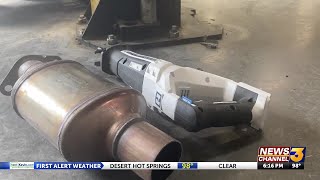
While the Taos and Jetta are not among the most targeted vehicles for catalytic converter theft, the crime is widespread and can happen to any vehicle. Thieves target 🎬 Watch: Why your converter is a target for thieves converters for the valuable precious metals inside. Vehicles with higher ground clearance, like SUVs, can be easier targets. Here are some steps to reduce your risk:
🎬 See how local shops are reporting rising theft rates- Park in well-lit areas or a secured garage whenever possible.
- Install an anti-theft device, such as a steel shield or cage that covers the converter, making it much more difficult and time-consuming to remove.
- Have a muffler shop weld the bolts on the converter, which can deter thieves who only use wrenches.
- Engrave your vehicle's VIN onto the converter. This won't prevent theft, but it can help law enforcement identify the part if it's recovered.
Frequently Asked Questions (FAQ)
Can I drive my Taos or Jetta with a bad catalytic converter?
It is not recommended. While the car may be drivable, a clogged converter can cause severe engine backpressure, leading to internal engine damage over time. You will also fail any emissions inspection, and driving without a functioning emissions system is illegal in all states.
Is this a difficult part to replace myself?
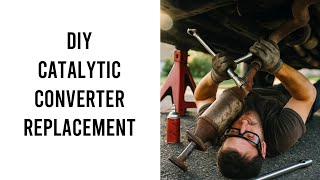
For a skilled DIY mechanic, this is a manageable job. The converter is a direct-fit, bolt-on part that does not require cutting or welding. The process involves safely raising the vehicle, unbolting the old converter, transferring the oxygen sensors, and installing the new unit with fresh gaskets. It typically requires 1.5 to 2.5 hours.
🎬 Watch: Step-by-step DIY catalytic converter replacement guideWill a cheap universal converter from the internet fix my P0420 code?
It is highly unlikely. Cheap aftermarket converters often don't have enough precious metals to effectively clean the exhaust of modern turbocharged engines. While it might clear the code temporarily, the P0420 code will almost certainly return. A quality used OEM or a reputable, direct-fit aftermarket part is a much more reliable solution.
Could my P0420 code be something other than the catalytic converter?
Yes, although the converter is the most common cause. Before replacing it, it's wise to rule out other possibilities like a faulty downstream oxygen (O2) sensor, an exhaust leak between the two O2 sensors, or an engine issue causing an overly rich or lean fuel mixture that can damage the converter.
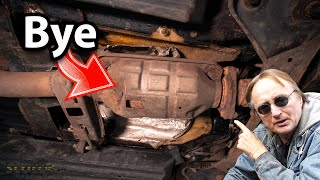
Helpful Videos
Technical Specifications
OEM Part Numbers: 5QM-254-501-L 5QM-254-501-M 5QM-254-501-P 5QM254501L 5QM254501P
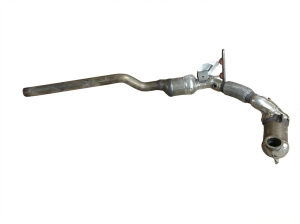
Direct-fit, bolt-on assembly including front exhaust pipe. Requires transfer of original oxygen sensors.
We Have This Part in Stock

The information in this article is provided for general reference and educational purposes only. Vehicle specifications, procedures, and part compatibility can vary by production date, trim level, and region. Always consult your vehicle's factory service manual and verify part numbers before purchasing or performing repairs. Safety-critical components such as airbags, seat belts, and braking systems should be installed by a qualified professional.
- Volkswagen Taos:
- Volkswagen Jetta:
- 🎬 Helpful Videos
- 🛍️ Shop This Part
- Symptoms of a Failing Catalytic Converter
- Variant Differences: FWD vs. AWD Compatibility is Critical
- Buying a Used OEM Catalytic Converter
- Cost of Replacement
- Legal & Emissions Requirements (CARB vs. EPA)
- Catalytic Converter Theft Prevention
- Frequently Asked Questions (FAQ)
- 🎟️ Get 5% Off