

2012-2018 Ford Focus DPS6 Transmission: The Truth About Clutch Shudder and Failure
A deep dive into the notorious PowerShift dual-clutch system, its common failures, and how to approach repairs and parts purchasing.
- The primary issue is the DPS6 dual-clutch system, not the flywheel itself, causing shudder, hesitation, and premature failure.
- Buying a used clutch assembly is extremely risky and not recommended; the high labor cost of replacement justifies using a new, updated part.
- Replacement is a professional-level job (5/5 difficulty) that requires transmission removal and special computer programming (adaptive relearn).
- Ford issued warranty extensions (like 14M01, 19N08) for the clutch and TCM, but most 2012-2018 Focus models have now exceeded the time/mileage limits.
The Infamous PowerShift DPS6 Transmission

If you're researching the clutch or flywheel for a 2012-2018 Ford Focus with an automatic transmission, you are entering a world of known issues. The DPS6 PowerShift transmission is one of the most problematic gearboxes in modern automotive history, leading to class-action lawsuits, numerous technical service bulletins (TSBs), and widespread owner dissatisfaction. The primary issues are not with the flywheel (flexplate) itself, but with the dual-clutch assembly, the seals behind it, and the electronics that control it.
Compatibility Warning: This guide applies to 2012-2018 Ford Focus models with the 2.0L gasoline engine and the DPS6 dual-clutch automatic transmission. To confirm, check that the 8th digit of your vehicle's VIN is '2'. This does not apply to models with a traditional manual transmission.
Symptoms of a Failing DPS6 Clutch System

Failure symptoms for this system are distinct and often appear early in the vehicle's life. Ignoring them can lead to more significant damage.
- Shuddering or Juddering on Acceleration: This is the most notorious symptom. The car may vibrate or shake when accelerating lightly from a stop, feeling like someone is learning to drive a manual transmission.
- Jerky or Harsh Shifting: The car may lurch or shift abruptly, especially at low speeds between 1st and 2nd gear.
- Delayed Engagement: When shifting into Drive or Reverse, there may be a long pause before the transmission engages and the car moves.
- Grinding, Rattling, or Clicking Noises: Unusual mechanical noises during shifts or at low speeds can indicate problems with the clutch forks, actuators, or internal synchronizers.
- Loss of Power: The transmission may seem to slip or fail to deliver power to the wheels, sometimes hesitating unexpectedly on the highway.
- Transmission Overheating Warnings: In stop-and-go traffic, the dry clutches can overheat, leading to warning messages on the dashboard.
- Check Engine Light: Fault codes related to the clutch actuators or TCM are common. Codes like P0901, P090B, P287B, and P2831 often point to failures within this system.
Known Issues, TSBs, and Warranty Extensions

Ford has acknowledged the DPS6 issues through various actions, though a formal safety recall for the clutch shudder issue was not issued by the NHTSA.
- Root Causes: The shudder is often caused by leaking transmission input shaft seals, which contaminate the dry clutches with fluid. Other issues include faulty clutch materials, failing clutch actuators, and defective Transmission Control Modules (TCMs).
- TSB 16-0109: This Technical Service Bulletin specifically addresses "Excessive Transmission Clutch Shudder And/Or Transmission Fluid Leak." It provides dealers with diagnostic procedures and instructions for replacing the clutch and/or input shaft seals.
- Warranty Extensions & Customer Satisfaction Programs: Ford issued programs like 14M01 and 19N08, extending the warranty on the clutch assembly and TCM for a limited time and mileage (typically 7 years/100,000 miles or 10 years/150,000 miles for the TCM). However, many vehicles have now aged out of this coverage.
- Class-Action Lawsuits: Multiple lawsuits were filed, resulting in settlements that included cash reimbursements and vehicle buybacks for affected owners.
Buying a Used Clutch or Flywheel Assembly

This is the most critical section for anyone considering a used part for this specific repair. Due to the inherent design flaws, extreme caution is advised.
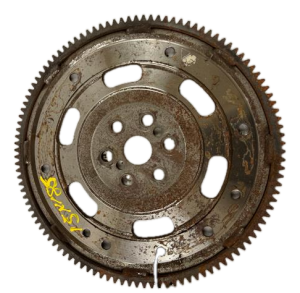
The Flywheel (Flexplate): The metal flywheel (flexplate) that bolts to the engine is rarely the point of failure. It's a simple, durable component. Part numbers like CV6Z-6375-B and the BV6P series refer to this part. Unless it is physically damaged (cracked, warped, broken teeth), it can likely be reused. The problem lies with the parts that bolt to it.
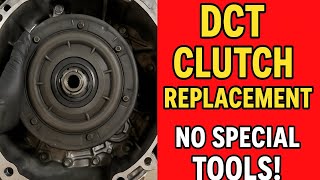
The Dual-Clutch Assembly: This is the component that fails. Buying a used clutch assembly is highly discouraged by experts.
- High Failure Rate: The original parts were flawed. A used part from a salvage vehicle likely has the same defects and may have already been subjected to shuddering and overheating.
- Hidden Damage: It is nearly impossible to inspect a used clutch assembly for internal wear, failing slave cylinder bearings, or minor fluid contamination that will cause problems once installed.
- The 'New vs. Used' Value: Given the extremely high labor cost to access this part (the transmission must be removed), installing a used clutch is a huge gamble. If the used part fails, you will have to pay for the entire labor cost again. For this reason, it is almost always more cost-effective to install a new, updated clutch kit.
Pro Tip: If you purchase a complete used transmission, many mechanics recommend replacing the clutch pack and forks with a new OEM or high-quality aftermarket kit (such as LuK) before installing the transmission. This ensures the most common failure point is addressed.
What to Check on a Used Transmission Assembly
If you are inspecting a complete used transmission assembly before purchase, check the following:
- Check for Leaks: Look inside the bell housing where the clutch is visible. Any sign of oily residue suggests the input shaft seals have failed, and the clutch is contaminated.
- Inspect the TCM: The Transmission Control Module is bolted to the outside of the transmission. Look at the label. If it says "Continental," it is an older, less reliable version. The updated, more reliable TCMs are branded with just the "Ford" logo.
- Actuator Movement: With the clutch actuators removed, you should be able to move the forks smoothly by hand. Any binding or roughness is a major red flag.
Cost Breakdown for Clutch Replacement
The cost is dominated by labor due to the complexity of the job.
| Part or Service | Estimated Cost | Notes |
|---|---|---|
| New OEM Clutch Kit | $400 - $600 | Part numbers like F1FZ-7B546-B. Includes clutches, forks, and bearings. |
| New Aftermarket Clutch Kit | $350 - $550 | High-quality kits from brands like LuK are a common choice. |
| Used OEM Clutch Assembly | $100 - $250 | Not recommended due to high risk of premature failure. |
| New OEM Flywheel (Flexplate) | $90 - $150 | Part CV6Z-6375-B. Often does not need replacement. |
| Shop Labor | $800 - $1,500+ | Book time is around 5-9 hours. Requires transmission removal and special procedures. |
| Total Professional Replacement | $1,200 - $3,500+ | Dealership quotes are often on the higher end of this range. |
Replacement Information
This is not a beginner-friendly job. It involves removing the entire transmission from the vehicle.
- Difficulty: 5 out of 5 (Professional Level)
- Special Tools: Requires transmission jacks, engine support bars, and special tools for clutch installation and reset.
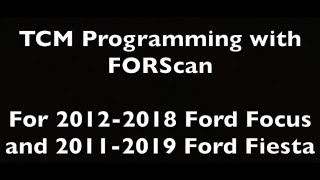
- Programming Required: After the new clutch is installed, a specific 'adaptive learning' procedure must be performed using a diagnostic tool like FORScan or the Ford IDS system. Skipping this step will result in poor shifting and can damage the new clutch.
Frequently Asked Questions (FAQ)
Is there a recall for the 2012-2018 Ford Focus transmission?
There is no universal safety recall for the clutch shudder on the DPS6 automatic transmission. However, Ford did issue multiple warranty extensions and customer satisfaction programs to cover repairs for the clutch and TCM for a certain period. Most vehicles are now outside these coverage windows.
Can I just replace the flywheel and not the clutch?
The flywheel (flexplate) is almost never the cause of the common shuddering and shifting problems. The issue is with the dual-clutch assembly that bolts to the flywheel. Replacing only the flywheel will not solve the problem.
Is it safe to drive with the transmission shudder?
While the shudder itself is mostly an annoyance, the underlying problem can escalate. The transmission can start shifting erratically, hesitate when you need to accelerate, or fail to engage a gear, which can be dangerous in traffic. It is highly recommended to have the vehicle inspected by a qualified technician.
Why does my automatic Ford Focus have a clutch?
The PowerShift transmission is not a traditional automatic with a torque converter. It is a dual-clutch transmission, which functions like two manual transmissions working together, controlled by a computer. It uses dry clutch plates to engage the engine with the gearbox, just like a manual car.
Helpful Videos
Technical Specifications
OEM Part Numbers: BV6P7M093BA BV6P7M093BB BV6P7M093BC BV6P7M093BD CV6Z6375B F1FZ-7B546-B
For 2012-2018 Ford Focus with 2.0L TIVCT gasoline engine (VIN 8th digit '2') and DPS6 dual-clutch automatic transmission.
We Have This Part in Stock

The information in this article is provided for general reference and educational purposes only. Vehicle specifications, procedures, and part compatibility can vary by production date, trim level, and region. Always consult your vehicle's factory service manual and verify part numbers before purchasing or performing repairs. Safety-critical components such as airbags, seat belts, and braking systems should be installed by a qualified professional.
- Ford Focus:
- 🎬 Helpful Videos
- 🛍️ Shop This Part
- The Infamous PowerShift DPS6 Transmission
- Symptoms of a Failing DPS6 Clutch System
- Known Issues, TSBs, and Warranty Extensions
- Buying a Used Clutch or Flywheel Assembly
- What to Check on a Used Transmission Assembly
- Cost Breakdown for Clutch Replacement
- Replacement Information
- Frequently Asked Questions (FAQ)
- 🎟️ Get 5% Off