

2007-2013 BMW X5 (E70) Rear Air Spring Failure: Sagging, Leaks, and Replacement
This guide covers the common failure symptoms, diagnosis, and replacement of the rear air springs on BMW X5 models equipped with self-leveling or Adaptive Drive suspension.
- This guide applies ONLY to X5 models with optional Self-Leveling or Adaptive Drive suspensions; it does not apply to base models with standard steel springs.
- The most common symptom of failure is a sagging rear suspension, especially after being parked overnight, caused by cracks in the rubber air bag.
- Ignoring a leaking air spring will cause the air compressor to overwork and fail, leading to a much more expensive repair.
- Replacement is a straightforward DIY job, but it is critical to replace the springs in pairs and to avoid lowering the vehicle's weight onto an uninflated new spring.
Understanding Your X5's Rear Suspension: Air vs. Steel Coils
A critical point of confusion for many 2007-2013 BMW X5 owners involves the rear suspension. Base models came equipped with standard steel coil springs. However, two optional systems utilize the air springs covered in this guide:
- Self-Leveling Suspension: This was a standalone option and was standard on models with the third-row seat. Its primary purpose is to maintain a level rear ride height regardless of cargo or passenger load.
- Adaptive Drive: This more advanced option included electronically controlled shock absorbers and active anti-roll bars for improved handling, and also incorporated the rear self-leveling air springs.
Warning: These air springs will NOT fit an X5 that originally came with standard steel coil springs. Before purchasing a replacement, you must verify that your vehicle is equipped with either self-leveling suspension or Adaptive Drive.
Common Symptoms of a Failing Rear Air Spring
Air spring failure is a common issue as the vehicle ages. The rubber bladder is a wear-and-tear item that eventually dries out, cracks, and develops leaks. Here are the most common signs of a problem:
- Rear Suspension Sagging: This is the most obvious symptom. One or both sides of the rear of the vehicle will sit noticeably lower than normal, especially after being parked overnight.
- "Self-Leveling Suspension Inactive" Warning: A message will appear on the iDrive screen or instrument cluster, indicating a fault in the system.
- Air Compressor Runs Constantly: If you can hear a whirring or buzzing sound from the rear of the vehicle that runs for an extended time after starting the car or even after shutting it off, the compressor is trying to compensate for a leak. This constant operation will eventually burn out the compressor, leading to a more expensive repair.
- Hissing Noises: You may hear a faint hissing sound from the rear wheel well area, which is the sound of air escaping the leaking spring.
- Bouncy or Harsh Ride: With no air to provide cushioning, the rear suspension will feel harsh, and the vehicle may bounce excessively over bumps.
Step-by-Step Diagnosis: Is It the Air Spring?
Before buying parts, it's important to confirm the leak is coming from the air spring itself and not a cracked air line or faulty valve block.
- Visual Inspection: Raise the rear of the vehicle safely on jack stands and remove the wheel. Look closely at the rubber air spring, especially in the areas where it folds and rolls. You may see visible cracks or signs of dry rot.
- The Soapy Water Test: This is the most definitive test. Mix a solution of soap and water in a spray bottle. With the vehicle running to ensure the compressor is trying to fill the system, spray the entire surface of the air spring liberally. If there is a leak, you will see bubbles forming, similar to finding a leak in a tire. Pay close attention to the folded creases and the areas around the top and bottom mounts.
- Listen Carefully: With the engine off in a quiet environment, listen near the rear wheel for any audible hissing.
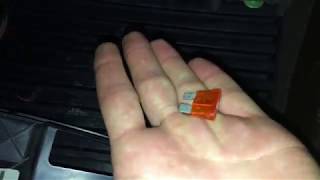
Pro Tip: A leaking air spring will cause the air compressor to overwork, which can blow the 40-amp fuse for the system, located in the rear fuse panel. If your suspension is completely inactive and the compressor won't run at all, check this fuse first. However, simply replacing the fuse without fixing the leak will only cause it to blow again.
Buying a Used 2007-2013 X5 Rear Air Spring: What to Check
A good-quality used OEM air spring can be a cost-effective alternative to a new part, but careful inspection is crucial.
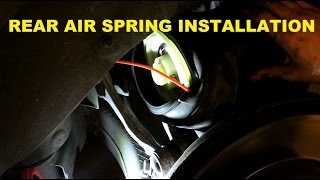
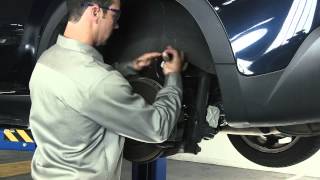
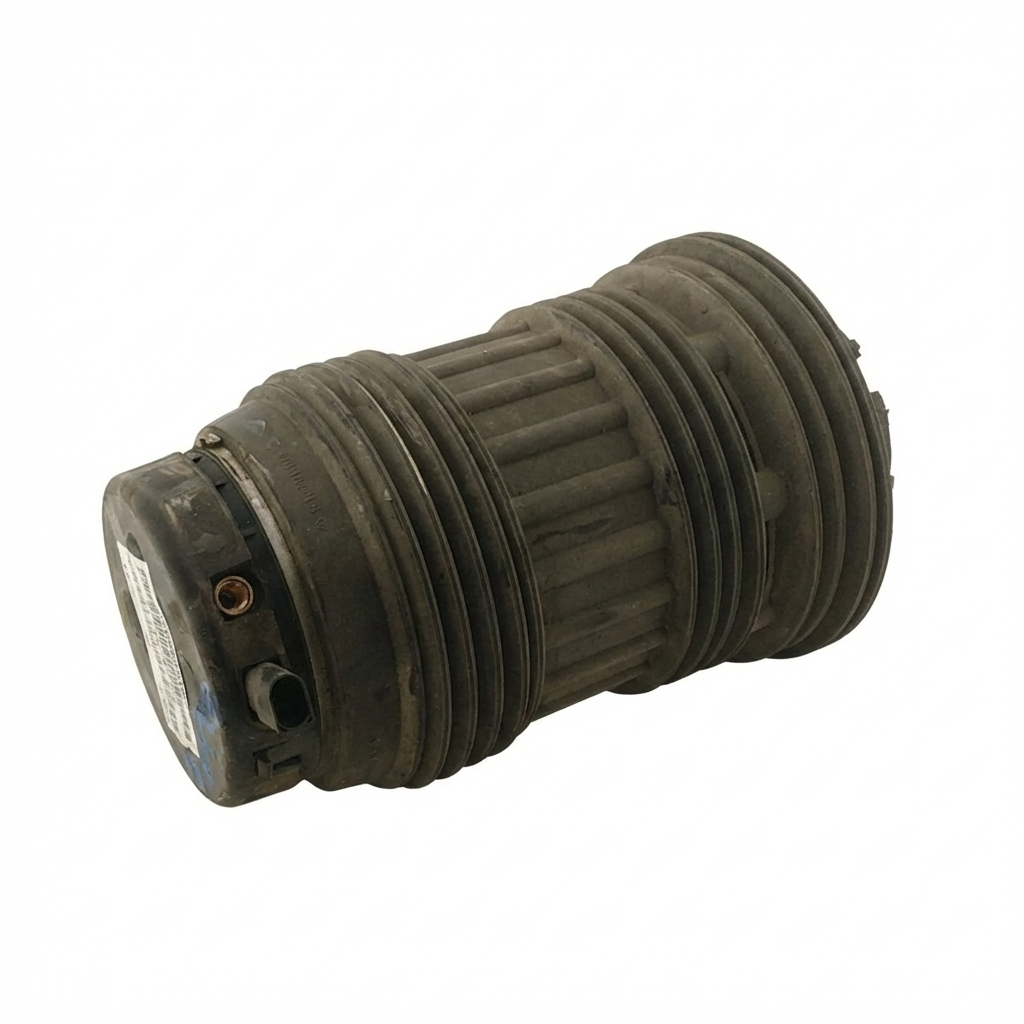
- Physical Inspection: The most important check is the condition of the rubber. Squeeze and flex the rubber bladder. It should be pliable and free of any visible cracks, perishing, or dry rot. Pay special attention to the lower rolling lobe, as this is where most cracks develop. 🎬 See this professional walkthrough for inspecting and replacing air springs.
- Check the Mounts: Inspect the plastic top and bottom mounting points. Ensure the locking tabs are intact and not cracked or broken.
- Ask for Mileage/VIN: Air springs are wear items. A part from a low-mileage donor vehicle is always preferable. Ask the seller for the mileage or VIN of the vehicle it was removed from. Avoid parts from high-mileage (over 100,000 miles) vehicles, as they may not have much service life left.
- OEM vs. Aftermarket: A used Genuine BMW air spring in good condition is often a better choice than a cheap, new aftermarket part. Inexpensive aftermarket units can be made from lower-quality rubber that may fail prematurely. Reputable aftermarket brands like Arnott are a good alternative if buying new.
- Verify Part Numbers: While the left and right air springs are often interchangeable, it's best to match the part number if possible. The most common superseding part number is 37126790078.
Replacement Overview & Difficulty
Replacing the rear air springs on an E70 X5 is a manageable DIY job for someone with basic mechanical skills. The process does not require compressing a dangerous steel spring, making it safer than a traditional strut replacement.
- Difficulty: 2 out of 5
- Estimated Time: 0.5 - 1 hour per side.
- Tools Needed: Jack, jack stands, wheel chocks, 17mm socket (for wheel lugs), 10mm wrench (for air line), and a pick or flathead screwdriver.
Simplified Steps:
- Safely lift the rear of the vehicle and support it with jack stands. Remove the wheel.
- Disconnect the battery to prevent the compressor from activating.
- Deflate the old air spring. This can be done by carefully loosening the 10mm air line fitting at the top of the spring or by using diagnostic software to command the system to vent.
- Release the bottom of the air spring by pressing in two locking tabs and pushing the base upward.
- Twist the entire air spring counter-clockwise about 90 degrees to release it from the upper mount in the chassis.
- Disconnect the air line from the top of the old spring.
- Installation is the reverse of removal. 🎬 Watch this DIY guide for a complete step-by-step replacement. Insert the new spring, twist it clockwise to lock the top, connect the air line, and press the bottom into its seat until it clicks.
Warning: Do NOT lower the vehicle's full weight onto a new, uninflated air spring, as this can damage it. Lower the jack slowly, allowing the spring to partially inflate as the suspension compresses. Once the wheel is on the ground, start the vehicle and allow the compressor to fully inflate the spring to the correct ride height before driving.
Cost Comparison: X5 Rear Air Spring
| Part Type | Estimated Cost (Per Spring) |
|---|---|
| New OEM (Genuine BMW) | $430 - $475 |
| New Aftermarket (Arnott) | $160 - $210 |
| Used OEM | $60 - $150 |
| Shop Labor | $200 - $300 (for a pair) |
Frequently Asked Questions (FAQ)
Can I replace just one failing air spring?
While you can replace just one, it is highly recommended to replace them in pairs. Air springs are wear items, and if one has failed due to age, the other is likely to fail soon after. Replacing both at the same time saves you from having to do the job twice.
Do I need special software to do this replacement?
No, special software is not strictly required. You can manually deflate the spring by loosening the air line. However, diagnostic software (like ISTA) makes the process easier by allowing you to electronically command the system to deflate and reinflate. After replacement, a level calibration may be needed to ensure everything is set correctly.
Will a bad air spring damage other parts?
Yes. A leaking air spring forces the air suspension compressor to run constantly to try and maintain pressure. This will cause the compressor to overheat and burn out, turning a relatively inexpensive repair into a much more costly one.
Can I convert my air suspension to traditional coil springs?
Yes, several companies offer kits to convert the rear air suspension to a standard coil spring and shock absorber setup. This is a permanent solution that eliminates the complexity and potential failure points of the air system, though it also removes the self-leveling functionality.
Helpful Videos
![[EN] How to replace the air springs on a BMW X5 | Masters of Motion](https://img.youtube.com/vi/TMqPuNKt4p8/mqdefault.jpg)
Technical Specifications
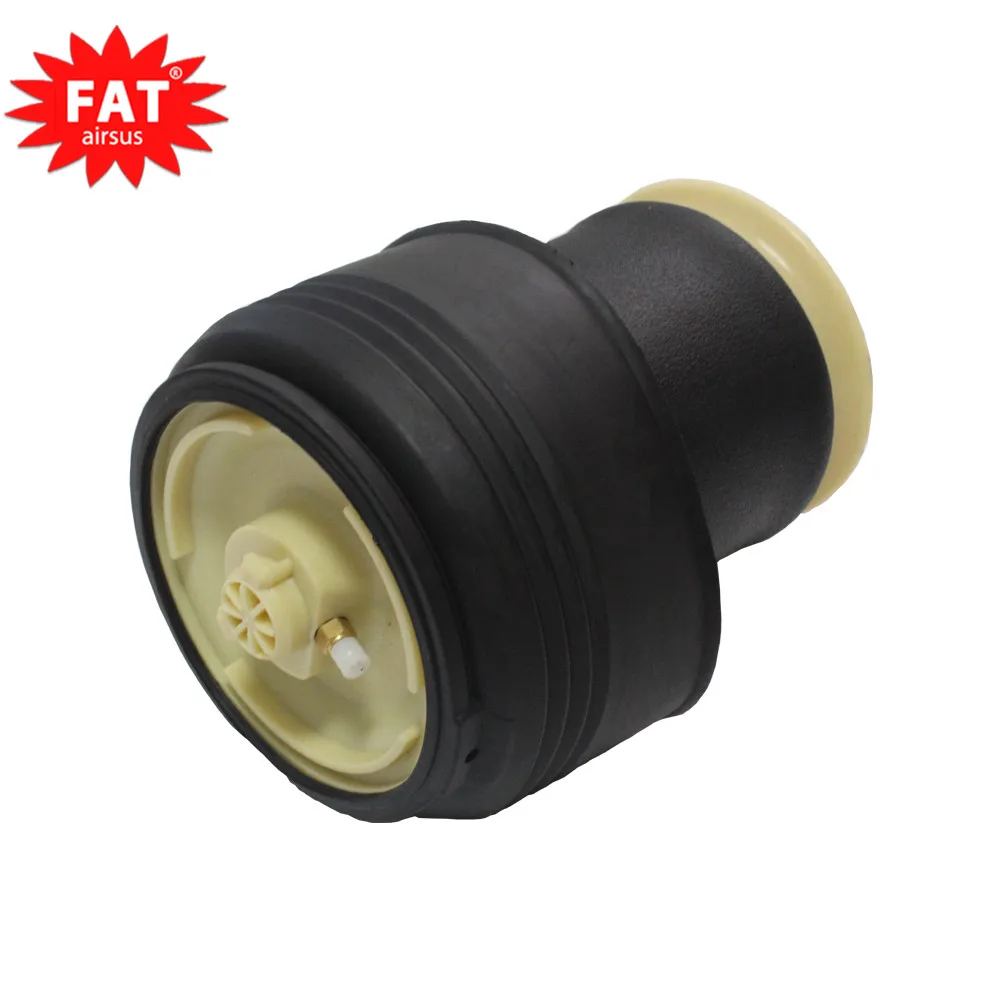
OEM Part Numbers: 37126790078 37126790079 37126783419 37126783420 37126773664 37126774041
Fits rear left or right side on vehicles with Self-Leveling Suspension or Adaptive Drive.
We Have This Part in Stock

The information in this article is provided for general reference and educational purposes only. Vehicle specifications, procedures, and part compatibility can vary by production date, trim level, and region. Always consult your vehicle's factory service manual and verify part numbers before purchasing or performing repairs. Safety-critical components such as airbags, seat belts, and braking systems should be installed by a qualified professional.
- BMW X5:
- 🎬 Helpful Videos
- 🛍️ Shop This Part
- Understanding Your X5's Rear Suspension: Air vs. Steel Coils
- Common Symptoms of a Failing Rear Air Spring
- Step-by-Step Diagnosis: Is It the Air Spring?
- Buying a Used 2007-2013 X5 Rear Air Spring: What to Check
- Replacement Overview & Difficulty
- Cost Comparison: X5 Rear Air Spring
- Frequently Asked Questions (FAQ)
- 🎟️ Get 5% Off