

2017-2023 Land Rover Discovery Air Suspension Strut Failure: Sagging, Faults, and Replacement Costs
This guide diagnoses the common air spring leaks that cause the 2017-2023 Land Rover Discovery to sag and explains how to replace the air strut assembly.
- The most common failure is a leak in the rubber air spring (bladder), causing a corner of the Discovery to sag, especially overnight.
- Driving with a leaking air strut is not recommended as it will burn out the air suspension compressor, a much more expensive part to replace.
- When replacing an air strut, a suspension height calibration using a Land Rover-specific scan tool is a required final step.
- It is strongly recommended to replace air struts in pairs (both front or both rear) to ensure balanced handling and prevent a repeat failure on the opposite side.
Compatibility Warning: Air Suspension vs. Coil Spring Suspension
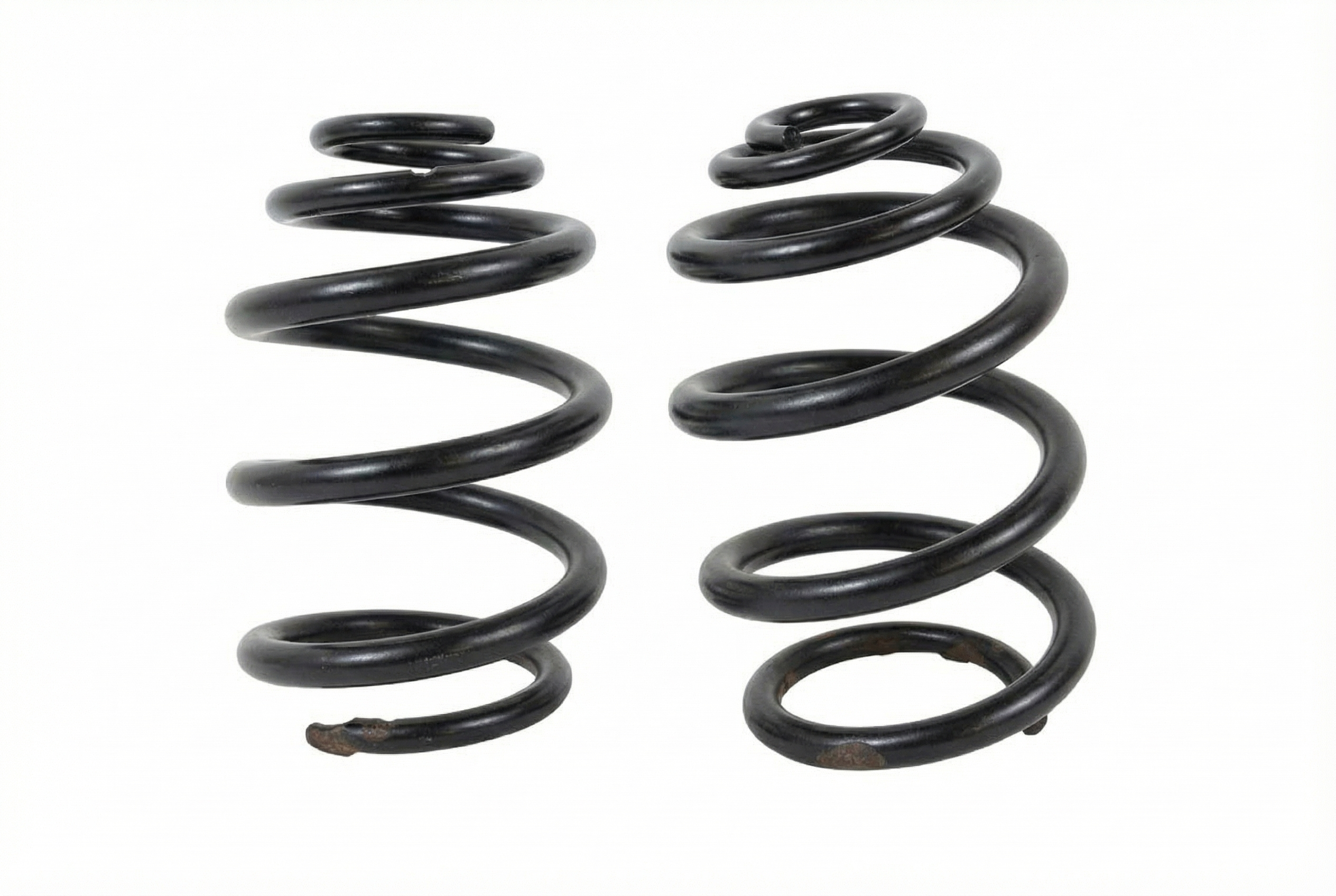
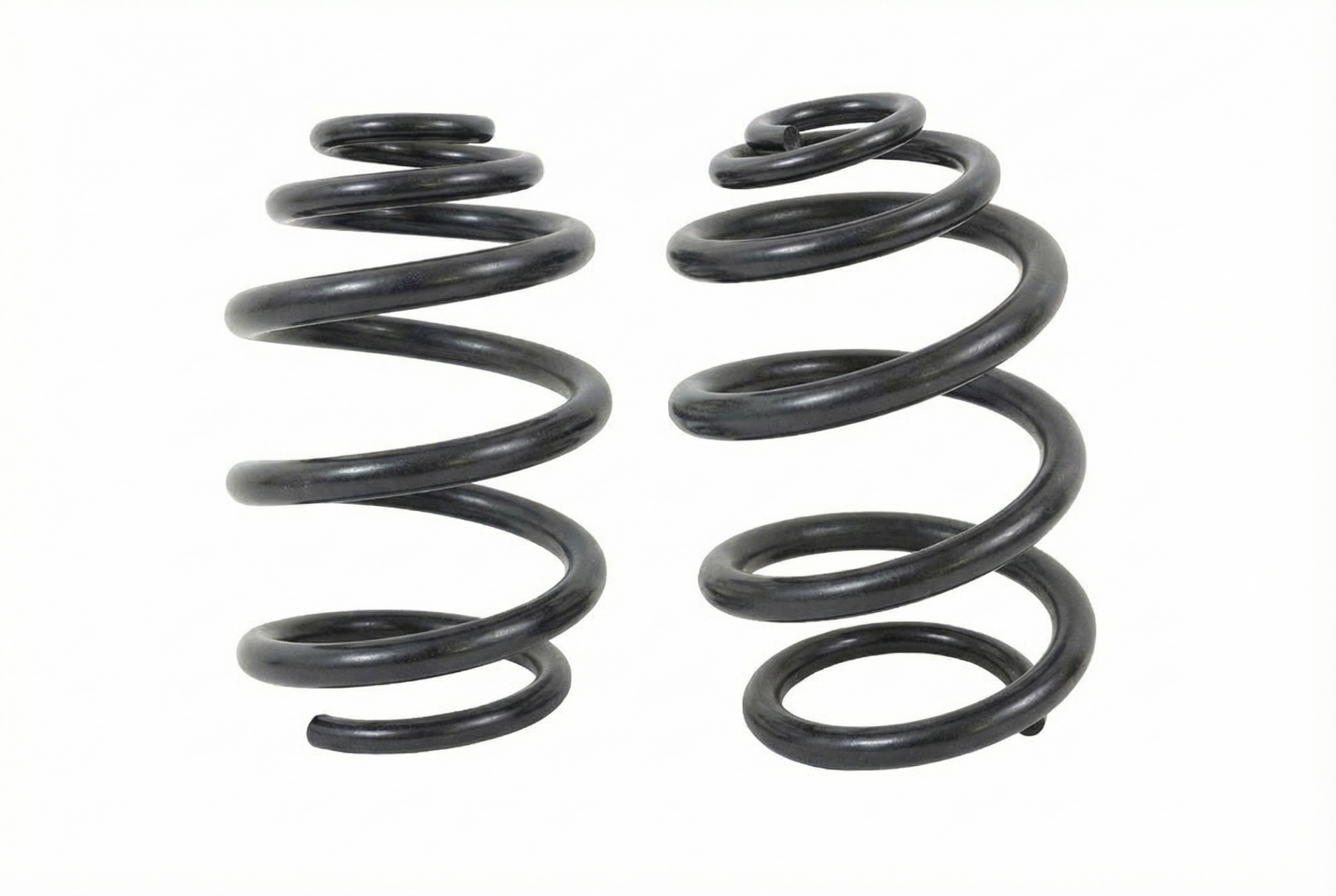
Important: The 2017-2023 Land Rover Discovery was sold with two different suspension types: a standard steel coil spring suspension and an optional electronic air suspension. This guide covers the diagnosis and replacement of the air strut assemblies found on models equipped with the electronic air suspension. The parts and symptoms discussed here do not apply to models with the standard coil spring setup. If your vehicle sags overnight or has adjustable ride height controls, you have the air suspension system.
Symptoms of a Failing Air Strut
A failing air strut on a Land Rover Discovery typically gives clear warning signs. The most common issue is a leak in the rubber air spring, which prevents it from holding pressure.
Vehicle Sagging or Leaning
The most obvious symptom is a noticeable drop in ride height at one corner of the vehicle. This is often most apparent after the vehicle has been parked for several hours or overnight. As air leaks out of the spring, that corner of the Discovery will sag down towards the bump stops. If the vehicle consistently leans to one side, it points directly to a leak in the air strut on the lower side.
"Suspension Fault" Warning Light
When the vehicle's control module detects a problem with the air suspension system, such as an inability to reach or maintain the correct ride height, it will trigger a "Suspension Fault" message on the dashboard. This is a general warning that can be caused by a leaking strut, a failing compressor, or a bad sensor.
Compressor Running Constantly or Making Noise
A healthy air suspension compressor should only run for short periods to make adjustments. If you hear the compressor running for extended periods or more frequently than usual, it's a strong sign that it's trying to compensate for a leak somewhere in the system. A constantly working compressor will eventually burn out, leading to a much more expensive repair.
Harsh or Bouncy Ride
The air strut assembly includes a shock absorber to dampen road impacts. If the internal shock absorber fails, the ride can become unusually stiff or bouncy, even if the air spring still holds air. Additionally, if the air spring is completely deflated, the vehicle will be riding on its bump stops, resulting in a very harsh ride.
Known Issues, TSBs, and Recalls
While there are no widespread recalls specifically for the air struts on the 2017-2023 Discovery, Land Rover has issued Technical Service Bulletins (TSBs) for related suspension noises.
- TSB JLRTB02060NAS1 (NHTSA ID: 10182151): Released for some 2020 models, this TSB addresses a knocking noise from the front suspension when driving over speed bumps or uneven roads at low speeds.
- TSB for 2018 Models: A similar TSB was issued for 2018 models reporting a noise from the front suspension on rough surfaces.
These bulletins suggest that some vehicles may experience noises separate from or in addition to air leaks. No safety recalls have been issued for air spring failures on this model range.
Buying a Used Air Strut: What to Check
A used OEM air strut can be a cost-effective alternative to a new part, but careful inspection is critical. The rubber air spring is the most common failure point, so it requires the most attention.
- Inspect the Rubber Air Spring (Bladder): This is the most important check. Carefully examine the entire rubber surface, especially in the areas where it folds or rolls. Look for small cracks, signs of dry rot, or perishing rubber. A part with any visible cracking should be rejected, as it will inevitably leak.
- Check for Leaks with Soapy Water: If possible, pressurize the strut with low-pressure air and spray it with a soapy water solution. Any bubbles indicate a leak. While this is difficult to do without the part installed, it's the most definitive test.
- Examine the Shock Absorber Body: Look for any oily residue or grime on the metal body of the shock absorber. A film of oil indicates that the internal seals of the shock have failed, and it will no longer provide proper damping.
- Verify Part Numbers: Land Rover used different struts for vehicles with and without Continuously Variable Damping (CVD), also known as adaptive damping. Ensure the part number on the used strut matches the one you are replacing. Common front part numbers include LR123641, LR081560, LR102250, and LR102253.
- Assess Mileage and Condition: Ask for the mileage of the donor vehicle. A lower-mileage part is always preferable. Avoid parts from vehicles with significant collision damage, as the strut may have suffered unseen stress.
Pro Tip: It is highly recommended to replace air struts in pairs (both front or both rear). If one side has failed due to age, the other side is likely near the end of its service life. Replacing them in pairs ensures balanced performance and handling.
Cost Comparison for Front Air Strut Replacement
Prices can vary significantly between new OEM, aftermarket, and used parts. Labor costs for replacement are also a major factor.
| Part Type | Estimated Price (per strut) | Notes |
|---|---|---|
| New OEM (Dealer) | $1,000 - $2,500+ | The most expensive option. A dealer parts site lists an MSRP over $2,500 for a single front strut. |
| New OEM (Supplier) | $400 - $600 | From the original equipment manufacturer (e.g., BWI) but sold through independent suppliers. |
| New Aftermarket | $300 - $700 | Quality brands like Arnott and Aerosus offer direct-fit replacements. Prices vary based on features like CVD. |
| Used OEM | $150 - $450 | Price depends heavily on condition, mileage, and seller. Found on sites like eBay. |
| Shop Labor | $250 - $450 | Typically 2-3 hours of labor per side. Independent shops are usually less expensive than dealers. |
Replacement Overview & Difficulty
Replacing a front air strut on a 2017-2023 Discovery is a moderately difficult job that is feasible for an experienced DIY mechanic. A detailed installation video from aftermarket manufacturer Arnott shows the process clearly.
- Difficulty: 4/5
- Estimated Time: 2-3 hours per side.
- Tools Required: Jack and jack stands, wheel removal tools, metric socket/wrench set (15mm, 24mm), torque wrench, airline release tool or small pick.
Basic Steps (Front Strut):
- Safely lift and support the vehicle and remove the wheel.
- Loosen and remove the air line fitting at the top of the strut. Be prepared for a small release of residual air pressure.
- Remove the three or four 15mm mounting nuts at the top of the strut tower.
- Disconnect any sensor wires and brackets attached to the strut.
- Remove the upper control arm ball joint nut and separate the joint from the spindle.
- Remove the large lower strut mounting bolt.
- Maneuver the old strut out of the vehicle.
- Installation is the reverse of removal. Do not fully tighten suspension bolts until the vehicle's weight is back on the suspension to avoid damaging bushings.
Post-Installation: Suspension Calibration
Critical Step: After replacing an air strut, height sensor, or compressor, a suspension height calibration is required. Skipping this step can result in an uneven ride height, poor handling, and persistent "Suspension Fault" warnings. Calibration teaches the control module the new correct height for each corner.
This procedure requires a Land Rover-specific diagnostic scan tool, such as a GAP IID Tool or an iCarsoft LR V4.0. The process involves parking on a level surface, measuring the distance from the wheel center to the fender arch at all four corners, and inputting these values into the scan tool.
Frequently Asked Questions (FAQ)
Can I convert my air suspension to standard coil springs?
Yes, conversion kits are available that replace the air suspension components with traditional coil springs and shock absorbers. This is a permanent solution that eliminates the complexity and potential failure points of the air system, but at the cost of losing adjustable ride height and some ride comfort.
Is it safe to drive with a leaking air strut?
It is not recommended. Driving with a deflated air spring results in poor handling, instability, and a very harsh ride. More importantly, it forces the air compressor to run constantly, which will cause it to overheat and fail, turning a moderate repair into a very expensive one.
My whole vehicle is low, not just one corner. Is it the struts?
If the entire vehicle is sagging and won't raise, the problem is more likely with a shared component, such as the air suspension compressor, a main valve block, or a system-wide leak, rather than all four struts failing simultaneously. A diagnostic scan is needed to pinpoint the cause.
What is the difference between an air strut, air spring, and air shock?
These terms are often used interchangeably. The "air spring" is the rubber bladder component. The "shock" is the damper inside. An "air strut" is the complete assembly that combines the air spring and the shock absorber into a single unit, which is what the Land Rover Discovery uses.
Technical Specifications
OEM Part Numbers: LR123641 LR081560 LR102250 LR102253 LR081564 LR123712 HY32-3C286-BD HY32-3C285-BC
System uses complete air strut assemblies combining a shock absorber and a rubber air spring. Available for systems with and without Continuously Variable Damping (CVD).
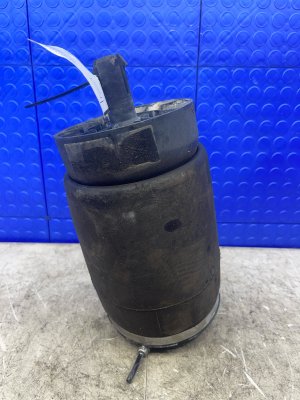
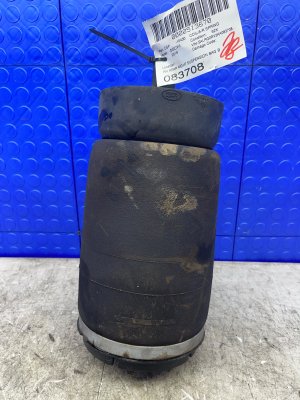
We Have This Part in Stock

The information in this article is provided for general reference and educational purposes only. Vehicle specifications, procedures, and part compatibility can vary by production date, trim level, and region. Always consult your vehicle's factory service manual and verify part numbers before purchasing or performing repairs. Safety-critical components such as airbags, seat belts, and braking systems should be installed by a qualified professional.
- Land Rover Discovery:
- Land Rover Discovery:
- 🛍️ Shop This Part
- Compatibility Warning: Air Suspension vs. Coil Spring Suspension
- Symptoms of a Failing Air Strut
- Vehicle Sagging or Leaning
- "Suspension Fault" Warning Light
- Compressor Running Constantly or Making Noise
- Harsh or Bouncy Ride
- Known Issues, TSBs, and Recalls
- Buying a Used Air Strut: What to Check
- Cost Comparison for Front Air Strut Replacement
- Replacement Overview & Difficulty
- Post-Installation: Suspension Calibration
- Frequently Asked Questions (FAQ)
- 🎟️ Get 5% Off