

Tesla Model 3 & Y Dash Harness: Audio Systems, Hardware Versions, and Solving Electrical Faults
This guide covers the complex dashboard wiring harness for the 2017-2026 Model 3 and 2020-2026 Model Y, focusing on how to identify the correct part and diagnose common electrical problems.
- Compatibility is extremely complex; the harness must exactly match your vehicle's year, audio system (Standard/Premium), and hardware version (HW3/HW4).
- Harnesses for the 2024+ 'Highland' Model 3 and 2025+ 'Juniper' Model Y are NOT backward compatible with earlier models.
- Replacement is an expert-level job requiring complete removal of the dashboard and center console, taking 10-15 hours of labor.
- When buying a used harness, you must verify the part number and meticulously inspect every connector for damage, as a single broken tab can render it useless.
Symptoms of a Failing Dashboard Wiring Harness
A bad dashboard wiring harness rarely causes a single, consistent failure. Instead, you will likely experience a variety of strange and intermittent electrical issues. Because the harness connects so many different components, a short circuit or a broken wire can affect multiple systems at once. These symptoms can sometimes be mistaken for a software bug or a failure of the main computer (MCU), but if a screen reboot doesn't fix the issue, the harness may be the culprit.
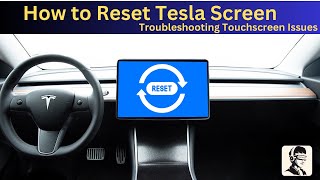
- Intermittent or Flickering Center Display: The main touchscreen may randomly go black, flicker, or fail to respond to touch. 🎬 Watch: How to reset your Tesla screen While a simple reboot often fixes software glitches, persistent or recurring screen issues can point to a loose connection or damaged wire in the harness that feeds the display.
- Audio Problems: One or more speakers may cut out, or you might hear static and popping sounds. This is a key indicator, as the audio signals for every speaker travel through this harness. Problems isolated to one side of the car can suggest a harness issue.
- Unresponsive Controls: Buttons on the steering wheel for the turn signals, wipers, or Autopilot may stop working or only work sporadically. Likewise, the glovebox release or other dash-mounted switches might fail.
- Multiple, Unrelated Warning Lights: A damaged harness can cause a flood of communication errors between the vehicle's many computer modules. This can result in multiple warning lights appearing on the display for systems that are not actually faulty.
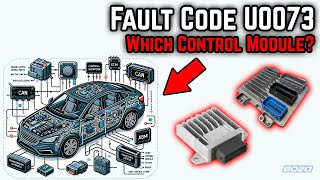
- Diagnostic Trouble Codes (DTCs): A failing dash harness will not typically log a simple code like "Bad Harness." Instead, it causes a network communication failure. The most common code is U0073 - Control Module Communication Bus 'A' Off. This indicates the main data network is down. It is often accompanied by a cascade of other U-codes (like U0100, U0121, etc.) as individual modules report they can no longer communicate.
The Compatibility Maze: A Critical Guide for Buyers
Tesla uses many different, non-interchangeable dashboard harnesses for the Model 3 and Model Y. Ordering the wrong one will result in features not working or the part not fitting at all. Physical verification of the part number on your original harness is the only guaranteed way to find a match. If you cannot see the part number, you must match the donor vehicle's specifications to your own exactly.
Standard vs. Premium Audio Systems
This is the most common compatibility trap. Tesla built these vehicles with two main audio systems, and they use different harnesses.
- Standard Audio: Typically found on earlier or Rear-Wheel Drive (RWD) models. It has fewer speakers and no subwoofer.
- Premium Audio: Typically found on All-Wheel Drive (AWD), Long Range, and Performance models. It includes additional speakers, an amplifier, and a subwoofer.
Warning: The harnesses for Standard and Premium audio systems are not interchangeable. A Premium harness has extra connectors for the additional speakers and amplifier that a Standard harness lacks. You must verify which audio system your vehicle has before ordering.
Model Year Refreshes: 'Highland' & 'Juniper'
Tesla performed significant interior redesigns that changed the dash harness completely. These parts are not backward or forward compatible.
- 2017-2023 Model 3 & 2020-2024 Model Y: These are the original generation vehicles.
- 2024+ Model 3 ('Highland'): The refreshed Model 3 has a different dashboard layout, ambient lighting, and other features requiring a unique harness.
- 2025+ Model Y ('Juniper'): The refreshed Model Y also received a major interior update, including a rear passenger screen and new ambient lighting, and uses a completely different harness.
Autopilot Hardware (HW3 vs. HW4)
The introduction of Autopilot Hardware 4 (HW4) starting around 2023 brought changes to the vehicle's electrical architecture, including new wiring harnesses. HW4 uses higher-resolution cameras and has different power requirements, which are supported by an updated harness design. While the exact changeover dates can be blurry, it's another critical factor in ensuring compatibility.
Known Issues, Recalls, and TSBs
While there are no recalls specifically for the dashboard harness, other wiring-related recalls on the Model 3 and Model Y platform show that wiring fatigue and defects are a known concern.
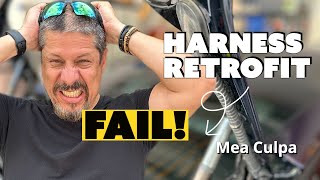
- NHTSA Recall 21V-00D (Model 3 Trunk Harness): This well-known recall affects 2017-2020 Model 3s. Repeated opening and closing of the trunk can damage the coaxial cable for the rearview camera, which is part of the trunk harness. Symptoms include a flickering or black rearview camera feed. 🎬 See: Model 3 trunk harness retrofit walkthrough While not the dash harness, it demonstrates that wire fatigue is a real-world issue on these cars.
- Newer Model Wiring Recalls: Early production of the 2025-2026 'Juniper' Model Y has seen recalls for wiring defects causing reverse light failure and horn failure. These issues were traced to improperly seated terminal pins or poorly secured ground wires.
- Rodent Damage: Some owners have reported that the soy-based insulation used on some automotive wires can attract rodents. Chewed wires can cause the exact same symptoms as a faulty harness and can lead to expensive repairs. One owner reported a quote of $1,500 to fix a damaged front harness.
Buying a Used Dashboard Wiring Harness: What to Check
Due to the high cost of a new harness and the lack of aftermarket options, a quality used OEM harness is often the best choice for repair. However, careful inspection is mandatory.
- Verify the Part Number: This is the most important step. Find the OEM part number on your original harness and match it exactly. If you can't, you must confirm the donor car's year, model (3 or Y), drivetrain (RWD/AWD), and audio system (Standard/Premium) are identical to yours.
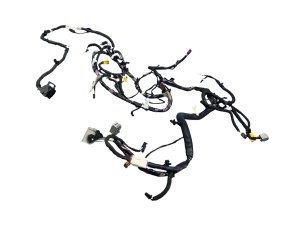
- Inspect Every Connector: Carefully check every single plastic connector. Look for broken locking tabs, bent or corroded pins, or any signs of melting or heat damage. A single damaged connector can make the entire harness useless. A damaged used harness was noted for sale with missing and broken connectors, highlighting the need for inspection.
- Check for Cut or Spliced Wires: Scan the entire length of the harness for any wires that have been cut, spliced with butt connectors, or poorly repaired with electrical tape. A factory harness will have no such repairs. Any splices are a major red flag.
- Look for Physical Damage: Check for areas where the outer sheathing is worn away, exposing the wires inside. This kind of chafing can lead to short circuits. Also, check for signs of rodent damage like chewed wires.
Pro Tip: When possible, get the Vehicle Identification Number (VIN) of the donor car. This allows you to look up its original factory configuration and provides a powerful second layer of verification for compatibility.
Replacement Information
Replacing the dashboard wiring harness is one of the most labor-intensive repairs possible on a Model 3 or Model Y. It is not recommended for DIY mechanics without significant experience.
- Difficulty Rating: 5 out of 5 (Expert level)
- Estimated Time: 10-15 hours
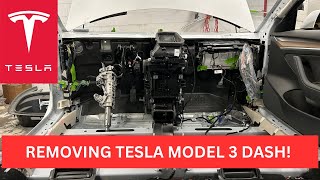
The process requires the complete removal of the dashboard assembly. According to Tesla's service procedures, this involves removing the A-pillar trims, center console, glove box, steering wheel and column, and the main dashboard structure itself before the 🎬 Watch: Tesla Model 3 dashboard removal guide harness can be accessed and swapped. This is a massive job that carries a high risk of damaging interior trim pieces if not done carefully.
Cost Breakdown
The majority of the cost for this repair is labor due to the extensive disassembly required.
| Part / Service | Estimated Cost |
|---|---|
| New OEM Harness (Part Only) | $600 - $900 |
| New Aftermarket Harness | Not Available |
| Used OEM Harness (Part Only) | $150 - $400 |
| Remanufactured Harness | Not Available |
| Shop Labor Cost | $1,500 - $3,000+ |
Frequently Asked Questions (FAQ)
Can I upgrade from Standard to Premium audio by just swapping the dashboard harness?
No. While the correct harness is a required part of the conversion, you would also need to install the additional speakers, the factory amplifier, and the subwoofer. The vehicle's software configuration would also need to be updated to recognize the Premium system, which may require a visit to a Tesla service center.
My screen is flickering. Is it definitely the harness?
Not necessarily. The first step for any screen issue is to perform a soft reset by holding down both scroll wheels on the steering wheel until the Tesla 'T' logo appears. This resolves most software-related glitches. If the problem persists or is clearly related to physical movement (like going over bumps), then a hardware issue with the harness or the screen itself is more likely.
Is it safe to repair a damaged wire instead of replacing the whole harness?
Tesla's official service documentation generally advises against wire repairs, especially in areas subject to movement or close to a connector. While a skilled technician can sometimes repair a single broken wire in a static location, it can be a point of future failure. For a critical and complex component like the dash harness, replacement with a good used or new part is the most reliable long-term solution.
Why are there so many different part numbers for this harness?
Part numbers change based on vehicle configuration and model year updates. Factors like Rear-Wheel Drive vs. All-Wheel Drive, Standard vs. Premium audio, the 'Highland'/'Juniper' refreshes, and the transition to Hardware 4 all require different harnesses with unique connectors and wire lengths. You must match the part number or ensure the donor car's specifications are identical to yours.
Helpful Videos
Technical Specifications
OEM Part Numbers: 1489040 1489040-04-D 1489040-04-E 1521277 152127700A 1897343-02-C 3067960 3067960-00-B 3067960-04-B
Varies significantly based on vehicle configuration (Audio system, Autopilot hardware, model year). No universal specifications apply.
We Have This Part in Stock
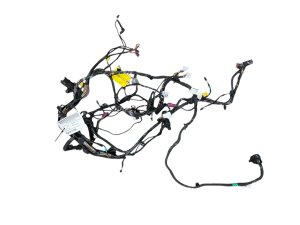
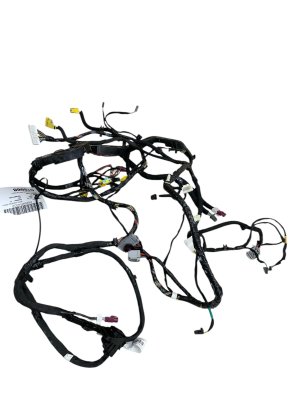

The information in this article is provided for general reference and educational purposes only. Vehicle specifications, procedures, and part compatibility can vary by production date, trim level, and region. Always consult your vehicle's factory service manual and verify part numbers before purchasing or performing repairs. Safety-critical components such as airbags, seat belts, and braking systems should be installed by a qualified professional.
- Tesla Y:
- Tesla 3:
- 🎬 Helpful Videos
- 🛍️ Shop This Part
- Symptoms of a Failing Dashboard Wiring Harness
- The Compatibility Maze: A Critical Guide for Buyers
- Standard vs. Premium Audio Systems
- Model Year Refreshes: 'Highland' & 'Juniper'
- Autopilot Hardware (HW3 vs. HW4)
- Known Issues, Recalls, and TSBs
- Buying a Used Dashboard Wiring Harness: What to Check
- Replacement Information
- Cost Breakdown
- Frequently Asked Questions (FAQ)
- 🎟️ Get 5% Off