

2006-2008 Audi A4 Quattro Rear Differential: Identifying Whines, Leaks, and Failures
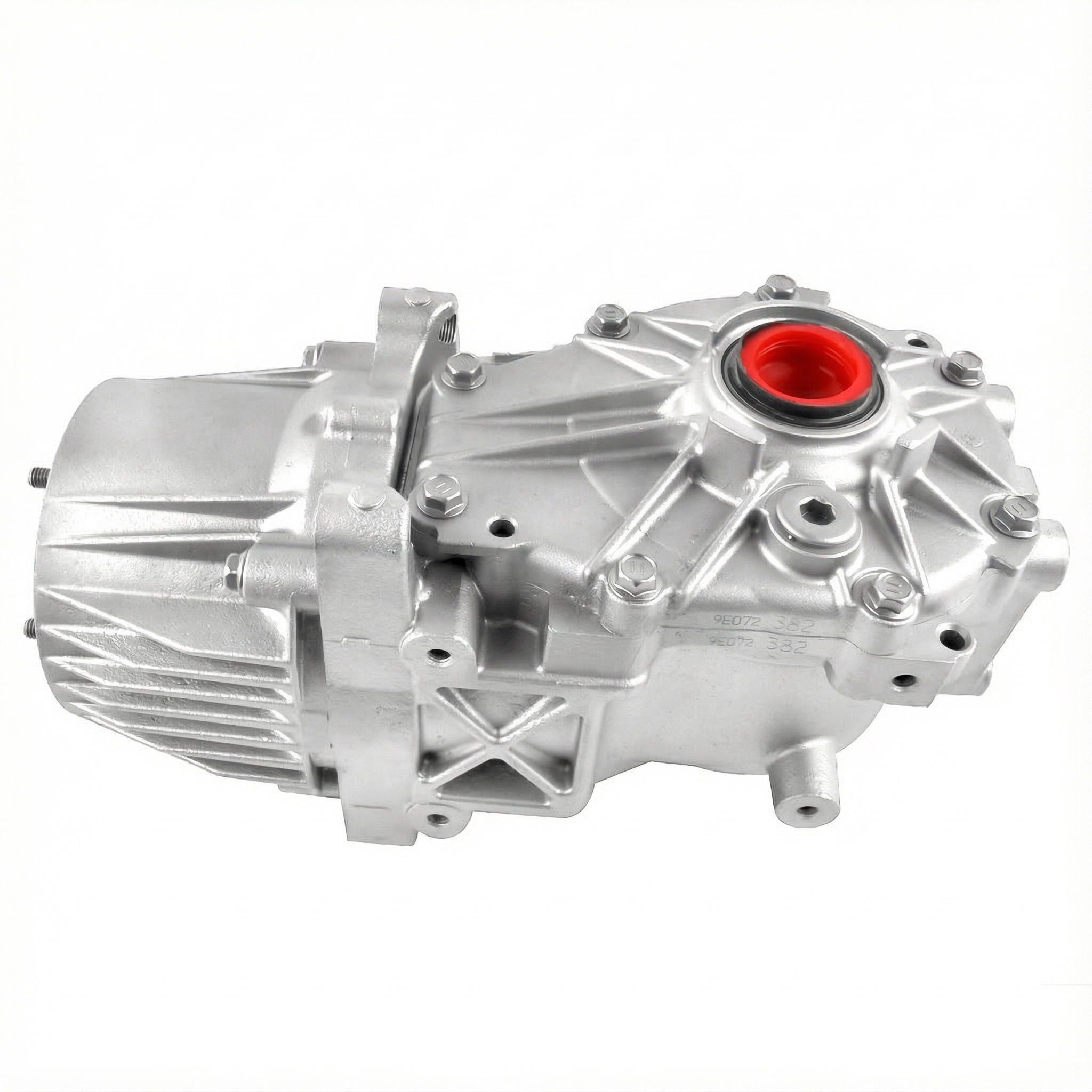
This guide covers the common failure symptoms, compatibility warnings, and replacement costs for the rear differential carrier in 2006-2008 Audi A4 Quattro models.
- This rear differential (part #08V500043) is specific to 2006-2008 A4 Quattro sedans/wagons with a 3.2L V6 and manual transmission; it does not fit convertibles.
- The most common failure symptoms are whining noises that change with speed, clunking when shifting or accelerating, and fluid leaks from the seals.
- Replacing the unit with a verified, low-mileage used assembly is typically more practical and cost-effective than attempting a complex rebuild.
- When replacing, always use new 75W-90 GL-5 synthetic gear oil and inspect related parts like mounts and the driveshaft center support bearing.
Symptoms of a Failing Rear Differential
A failing differential rarely fails suddenly. It usually provides audible or physical warnings that something is wrong. Ignoring these signs can lead to more extensive and costly damage to the drivetrain.
Noises: Whining, Grinding, and Clunking
Noise is the most common indicator of a differential problem. The specific type of sound can help pinpoint the issue:
- Whining or Howling: A steady whining or howling noise that gets louder with acceleration and changes pitch with vehicle speed is a classic symptom of worn ring and pinion gears or bad bearings. This sound is often most noticeable at highway speeds and may diminish during deceleration.
- Grinding or Rumbling: A grinding or rumbling sound, especially while accelerating or turning, suggests worn-out gears or bearings that are failing. This can sometimes be felt as a vibration through the floor or seat.
- Clicking or Clunking: Sharp clicking or clunking noises, particularly when starting from a stop, shifting from drive to reverse, or during sharp turns, often point to excessive backlash in the gears or a damaged universal joint.
Pro Tip: If you have recently installed aftermarket rear differential carrier mount inserts, they can sometimes introduce a new whining noise at specific speeds, such as 80 mph. Before condemning the differential itself, check for recently installed aftermarket parts that might be transferring normal drivetrain harmonics into the cabin.
Vibrations and Handling Issues
A failing differential can cause vibrations that intensify with acceleration. This may be due to worn internal gears or a failing driveshaft U-joint connected to the differential. You might also notice changes in handling, such as the car feeling unstable or pulling to one side, especially during turns.
Fluid Leaks
The differential is a sealed unit filled with gear oil. If you see reddish or dark, thick fluid dripping from the rear center of the vehicle, it's a sign of a leak. Leaks commonly occur at the axle seals (where the axles enter the differential) or the front pinion seal (where the driveshaft connects). Low fluid levels will cause overheating and rapid wear of internal components, leading to the noises described above.
Known Issues, TSBs, and Recalls
For the 2006-2008 (B7) Audi A4, there are no specific recalls or widespread Technical Service Bulletins (TSBs) issued by the NHTSA for the rear differential carrier assembly itself. Recalls for this generation primarily focus on airbag inflators. While a recall for a rear axle lock nut was issued for much newer Audi models, it does not apply to the 2006-2008 model years.
Buying a Used Differential Carrier Assembly
A used OEM differential is often the most cost-effective solution for a failed unit. However, careful inspection and verification are key to getting a quality part.
Compatibility is Critical
Warning: The primary OEM part number for this assembly is 08V500043. It is specifically designed for 2006-2008 Audi A4 Quattro models equipped with the 3.2L V6 engine and a manual transmission. It will not fit convertible models. Some sources indicate it may also fit certain 2.0T Quattro models with a manual transmission, but you must verify the part number on your original differential before purchasing.
Inspection Checklist
When inspecting a used differential carrier, follow these steps:
- Check for Leaks: Look for any signs of oil leaks around the pinion seal (front) and the axle seals (sides). Heavy staining or wetness indicates the seals are bad and will need to be replaced.
- Rotate the Input Flange: The flange where the driveshaft connects should rotate smoothly by hand without any grinding or catching.
- Check for Play: Try to wiggle the input flange up-and-down and side-to-side. A very small amount of rotational play (backlash) is normal, but there should be no significant clunking or movement in other directions. Do the same for the axle output flanges.
- Inspect the Fluid: If possible, ask the seller to open the fill plug. The gear oil should be dark but not have a burnt smell. Use a magnet or your finger to check for large metal particles. A fine metallic paste on the magnetic drain plug is normal, but large chunks or shavings indicate severe internal damage.
- Verify History: Ask for the mileage of the donor vehicle. Differentials are robust, but lower mileage is always preferable. A part with a warranty is highly recommended.
Rebuild vs. Replace
Deciding whether to rebuild your existing differential or replace it with a used assembly depends on the failure mode, cost, and available expertise.
- Replacement: For most owners, replacing the entire unit with a quality used assembly is the faster and more straightforward option. It avoids the need for specialized tools and knowledge required to set gear tolerances correctly.
- Rebuild: A rebuild involves replacing the internal bearings, seals, and sometimes the gears. This can be cost-effective if only minor parts like bearings or seals have failed. However, it is a labor-intensive job that requires precision. Incorrectly setting the gear mesh or bearing preload can lead to immediate noise and rapid failure. A full rebuild is often best left to a transmission or drivetrain specialist.
Replacement and Installation
Replacing the rear differential is a significant job that typically requires a vehicle lift and specialized tools. While it can be done by an experienced DIY mechanic, it is often performed by a professional shop.
Key Procedures and Torque Specs
- Support: The differential is heavy. It must be securely supported with a transmission jack during removal and installation.
- Fluid: The differential must be filled with the correct fluid. For the B7 A4, this is typically a full synthetic 75W-90 gear oil meeting API GL-5 specifications. The capacity is approximately 2 quarts (1.9L), but always fill until the fluid begins to seep out of the fill hole on a level surface.
- Torque Specs: Using a torque wrench is critical for these components.
- Rear Differential Carrier Mount Bolts: 55 Nm (41 ft-lbs)
- Rear Axle Shaft to Differential Flange Bolts: 80 Nm (59 ft-lbs)
Related Parts
When replacing the differential, it is a good time to inspect other nearby components that may be worn. Consider replacing:
- Axle Seals and Pinion Seal: If the used differential doesn't have fresh seals, it's wise to replace them before installation to prevent future leaks.
- Driveshaft Center Support Bearing: Inspect this for wear or cracking in the rubber. A worn support bearing can cause vibrations.
- Differential Mounts: The rubber mounts that secure the differential to the subframe can wear out, causing clunking noises. Inspect them for cracks or deterioration.
Cost to Replace
The cost of replacing a rear differential can vary significantly based on the parts chosen and local labor rates.
| Item | Estimated Cost |
|---|---|
| New OEM Differential | $2,500 - $4,000+ |
| Used OEM Differential | $350 - $800 |
| Rebuild Kit (Bearings & Seals) | $150 - $300 (parts only) |
| Shop Labor for Replacement | $500 - $1,500 |
| Shop Labor for Rebuild | $800 - $2,000+ (more complex than replacement) |
Frequently Asked Questions (FAQ)
Can I use a differential from an automatic transmission A4 in my manual transmission car?
No. The gear ratios are often different between automatic and manual transmission models. Using a differential with the incorrect ratio will cause severe damage to the Quattro all-wheel-drive system. You must match the part to your vehicle's specific configuration (3.2L V6, manual transmission).
Is a whining noise from the rear always the differential?
Not always. A whining or humming noise that changes with vehicle speed can also be caused by a failing wheel bearing or unevenly worn tires. A mechanic can help diagnose the source by listening to the components with a stethoscope while the vehicle is on a lift.
How often should the differential fluid be changed?
While Audi may consider it a "lifetime" fluid, most experts recommend changing the differential fluid every 50,000 to 80,000 miles to prevent premature wear, especially on vehicles that are driven aggressively.
What happens if I keep driving with a bad differential?
Continuing to drive with a noisy or vibrating differential is risky. The internal components can continue to degrade, and in a worst-case scenario, the gears could seize, causing the rear wheels to lock up. This can lead to a loss of vehicle control and a much more expensive repair.
Technical Specifications
OEM Part Numbers: 08V500043
Fluid Type: 75W-90 Full Synthetic Gear Oil (API GL-5 Specification)
We Have This Part in Stock

The information in this article is provided for general reference and educational purposes only. Vehicle specifications, procedures, and part compatibility can vary by production date, trim level, and region. Always consult your vehicle's factory service manual and verify part numbers before purchasing or performing repairs. Safety-critical components such as airbags, seat belts, and braking systems should be installed by a qualified professional.
- Audi A4:
- 🛍️ Shop This Part
- Symptoms of a Failing Rear Differential
- Noises: Whining, Grinding, and Clunking
- Vibrations and Handling Issues
- Fluid Leaks
- Known Issues, TSBs, and Recalls
- Buying a Used Differential Carrier Assembly
- Compatibility is Critical
- Inspection Checklist
- Rebuild vs. Replace
- Replacement and Installation
- Key Procedures and Torque Specs
- Related Parts
- Cost to Replace
- Frequently Asked Questions (FAQ)
- 🎟️ Get 5% Off