

2009-2017 Lexus LS460 AWD Rear Differential: Decoding Whines, Leaks, and Ratios
This guide covers common failure symptoms, fluid checks, and replacement costs for the all-wheel-drive LS460 rear differential carrier.
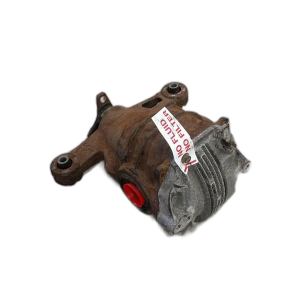
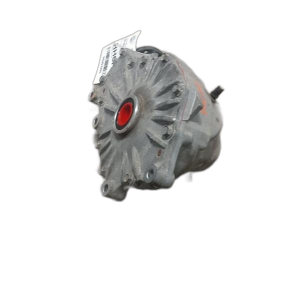
- This differential is ONLY for 2009-2017 Lexus LS460 All-Wheel Drive (AWD) models and has a 3.133 gear ratio.
- The most common sign of failure is a whining noise that changes pitch with acceleration and deceleration.
- Before replacing the unit, check the fluid level and condition. Look for significant metal debris on the magnetic drain plug.
- A used OEM assembly is a cost-effective alternative to a very expensive new unit, but must be inspected for leaks and damage.
Symptoms of a Failing Differential
A failing differential rarely fails suddenly. It usually provides audible or physical warnings long before a complete breakdown. Paying attention to these signs can prevent more extensive damage to the drivetrain.
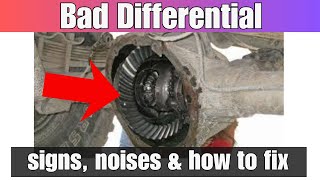
🎬 Watch: How to identify common failing differential noises and signs.Whining or Howling Noises
The most common symptom of a failing differential is a whining or howling noise that changes with vehicle speed. This noise is often mistaken for tire or wheel bearing noise. However, a key difference is that differential noise will often change pitch or intensity when you accelerate or let off the gas, even if your speed stays the same. A whine during acceleration typically points to a worn pinion gear, while a whine during deceleration suggests a problem with the ring gear or pinion bearing.
Grinding or Rumbling
A deep grinding or rumbling sound that is constant at most speeds often indicates a severely worn carrier bearing or gear. This may be felt as a vibration through the floor of the vehicle. If you hear grinding, it's a sign that internal components are likely making metal-to-metal contact, contaminating the gear oil with metal particles and accelerating wear.
Clunking or Clicking
A distinct "clunk" when shifting from Park to Drive or Reverse can signal excessive backlash (play) between the ring and pinion gears. This means there's too much space between the gear teeth, causing them to slam together when torque is applied. Clicking or popping sounds, especially when turning, can also indicate worn spider gears inside the differential carrier.
Fluid Leaks
Reddish-brown or dark gear oil spots on the ground under the rear of the vehicle are a clear sign of a leak. Leaks typically occur at the pinion seal (where the driveshaft enters) or the axle seals. Low fluid level is a primary cause of differential failure, as it leads to overheating and inadequate lubrication of the gears and bearings.
Known Issues, TSBs, and Recalls
Searches for recalls and Technical Service Bulletins (TSBs) specific to the rear differential carrier on the 2009-2017 Lexus LS460 AWD did not reveal any widespread, specific campaigns. Most recalls for this vehicle generation pertain to issues like the fuel pump, valve springs, and steering control ECU. However, Lexus did issue a general TSB (L-SB-0002-20 Rev) that helps technicians differentiate between a minor fluid "seep" and a more serious fluid "leak" on powertrain components, which would include the differential.
Compatibility Warning: This differential carrier assembly (part numbers 41110-50320, 41110-50321, 41110-50322, 41110-50323) is exclusively for All-Wheel Drive (AWD) models and has a 3.133 gear ratio. It will NOT fit Rear-Wheel Drive (RWD) vehicles, which use a different ratio (typically 2.937). Installing the wrong ratio will cause severe drivetrain damage and vehicle handling issues.
Buying a Used Differential Carrier Assembly
A used OEM differential is often the most cost-effective solution for a failed unit. Given the high cost of a new OEM part, a quality recycled assembly from a reputable supplier is a smart choice. Here’s what to look for:
- Verify the Part Number and Ratio: Double-check that the part number matches one of the verified OEM numbers for the AWD model. Confirm the 3.133 gear ratio.
- Inspect for Leaks: Check for any signs of oil leaks around the pinion seal and the axle seals. Staining or wetness indicates the seals may need to be replaced.
- Check for Physical Damage: Inspect the housing for any cracks, especially around the mounting points and cover. Ensure there is no damage from a previous accident.
- Input Flange Test: Turn the input flange (where the driveshaft connects) by hand. It should rotate smoothly with some resistance but without any grinding or catching. There should be minimal side-to-side or up-and-down play.
- Mileage Considerations: While these differentials are robust, lower mileage is always better. A unit with under 100,000 miles is ideal. However, a well-maintained, higher-mileage unit can still be a good value if the fluid was changed regularly.
Cost Breakdown
Replacing the rear differential can be a significant expense, primarily due to the cost of the part itself. A used OEM unit provides substantial savings over a new part from the dealer.
| Part Type | Estimated Cost |
|---|---|
| New OEM | $2,300 - $3,400 |
| New Aftermarket | Not commonly available |
| Used OEM | $250 - $1,000 |
| Remanufactured | Not commonly available |
| Shop Labor | $300 - $500 |
Replacement Overview and Key Procedures
Replacing the differential is a moderately difficult job that typically requires a vehicle lift and specialized tools. While a skilled DIY mechanic can perform the swap, it's often left to professional shops.
Fluid Check and Replacement
Before condemning the differential, it's wise to check the fluid. The correct fluid is crucial for longevity.
- Fluid Type: Lexus specifies Toyota Genuine Differential Gear Oil LX 75W-85 GL-5 or an equivalent. Many owners and shops also successfully use a high-quality synthetic 75W-90 GL-5 gear oil.
- Inspection: When draining the old fluid, check the magnetic drain plug for metal shavings. A fine, grey paste is normal wear. However, large metal chunks indicate severe internal damage.
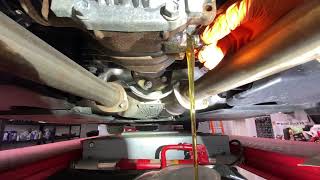
- Procedure: Always remove the fill plug before the drain plug to ensure you can refill the unit. The fluid should be filled until it is level with the bottom of the fill hole. 🎬 See this walkthrough for draining and filling LS460 AWD fluid.
Torque Specifications
Using correct torque specs is critical to prevent leaks and ensure safety.
- Fill and Drain Plugs: 36 ft-lbs (49 Nm). Always use new crush washer gaskets.
- Driveshaft to Pinion Flange Bolts: This is a critical torque spec, typically around 65-75 ft-lbs, but it's essential to consult the factory service manual for the exact specification for your model year.
- Carrier Mounting Bolts: These also require specific torque values and a tightening sequence, which should be referenced from a service manual.
Pro Tip: When replacing the differential assembly, it is highly recommended to also replace the two axle seals and the front pinion seal. These are inexpensive parts that are much easier to replace when the unit is out of the vehicle and will prevent future leaks.
Frequently Asked Questions
What kind of fluid does the 2009-2017 LS460 AWD rear differential use?
The manufacturer specifies Toyota Genuine Differential Gear Oil LX 75W-85 GL-5. However, a high-quality full synthetic 75W-90 GL-5 gear oil is a widely used and acceptable substitute.
Can I use a differential from a RWD LS460 in my AWD model?
No. The AWD model uses a specific 3.133 gear ratio. The RWD models use a different ratio (e.g., 2.937). Using the wrong ratio will cause the AWD system to bind, leading to catastrophic failure of the transfer case and/or differentials.
Is a little bit of whining noise from the differential normal?
No. While some very faint gear noise might be present, any noticeable whining, howling, or grinding that changes with speed or throttle is a sign of a problem that should be investigated immediately.
How often should the rear differential fluid be changed?
While some service intervals can be as high as 90,000 miles, many experts recommend changing the differential fluid every 30,000 to 50,000 miles, especially if the vehicle is driven in harsh conditions. A fluid change is inexpensive preventative maintenance.
Helpful Videos
Technical Specifications
OEM Part Numbers: 41110-50320 41110-50321 41110-50322 41110-50323
Gear Ratio: 3.133. Fluid Type: 75W-85 GL-5 or equivalent synthetic 75W-90 GL-5. Drain/Fill Plug Torque: 36 ft-lbs (49 Nm).
We Have This Part in Stock

The information in this article is provided for general reference and educational purposes only. Vehicle specifications, procedures, and part compatibility can vary by production date, trim level, and region. Always consult your vehicle's factory service manual and verify part numbers before purchasing or performing repairs. Safety-critical components such as airbags, seat belts, and braking systems should be installed by a qualified professional.
- Lexus LS460:
- 🎬 Helpful Videos
- 🛍️ Shop This Part
- Symptoms of a Failing Differential
- Whining or Howling Noises
- Grinding or Rumbling
- Clunking or Clicking
- Fluid Leaks
- Known Issues, TSBs, and Recalls
- Buying a Used Differential Carrier Assembly
- Cost Breakdown
- Replacement Overview and Key Procedures
- Fluid Check and Replacement
- Torque Specifications
- Frequently Asked Questions
- 🎟️ Get 5% Off