

2010-2011 Audi S4 Brake Caliper Guide: Seized Pins and EPB Faults
This guide covers common failure symptoms, used part inspection, and replacement specifics for the front and rear brake calipers on the 2010-2011 Audi S4.
- The most common failure is not the caliper body, but seized guide pins, leading to uneven pad wear.
- Rear calipers require a diagnostic tool (like VCDS) to retract the electronic parking brake (EPB) for service; forcing the piston will cause damage.
- Failure of the rear EPB motor is a known issue, often presenting as a 'Parking Brake Malfunction' warning on the dash.
- When buying a used caliper, the most critical inspection point is the condition of the rubber piston dust boot; any tear means the caliper should be rejected.
Symptoms of a Failing Brake Caliper
A failing brake caliper can present several distinct symptoms. Because the brake system is crucial for safety, it's important to address these signs immediately.
1. Vehicle Pulling to One Side
If a caliper piston or its guide pins seize, the brake on that wheel may not apply or release correctly. A caliper that is stuck applied will cause the car to pull towards that side while driving. Conversely, if it fails to apply, the car may pull to the opposite side during braking as the other caliper does all the work.
2. Uneven Brake Pad Wear
One of the most common signs of a seized caliper or stuck guide pins is rapid and uneven brake pad wear. When inspecting your brakes, if you find the inner pad is significantly more worn than the outer pad (or vice-versa), it's a strong indication that the caliper is not sliding freely on its pins. This prevents even pressure from being applied to both pads.
3. Spongy or Soft Brake Pedal
A brake fluid leak from a caliper's piston seal or bleeder screw can introduce air into the hydraulic system. Since air is compressible and brake fluid is not, this will result in a brake pedal that feels soft, spongy, or goes closer to the floor than usual. You may also notice a visible puddle of fluid, which can be light yellow to brownish, near the inside of the affected wheel.
4. Squealing, Grinding, or Clunking Noises
A seized caliper can cause the brake pads to constantly drag on the rotor, leading to squealing or grinding noises even when you're not braking. Some owners have also reported clunking sounds. While brake noise is a known general complaint on the B8 S4, persistent noise from one specific wheel warrants an inspection of the caliper.
5. "Parking Brake Malfunction" Warning (Rear Calipers)
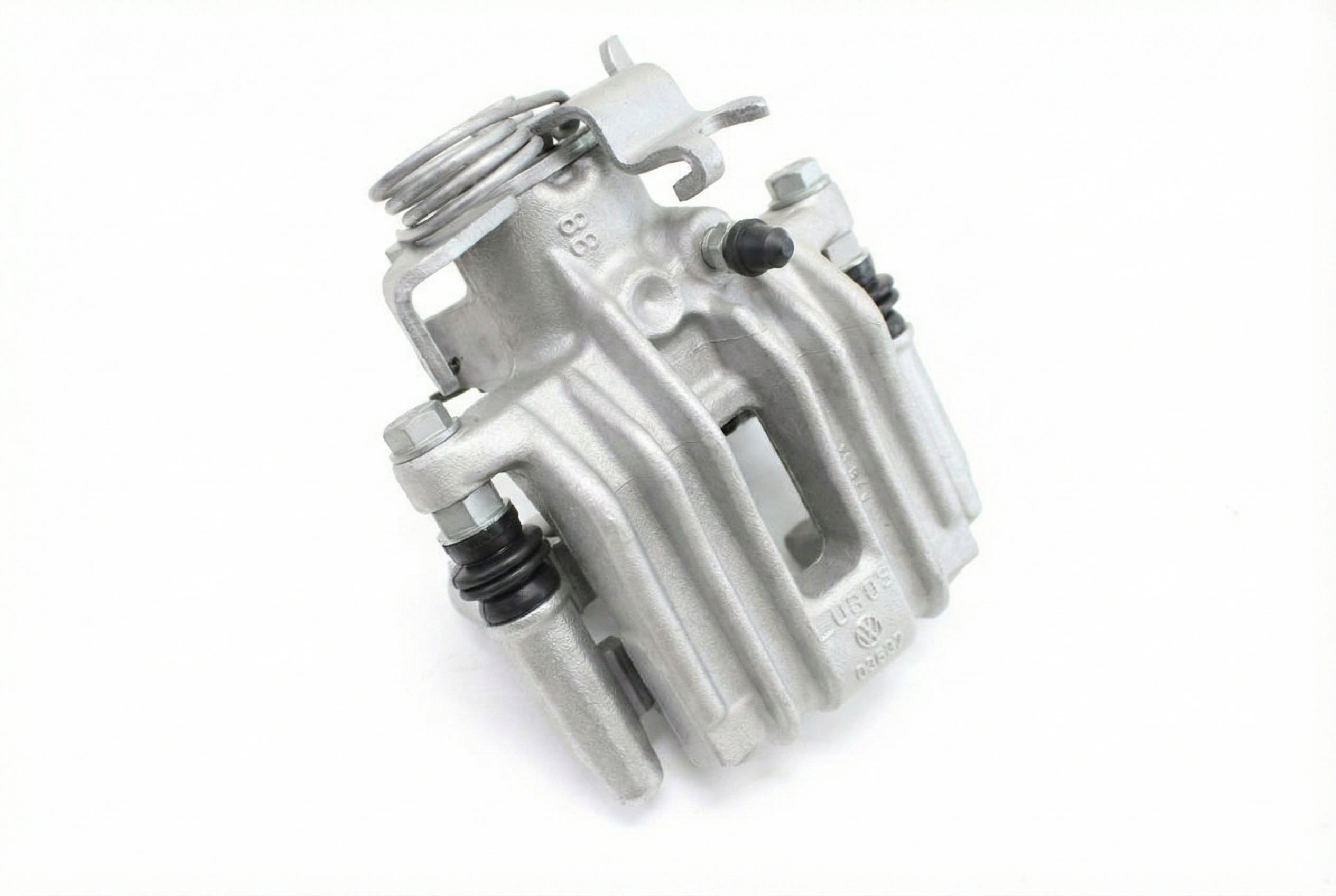
The rear calipers on the S4 feature an Electronic Parking Brake (EPB). A failure within the caliper's internal motor or its related wiring can trigger a "Parking Brake Malfunction" warning light on your dashboard. You might also hear grinding noises from the rear when activating the parking brake, or it may fail to engage or release at all.
Known Issues for 2010-2011 Audi S4
While the calipers are generally robust, there are specific issues to be aware of for this vehicle generation.
Seized Caliper Guide Pins
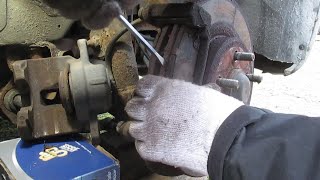
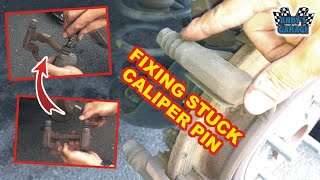
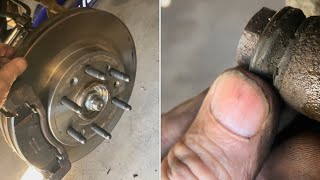
A very common failure point is not the caliper body itself, but the guide pins it slides on. These pins allow the caliper to center itself and apply even pressure. Over time, the protective rubber boots can tear, allowing moisture and road grime to enter, causing the pins to rust and seize. 🎬 Watch this guide on how to fix seized caliper guide pins. This leads to the caliper sticking, causing uneven pad wear and braking imbalance.
Electronic Parking Brake (EPB) Motor Failure
The rear calipers' integrated EPB motors are a known point of failure. These small electric motors can wear out or fail due to electrical issues, such as a weak battery, faulty wiring, or a bad control module which can sometimes be damaged by water in the trunk. Symptoms are specific to the parking brake and include a dashboard warning and the brake being stuck on or off.
Recalls and Technical Service Bulletins (TSBs)
As of late 2023, there are no specific NHTSA safety recalls for the OEM brake calipers on the 2010-2011 Audi S4. There have been recalls for certain aftermarket remanufactured calipers, but these do not apply to the original factory-installed parts. A general Audi TSB exists for brake noise, but it details a cleaning and bedding-in procedure rather than a component replacement.
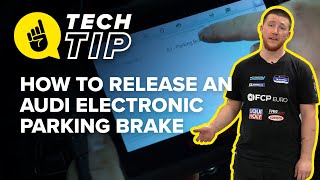
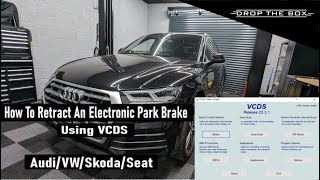
Important: The rear calipers require a diagnostic tool (like VCDS or OBDeleven) to retract the electronic parking brake before service. Attempting to manually compress the piston with a C-clamp will destroy the internal motor.
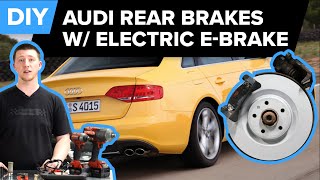
🎬 See how to safely retract the electronic parking brake using VCDS.Buying a Used Disc Brake Caliper
A used OEM caliper can be a cost-effective and reliable alternative to expensive new parts, especially when compared to lower-quality aftermarket options. However, careful inspection is key to getting a good part.
What to Inspect on a Used Caliper
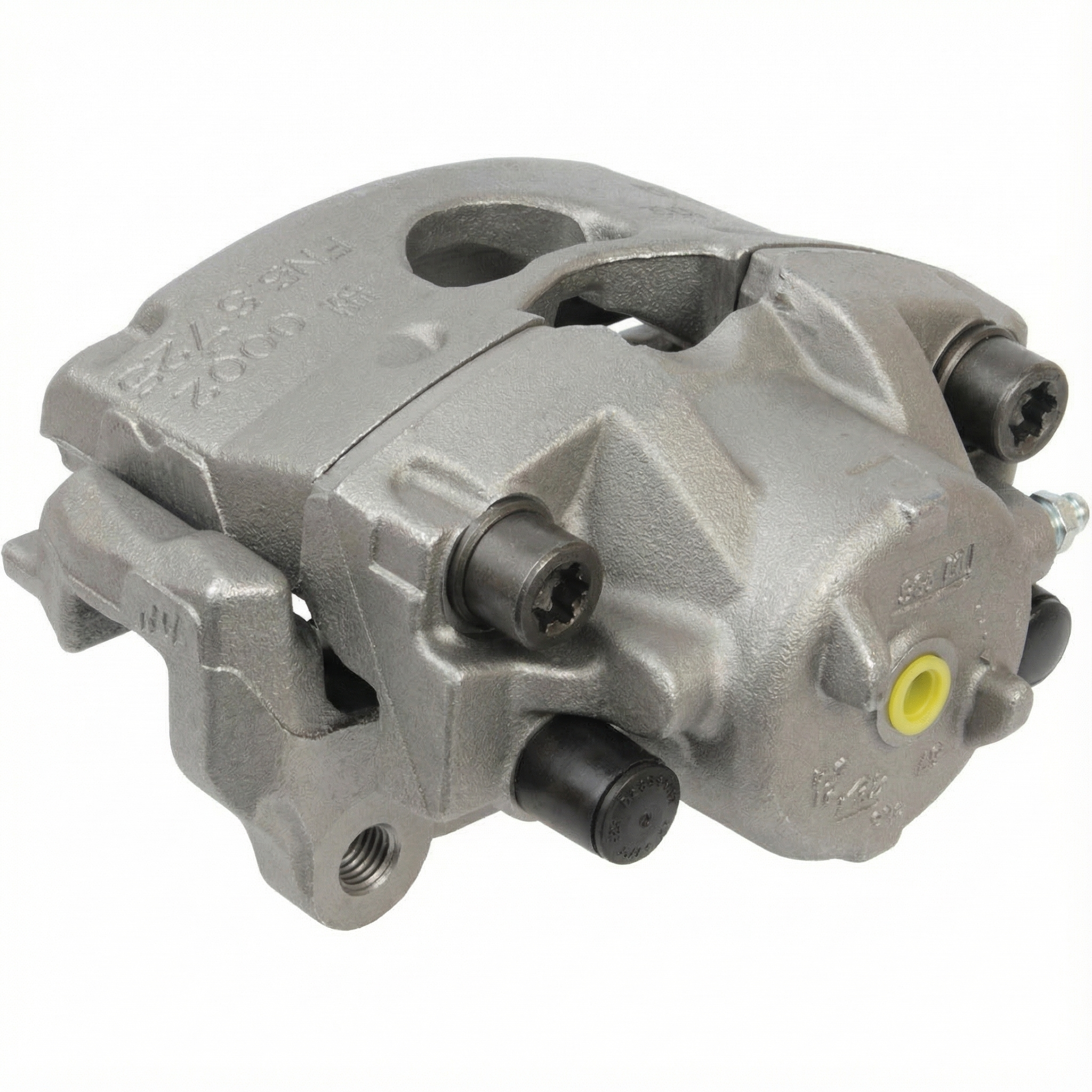
- Piston Dust Boot: The most important check. The rubber boot around the piston must be intact, with no rips, tears, or cracks. A damaged boot allows moisture in, which will cause the piston to seize.
- Bleeder Screw: Ensure the bleeder screw is not stripped, snapped off, or seized. If it looks heavily corroded, it may break during the bleeding process. Ask the seller if it turns freely.
- Threads: Inspect the threads for the brake line banjo bolt and the caliper bracket mounting holes. They should be clean and free of damage. Aluminum threads can be easily stripped, so this is a critical check.
- Guide Pin Bores: Make sure the bores where the guide pins slide are clean and smooth. If buying with the carrier bracket, ensure the guide pins slide in and out smoothly.
- Corrosion: Look for excessive rust or corrosion on the caliper body. While some surface rust is normal, deep pitting or flaking can indicate the part is from a harsh environment and may have hidden issues.
- EPB Motor Connector (Rear Calipers): For rear calipers, inspect the plastic electrical connector for the parking brake motor. Ensure it is not cracked, and the pins inside are not corroded or bent.
Pro Tip: When possible, buy a caliper that comes with the carrier bracket. This saves you from having to separate your old, potentially seized bracket and ensures the guide pins match the caliper.
Cost Comparison (2010-2011 Audi S4 Caliper)
| Part Type | Estimated Price (Per Caliper) | Notes |
|---|---|---|
| New OEM | $425 - $630 | Highest cost, but latest revision and guaranteed fit. |
| Remanufactured | $90 - $150 | A used OEM core that has been rebuilt with new seals and pistons. Quality can vary by brand. |
| Used OEM | $75 - $125 | An original part from a recycled vehicle. Offers OEM quality at a lower price if inspected carefully. |
| Shop Labor | $150 - $250 | Per caliper, includes installation and bleeding the brake system. |
Replacement Overview
- Difficulty: 2/5 (Front), 3/5 (Rear)
- DIY Feasible: Yes, with the right tools.
- Special Tools: 21mm socket (carrier bolts), 13mm socket (guide pins), torque wrench. A diagnostic tool is required for the rear calipers.
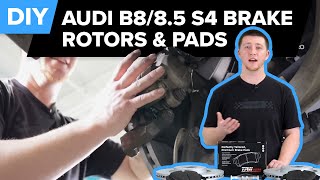
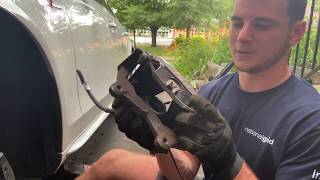
- Procedure: The process involves lifting the vehicle, removing the wheel, unbolting the caliper guide pins, and then the larger carrier bracket bolts. The brake line is disconnected last to minimize fluid loss. After installing the new caliper, the system must be thoroughly bled to remove all air. 🎬 Watch this full walkthrough of the caliper replacement and bleeding process.
Key Torque Specifications
- Caliper Carrier to Hub (21mm bolts): 190-195 Nm (140-144 lb-ft)
- Caliper Guide Pins (13mm bolts): 30-35 Nm (22-26 lb-ft)
- Wheel Lug Bolts: 120 Nm (89 lb-ft)
Frequently Asked Questions (FAQ)
Do I need to replace calipers in pairs?
While it is best practice to replace calipers in pairs on the same axle to ensure even braking performance, it is not strictly required if only one has failed. However, if one caliper has seized due to age or mileage, the other side is likely not far behind.
Can I rebuild my own caliper?
Yes, rebuild kits containing new seals and boots are available for those who want to restore their original caliper. This can be a cost-effective option if the caliper piston and housing are in good condition, without scoring or heavy corrosion. However, it requires more labor and mechanical skill than a simple replacement.
What causes the Electronic Parking Brake to fail?
Failure is often electrical. Common causes include a weak car battery, a faulty control module (sometimes due to water damage in the trunk), bad wiring, or the internal motor in the caliper simply wearing out. A diagnostic scan is the best way to pinpoint the exact cause.
Is a remanufactured caliper as good as a used OEM one?
It depends on the quality. A properly remanufactured caliper from a reputable brand has a new piston, seals, and boots, with only the core housing being reused. This can be very reliable. However, some enthusiasts prefer a low-mileage used OEM caliper over a cheaply rebuilt one, as the original manufacturing tolerances are often superior.
Helpful Videos
Technical Specifications
OEM Part Numbers: 8K0615124D 8K0615124E 8K0615124G 8K0615124J 8K0615123G 8K0615123A 8K0615403A 8K0615404A
Front Rotor Size: 345mm. Rear Rotor Size: 330mm. System uses DOT 4 brake fluid.
We Have This Part in Stock

The information in this article is provided for general reference and educational purposes only. Vehicle specifications, procedures, and part compatibility can vary by production date, trim level, and region. Always consult your vehicle's factory service manual and verify part numbers before purchasing or performing repairs. Safety-critical components such as airbags, seat belts, and braking systems should be installed by a qualified professional.
- Audi S4:
- 🎬 Helpful Videos
- 🛍️ Shop This Part
- Symptoms of a Failing Brake Caliper
- 1. Vehicle Pulling to One Side
- 2. Uneven Brake Pad Wear
- 3. Spongy or Soft Brake Pedal
- 4. Squealing, Grinding, or Clunking Noises
- 5. "Parking Brake Malfunction" Warning (Rear Calipers)
- Known Issues for 2010-2011 Audi S4
- Seized Caliper Guide Pins
- Electronic Parking Brake (EPB) Motor Failure
- Recalls and Technical Service Bulletins (TSBs)
- Buying a Used Disc Brake Caliper
- What to Inspect on a Used Caliper
- Cost Comparison (2010-2011 Audi S4 Caliper)
- Replacement Overview
- Key Torque Specifications
- Frequently Asked Questions (FAQ)
- 🎟️ Get 5% Off