

2019-2025 F-150, Bronco, Ranger & More: Brake Caliper Failure, Recalls, and Replacement Guide
This guide covers common brake caliper problems, recalls, and replacement tips for modern Ford trucks and SUVs, including models with electronic parking brakes.
- These vehicles have electronic parking brakes (EPB), which require putting the system into 'Service Mode' before replacing rear calipers to avoid damage.
- Multiple recalls affect the brake systems, including wiring harnesses that can cause the parking brake to engage while driving (F-150) and brake lines that can leak (Expedition/Navigator).
- Symptoms of failure include the vehicle pulling to one side, a spongy pedal, fluid leaks, or a burning smell from a wheel.
- When buying used, carefully inspect the piston boot for tears, check for leaks, and ensure the slide pins move freely.
Symptoms of a Failing Brake Caliper
A bad brake caliper can cause a range of problems, from strange noises to serious safety risks. Here are the most common signs that a caliper may be failing:
- Vehicle Pulling to One Side: A stuck or seized caliper can cause the vehicle to pull to the left or right when you apply the brakes. If the caliper is stuck engaged, it might pull constantly.
- Spongy or Soft Brake Pedal: If a caliper develops a leak in its piston seal or bleeder screw, air can get into the brake lines. This makes the pedal feel soft or spongy and reduces braking effectiveness.
- Brake Fluid Leaks: Puddles of brake fluid near a wheel are a clear sign of a leak. The fluid is typically clear to light amber and has a slightly oily feel. This is a serious issue that requires immediate attention.
- Squealing or Grinding Noises: A sticking caliper can cause brake pads to wear down completely, leading to metal-on-metal contact that creates a loud grinding or squealing sound when braking.
- Burning Smell: A caliper that is stuck clamped down will create constant friction, causing the brake pads and rotor to overheat. This often produces a strong, chemical burning smell from the affected wheel.
- Uneven Brake Pad Wear: When inspecting your brakes, if one pad is significantly more worn than the other, it often points to a problem with the caliper slide pins or the caliper piston itself not moving correctly.
- Brake Warning Lights: An illuminated ABS, traction control, or red brake warning light on your dashboard can indicate a problem within the brake system, including issues caused by a faulty caliper or related sensors.
Known Issues, TSBs, and Recalls
While the calipers themselves have been generally reliable, several recalls and Technical Service Bulletins (TSBs) have been issued for related brake system components on these vehicles. These issues can present symptoms similar to a failing caliper or may involve the caliper's function.
2022-2024 Ford Expedition & Lincoln Navigator: Front Brake Line Recall (NHTSA 25V-314)
Ford issued a recall for approximately 274,000 Expedition and Navigator models because a front brake line could have been bent improperly during assembly. This could cause it to rub against the engine air cleaner outlet pipe, potentially leading to a brake fluid leak. A leak would result in reduced front brake function and increased stopping distances. Dealers will inspect the brake line and replace it if necessary, free of charge.
2021-2023 Ford F-150: Electronic Parking Brake Wiring Recall (NHTSA 23S35)
A major recall affecting over 870,000 F-150s with single exhaust systems was issued for a problem with the rear axle wiring harness. The harness can rub against the axle housing, wearing through the insulation and causing a short circuit. This can lead to the electronic parking brake (EPB) unexpectedly engaging while driving, increasing the risk of a crash. Symptoms include a parking brake warning light on the dash. The fix involves securing the harness with a protective tie strap and tape, or replacing the harness if it's already damaged.
2025 Models (All Vehicles Listed): Electronic Brake Booster Recall (NHTSA 25V488000)
Ford recalled over 312,000 of its 2025 models, including the F-150, Bronco, Ranger, Expedition, and Navigator, for a potential malfunction in the Electronic Brake Booster (EBB) module. This can lead to a sudden loss of power brake assist, making the vehicle harder to stop. Warning signs include ABS and stability control lights on the dashboard. The remedy is a software update for the EBB module, which can be done over-the-air (OTA) or at a dealership.
2021-2022 Ford F-150: Rear Brake Squeal (TSB SSM 51590)
A TSB was issued for some F-150s with light-duty electric park brake calipers that may exhibit a squeal from the rear brakes after sitting for an extended period (8+ hours). This is a noise issue rather than a safety defect but can be an annoyance for owners.
Compatibility Warning: The provided part numbers cover a wide range of vehicles, but fitment is very specific. Calipers differ for standard models, Raptor models, and Police/SSV packages. There are also variations for painted vs. unpainted calipers. Always verify the exact part number and application for your vehicle's specific VIN and trim level before purchasing.
Buying a Used Disc Brake Caliper
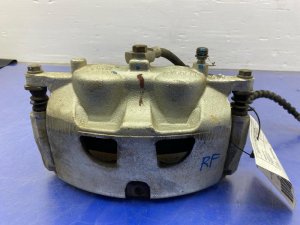
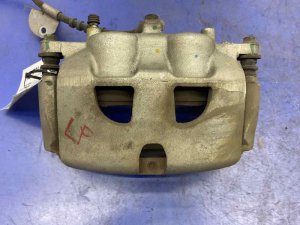
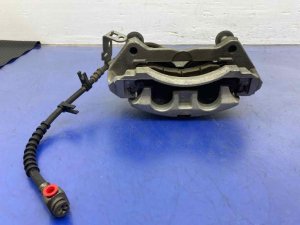
A used OEM caliper can be a cost-effective alternative to a new part, but careful inspection is key. Here’s what to look for:
- Check for Leaks: Inspect the area around the piston boot and the bleeder screw for any signs of brake fluid residue. A clean, dry caliper is essential.
- Inspect the Piston Boot: The rubber boot protecting the caliper piston should be intact, with no rips, tears, or cracks. A damaged boot allows moisture and dirt in, which will cause the piston to seize.
- Examine the Slide Pins and Boots: The caliper must slide freely on its pins. Ensure the slide pins move in and out smoothly and that their rubber boots are not torn. A stuck slide pin is a very common cause of uneven pad wear.
- Inspect Threads: Check the threads for the banjo bolt (where the brake hose attaches) and the bleeder screw. They should be clean and free of damage or cross-threading. Stripped threads will make the caliper unusable.
- Electronic Parking Brake (EPB) Motor: For rear calipers, inspect the plastic housing of the EPB motor for cracks or damage. Check the electrical connector for corrosion or bent pins. The motor is a common failure point, so a used caliper with a known-good motor is a plus.
- Avoid Heavy Corrosion: While some surface rust is normal, avoid calipers with deep, flaky rust, especially around the bleeder screw or piston area, as this can compromise the part's integrity.
Pro Tip: When replacing a caliper with an electronic parking brake, you MUST put the system into 'Maintenance Mode' or 'Service Mode' before starting the job. This retracts the electronic piston. Failure to do this will result in damage to the new caliper when you try to compress the piston. The procedure typically involves a sequence of pressing the accelerator, holding the parking brake button, and cycling the ignition.
Cost Comparison
Prices can vary based on location, brand, and whether the caliper includes the mounting bracket and hardware.
| Part Type | Estimated Price Range (Single Caliper) |
|---|---|
| New OEM | $150 - $400+ |
| New Aftermarket | $70 - $200 |
| Remanufactured | $50 - $150 (plus core charge) |
| Used OEM | $40 - $120 |
| Shop Labor | $200 - $350 (including bleeding the brake system) |
Frequently Asked Questions (FAQ)
Do I need to replace calipers in pairs?
While it's not always required, it is highly recommended. Replacing both calipers on the same axle ensures even braking performance and prevents the vehicle from pulling to one side. If one caliper has failed due to age or corrosion, the other is likely not far behind.
What is a 'core charge' for remanufactured calipers?
A core charge is a deposit you pay when buying a remanufactured part. You get this deposit back when you return your old, failed caliper to the store. This allows the manufacturer to rebuild your old part and keep the cycle going.
Can I drive with a bad brake caliper?
It is strongly not recommended. A failing caliper can compromise your ability to stop safely. A leaking caliper can lead to total brake failure, and a seized caliper can overheat and cause additional damage or even a fire. If you suspect a caliper issue, you should stop driving and have the vehicle inspected immediately.
How do I put my Ford's electronic parking brake into service mode?
The general procedure is to turn the ignition on (without starting the engine), press the accelerator pedal to the floor, and then press and hold the electronic parking brake button down. While holding both, you cycle the ignition off and then on again within five seconds. A message should appear on the dash confirming it's in maintenance mode. The exact procedure can vary slightly, so it's best to confirm for your specific model year.
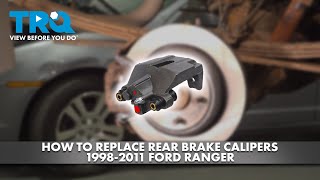
Helpful Videos
Technical Specifications
OEM Part Numbers: BRCF-535 BRCF449 KB3C2B294AA KB3C2B302AA KB3Z2B120A KB3Z2B121A MB3Z-2552-A MB3Z2552F MB3Z2553A MB3Z2553F ML342011 ML3Z-2B120-C ML3Z-2B121-A ML3Z-2B121-C ML3Z2B120A
Varies by vehicle application (front/rear, left/right, standard/Raptor/Police). All rear calipers for these models include an integrated Electronic Parking Brake (EPB) motor.
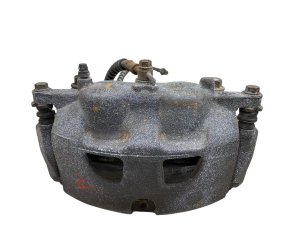
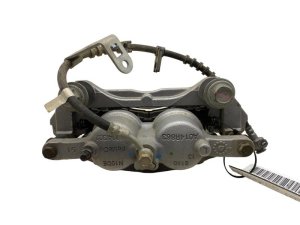
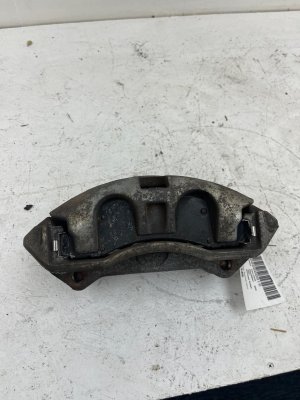
We Have This Part in Stock

The information in this article is provided for general reference and educational purposes only. Vehicle specifications, procedures, and part compatibility can vary by production date, trim level, and region. Always consult your vehicle's factory service manual and verify part numbers before purchasing or performing repairs. Safety-critical components such as airbags, seat belts, and braking systems should be installed by a qualified professional.
- Ford Bronco:
- Ford Expedition:
- Ford F-150:
- Ford Ranger:
- Lincoln Navigator:
- 🎬 Helpful Videos
- 🛍️ Shop This Part
- Symptoms of a Failing Brake Caliper
- Known Issues, TSBs, and Recalls
- 2022-2024 Ford Expedition & Lincoln Navigator: Front Brake Line Recall (NHTSA 25V-314)
- 2021-2023 Ford F-150: Electronic Parking Brake Wiring Recall (NHTSA 23S35)
- 2025 Models (All Vehicles Listed): Electronic Brake Booster Recall (NHTSA 25V488000)
- 2021-2022 Ford F-150: Rear Brake Squeal (TSB SSM 51590)
- Buying a Used Disc Brake Caliper
- Cost Comparison
- Frequently Asked Questions (FAQ)
- 🎟️ Get 5% Off