

2019-2025 Mazda 3 & CX-30 Rear Caliper Guide: EPB Faults and Rotor Size Explained
This guide covers the common failure symptoms, critical compatibility warnings, and replacement procedures for the rear brake calipers on the Mazda3 and Mazda CX-30.
- You MUST verify your rear rotor size before buying. These cars use either 10.4-inch (265mm) or 11.9-inch (303mm) rotors, and the calipers are not interchangeable.
- Replacement requires putting the Electronic Parking Brake (EPB) into a special 'Maintenance Mode' before compressing the piston. Failure to do this will destroy the new caliper.
- A major recall for 2020 models (NHTSA 20V-346) concerned loose FRONT caliper bolts and does not apply to these rear calipers.
- Symptoms of failure include pulling, a spongy pedal, a burning smell from a dragging brake, or an EPB malfunction light on the dash.
Symptoms of a Failing Rear Brake Caliper
A failing rear brake caliper can present several distinct symptoms. Because these calipers include an integrated Electronic Parking Brake (EPB) motor, you may notice issues related to both standard braking and parking brake functions.
- Vehicle Pulling to One Side: If one caliper is seized or not applying pressure correctly, the car may pull towards the opposite side when you brake. If a caliper is stuck and dragging, it may pull to the affected side even when not braking.
- Spongy or Soft Brake Pedal: A leak in the caliper's piston seal or bleeder screw can allow air into the hydraulic system, resulting in a brake pedal that feels soft or requires more travel to engage the brakes.
- Brake Fluid Leaks: Puddles of clear or yellowish, oily fluid near the inside of a rear wheel are a clear sign of a leaking caliper.
- Abnormal Noises: A dragging or seized caliper can cause persistent squealing or grinding sounds even when the brakes are not being applied. You may also hear a clunking sound when the brakes are applied or released.
- Burning Smell: A caliper that is stuck in the applied position will cause constant friction, overheating the brake pad and rotor. This can produce a strong, acrid chemical or burning smell from the affected wheel area.
- Uneven Brake Pad Wear: If one caliper is failing, it will cause the brake pads on that wheel to wear out much faster or more unevenly than the pads on the other side.
- EPB Malfunction Light: A failure of the integrated electric motor can trigger the "Electronic Parking Brake Malfunction" warning light on your dashboard. You may also find the parking brake will not engage or disengage.
Compatibility Warning: The single most important factor when purchasing this part is verifying your vehicle's rear brake rotor size. These models were equipped with two different sizes, and the caliper for one will not fit the other.
- Small Rotors: 10.4-inch (265mm) diameter. Typically found on Front-Wheel Drive (FWD) models and some lower-trim All-Wheel Drive (AWD) models.
- Large Rotors: 11.9-inch (303mm) diameter. Typically found on higher-trim AWD models (e.g., Premium, Turbo).
Always measure your existing rotors or confirm your vehicle's original specifications before ordering a replacement caliper.
Known Issues, TSBs, and Recalls
While there are no major recalls specifically for the rear brake calipers on these vehicles, there are some related issues and important service information to be aware of.
Front Caliper Bolt Recall (NHTSA 20V-346)
A widely known recall (Mazda recall number 4420F) was issued for approximately 24,000 model-year 2020 Mazda3 and CX-30 vehicles. This recall was for front brake caliper mounting bolts that may not have been properly tightened at the factory. This could cause the front caliper to loosen or fall off, leading to reduced braking and potential loss of control. This recall does not apply to the rear calipers, but it is an important safety note for owners of 2020 models.
Electronic Parking Brake (EPB) Dragging
Older Mazda models, such as the CX-5, have had Technical Service Bulletins (TSBs) issued for rear brake dragging caused by faulty EPB calipers that do not fully release. Symptoms included noise and premature wear of the outer brake pad. While a specific TSB for this issue on the 2019+ Mazda3 and CX-30 was not found, the underlying technology is similar. If you experience symptoms of brake drag, a faulty EPB motor within the caliper is a likely cause.
Buying a Used Disc Brake Caliper
A used OEM caliper can be a reliable and cost-effective alternative to an expensive new part, especially since aftermarket options for these newer models can be limited. Here’s what to inspect before you buy:
- Check the Bleeder Screw: Ensure the bleeder screw is not seized, stripped, or broken off. A damaged bleeder screw makes it impossible to properly bleed the brake system, rendering the caliper useless.
- Inspect the Piston Boot: The rubber boot around the caliper piston should be free of rips, tears, or cracks. A damaged boot allows moisture and debris to enter, which will cause the piston to seize over time.
- Look for Leaks: Check for any signs of brake fluid residue around the piston boot or the banjo bolt fitting area. Stains or wetness indicate a seal has failed.
- Examine the EPB Motor: Inspect the plastic housing of the electronic parking brake motor for cracks or damage. Check the electrical connector pins to ensure they are straight and not corroded.
- Verify Part Numbers and Rotor Size: Double-check that the part number and any identifying marks match your original caliper. Most importantly, confirm it is from a vehicle with the same rear rotor size (265mm or 303mm) as yours.
- Mileage and Condition: Opt for a caliper from a lower-mileage vehicle if possible. Avoid parts that are excessively rusty or appear to have been sitting exposed to the elements for a long time.
Replacement Overview & Difficulty
Replacing the rear caliper on a Mazda3 or CX-30 is more complex than a traditional brake job due to the integrated Electronic Parking Brake. Failure to follow the correct procedure will damage the new caliper.
- Difficulty: 3/5 (Moderate)
- Key Challenge: The EPB must be put into 'Maintenance Mode' before you can press the caliper piston back in.
EPB Maintenance Mode Procedure (No Scan Tool Required)
This procedure retracts the EPB motor, allowing the piston to be compressed.
- Turn the ignition ON, but do not start the engine.
- Press and hold the accelerator pedal all the way to the floor.
- Press and hold the EPB switch in the DOWN (release) position.
- While holding both the pedal and the switch, press the engine start/stop button three times in quick succession.
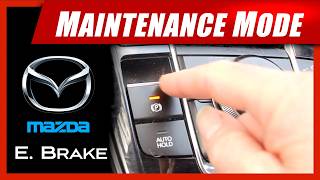
- You will hear the EPB motors in the rear calipers whir for several seconds. The yellow parking brake warning light on the dash will illuminate, indicating the system is in Maintenance Mode. 🎬 Watch: A quick walkthrough of the EPB Maintenance Mode procedure.
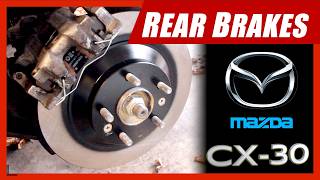
- You can now turn the ignition off and proceed with the mechanical replacement. 🎬 See this step-by-step guide for replacing CX-30 rear brakes.
Pro Tip: Once the caliper is replaced and the brakes are reassembled, you must take the system out of Maintenance Mode. The procedure is the same, but you will PULL UP on the EPB switch instead of pushing it down. After this, pump the brake pedal several times to seat the new pads before driving.
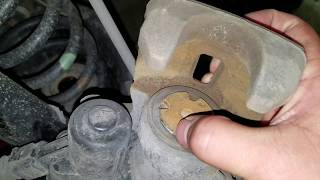
Warning: Do NOT attempt to use a C-clamp or piston compression tool to force the caliper piston back without first putting the system in Maintenance Mode. Doing so will destroy the internal gear mechanism of the EPB motor.
Cost Comparison
| Part Type | Estimated Cost |
|---|---|
| New OEM | $360 - $595 |
| New Aftermarket | $80 - $150 |
| Used OEM | $100 - $200 |
| Remanufactured | $100 - $130 (plus core charge) |
| Shop Labor | $150 - $260 |
Frequently Asked Questions (FAQ)
Can I just replace the electric motor on the caliper?
In most cases, the electric parking brake motor is not sold as a separate component from the caliper assembly by Mazda. If the motor fails, the entire caliper assembly typically needs to be replaced.
Do I need to replace calipers in pairs?
While it is not strictly required, it is often recommended to replace brake calipers in pairs (both rear calipers at the same time). This ensures even braking performance and prevents the older caliper from failing shortly after the new one is installed. If one has failed due to age or corrosion, the other is likely near the end of its service life.
What happens if I don't use Maintenance Mode?
If you try to compress the caliper piston with a tool without first retracting the EPB motor via Maintenance Mode, you will break the internal mechanism that connects the motor to the piston. This will permanently damage the caliper, and it will not function correctly, likely triggering a dashboard warning light.
Is a sticking caliper dangerous?
Yes. A sticking or seized caliper is a serious safety hazard. It can cause the vehicle to pull unexpectedly, lead to overheating of the brake components (increasing the risk of brake failure), and potentially damage the wheel bearing from excessive heat. The issue should be addressed immediately.
Helpful Videos
Technical Specifications
OEM Part Numbers: BCYA2661X BDYS2661X
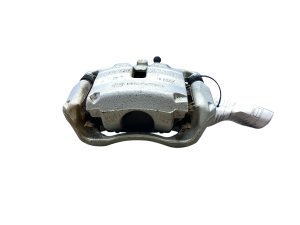
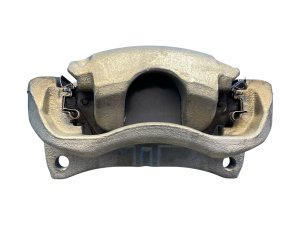
Fits vehicles with either 10.4-inch (265mm) or 11.9-inch (303mm) rear brake rotors. Caliper includes an integrated Electronic Parking Brake (EPB) motor.
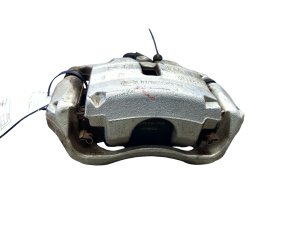
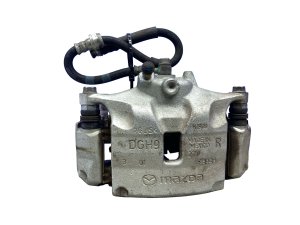
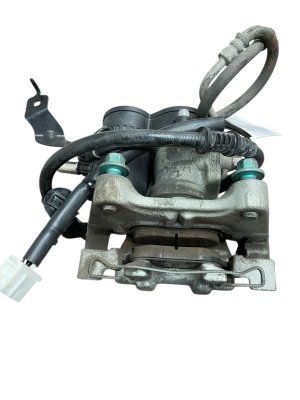
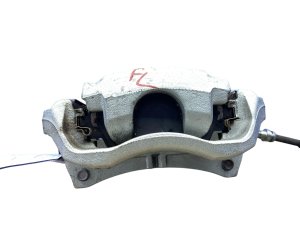
We Have This Part in Stock

The information in this article is provided for general reference and educational purposes only. Vehicle specifications, procedures, and part compatibility can vary by production date, trim level, and region. Always consult your vehicle's factory service manual and verify part numbers before purchasing or performing repairs. Safety-critical components such as airbags, seat belts, and braking systems should be installed by a qualified professional.
- Mazda CX-30:
- Mazda Mazda3:
- Mazda 3:
- 🎬 Helpful Videos
- 🛍️ Shop This Part
- Symptoms of a Failing Rear Brake Caliper
- Known Issues, TSBs, and Recalls
- Front Caliper Bolt Recall (NHTSA 20V-346)
- Electronic Parking Brake (EPB) Dragging
- Buying a Used Disc Brake Caliper
- Replacement Overview & Difficulty
- EPB Maintenance Mode Procedure (No Scan Tool Required)
- Cost Comparison
- Frequently Asked Questions (FAQ)
- 🎟️ Get 5% Off