

Mazda CX-5 Brake Caliper Guide (2013-2025): EPB Service Mode, Dragging Issues, and Replacement
This guide covers the critical differences between early mechanical calipers and later Electronic Parking Brake (EPB) models, including a key TSB for dragging rear brakes.
- 2017+ models have Electronic Parking Brake (EPB) rear calipers that require a specific 'Service Mode' procedure before replacement. Failure to do this will damage the part.
- A TSB (04-001/18) was issued for 2016 CX-5s with dragging rear brakes. When buying a used 2016 rear caliper, ensure its lot number is '697' or higher.
- For 2019+ models, front calipers are different for turbo and non-turbo engines. Verify which you need.
- Symptoms of failure include pulling to one side, a hot wheel with a burning smell, a spongy pedal, and uneven brake pad wear.
Key Vehicle-Specific Warnings

Before purchasing or diagnosing a brake caliper for a 2013-2025 Mazda CX-5, be aware of these critical variations. Choosing the wrong part can lead to installation failure, brake system damage, or unsafe operation.
Compatibility Trap: There are two distinct types of rear brake calipers that are NOT interchangeable:
- 2013–2016 models: Use a conventional rear caliper with a mechanical cable for the parking brake.
- 2017–2025 models: Use a rear caliper with an integrated Electronic Parking Brake (EPB) motor. These have an electrical connector and require a special procedure to place them in 'Service Mode' before replacement.
Engine Type Matters (Front Calipers): For 2019 and newer CX-5 models, the front brake calipers are different between engine types.
- This guide's primary part numbers (e.g., K0Y1-33-99Z) are for models with the naturally aspirated (non-turbo) 2.5L engine only.
- Models equipped with the 2.5L Turbo engine use different front calipers, likely to accommodate larger brake rotors. Verify compatibility before purchase.
FWD vs. AWD: Despite some conflicting information on parts websites, the brake calipers are believed to be the same for both Front-Wheel Drive (FWD) and All-Wheel Drive (AWD) models. The critical distinction is the model year (for the rear EPB) and engine type (for the front on 2019+ models).
Symptoms of a Failing CX-5 Brake Caliper

Caliper failure often happens gradually. Watch for these signs.
1. Vehicle Pulling to One Side
If a caliper piston or its slide pins seize, it can cause the brake on one wheel to be constantly applied (dragging) or not applied at all. This results in the car pulling to the left or right when you brake, or even while driving straight.
2. Brake Dragging, Burning Smell, or Hot Wheel
A stuck caliper will not release the brake pad from the rotor. This constant friction generates extreme heat, which you might notice as a strong burning smell after a drive. The wheel on the affected side will be significantly hotter to the touch than the others. In severe cases, you may see smoke from the wheel well.
3. Spongy or Soft Brake Pedal
If the seal around the caliper's piston fails, it can leak brake fluid. This loss of hydraulic pressure results in a brake pedal that feels soft, spongy, or goes closer to the floor than usual. You may also see drips of clear or yellowish fluid on the inside of the wheel or on the ground.
4. Abnormal Noises
A failing caliper can cause various noises. Squealing or grinding can occur if a stuck caliper causes brake pads to wear down to their metal backing plate. A clunking sound might indicate a loose caliper mounting bolt.
5. Uneven Brake Pad Wear
When inspecting your brakes, if the inner and outer brake pads on the same wheel have drastically different thicknesses, it's a classic sign of a sticking caliper slide pin or a seized piston.
6. Electronic Parking Brake (EPB) Warning Lights (2017+)
For 2017 and newer models, a malfunction in the rear caliper's electric motor can trigger a warning light on the dashboard, such as a flashing parking brake light or a 'Brake System Malfunction' message. This can happen if the motor fails or if a brake job was performed without putting the system into service mode.
Known Issues, Recalls, and Technical Service Bulletins (TSBs)

While there are no formal recalls for the CX-5 brake calipers, Mazda has issued important TSBs addressing known problems.
TSB 04-001/18: Rear Brake Dragging (2016 Models)
This is the most significant issue affecting these calipers.
- Vehicles Affected: 2016 Mazda CX-5 vehicles produced before September 9, 2016 (VINs lower than JM3KE******866136).
- The Problem: The Electronic Parking Brake (EPB) on the rear calipers may not release completely. This causes the rear brakes to drag, leading to noise, a burning smell, and rapid, abnormal wear of the outer brake pad.
- The Fix: Mazda produced modified calipers to resolve the issue. The part numbers were not changed, but the updated calipers can be identified by a 3-digit lot number stamped on the caliper body. Calipers with lot number '697' (representing Sept 7, 2016) or higher are the modified, corrected parts.
Buyer Alert: If purchasing a used rear caliper for a 2016 or early 2017 CX-5, it is absolutely critical to locate this 3-digit lot number to ensure you are not buying an original, potentially faulty part.
TSB 04-007/20: Grinding Noise From Rear Brakes
This TSB addresses a grinding noise from the rear brakes on EPB-equipped models. It's caused by rust buildup on the rotors that the original pads struggle to clean off. The solution is a set of revised brake pads, not a new caliper.
Buying a Used CX-5 Brake Caliper: What to Inspect
A used OEM caliper can be an excellent value, often outlasting cheap aftermarket alternatives. Here’s what to check before you buy.
1. Physical Inspection Checklist
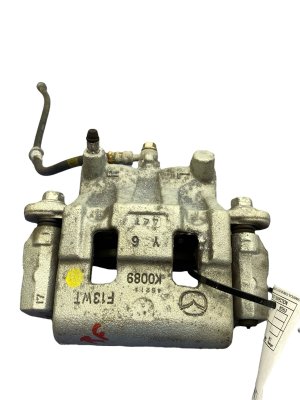
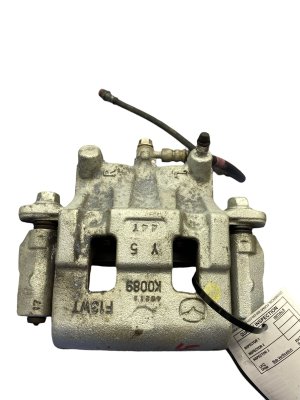
- Piston Boot: The rubber boot around the piston must be intact. If it's torn, cracked, or missing, moisture and dirt have entered the piston bore, likely causing corrosion and seizure. Do not buy a caliper with a damaged boot.
- Bleeder Screw: Ensure the bleeder screw is not snapped off or rounded out. A seized bleeder screw will make it impossible to bleed the brakes properly.
- Slide Pin Boots: Check the two smaller rubber boots for the slide pins. They should be pliable and free of tears. Damaged boots allow the slide pins to seize, causing uneven pad wear.
- Electrical Connector (2017+ Rear): For EPB calipers, carefully inspect the plastic electrical connector and the pins inside. This is a common point of damage during removal from a donor vehicle. A broken connector may require a new pigtail to be spliced in.
- Threads: Check that the threads for the banjo bolt (brake hose) and the mounting bolts are clean and not stripped.
2. Verifying Compatibility
- Front vs. Rear: They are visually distinct and not interchangeable.
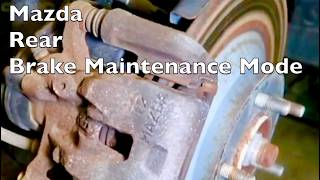
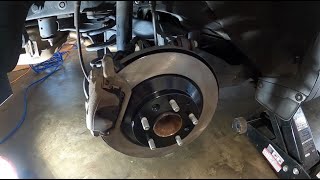
- Rear: Mechanical vs. EPB: The most important check. A 2013-2016 rear caliper will have a mechanical lever and spring for a cable. 🎬 See this 2013-2016 rear brake caliper replacement walkthrough A 2017+ rear caliper will have a black plastic electric motor bolted to the back.
- Front: Turbo vs. Non-Turbo (2019+): If buying a front caliper for a 2019+ model, confirm the engine of the donor vehicle.
- Lot Number (2016 Rear Calipers): If buying a rear EPB caliper for a 2016 model, find the 3-digit lot number stamped on the body and ensure it is 697 or higher to avoid the dragging issue described in TSB 04-001/18.
Replacement Overview & Difficulty

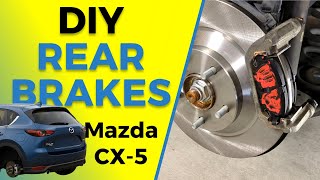
Replacing a brake caliper is a moderately difficult job that requires handling brake fluid and properly bleeding the system. The rear calipers on 2017+ models add an electronic step that is simple but must be followed precisely.
- Difficulty Rating: 3 out of 5 (Front) / 4 out of 5 (Rear EPB models)
- Estimated Time: 1-1.5 hours per caliper.
- DIY Feasible: Yes, for those comfortable with brake system work.
Rear Caliper Replacement (2017-2025 EPB Models): The Service Mode Procedure
You MUST put the Electronic Parking Brake into service mode before attempting to remove the rear calipers. Failure to do so can permanently damage the caliper's internal motor. No scan tool is needed.
- With the vehicle parked, ensure the parking brake is OFF.
- Press the engine start button TWICE without your foot on the brake pedal to enter 'Ignition ON' mode.
- Press and hold the accelerator pedal all the way to the floor.
- While holding the gas pedal, press and hold the EPB switch DOWN (the release position).
- While holding both, press the engine start button THREE times in quick succession.
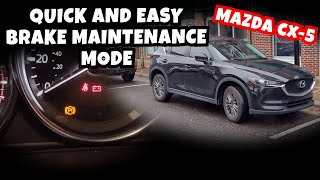
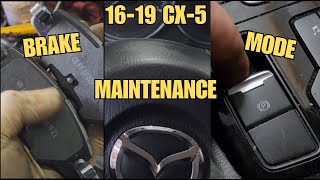
- You will hear the rear brake motors operate for a few seconds, and a yellow 'P!' or maintenance mode indicator will light up on the dash. 🎬 Watch: How to activate EPB service mode without a scan tool You are now in service mode.
- You can now turn the vehicle off and proceed with the mechanical replacement. The caliper piston can be pushed straight back in with a C-clamp or piston tool; do NOT twist it.
To exit service mode after the job is complete, repeat the process but PULL UP on the EPB switch instead of pushing down.
Rear Caliper Replacement (2013-2016 Mechanical Models)
These calipers do not require an electronic procedure. However, the piston must be rotated while being pushed back into the caliper bore. A special brake piston wind-back tool is required to do this without damaging the piston or its boot.
Cost Comparison
Prices can vary by location and supplier, but this provides a general estimate for a single caliper.
| Part Type | Estimated Cost | Notes |
|---|---|---|
| New OEM | $160 - $290 | Purchased from a Mazda dealer or online OEM supplier. |
| New Aftermarket | $60 - $120 | From brands like Cardone, Power Stop, etc. Quality can vary. |
| Remanufactured | $50 - $90 + Core Charge | A common, cost-effective option from auto parts stores. |
| Used OEM | $40 - $100 | Sourced from a recycled vehicle. Offers OEM quality at a low price. |
| Shop Labor | $150 - $250 | Cost for a professional mechanic to install one caliper, including bleeding the system. |
Frequently Asked Questions (FAQ)
Do I need a special scan tool to replace the rear calipers on my 2017+ CX-5?
No. Mazda designed a procedure using the accelerator pedal and EPB switch to enter and exit service mode, so no proprietary scan tool is required.
Can I just replace one brake caliper?
Yes. Unlike brake pads and rotors, calipers do not need to be replaced in pairs. You only need to replace the one that has failed. However, it's good practice to inspect the opposing caliper for similar signs of wear or corrosion.
What happens if I forget to put the EPB in service mode?
If you try to force the piston back on an EPB caliper without using service mode, you will likely damage the internal electric motor and gearbox, ruining the caliper. Some owners have also reported that engaging the EPB switch with the caliper removed can cause the piston to pop out completely.
Can I repair the broken electrical connector on a used EPB caliper?
Often, yes. If the plastic connector housing is broken, you can typically purchase a new connector pigtail (a short piece of wire with a new connector on the end) and splice it into your vehicle's wiring harness. This is a common repair for experienced DIYers and technicians.
Helpful Videos
Technical Specifications
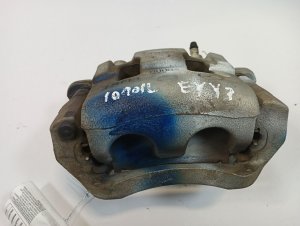
OEM Part Numbers: K011-33-71X K0113361X K0Y1-33-99Z K0Y13398Z K0Y13399Z KAY0-26-61X KAY0-26-61XA KAY0-26-71X KAY02661XA KAY02671XA
Rear calipers on 2017-2025 models feature an integrated Electronic Parking Brake (EPB) motor. Rear calipers on 2013-2016 models use a mechanical parking brake mechanism.
We Have This Part in Stock

The information in this article is provided for general reference and educational purposes only. Vehicle specifications, procedures, and part compatibility can vary by production date, trim level, and region. Always consult your vehicle's factory service manual and verify part numbers before purchasing or performing repairs. Safety-critical components such as airbags, seat belts, and braking systems should be installed by a qualified professional.
- Mazda CX-5:
- 🎬 Helpful Videos
- 🛍️ Shop This Part
- Key Vehicle-Specific Warnings
- Symptoms of a Failing CX-5 Brake Caliper
- 1. Vehicle Pulling to One Side
- 2. Brake Dragging, Burning Smell, or Hot Wheel
- 3. Spongy or Soft Brake Pedal
- 4. Abnormal Noises
- 5. Uneven Brake Pad Wear
- 6. Electronic Parking Brake (EPB) Warning Lights (2017+)
- Known Issues, Recalls, and Technical Service Bulletins (TSBs)
- TSB 04-001/18: Rear Brake Dragging (2016 Models)
- TSB 04-007/20: Grinding Noise From Rear Brakes
- Buying a Used CX-5 Brake Caliper: What to Inspect
- 1. Physical Inspection Checklist
- 2. Verifying Compatibility
- Replacement Overview & Difficulty
- Rear Caliper Replacement (2017-2025 EPB Models): The Service Mode Procedure
- Rear Caliper Replacement (2013-2016 Mechanical Models)
- Cost Comparison
- Frequently Asked Questions (FAQ)
- 🎟️ Get 5% Off