

2017-2026 Tesla Model 3 & Y Brake Caliper Guide: Seizing, Recalls, and Replacement
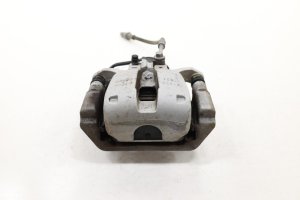
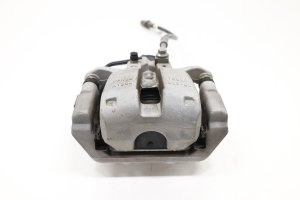
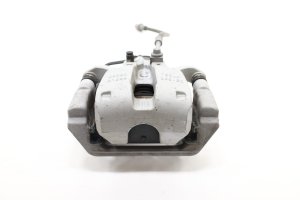
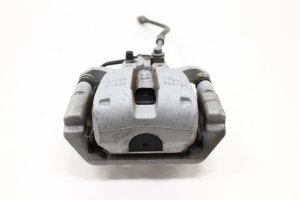
This guide covers the common issues, recalls, and replacement procedures for the standard gray brake calipers on the Tesla Model 3 and Model Y.
- These standard gray calipers will NOT fit Model 3 or Model Y Performance models, which use larger, red Brembo brakes.
- A recall (NHTSA 21V-387) was issued for loose caliper bolts on 2019-2021 Model 3 and 2020-2021 Model Y vehicles that could cause the caliper to detach.
- When replacing rear calipers, you MUST use the touchscreen's "Brake Service Mode" to retract the electronic parking brake before compressing the piston, or you will destroy the caliper.
- Due to infrequent use from regenerative braking, calipers are prone to seizing from corrosion, especially in winter climates. Annual cleaning and lubrication are recommended.
Critical Compatibility Check: Standard vs. Performance Brakes
Before purchasing a replacement caliper for your Tesla Model 3 or Tesla Model Y, it is crucial to identify which brake system your vehicle has. These vehicles were offered with two different factory brake systems.
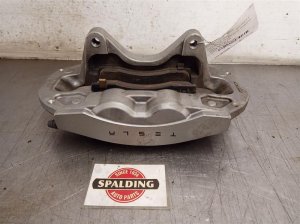
- Standard Brakes: Most Model 3 and Model Y vehicles (Standard Range, Long Range) are equipped with standard gray-painted or silver-painted brake calipers. The part numbers listed in this guide fit these standard, non-Performance models.
- Performance Brakes: Performance trim levels come with a factory-upgraded Brembo brake system. These calipers are larger, painted red, and are not interchangeable with the standard gray calipers.
Warning: These standard gray calipers will NOT fit Model 3 or Model Y Performance models. Performance trims use larger, red-painted Brembo brake calipers that require different mounting points and are not compatible. Always verify which brake system your vehicle has before ordering.
The 'Stealth' Performance Exception
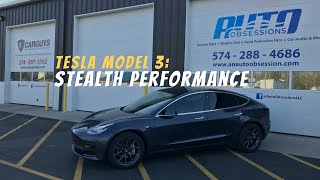
In 2018 and 2019, Tesla produced a limited number of Model 3 Performance sedans without the full Performance Upgrade Package (PUP). Often called "Stealth" or "Sleeper" models by the community, these cars have the powerful Performance motors but are equipped with the standard, smaller gray brake calipers. If you own a 2018-2019 Performance model, visually inspect your calipers. If they are gray, this guide applies to your vehicle.
🎬 Watch: Learn more about the unique Stealth Performance modelsKnown Issues, Recalls, and Service Bulletins
NHTSA Recall 21V-387: Loose Brake Caliper Bolts
In May 2021, Tesla issued a recall for approximately 5,974 vehicles, including certain 2019-2021 Model 3 and 2020-2021 Model Y cars, due to improperly torqued brake caliper bolts. The NHTSA recall notice states that the bolts could loosen over time, potentially allowing the caliper to separate from the steering knuckle and contact the inside of the wheel rim. This could cause an abnormal noise, and in rare cases, lead to a loss of tire pressure, increasing the risk of a crash. Tesla Service Centers were instructed to inspect the caliper bolts and tighten them to the correct specification free of charge.
Common Issue: Seized Caliper Pins and Pistons
Due to infrequent use from regenerative braking and exposure to road salt and moisture in winter climates, the caliper slide pins and pistons are prone to corrosion and seizing. When a caliper seizes, it can fail to apply or, more dangerously, fail to release the brake pads. This leads to symptoms like a dragging sensation, a hot wheel, a burning smell, and rapid, uneven brake pad wear. Tesla recommends cleaning and lubricating caliper slide pins annually or every 20,000 km (about 12,500 miles) for vehicles operated in areas that use road salt.
Service Bulletin for Brake Squeal (Specific Model Ys)
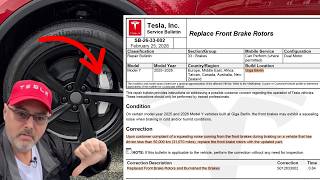
Tesla issued Service Bulletin SB-26-33-002 for certain 2025-2026 Model Y vehicles built at the Giga Berlin factory that may exhibit a squealing noise from the front brakes in cold or humid conditions. The fix involves replacing the front brake rotors with an updated part. While this issue is related to the rotors and not the calipers themselves, it's a known brake system problem for this platform. This bulletin does not apply to most North American vehicles unless they were sourced from this specific factory.
🎬 See: How Tesla addresses the Model Y brake squealSymptoms of a Failing Brake Caliper
A faulty brake caliper can present several distinct symptoms. Because these issues compromise your ability to stop safely, they should be addressed immediately.
- Vehicle Pulling to One Side: When braking, the car may pull to the left or right. This is caused by an imbalance in braking force, often from a seized caliper on one side.
- Abnormal Noises: A high-pitched squeal or a metal-on-metal grinding sound can occur if a stuck caliper forces the brake pad to maintain constant contact with the rotor.
- Brake Fluid Leaks: You may notice a puddle of clear or yellowish fluid near the wheel or on the inner side of the tire. Leaks can occur from a deteriorating piston seal or a loose bleeder screw.
- Spongy or Soft Brake Pedal: A fluid leak or a seized caliper can create excess travel in the system, making the brake pedal feel soft and reducing braking confidence.
- Burning Smell or Excessive Heat: A caliper that fails to release will cause constant friction, generating a noticeable burning smell and excessive heat from the affected wheel. You can often feel the heat radiating from the wheel after a drive.
- Uneven Brake Pad Wear: A sticking caliper will cause the brake pads on one wheel to wear down much faster than the others.
Buying a Used OEM Disc Brake Caliper: What to Inspect
A used OEM caliper can be a reliable and cost-effective alternative to a new part, but a thorough inspection is key. Here’s what to check before you buy:
- Check for Cracks and Corrosion: Visually inspect the caliper body for any cracks, especially around the mounting holes and banjo bolt connection. Avoid calipers with heavy, flaking rust that could compromise their structural integrity.
- Inspect the Piston Dust Boot: The rubber boot around the piston is critical. Ensure it is not torn, cracked, or brittle. A damaged boot allows moisture and debris to enter, which is the primary cause of a seized piston.
- Verify the Bleeder Screw: Check that the bleeder screw is not broken off, stripped, or seized. A damaged bleeder screw will make it impossible to properly bleed the brake system after installation.
- Test the Guide Pin Slides: If the caliper comes with its mounting bracket, ensure the caliper can slide freely on its guide pins. Seized guide pins are a very common failure point and will cause uneven pad wear.
- Examine the Electronic Parking Brake (EPB) Motor: On rear calipers, inspect the plastic housing of the EPB motor for cracks and check the electrical connector for bent or corroded pins. Since the motor's internal condition is unknown, purchasing from a recycler with a warranty is highly recommended.
- Match Part Numbers: Whenever possible, match the part number stamped on your old caliper to the replacement part to ensure perfect compatibility.
Replacement Overview
Pro Tip: For rear caliper replacement, you MUST use the vehicle's touchscreen to enter "Brake Service Mode" BEFORE attempting to compress the piston. Failing to do so will destroy the internal electronic parking brake mechanism.
Replacing a brake caliper is a moderately difficult job. The process involves disconnecting the hydraulic brake line, unbolting the caliper from the steering knuckle, and then bleeding the brake system to remove air. The most critical, vehicle-specific step for the Model 3 and Model Y is managing the electronic parking brake (EPB) on the rear calipers.
How to Enter Brake Service Mode:
- On the vehicle's main touchscreen, navigate to Controls > Software.
- Press and hold the word "MODEL" on the screen for about 5 seconds until an access code prompt appears.
- Enter the code service (all lowercase) and press OK.
- A red border will appear around the screen, indicating you are in Service Mode. Navigate to the Brakes menu.
- Select EPB Service Mode. Choose the appropriate wheel (or both) and follow the on-screen prompts to retract the parking brake motor.
- Once the caliper is replaced, you will use the same menu to re-engage the motor before exiting Service Mode.
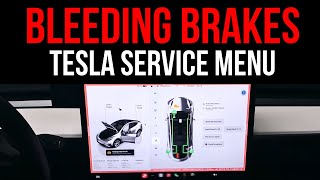
After installation, the brake system must be thoroughly bled to remove all air from the lines. Tesla's service menu includes a routine to cycle the ABS pump, which helps ensure a complete bleed.
🎬 Watch: Step-by-step guide to bleeding brakes in Service ModeCost Comparison
| Part Type | Estimated Cost |
|---|---|
| New OEM (from Tesla) | $250 - $400 per caliper |
| New Aftermarket | $150 - $250 per caliper |
| Remanufactured | $100 - $180 per caliper (plus core charge) |
| Used OEM | $75 - $200 per caliper |
| Shop Labor | $150 - $300 per caliper |
OEM Part Numbers
This is a partial list of known OEM part numbers for the standard gray calipers. The last letter of the part number is a revision code and may change over time. Always verify fitment by vehicle model and production date.
- Rear Left (Driver Side): 1044623-00-E, 1044623-00-F, 1044623-00-G, 1044623-00-H, 1044623-00-I, 1044623-00-J
- Rear Right (Passenger Side): 1044624-00-F, 1044624-00-G, 1044624-00-H, 1044624-00-I
- Front Left (Driver Side): 1044621-00-E
- Front Right (Passenger Side): 1044622-00-D, 1044622-00-E, 1044622-00-F
Frequently Asked Questions (FAQ)
Do I need to replace my brake calipers in pairs?
While it's not strictly required, it is often recommended, especially on higher-mileage vehicles. If one caliper has failed due to age or corrosion, the other on the same axle is likely in similar condition. Replacing them in pairs ensures even braking performance.
What happens if I don't use Brake Service Mode to replace a rear caliper?
If you try to manually compress the rear caliper piston using a C-clamp or piston tool without first retracting the electronic parking brake motor via the touchscreen, you will cause permanent damage to the internal gearbox and motor assembly. The caliper will be destroyed and will need to be replaced.
Can I just paint my gray calipers red to look like the Performance version?
Yes, many owners paint their standard calipers using high-temperature caliper paint kits. However, this is a purely cosmetic change. It will not improve braking performance or make them equivalent to the larger, more powerful Brembo brakes on true Performance models.
My brakes make a loud "clunk" or "crunch" the first time I drive after it rains. Is my caliper bad?
This is a common characteristic of many vehicles, including Teslas. A thin layer of rust can form on the iron brake rotors overnight in humid or wet conditions. The noise you hear is the brake pads shearing off that surface rust the first time they are applied. It is generally not a sign of a failing caliper unless it is accompanied by other symptoms like pulling or dragging.
Helpful Videos
Technical Specifications
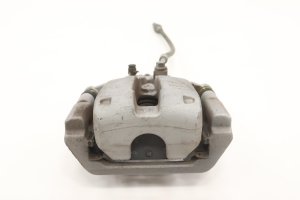
OEM Part Numbers: 1044621-00-E 1044622-00-D 1044622-00-E 1044622-00-F 1044623-00-F 1044623-00-G 1044623-00-H 1044623-00-I 1044623-00-J 104462300J 1044624-00-F 1044624-00-G 1044624-00-H 1044624-00-I
Fits non-Performance models with standard gray/silver calipers. Rear calipers include an integrated Electronic Parking Brake (EPB) motor. Front calipers are a 4-piston fixed design.
We Have This Part in Stock

The information in this article is provided for general reference and educational purposes only. Vehicle specifications, procedures, and part compatibility can vary by production date, trim level, and region. Always consult your vehicle's factory service manual and verify part numbers before purchasing or performing repairs. Safety-critical components such as airbags, seat belts, and braking systems should be installed by a qualified professional.
- Tesla 3:
- TESLA Y:
- 🎬 Helpful Videos
- 🛍️ Shop This Part
- Critical Compatibility Check: Standard vs. Performance Brakes
- The 'Stealth' Performance Exception
- Known Issues, Recalls, and Service Bulletins
- NHTSA Recall 21V-387: Loose Brake Caliper Bolts
- Common Issue: Seized Caliper Pins and Pistons
- Service Bulletin for Brake Squeal (Specific Model Ys)
- Symptoms of a Failing Brake Caliper
- Buying a Used OEM Disc Brake Caliper: What to Inspect
- Replacement Overview
- How to Enter Brake Service Mode:
- Cost Comparison
- OEM Part Numbers
- Frequently Asked Questions (FAQ)
- 🎟️ Get 5% Off