

2020-2024 Tesla Model Y Door Glass: Decoding Single-Pane vs. Dual-Pane Acoustic
This guide explains the critical differences between early single-pane and later dual-pane acoustic glass, helping you choose the correct used part and solve common issues like wind noise.
- The most critical factor is identifying your glass type: early models (2020-2021) may have single-pane front glass, while later models have thicker, dual-pane acoustic glass. You must buy the correct type.
- You can identify the glass by looking at its top edge when partially rolled down; dual-pane glass is visibly thicker with a lamination line.
- Spontaneous shattering without impact is a known complaint with tempered glass on the Model Y and other vehicles.
- After any replacement, the window MUST be calibrated using a simple procedure to ensure it seals correctly and to prevent wind noise.
Single-Pane vs. Dual-Pane Acoustic Glass: The Critical Difference

The single most important factor when replacing a 2020-2024 Tesla Model Y front door window is identifying the correct glass type. Tesla made a mid-production change to improve cabin acoustics, creating a major compatibility trap for buyers.
Glass Types Explained
- Single-Pane Tempered Glass: Found on most early 2020 and some 2021 Model Y vehicles. This is a standard type of automotive side glass that is heat-treated for strength. When it breaks, it shatters into many small, cube-like pieces.
- Dual-Pane Laminated (Acoustic) Glass: Introduced in late 2020 (reportedly around VINs 62XXX) and used on subsequent models, this glass consists of two panes with a thin layer of acoustic vinyl sandwiched between them. This construction is designed to significantly reduce wind and road noise for a quieter cabin. When it breaks, the pieces tend to stick to the inner laminate, much like a windshield.
Pro Tip: While front windows were updated across the board, the use of dual-pane acoustic glass on rear doors is inconsistent. North American-built models often have single-pane rear glass, while some models built in China for other markets may have dual-pane rears. Always verify the specific glass you are replacing.
How to Identify Your Glass Type
You can easily determine which glass your Model Y has without any tools:
- Roll the window down about halfway.
- Look directly down at the top edge of the glass.
- Single-pane glass will appear as a single, solid piece.
- Dual-pane laminated glass will be visibly thicker and you will see a distinct line or seam from the lamination layer between the two panes of glass.
Common Symptoms and Known Issues

Spontaneous Shattering
A number of Model Y owners have reported side windows shattering unexpectedly, sometimes with a loud explosive sound while driving or parked. This phenomenon can occur with any tempered glass due to microscopic flaws called nickel sulfide inclusions, which can expand over time and cause the glass to fail. While this can happen to any vehicle, forum discussions suggest it is a notable complaint among Tesla owners. If this occurs, service centers may classify it as damage from an external impact, which may not be covered under warranty.
Excessive Wind Noise
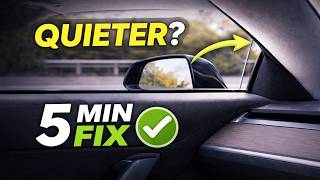
Complaints of excessive wind noise are common, particularly from the top or side edge of the front windows. This was more prevalent on earlier models with single-pane glass. However, noise can still be an issue on vehicles with dual-pane glass if the window is not sealing correctly against the door frame. In many cases, performing a window calibration 🎬 Watch: How to fix wind noise for free in minutes can resolve sealing issues and reduce noise.
Cracks, Chips, and Impact Damage
Like any auto glass, the Model Y's door windows are susceptible to damage from road debris or impacts. Tempered single-pane glass will typically shatter completely, while laminated dual-pane glass may crack but remain largely intact. Any damage that obstructs the driver's view or compromises the window's seal requires replacement.
Warning: There are no specific recalls or widespread Technical Service Bulletins (TSBs) for Model Y door glass. However, the change from single-pane to dual-pane glass was a direct engineering response to noise complaints.
Buyer's Guide: What to Check Before Purchasing Used Model Y Door Glass

Buying a used OEM door glass is an excellent way to save money, but careful inspection is key to getting a quality part.
Step 1: Positively Identify Your Required Glass Type
Before you buy, re-confirm whether you need single-pane or dual-pane laminated glass using the visual inspection method described above. Installing the wrong type will result in improper fit, sealing issues, and potentially unbalanced cabin noise.
Step 2: Physical Inspection of the Used Glass
- Scratches and Pitting: Hold the glass up to a light source and inspect it from multiple angles. Look for deep scratches that can't be felt with a fingernail, as well as clusters of small pits from road debris.
- Edge Integrity: Carefully check the edges for any chips or fractures. Damage to the edge of tempered glass makes it much more likely to shatter from stress during installation or use.
- Lamination Check (for Dual-Pane): For laminated glass, inspect the perimeter for any signs of delamination, where the layers are starting to separate. This can look like a milky or hazy area along the edge.
- Mounting Points: The bottom of the glass has areas where the window regulator clamps attach. Ensure this area is clean and free of any damage or leftover adhesive from the previous vehicle.
Step 3: Verify Part Numbers (If Possible)
If the seller can provide an OEM part number, try to match it to your needs. While not a complete list, here are some known part numbers:
- Front Left (Driver) Laminated: 1582616-00-B
- Rear Left (Driver): 1495506-00-B
Part numbers can change, so visual verification remains the most reliable method.
Replacement Information
Installation Difficulty: 3/5
Replacing the door glass is moderately difficult and feasible for a patient DIYer. The main challenges are carefully removing the interior door trim panel without breaking any clips and maneuvering the glass within the tight confines of the door shell. The glass itself is typically held to the window regulator by two 10mm bolts.
Window Calibration is Required
After installing new glass or disconnecting the battery, the window(s) must be calibrated. This procedure teaches the controller the fully open and fully closed positions, ensuring a proper seal and correct operation of the auto up/down and door-opening drop features. Manual Calibration Procedure:
- Sit in the driver's seat and close all doors.
- Using the switch for the affected window, raise it until it stops.
- Using the same switch, lower the window until it stops.
- Raise the window again until it stops.
The window is now calibrated. This can also be done through the vehicle's touchscreen in Service Mode.
Cost Comparison
| Part Type | Estimated Cost | Notes |
|---|---|---|
| New OEM | $350 - $500+ | Purchased from Tesla. Guarantees correct material and fit. |
| New Aftermarket | $150 - $300 | Quality can vary. Ensure it is the correct type (laminated vs. tempered). |
| Used OEM | $100 - $250 | Cost-effective option providing original quality and fit. |
| Shop Labor | $150 - $250 | Typically 1-1.5 hours of labor. Total installed cost from a shop often falls in the $250-$500 range. |
Frequently Asked Questions (FAQ)
Can I upgrade my single-pane glass to dual-pane acoustic glass?
Yes, this is a possible upgrade. However, for the best acoustic balance, it is recommended to replace both the driver and passenger front door windows at the same time. The physical dimensions are the same, making it a direct swap.
Why does my window make a noise or not seal after replacement?
This is almost always due to the window calibration not being performed or being done incorrectly. Re-run the calibration procedure to reset the window's travel limits. If noise persists, check the alignment of the glass in the regulator clamps.
Is a spontaneously shattered window covered by warranty?
Coverage can be difficult. While spontaneous breakage can be caused by a manufacturing defect, Tesla service centers often attribute the failure to an undetectable external impact (like a small rock), classifying it as road hazard damage not covered by the vehicle warranty. It may be covered under the comprehensive portion of your auto insurance policy.
Why does my window lower slightly when I open the door?
This is a normal and intentional feature of all frameless door designs. It is called a "short drop" and allows the glass to clear the weather seals without damage. The window automatically raises back into the seal when the door is closed.
Helpful Videos
Technical Specifications
OEM Part Numbers: 1582616-00-B 1495506-00-B
Available as single-pane tempered glass or dual-pane laminated acoustic glass.

The information in this article is provided for general reference and educational purposes only. Vehicle specifications, procedures, and part compatibility can vary by production date, trim level, and region. Always consult your vehicle's factory service manual and verify part numbers before purchasing or performing repairs. Safety-critical components such as airbags, seat belts, and braking systems should be installed by a qualified professional.
- Tesla Model Y:
- 🎬 Helpful Videos
- Single-Pane vs. Dual-Pane Acoustic Glass: The Critical Difference
- Glass Types Explained
- How to Identify Your Glass Type
- Common Symptoms and Known Issues
- Spontaneous Shattering
- Excessive Wind Noise
- Cracks, Chips, and Impact Damage
- Buyer's Guide: What to Check Before Purchasing Used Model Y Door Glass
- Step 1: Positively Identify Your Required Glass Type
- Step 2: Physical Inspection of the Used Glass
- Step 3: Verify Part Numbers (If Possible)
- Replacement Information
- Installation Difficulty: 3/5
- Window Calibration is Required
- Cost Comparison
- Frequently Asked Questions (FAQ)
- 🎟️ Get 5% Off