

2011-2016 Hyundai Elantra Door Latch and Lock Actuator Failure: Diagnosis and Replacement Guide
This guide covers the common reasons your 2011-2016 Elantra door won't lock, unlock, or open, and how to choose the right replacement part.
- The most common failure symptom is a door that won't respond to the power lock button, often accompanied by a buzzing or grinding noise from inside the door.
- It is critical to buy the correct part number for the specific door (Front/Rear, Left/Right) as they are not interchangeable.
- A major safety recall exists for the TRUNK latch on 2015-2016 models, which should be addressed by a dealer, but there is no recall for the door latches.
- Replacement is a moderately difficult DIY job (3/5) that requires removing the interior door panel and working in tight spaces.
Symptoms of a Failing Door Latch Assembly

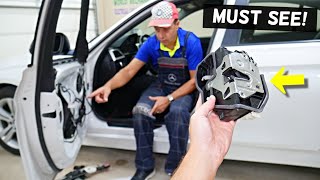
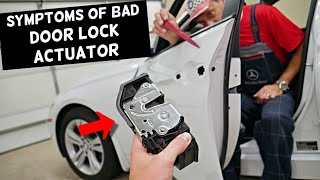
When the door latch assembly begins to fail on a 2011-2016 Elantra, it can show a variety of symptoms ranging from a minor annoyance to a significant safety concern. 🎬 Watch: Common symptoms of a bad door lock actuator. Because the latch and the electronic actuator are a single unit, one part failing can cause several issues.
- Power Locks Don't Work: The most common symptom is when a door stops responding to the key fob or the central locking button inside the car. It might happen intermittently at first and get progressively worse. Often, you can still lock and unlock the door manually with the key or the inside lever.
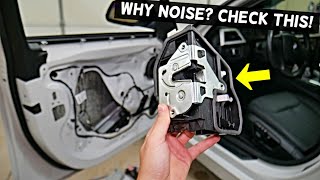
- Strange Noises From Inside the Door: You may hear a buzzing, grinding, or clicking sound when you press the lock or unlock button. This is the sound of the small electric motor inside the actuator struggling to work because its internal gears are worn or broken.
- Door Won't Open From Inside or Outside: In more severe cases, the mechanical part of the latch can jam or a connecting cable can break. This can leave you in a situation where the door is stuck shut and cannot be opened by either the interior or exterior handle.
- "Door Ajar" Light Stays On: The sensor that detects if the door is properly closed is integrated into the latch assembly. If this sensor fails, your car's dashboard may constantly show a "door ajar" warning light, and the interior dome light may stay on.
- Alarm Randomly Goes Off: If the latch sensor is faulty, the car's security system may think a door has been opened, causing the alarm to trigger unexpectedly.
Compatibility Warning: These door latch assemblies are for 4-door Sedan models only. They will not fit the 2-door Coupe models, which use a different part. Always verify your vehicle's body style before purchasing.
Known Issues, Recalls, and Technical Service Bulletins (TSBs)

While there are no open safety recalls specifically for the door latches on the 2011-2016 Hyundai Elantra, there are related issues worth noting.
Important Safety Recall: Trunk Latch (2015-2016 Elantra)
There is a significant safety recall (NHTSA Campaign Number: 24V146000, Hyundai Recall 256) for the trunk latch on 2015-2016 Elantra models. The trunk latch can fail, preventing the trunk from being opened from the inside with the emergency release. This poses a serious entrapment risk. If you own a 2015 or 2016 model, you should contact a Hyundai dealer to have this recall service performed free of charge.
Related TSB for Later Models
Hyundai issued TSB 21-BD-006H for 2017 and newer Elantra models with similar door latch problems, extending the warranty on the part to 10 years. While this TSB does not officially cover the 2011-2016 generation, it shows that door latch failures are a known problem on the Elantra platform.
Buying a Used 2011-2016 Elantra Door Latch Assembly

A used OEM latch is often a reliable and cost-effective alternative to expensive new dealer parts or lower-quality aftermarket options. Here’s what to look for when buying a recycled part.
- Verify the Exact Part Number: This is the most critical step. Each of the four doors uses a unique latch assembly. They are not interchangeable. Use the part number from your old latch or the list below to find the correct one.
- Physical Inspection: Check the plastic housing for any cracks or signs of stress, especially around the mounting points. Inspect the electrical connector pins to ensure they are straight and free of corrosion. Make sure the small levers and connection points for the door handle cables are intact.
- Ask About Mileage: The actuator motor and internal gears have a limited lifespan. A part from a lower-mileage vehicle is always preferable and likely to last longer.
- Why Used OEM is a Good Choice: Original Equipment Manufacturer (OEM) parts are built to the automaker's exact specifications for fit, material quality, and electrical function. Many aftermarket latches, especially the cheapest ones, use inferior plastics and motors that can fail prematurely or cause fitment issues during installation. A good-condition used OEM part often provides better long-term value than a new, non-OEM part.
Pro Tip: Before installing the replacement latch, it's a good idea to apply a small amount of white lithium grease or a similar lubricant to the moving mechanical parts of the latch to ensure smooth operation.
Cost of Replacement
The cost to fix a failing door latch can vary significantly based on the route you take. Here is a general cost breakdown:
| Part Type | Estimated Cost |
|---|---|
| New OEM (Dealer) | $180 - $200 |
| New Aftermarket | $30 - $80 |
| Used OEM (Recycled) | $50 - $75 |
| Shop Labor Cost | $140 - $250 |
Replacement Overview & Difficulty
Replacing the door latch assembly is a moderately difficult job that a patient DIYer can accomplish with basic tools.
- Difficulty Rating: 3 out of 5
- Estimated Time: 1.5 - 2.5 hours
- Tools Needed: Phillips screwdriver, flathead screwdriver, trim removal tools, socket set (8mm, 10mm), T30 Torx bit.
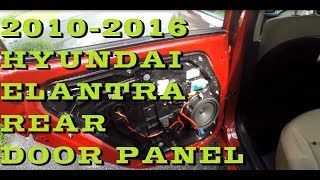
The basic process involves removing the interior door panel by finding and removing a few screws (often hidden behind small covers) and then carefully prying the panel off to release its plastic clips. 🎬 See this walkthrough on removing the front door panel. Once the panel is off, you'll need to peel back the plastic weather barrier, disconnect the electrical connector to the latch, and unclip the metal rods or cables that connect to the interior and exterior handles. The latch itself is then unbolted from the side of the door. Access can be tight, and sometimes requires maneuvering the window regulator out of the way.
🎬 Watch: Step-by-step guide to replacing the door latch assembly.Technical Specifications and Part Numbers
It is essential to order the correct part for the specific door you are repairing.
| Door Location | OEM Part Number |
|---|---|
| Front Left (Driver) | 81310-3X030 |
| Front Right (Passenger) | 81320-3X010, 81320-3X030 |
| Rear Left (Driver Side) | 81410-3X010 |
| Rear Right (Passenger Side) | 81420-3X020 |
Note: Part number 81320-3X030 is a later revision of 81320-3X010. They are generally interchangeable.
Frequently Asked Questions (FAQ)
Can I replace just the small electric motor instead of the whole assembly?
While it is sometimes possible to find and replace only the small motor inside the actuator, it is not recommended. The process is very intricate, and failure is often caused by worn plastic gears, not just the motor. Replacing the entire assembly is far more reliable and often easier.
My door won't open at all. How can I get the door panel off?
This is a difficult situation. It often requires carefully prying the door panel away from the frame as much as possible with the door closed to gain access to the latch mechanism or connecting rods. In some cases, it may require damaging the interior door panel to get it off. It's a challenging job that may be best left to a professional technician.
Why does my rear door not open from the inside?
Before assuming the latch is broken, check the child safety lock. This is a small switch located on the edge of the rear door that is only visible when the door is open. If this switch is engaged, the door can only be opened from the outside.
Is there a difference between latches for cars with a smart key (push-button start) and a regular key?
For the 2011-2016 Elantra, the door latch assemblies themselves are the same regardless of the key system. The smart key functionality is primarily handled by the exterior door handle, which has the sensor and button. The latch assembly simply receives the same lock/unlock command.
Helpful Videos

Technical Specifications
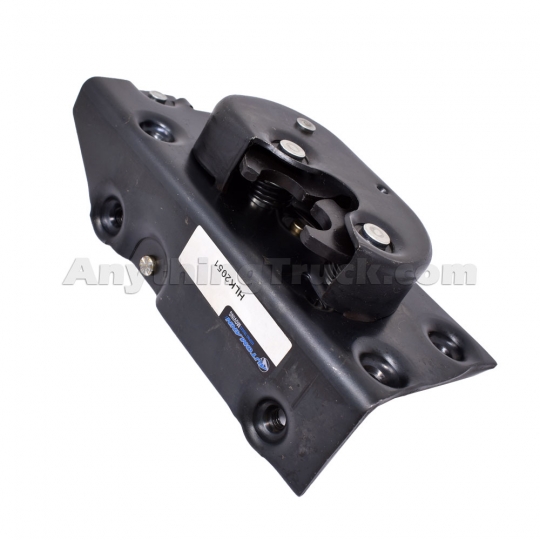
OEM Part Numbers: 81310-3X030 81320-3X010 81320-3X030 81410-3X010 81420-3X020
Fits 2011-2016 Hyundai Elantra 4-door Sedan models. Not compatible with 2-door Coupe models.
We Have This Part in Stock

The information in this article is provided for general reference and educational purposes only. Vehicle specifications, procedures, and part compatibility can vary by production date, trim level, and region. Always consult your vehicle's factory service manual and verify part numbers before purchasing or performing repairs. Safety-critical components such as airbags, seat belts, and braking systems should be installed by a qualified professional.
- Hyundai Elantra:
- 🎬 Helpful Videos
- 🛍️ Shop This Part
- Symptoms of a Failing Door Latch Assembly
- Known Issues, Recalls, and Technical Service Bulletins (TSBs)
- Important Safety Recall: Trunk Latch (2015-2016 Elantra)
- Related TSB for Later Models
- Buying a Used 2011-2016 Elantra Door Latch Assembly
- Cost of Replacement
- Replacement Overview & Difficulty
- Technical Specifications and Part Numbers
- Frequently Asked Questions (FAQ)
- 🎟️ Get 5% Off