

2010-2012 Hyundai Santa Fe Door Lock Actuator and Cylinder Guide
Diagnose and understand the common failures of the door lock actuators and learn what to look for when buying a used replacement for your 2010-2012 Hyundai Santa Fe.
- The most common failure is a single door not locking/unlocking electronically, often accompanied by a buzzing noise.
- A bad actuator can cause all other door locks to behave erratically, such as locking and unlocking repeatedly.
- Each door (Front Left, Front Right, Rear Left, Rear Right) uses a unique, non-interchangeable part number that must be matched for a successful repair.
- Replacement is a DIY-friendly job for those comfortable with removing an interior door panel, but it can be time-consuming.
Symptoms of a Failing Door Lock Actuator


When a door lock actuator in a 2010-2012 Hyundai Santa Fe begins to fail, the symptoms can range from minor annoyances to significant security concerns. Because the actuators are all connected electronically, a single failing unit can sometimes cause strange behavior in the other doors.
- Inconsistent or No Response: The most common symptom is a door that fails to lock or unlock with the remote or the interior power lock switch. This might happen intermittently at first and become more frequent over time. 🎬 Watch: Why your Hyundai door fails to lock or unlock Often, only one door will be affected initially.
- Strange Noises: You may hear a buzzing, grinding, or clicking sound from inside the door when you attempt to lock or unlock it. This is the sound of the small electric motor inside the actuator struggling to work.
- Erratic Locking/Unlocking: A faulty actuator can cause all the door locks to cycle repeatedly (lock and unlock on their own), especially when shifting out of park. In some cases, the locks may activate on their own without any input.
- Manual Lock is Difficult: If the internal mechanism of the actuator is broken or jammed, it may become difficult to lock or unlock the door manually using the interior lock tab.
- Alarm and Confirmation Beep Issues: A failing actuator in the driver's door can prevent the confirmation beep from sounding when you lock the vehicle with the remote. In some instances, a faulty latch sensor within the actuator assembly can even cause the panic alarm to go off unexpectedly.
Buying a Used Door Lock Actuator
Purchasing a used OEM door lock actuator can be a cost-effective solution, especially compared to the high price of a new dealer part. However, it's important to inspect the part carefully to ensure you're getting a reliable component.
What to Inspect
- Part Number Verification: This is the most critical step. Actuators are specific to each door (Front Left, Front Right, Rear Left, Rear Right). Ensure the part number on the used unit exactly matches the one you are replacing. See the part number table below for reference.
- Physical Condition: Check the plastic housing for any cracks, stress marks, or signs of heat damage. Ensure all mounting points and tabs are intact and not broken.
- Electrical Connector: Look at the connector pins. They should be straight, clean, and free of any corrosion or green buildup, which would indicate water damage. The connector housing itself should not be cracked.
- Cables and Levers: Inspect any attached cables and levers. They should move freely without binding. Ensure the plastic clips that hold the lock rods are not brittle or broken.
Used OEM vs. New Aftermarket
While inexpensive new aftermarket actuators are widely available, their quality can be inconsistent. Some may fail prematurely or have slight fitment issues that complicate installation. A used OEM (Original Equipment Manufacturer) part was built to Hyundai's original quality standards and, if sourced from a low-mileage vehicle, can often provide better long-term reliability and a guaranteed perfect fit than a cheap aftermarket alternative.
Pro Tip: Before installing a replacement actuator, you can test it by plugging it into the door's wiring harness (before fully mounting it) and operating the locks with your key fob. This confirms the electronic portion works before you spend time on the mechanical installation.
Known Issues, TSBs, and Recalls

As of early 2026, there are no specific recalls or Technical Service Bulletins (TSBs) from the National Highway Traffic Safety Administration (NHTSA) for the 2010-2012 Hyundai Santa Fe that directly address the door lock actuators. However, actuator failure is a widely documented common problem for this generation, with many owners reporting issues online. The failure is typically due to the internal motor or plastic gears wearing out over time.
Cost Comparison

The cost to replace a door lock actuator can vary significantly based on the part source and who performs the labor.
| Part Type | Estimated Cost (Part Only) |
|---|---|
| New OEM | $310 - $545 |
| New Aftermarket | $55 - $205 |
| Used OEM | $40 - $100 |
| Shop Labor | $140 - $314 |
Replacement Information
Replacing a door lock actuator is a moderately difficult job that requires removing the interior door panel.
- Difficulty: 3 out of 5
- Estimated Time: 1.5 - 2.5 hours per door
- Tools Required: Phillips screwdriver, T30 Torx bit, socket set, plastic trim removal tools, and a pick tool.
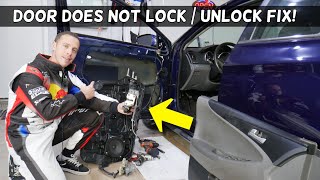
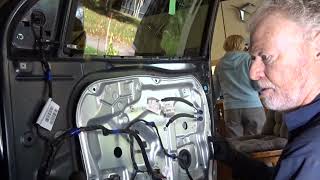
The general process involves disconnecting the battery, removing the interior door panel, carefully peeling back the weather barrier, disconnecting the electrical connector and lock rods from the old actuator, unbolting the actuator from the door, and then installing the new one in reverse order. On the Santa Fe, the actuator is part of a larger latch assembly, and on some doors, it may be necessary to loosen or remove the window regulator panel 🎬 See this walkthrough for actuator and window regulator removal for access. Always test the lock using the physical key and electronic switch before fully reassembling the door to ensure everything is connected correctly.
🎬 Watch: Step-by-step Santa Fe door lock actuator replacement guideWarning: Do not try to pry the window switch panel off the door card on this model. It is screwed in from the back, and you will break the mounting tabs. The entire door panel must be removed to access the screws.
Frequently Asked Questions (FAQ)
Do I need to replace all the actuators at once?
No, you only need to replace the actuator that has failed. However, since they are a common failure item, it's not unusual for another one to fail after you've replaced the first.
Is the front actuator the same as the rear one?
No. Each of the four doors uses a unique actuator with a specific part number. They are not interchangeable. For example, the driver's front door actuator has a different electrical pin configuration than the other doors.
Do I need to program the new actuator?
No, door lock actuators on the 2010-2012 Santa Fe do not require any programming or special calibration. They are plug-and-play components.
Can I just replace the small motor inside the actuator?
While it is sometimes possible to source the small internal electric motor and replace it, this is a very intricate repair. It requires desoldering the old motor and carefully disassembling the actuator housing. For most people, replacing the entire actuator assembly is a much more reliable and straightforward repair.
What if my physical key won't turn in the door?
If your key won't turn, the problem is likely with the door lock cylinder itself, not the electronic actuator. The cylinder can seize from lack of use or internal wear. In this case, you would need to replace the door lock cylinder and key set.
Helpful Videos

Technical Specifications
OEM Part Numbers: Front Left (Driver): 81310-2B020, 81310-0W000 Front Right (Passenger): 81320-2B020, 81320-0W000 Rear Left (Driver Side): 81410-2B000 Rear Right (Passenger Side): 81420-2B000
Operating Voltage: 12V. The front left (driver) actuator has a 6-pin connector, while the front right, rear left, and rear right actuators typically have a 4-pin connector.
We Have This Part in Stock

The information in this article is provided for general reference and educational purposes only. Vehicle specifications, procedures, and part compatibility can vary by production date, trim level, and region. Always consult your vehicle's factory service manual and verify part numbers before purchasing or performing repairs. Safety-critical components such as airbags, seat belts, and braking systems should be installed by a qualified professional.
- Hyundai Santa Fe: