

2018-2023 Kia Rio Hood Latch: Decoding the Anti-Theft System Difference
This guide explains the two different hood latches used on the 2018-2023 Kia Rio, how to identify the correct one for your car, and common failure symptoms.
- There are two different hood latches for the 2018-23 Rio; one for cars with an anti-theft system (81130-H8000) and one for cars without (81130-H8010).
- A hood that will not latch securely is a critical safety hazard and the vehicle should not be driven until it is repaired.
- Failure is often caused by corrosion from exposure to the elements; regular lubrication can extend the part's life.
- When buying used, manually test the mechanism for smooth movement and check for heavy rust or damage before purchasing.
Understanding the 2018-2023 Kia Rio Hood Latch Variants
A critical point for the 2018-2023 Kia Rio is that it was equipped with two different hood latches from the factory. The specific latch your vehicle requires depends on whether it has a factory anti-theft alarm system. Installing the wrong latch can lead to compatibility issues with your vehicle's security system.
- With Anti-Theft System: This version uses OEM part number 81130-H8000. It includes provisions to connect with the alarm system, which typically monitors the hood's status.
- Without Anti-Theft System: This version uses OEM part number 81130-H8010. It is a more basic mechanical latch without the electronic connections for the alarm.
Warning: Before ordering, you must verify which system your vehicle has. Using the wrong latch may prevent the hood from being properly detected by the security system, potentially causing false alarms or preventing the alarm from arming correctly.
Symptoms of a Failing Hood Latch
A failing hood latch can present several distinct symptoms, ranging from a minor annoyance to a significant safety hazard. Because the latch is exposed to weather and road debris, corrosion is a common cause of failure.
1. Hood Won't Open
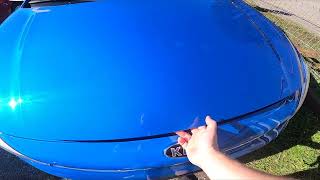
When you pull the interior release handle 🎬 Watch: How to properly use the interior hood release lever and nothing happens, the problem could be the latch itself, a stretched or broken release cable, or a broken handle. Often, the latch mechanism is seized due to rust or dirt. You might need a second person to push down on the hood while you pull the release lever to free it. If the cable is the issue, you may feel no tension on the release handle.
2. Hood Won't Close or Latch Securely
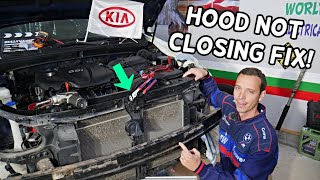
If the hood bounces back up after you try to close it 🎬 See why your Kia hood won't close and how to fix it, the latch mechanism may be stuck in the open position. This can be caused by debris, rust, or a worn-out internal spring. A hood that doesn't latch securely is extremely dangerous, as it can fly open at speed, completely blocking your vision and potentially shattering the windshield. You may also notice the hood rattling or vibrating while driving.
3. Latch is Difficult to Operate
If you have to pull the release handle with excessive force, or if the secondary safety catch under the hood is hard to move, it's an early sign of failure. This is often due to a lack of lubrication or the beginning of corrosion. Addressing this early with a good quality lubricant can sometimes prevent a complete failure.
Known Issues, Recalls, and TSBs
While there are no specific recalls for the hood latch on the 2018-2023 Kia Rio, there was a significant recall for the trunk latch on 2018-2020 models (NHTSA Recall SC216). This recall was for a faulty interior trunk emergency release and does not affect the hood latch. Older Kia models, like the Sedona, have had recalls for hood latches that could corrode and fail to engage the secondary latch, but this specific issue has not been officially noted for the 2018-2023 Rio.
Buying a Used 2018-2023 Kia Rio Hood Latch
Purchasing a used OEM hood latch is a cost-effective solution, but careful inspection is key to ensure you get a safe and reliable part.
What to Inspect:
- Verify the Part Number: This is the most important step. Match the part number (81130-H8000 or 81130-H8010) to your vehicle's requirements. If you're unsure, use your vehicle's VIN to confirm with a dealer or parts specialist.
- Check for Corrosion: Inspect the entire assembly for rust, especially around moving parts like the springs and locking pawl. Surface rust might be acceptable, but avoid any parts with heavy, flaking rust that could impede movement.
- Test the Mechanism: Manually operate the primary and secondary latches with a screwdriver or your fingers. The movement should be smooth and spring back into place without hesitation. A sticky or sluggish mechanism is a major red flag.
- Inspect the Cable Connection Point: Ensure the area where the release cable attaches is intact and not cracked or broken.
- Look for Accident Damage: Check for any signs of bending, cracks, or stress marks. A latch from a vehicle involved in a front-end collision may be misaligned or have hidden damage.
Pro Tip: When you receive your used latch, apply a generous amount of white lithium grease to all moving parts before installation. This will ensure smooth operation and help protect it from future corrosion.
Cost Comparison
| Part Type | Estimated Cost |
|---|---|
| New OEM (Dealer) | $60 - $85 |
| New Aftermarket | $40 - $60 |
| Used OEM | $25 - $50 |
| Shop Labor for Installation | $75 - $150 |
Frequently Asked Questions (FAQ)
How do I know if my Rio has the anti-theft system?
The easiest way is to check your original window sticker or sales documents. You can also call a Kia dealership with your VIN. Visually, you can inspect your existing hood latch for an electrical connector; if it has one, you need the 'with anti-theft' version (81130-H8000).
Is it difficult to replace a hood latch myself?
For a moderately experienced DIYer, this is a straightforward job. It typically involves removing a few bolts and detaching the release cable. The most critical part is aligning the new latch correctly to ensure the hood closes and locks properly. Difficulty is about a 2 out of 5.
My hood release cable is broken. Do I need to replace the latch too?
Not necessarily. The cable and the latch are separate parts. However, a seized or failing latch often puts extra strain on the cable, causing it to break. It's a good idea to inspect the latch's operation carefully. If it's sticky or corroded, it's wise to replace both parts at the same time 🎬 Watch this DIY guide for replacing a broken hood release cable to prevent the new cable from breaking.
Can I just lubricate my sticky latch instead of replacing it?
Sometimes, yes. If the latch is just dirty or has minor surface rust, cleaning it thoroughly with a brake cleaner and then lubricating it with white lithium grease can restore its function. However, if the latch is heavily corroded or the springs are weak, replacement is the only safe option.
Helpful Videos
Technical Specifications
OEM Part Numbers: 81130-H8000 81130-H8010
Part 81130-H8000 is for vehicles with a factory anti-theft system. Part 81130-H8010 is for vehicles without an anti-theft system.
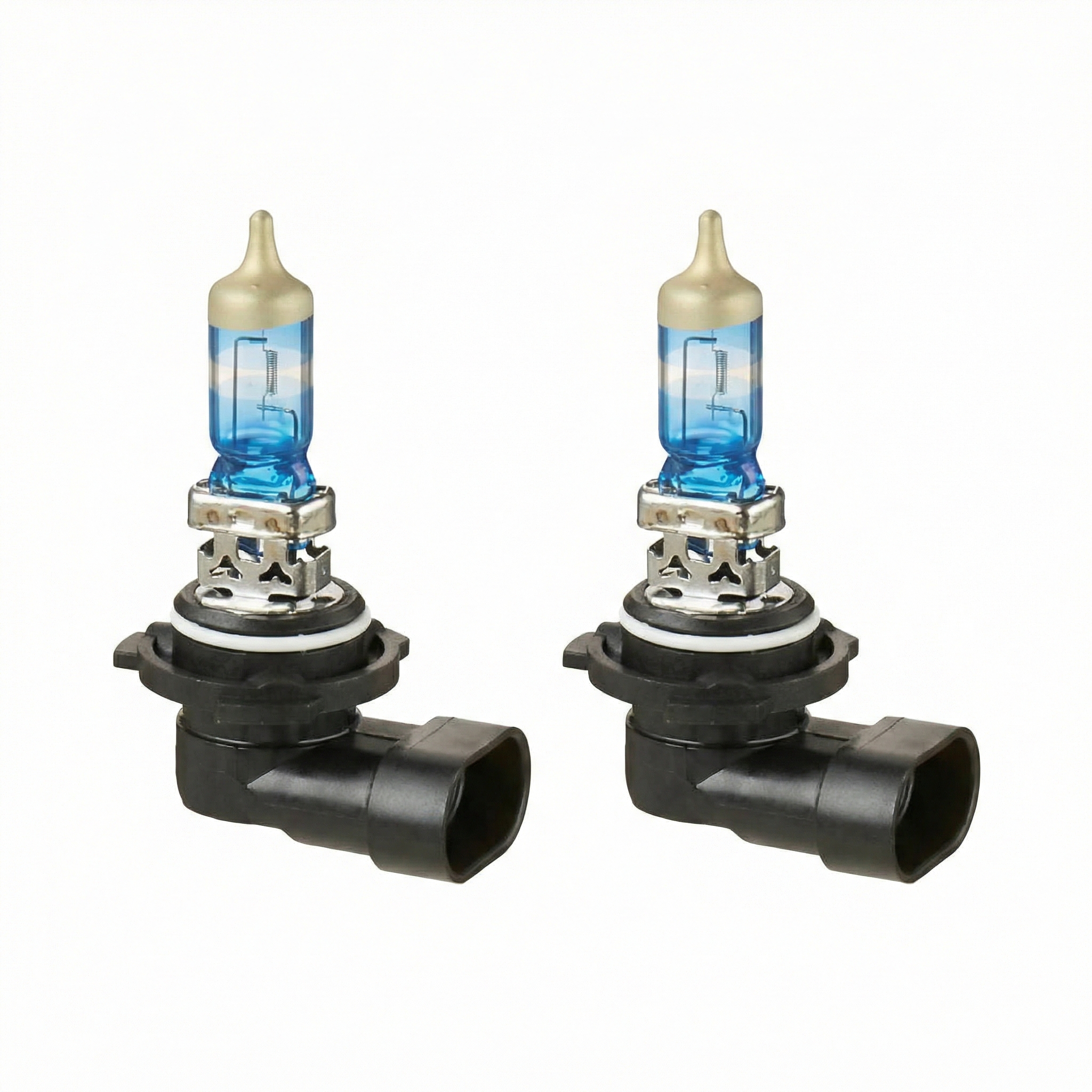
We Have This Part in Stock

The information in this article is provided for general reference and educational purposes only. Vehicle specifications, procedures, and part compatibility can vary by production date, trim level, and region. Always consult your vehicle's factory service manual and verify part numbers before purchasing or performing repairs. Safety-critical components such as airbags, seat belts, and braking systems should be installed by a qualified professional.
- Kia Rio:
- 🎬 Helpful Videos
- 🛍️ Shop This Part
- Understanding the 2018-2023 Kia Rio Hood Latch Variants
- Symptoms of a Failing Hood Latch
- 1. Hood Won't Open
- 2. Hood Won't Close or Latch Securely
- 3. Latch is Difficult to Operate
- Known Issues, Recalls, and TSBs
- Buying a Used 2018-2023 Kia Rio Hood Latch
- What to Inspect:
- Cost Comparison
- Frequently Asked Questions (FAQ)
- 🎟️ Get 5% Off