

1992-2000 Honda Civic Door Mirror: A Guide to Generations, Body Styles, and Common Failures
This guide covers the critical differences between 5th (EG) and 6th (EK) generation Civic mirrors, and why coupe, hatchback, and sedan parts are not interchangeable.
- Compatibility is critical: 1992-1995 (EG) and 1996-2000 (EK) mirrors are NOT interchangeable without modification.
- Body styles do not mix: Mirrors for 4-door Sedans are different from those for 2-door Coupes and 3-door Hatchbacks.
- Failure of the power mirror motor is the most common functional problem, often preceded by a grinding noise.
- Replacement is extremely easy for a DIYer, requiring only basic tools and about 20 minutes per side.
Critical Compatibility Warnings: Read This First
Warning: The single biggest mistake when buying a door mirror for a 1992-2000 Honda Civic is assuming they are all the same. There are major compatibility differences you must be aware of.
- Generation Incompatibility: Mirrors from the 5th generation (1992-1995, often called 'EG') and 6th generation (1996-2000, often called 'EK') are NOT directly interchangeable. The mounting points and base shape are different. While some enthusiasts have modified them to fit, it requires drilling new holes in the door and often results in a poor fit.
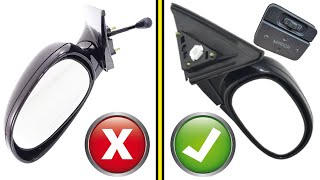
- Body Style Incompatibility: Within the same generation, mirrors for 4-door Sedan models are NOT interchangeable with mirrors for 2-door Coupe or 3-door Hatchback models. They have different mounting base shapes and will not bolt up correctly.
- Power vs. Manual: You must match the mirror's function to your car's original equipment. A car with manual mirrors lacks the necessary wiring and control switch to operate a power mirror without extensive custom wiring.
Symptoms of a Failing Door Mirror
Failures in these mirrors can be mechanical or electrical. Here are the most common symptoms to watch for.
1. Power Mirror Won't Adjust
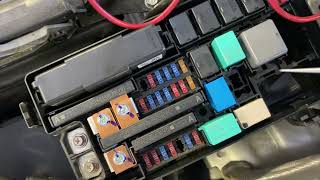
You press the control switch, but the mirror glass doesn't move, or it moves intermittently. You might hear a buzzing or grinding sound from the mirror housing, which indicates the motor is receiving power but the internal gears are stripped or broken. If there is no sound at all, the problem could be the motor itself, the control switch, or a fuse. A good first diagnostic step is to try adjusting the other side mirror; if it works, the fuse and switch are likely okay, pointing to a problem with the non-working mirror's motor or wiring.
🎬 Watch this video to diagnose your power mirror electrical issues.2. Loose or Vibrating Mirror
Excessive vibration while driving can make it difficult to see clearly. This can be caused by two separate issues. First, the mirror glass itself can become loose from its backing plate. Second, the entire mirror housing can become loose where it pivots or where it mounts to the door, often due to worn internal fasteners or impact damage.
3. Cracked or Broken Housing/Glass
This is the most obvious type of failure, usually caused by an impact. A damaged housing can allow water to enter, leading to corrosion and failure of the internal motor on power mirrors. Even a small crack in the mirror glass can distort your view and warrants replacement.
Buying a Used Door Mirror: What to Check
A used OEM mirror is often a better choice than a cheap aftermarket part due to superior plastic quality, better glass, and more reliable motors. Here’s how to ensure you get a good one.
- Confirm Your Civic's Exact Model: Know the year, body style (Coupe, Hatchback, or Sedan), and trim level (which determines power or manual mirrors). This is the most important step.
- Verify Body Style and Generation: Re-confirm that the donor vehicle is the same generation (92-95 or 96-00) AND the same body style (Sedan or Coupe/Hatchback) as your car. Do not trust a seller who says it "should fit."
- Inspect the Housing: Check for any cracks, especially around the mounting base and pivot point. Look for deep scrapes or signs of heavy sun fading, which can make the plastic brittle.
- Check the Glass: Ensure the mirror glass is free of cracks and delamination (dark spots). Gently press on the glass to see if it feels loose on its backing plate.
- Test the Pivot: Gently try to fold the mirror. It should move firmly and hold its position without being excessively loose or stiff.
- Inspect the Electrical Connector (Power Mirrors): Look at the electrical connector on the wiring pigtail. The pins should be straight and free of corrosion. The plastic connector housing should not be cracked or broken.
Known Issues, TSBs, and Recalls
There are no specific recalls or Technical Service Bulletins (TSBs) from Honda or the NHTSA for door mirror issues on the 1992-2000 Honda Civic. Later model Hondas were recalled for mirror glass detaching, but this specific issue is not officially documented for this generation. The most common "known issues" are the compatibility problems between generations and body styles as reported by owners in online forums.
Cost Comparison for a Single Door Mirror
| Part Type | Estimated Price Range |
|---|---|
| New OEM | $150 - $300+ (if available) |
| New Aftermarket | $25 - $70 |
| Used OEM | $30 - $60 |
| Shop Labor | $57 - $84 |
Replacement Difficulty and Procedure
Replacing the door mirror on a 1992-2000 Civic is a very simple job suitable for any DIY skill level.
- Difficulty: 1 out of 5
- Estimated Time: 15-20 minutes
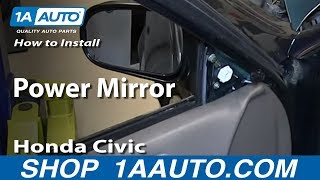
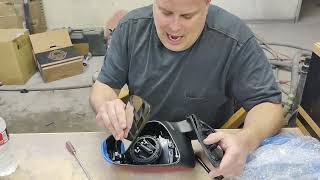
- Tools Needed: Flathead screwdriver or trim removal tool, 8mm socket and ratchet. 🎬 Watch a quick walkthrough of the mirror removal and installation process.
Step-by-Step Replacement Guide
- Remove the Sail Panel: On the inside of the door, there is a small triangular plastic piece covering the mirror mounting nuts. Carefully pry this panel off. It is held on by clips.
- Disconnect Wiring (Power Mirrors): If you have power mirrors, unplug the electrical connector that is now exposed.
- Remove Mounting Nuts: Use an 8mm socket to remove the three nuts holding the mirror assembly to the door. Hold the outside of the mirror with your other hand so it doesn't fall when the last nut is removed.
- Install the New Mirror: Position the new mirror, making sure its mounting studs go through the holes in the door. Hand-tighten the three 8mm nuts, then snug them down with the ratchet. Do not overtighten.
- Reconnect and Test: Plug the electrical connector back in (if applicable). Before putting the trim panel back on, test the function of the power mirror.
- Reinstall Sail Panel: Snap the triangular trim piece back into place.
Frequently Asked Questions (FAQ)
Can I put 1996-2000 (EK) mirrors on my 1992-1995 (EG) Civic?
No, not without modification. The mounting bolt patterns are different, and you would need to drill new holes in your door. This is not recommended as it can lead to improper fitment and potential rust issues.
Will a mirror from a coupe fit my sedan?
No. Within the same generation, mirrors for 2-door coupes and 3-door hatchbacks are interchangeable, but they will not fit on a 4-door sedan due to a different mounting base.
Can I upgrade my manual mirrors to power mirrors?
This is possible but requires significant work. You would need to source not only the power mirrors but also the driver's side control switch and the complete wiring harness that runs through the doors and dash. It is not a simple plug-and-play swap.
My mirror glass shakes when I drive. Do I need a whole new assembly?
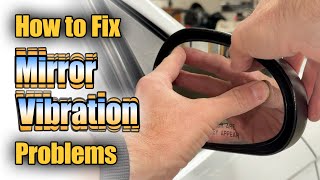
Not necessarily. If the housing itself is tight against the door, the problem is likely that the mirror glass has come loose from its internal backing plate. You can often fix this by carefully removing the glass and re-securing it with strong, weatherproof double-sided adhesive tape or a specialized mirror adhesive. 🎬 See how to fix vibrating mirror glass without replacing the assembly. If the entire housing is wobbling, you may need to tighten the internal mounting screws or replace the assembly.
Helpful Videos

Technical Specifications
OEM Part Numbers: 76200-SR1-A16 76200-SR4-A04 76200-SR4-A21ZA 76200S00A05 76250SR3A05 76200SR3A04
Mounting: 3-bolt pattern using 8mm nuts. Operation: Manual or Power-Adjustable. Not heated from the factory for this generation.
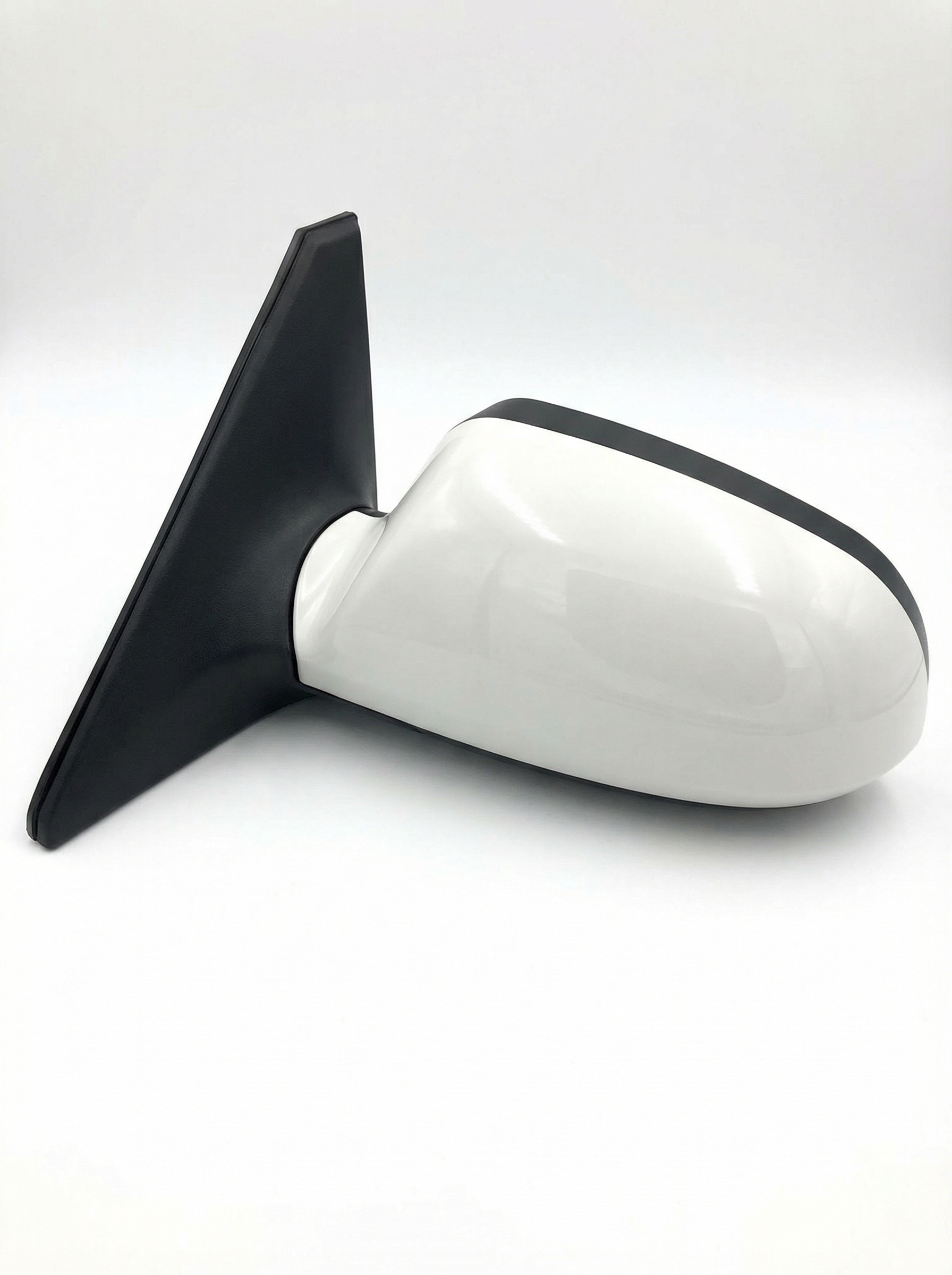
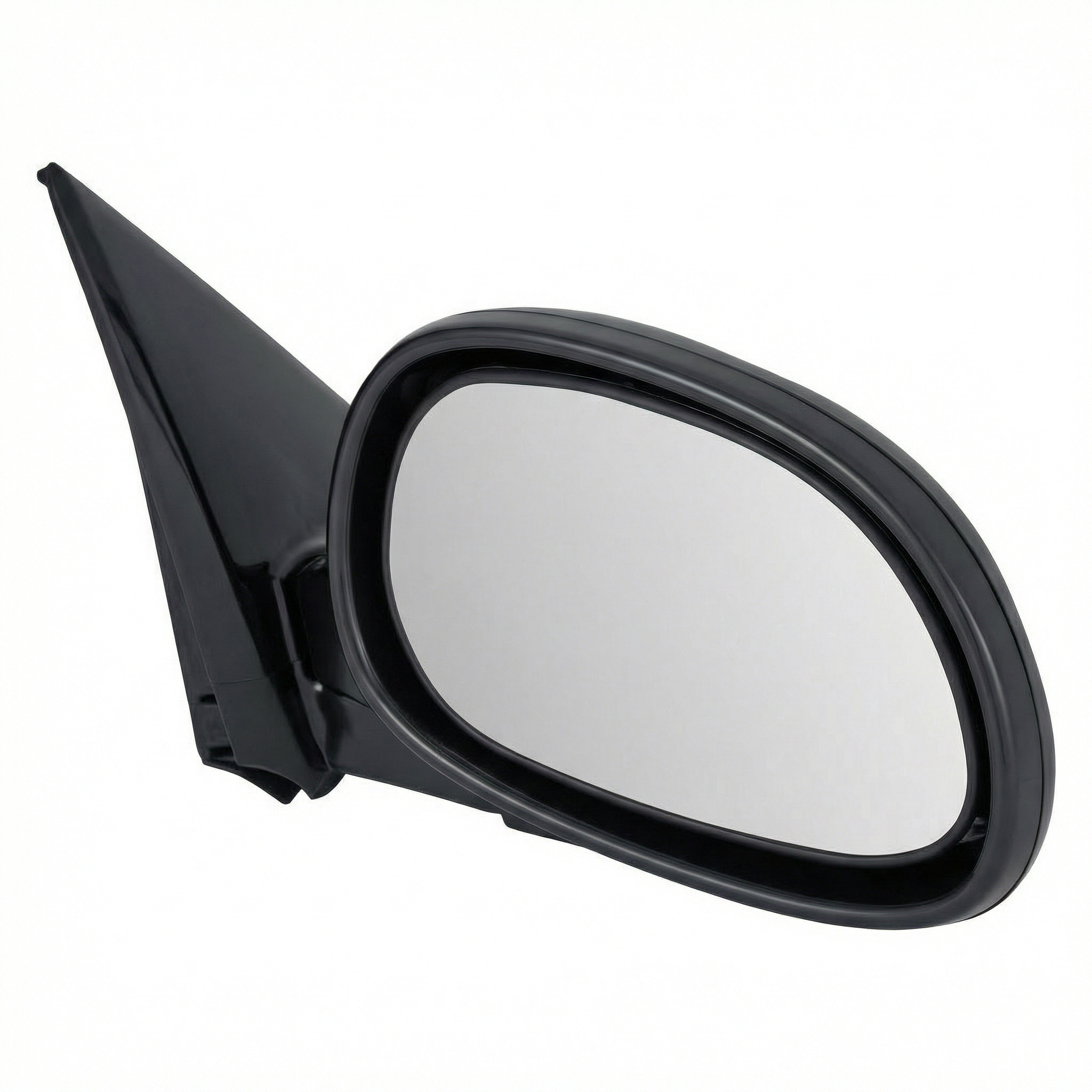
We Have This Part in Stock

The information in this article is provided for general reference and educational purposes only. Vehicle specifications, procedures, and part compatibility can vary by production date, trim level, and region. Always consult your vehicle's factory service manual and verify part numbers before purchasing or performing repairs. Safety-critical components such as airbags, seat belts, and braking systems should be installed by a qualified professional.
- Honda Civic:
- 🎬 Helpful Videos
- 🛍️ Shop This Part
- Critical Compatibility Warnings: Read This First
- Symptoms of a Failing Door Mirror
- 1. Power Mirror Won't Adjust
- 2. Loose or Vibrating Mirror
- 3. Cracked or Broken Housing/Glass
- Buying a Used Door Mirror: What to Check
- Known Issues, TSBs, and Recalls
- Cost Comparison for a Single Door Mirror
- Replacement Difficulty and Procedure
- Step-by-Step Replacement Guide
- Frequently Asked Questions (FAQ)
- 🎟️ Get 5% Off