

2014-2023 Ford Transit Connect Drive Axle Shafts: A Guide to Engine and Year-Specific Parts
This guide untangles the complex compatibility of drive axle shafts for the Ford Transit Connect, which vary significantly by engine and production date.
- Compatibility is critical: Axle shafts vary by engine (1.6L, 2.0L, 2.5L) and production date. Verify your vehicle's specifics before buying.
- A clicking noise when turning is the most common sign of a failing outer CV joint.
- Vibration only during acceleration often points to a failing inner CV joint.
- When replacing the axle, always install a new axle nut and a new axle seal at the transmission to prevent future leaks.
A Buyer's Most Important Step: The Compatibility Guide
The most common mistake when replacing a drive axle on a 2014-2023 Ford Transit Connect is buying the wrong part. Unlike many vehicles, the axle shafts are not the same across all models. They differ based on the engine (1.6L Turbo, 2.0L, or 2.5L) and, in some cases, the vehicle's production date. Always verify the engine and build date of your vehicle before ordering.
Warning: The information below is for Front-Wheel Drive (FWD) models only, which covers the vast majority of Transit Connects in North America. These parts will not fit the rare All-Wheel Drive (AWD) Transit models.
| Engine | Years | Side | Common OEM Part Numbers | Notes |
|---|---|---|---|---|
| 2.0L Gas / Flex | 2019-2023 | Right (Passenger) | KV6Z-3B436-AD, KV6Z-3B436-D, TX-1167 | Fits models with the 2.0L engine. |
| 2.5L Gas | 2014-2016 | Right (Passenger) | TX-1292, FV6Z-3B436-BL, DV6Z-3B436-J, DV6Z-3B436-A | Fits models built on or before February 15, 2016. |
| 2.5L Gas | 2016-2022 | Right (Passenger) | FV6Z-3B436-AS, FV6Z-3B436-BD | Fits models built after February 15, 2016. |
| 1.6L Turbo Gas | 2014-2016 | Varies | (Check by VIN) | The 1.6L engine uses unique axle shafts. Aftermarket listings confirm specific parts for this engine. Always verify with your vehicle's VIN. |
| All Engines | 2014-2023 | Left (Driver) | (Varies by Engine) | The left and right side axles are different lengths and are not interchangeable. Part numbers for the left side also vary by engine and year. |
Symptoms of a Failing Drive Axle Shaft
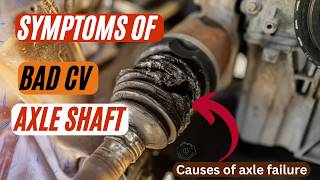
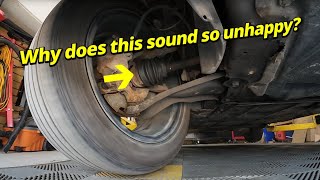
A failing CV axle will almost always give you audible or physical warnings. 🎬 Watch: A breakdown of common CV axle failure symptoms. Ignoring them can lead to a complete breakdown.
1. Clicking or Popping Noise When Turning
This is the most classic symptom of a worn outer CV joint. The noise is most noticeable during sharp, low-speed turns, like in a parking lot. It's a rhythmic 'pop-pop-pop' or 'click-click-click' sound that corresponds with wheel speed.
2. Vibration During Acceleration
A vibration or shudder that you feel through the floor or steering wheel, specifically when you are accelerating, often points to a worn inner CV joint. This vibration may lessen or disappear when you are cruising at a steady speed or coasting.
3. Clunking or Knocking Sounds
A loud 'clunk' when you shift from Drive to Reverse or vice-versa can indicate excessive play in a worn CV joint. You might also hear a knocking sound when accelerating or decelerating.
4. Grease on the Inside of Your Wheel
The CV joints are protected by flexible rubber or neoprene boots filled with thick grease. If a boot tears, this grease gets flung outwards as the axle spins, splattering on the inside of the wheel, the suspension components, and the undercarriage. This is a visual confirmation that the joint is compromised. Once the grease is gone and contaminants get in, joint failure is inevitable.
Buying a Used 2014-2023 Transit Connect Axle Shaft
A high-quality, low-mileage used OEM axle shaft can be a smarter and more reliable choice than a cheap new aftermarket part. Aftermarket axles can sometimes cause vibrations right out of the box due to less stringent balancing and manufacturing tolerances. Here’s what to look for:
- Verify Compatibility: This is the most important step. Use the table above and your vehicle's VIN to ensure you are buying an axle for the correct engine, year range, and side (left or right).
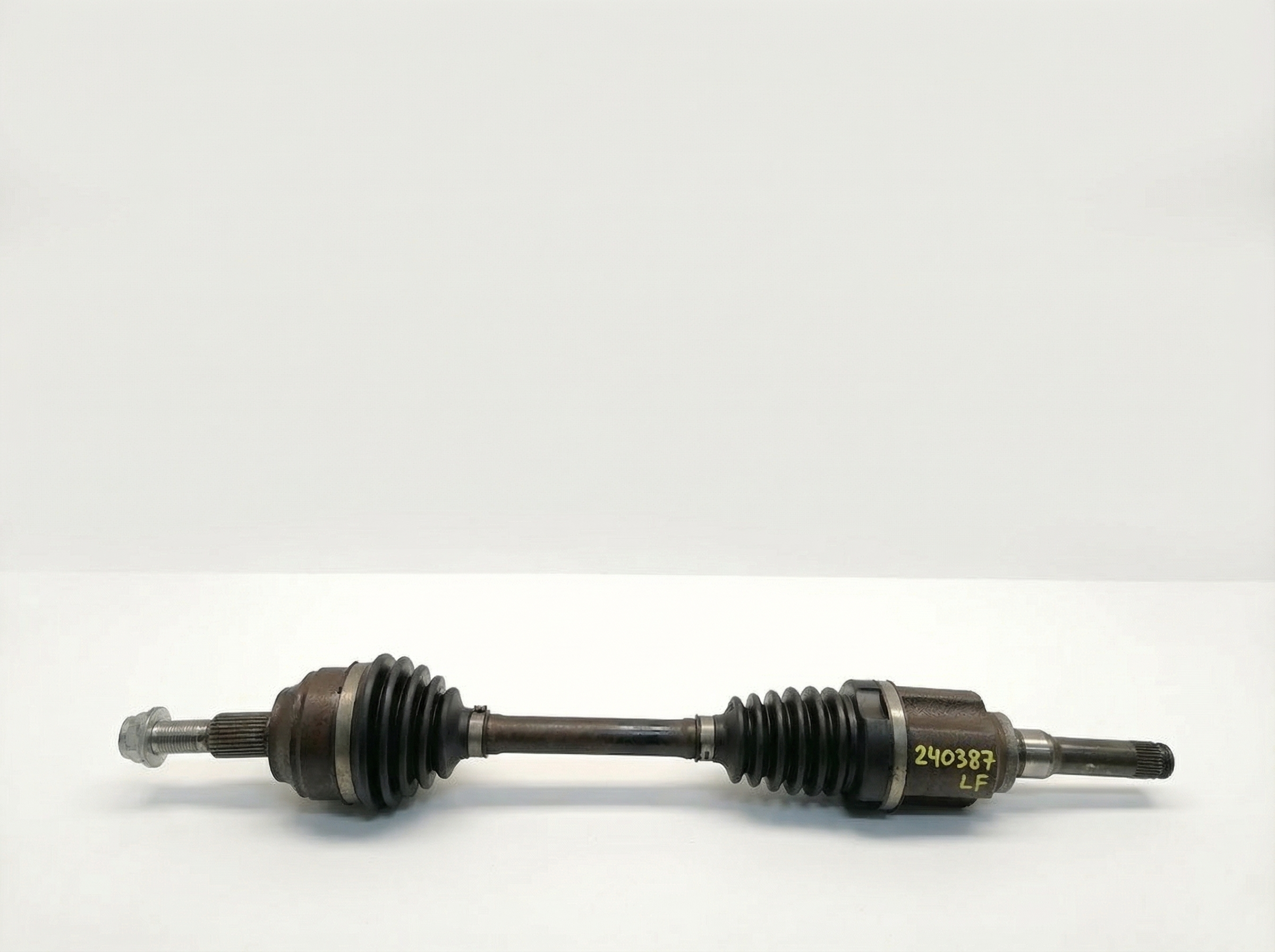
- Inspect the CV Boots: The boots are the key to axle longevity. Carefully inspect the rubber boots at both ends of the shaft. They should be soft and flexible with no cracks, splits, or pinholes. A good used axle with perfect boots is better than a low-mileage one with a torn boot.
- Check for Play: Hold the shaft and try to move the joints. They should move smoothly through their range of motion but should not have excessive looseness or 'clunking' play.
- Examine the Splines: Check the splines on both ends of the axle. They should be clean and sharp, with no signs of stripping, mushrooming, or damage from improper removal.
- Check the ABS Tone Ring (If Equipped): Some axles have a toothed ring that the wheel speed sensor reads for the ABS. Ensure this ring is present and that none of the teeth are broken or cracked.
Known Issues, Recalls, and Technical Service Bulletins (TSBs)
As of early 2026, there are no major recalls or widespread TSBs specifically for front drive axle *shaft* failure on the 2014-2023 FWD Ford Transit Connect.
- A recall (21S54) was issued for some 2020 Transit AWD vans for loose rear driveshaft bolts, but this does not apply to the FWD Transit Connect's front axles.
- A more common related issue is a leaking axle shaft seal at the transmission. If this seal fails, transmission fluid can leak out, potentially causing serious transmission damage if not addressed. It is highly recommended to replace the axle seal whenever an axle shaft is removed.
Cost of Replacement
The cost to replace a drive axle shaft can vary significantly based on the parts you choose and your local labor rates.
| Part/Service | Estimated Cost | Notes |
|---|---|---|
| New OEM | $250 - $510 | Genuine Ford or Motorcraft part. Price varies by specific part number. |
| New Aftermarket | $70 - $165 | Widely available from brands like Duralast, TrakMotive, and API. Quality can vary. |
| Used OEM | $60 - $150 | A cost-effective option, provided the part is inspected carefully for boot condition and wear. |
| Shop Labor | $140 - $430 | Labor time is typically 1.5-2.5 hours. |
Replacement Overview & Special Procedures
Replacing the axle shaft is a moderately difficult job that can be done by a DIY mechanic with the right tools.
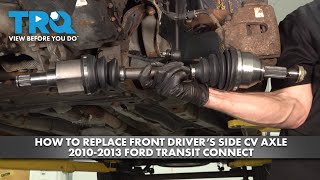
🎬 See this step-by-step 2016 Transit Connect axle replacement guide.Pro Tip: Always replace the axle shaft seal in the transmission when you replace the axle. It's an inexpensive part that prevents a future transmission fluid leak. Also, the large axle nut is a one-time-use, torque-to-yield bolt and must be replaced with a new one.
Key Torque Spec: The front axle-to-hub nut torque specification is critical. While some sources vary, the most commonly cited figure for this platform is 207 lb-ft (280 Nm). However, some service data suggests a lower torque plus an angle of rotation (e.g., 59 ft-lbs + 90 degrees). Always consult the specific workshop manual for your exact year and model. The nut must be tightened to the final torque specification while the vehicle is in the air; loading the wheel bearing with the vehicle's weight before the nut is fully torqued can damage the new wheel bearing.
Frequently Asked Questions (FAQ)
Can I replace just the torn CV boot or the bad joint?
Yes, CV boot kits and individual joint kits are available. However, the process is very messy and labor-intensive. Given the affordable price of complete used OEM or new aftermarket axle assemblies, it is almost always more time- and cost-effective to replace the entire shaft.
What's the difference between the left and right axle shafts?
The left (driver side) and right (passenger side) axle shafts are different lengths and are not interchangeable. The right side is typically longer.
🎬 Watch: Replacing the right hand side driveshaft and drop link.Do I need a wheel alignment after replacing an axle shaft?
Generally, no. Replacing the axle shaft itself does not change the vehicle's alignment angles. However, if other suspension components like the control arm or tie rod ends were loosened or replaced during the job, an alignment is recommended.
What fluid should I check?
The axle shaft itself is filled with grease and sealed. The fluid you need to be concerned with is the transmission fluid. When the axle is removed from the transmission, some fluid will leak out. Check the transmission fluid level after the repair and top it off as needed with the correct fluid type specified for your vehicle's transmission (e.g., MERCON LV for the 6F35 automatic).
Helpful Videos
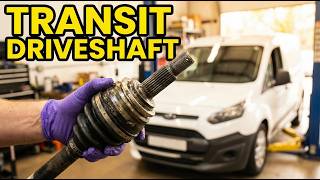
Technical Specifications
OEM Part Numbers: DV613B437HA DV6Z-3B436-A DV6Z-3B436-J DV6Z3B436B DV6Z3B437A FV6Z-3B436-AA FV6Z-3B436-BL FV6Z3B436AS FV6Z3B436B FV6Z3B436BD FV6Z3B437Y KV6Z-3B436-AD TX-1292 TX-653
Axle Nut Torque (Verify by Year): Approximately 207 lb-ft (280 Nm). Some models may use a torque-plus-angle specification. Always use a new axle nut.
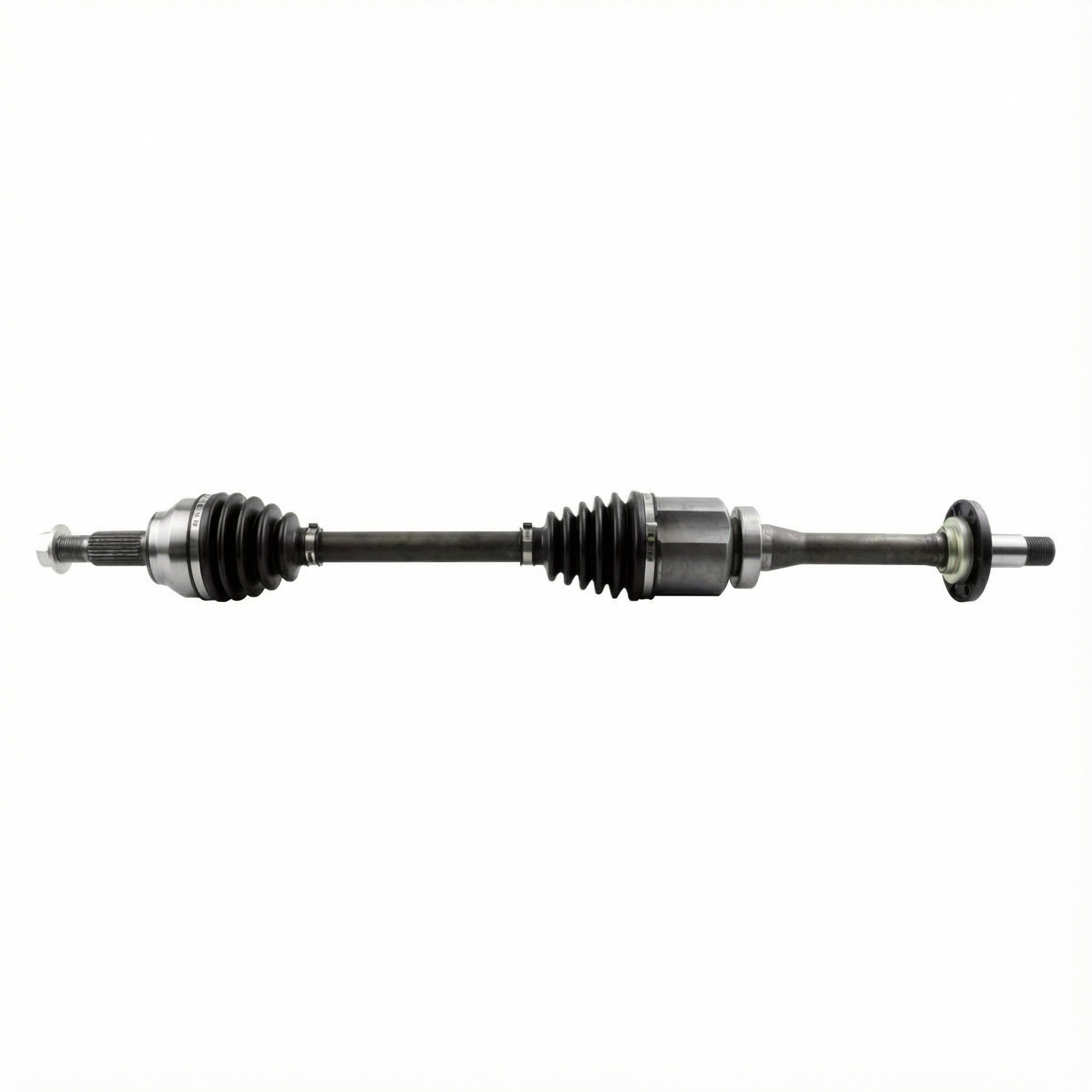
We Have This Part in Stock

The information in this article is provided for general reference and educational purposes only. Vehicle specifications, procedures, and part compatibility can vary by production date, trim level, and region. Always consult your vehicle's factory service manual and verify part numbers before purchasing or performing repairs. Safety-critical components such as airbags, seat belts, and braking systems should be installed by a qualified professional.
- Ford Transit Connect:
- 🎬 Helpful Videos
- 🛍️ Shop This Part
- A Buyer's Most Important Step: The Compatibility Guide
- Symptoms of a Failing Drive Axle Shaft
- 1. Clicking or Popping Noise When Turning
- 2. Vibration During Acceleration
- 3. Clunking or Knocking Sounds
- 4. Grease on the Inside of Your Wheel
- Buying a Used 2014-2023 Transit Connect Axle Shaft
- Known Issues, Recalls, and Technical Service Bulletins (TSBs)
- Cost of Replacement
- Replacement Overview & Special Procedures
- Frequently Asked Questions (FAQ)
- 🎟️ Get 5% Off