

2019-2025 Mazda 3 & CX-30 AWD Drive Axle Shaft: A Guide to Noises, Issues, and Replacement
This guide covers the common failure symptoms, replacement costs, and critical part number differences for the drive axle shafts on your AWD Mazda 3 or Mazda CX-30.
- Compatibility is critical: You must match the axle to your vehicle's drivetrain (AWD), engine (Turbo vs. non-Turbo), and specific corner (e.g., Front Right).
- The most common cause of failure is a torn rubber CV boot. Always inspect the boots first when diagnosing a problem or buying a used part.
- Classic symptoms are a clicking noise when turning (bad outer joint) and a vibration when accelerating (bad inner joint).
- A high-quality, inspected used OEM axle is often a more reliable and better value choice than a cheap new aftermarket axle.
Critical Compatibility Warnings for Mazda 3 & CX-30
Warning: Not all axle shafts for these vehicles are the same. Ordering the wrong part is a common and costly mistake. Before purchasing, you must verify four key things:
- Drivetrain: This guide and the most common replacement axles are for All-Wheel Drive (AWD) models only. They will not fit Front-Wheel Drive (FWD) vehicles.
- Engine: The 2.5L naturally-aspirated (non-turbo) engine and the 2.5L Turbo engine use different axle shafts. The turbo engine produces more torque and requires a stronger axle.
- Position: Axles are specific to each corner of the vehicle: Front Left (Driver Side), Front Right (Passenger Side), Rear Left, and Rear Right.
- Build Location: Some parts listings specify whether the vehicle was built in Japan or Mexico. While less common, it's a detail to be aware of when cross-referencing part numbers.
Symptoms of a Failing Drive Axle Shaft
Axle shaft failures are almost always mechanical, so they won't trigger a check engine light. Instead, you need to listen for specific noises and feel for vibrations. The symptoms usually point to which specific CV joint is failing.
1. Clicking or Popping Noise When Turning
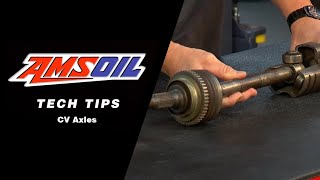
This is the most classic sign of a failing outer CV joint (the joint closest to the wheel). The noise is most noticeable during sharp, low-speed turns, like in a parking lot. You may hear a rhythmic clicking or popping sound that gets faster as the wheel spins faster. To diagnose, find an empty parking lot, roll down your windows, and drive in a tight circle in both directions. 🎬 Watch: How to check your CV axle for common failure signs. The noise will typically be loudest when turning away from the failing side (e.g., turning left makes the bad right-side axle click).
2. Vibration or Shaking During Acceleration
A vibration or shudder that you feel through the floor or seat, specifically when you are accelerating, often points to a worn inner CV joint (the joint closest to the transmission or differential). This vibration may lessen or disappear when you are cruising at a steady speed or coasting. This happens because the worn joint has developed excessive play and wobbles under the load of acceleration.
3. Clunking Sound on Acceleration or Deceleration
A distinct "clunk" or "thud" when you shift from Drive to Reverse, or when you get on and off the gas, can also indicate excessive play in a worn inner CV joint. This is the sound of the joint's internal components slamming back and forth as the rotational force changes direction.
4. Grease on the Inner Edge of a Tire or on the Undercarriage
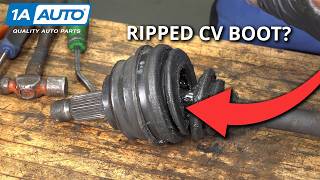
The CV joints are packed with a special high-temperature grease and sealed by flexible rubber boots. If a boot tears or cracks, this grease will be flung out by the spinning axle. You'll see a dark, heavy grease splattered on the inside of your wheel, on the suspension components, or along the underbody. A torn boot is a 🎬 See how to find hidden axle problems before they cause damage. death sentence for a CV joint; without lubrication, and with dirt and water getting in, the joint will wear out and fail very quickly.
Known Issues, TSBs, and Recalls
As of early 2026, there are no specific recalls or widespread Technical Service Bulletins (TSBs) issued by Mazda for premature drive axle shaft failure on the 2019-2025 Mazda 3 or 2020-2025 Mazda CX-30. Failures are typically due to normal wear and tear, or more commonly, damage to the protective CV boots from road debris.
However, some related recalls for the 2020 models are worth noting:
- Recall 4420F: Some 2020 Mazda 3 and CX-30 vehicles were recalled for front brake caliper mounting bolts that may not have been properly tightened. An abnormal grinding or rattling noise could be mistaken for an axle issue, but is related to the brake caliper contacting the wheel.
- Fuel Leak Recall: Certain 2020 CX-30 AWD models were recalled for a disconnected evaporative vent hose that could lead to a fuel leak. This is unrelated to the axle shafts but is specific to the AWD models.
Always check for the latest recall information using your vehicle's VIN on the official Mazda or NHTSA websites.
Buying a Used Drive Axle Shaft: What to Look For
A high-quality, low-mileage used OEM axle is often a superior choice to a brand-new, cheap aftermarket part. Aftermarket axles can sometimes cause vibrations right out of the box due to less precise manufacturing and balancing. Here’s what to inspect on a used OEM axle.
Pro Tip: The terms "Drive Axle," "CV Axle," and "Half-Shaft" all refer to the same part. They are used interchangeably.
1. Inspect the CV Boots
This is the most critical inspection. The rubber boots at both ends of the shaft must be in perfect condition. Carefully bend and squeeze the boots. 🎬 Watch this quick guide on how to inspect your vehicle's axles. Look for any cracks, splits, pinholes, or signs of dry rot. If a boot is torn, the joint is contaminated and should be considered failed. Do not buy it.
2. Check the Joints for Play
Hold the shaft and try to move the outer joint. It should move smoothly through its full range of motion without any gritty feeling or binding. There should be no noticeable clicking or excessive looseness. For the inner joint, it is designed to plunge in and out slightly to accommodate suspension travel, but there should not be excessive clunking or side-to-side play.
3. Verify Compatibility
Double-check the part number or the donor vehicle's exact specifications: Year, Model, AWD, Engine (Turbo or non-Turbo), and which corner of the vehicle it came from (e.g., Front Right). An axle from a 2021 CX-30 AWD with the naturally aspirated engine is a good candidate for a 2019 Mazda 3 AWD with the same engine.
4. Mileage Considerations
For these relatively new vehicles, an axle from a donor car with under 60,000 miles is an excellent choice, provided the boots are in perfect condition. The joints themselves are very durable; boot failure is the primary cause of problems.
Replacement Costs: New vs. Used
Replacing a drive axle shaft involves significant labor. Prices can vary based on your location and the specific axle needed.
| Part Type | Estimated Cost (Part Only) | Notes |
|---|---|---|
| New OEM | $400 - $700 | Highest quality and perfect fit, but most expensive. Prices vary by specific part number. |
| Used OEM | $95 - $280 | Excellent value. Provides OEM quality for a fraction of the price. |
| New Aftermarket | $100 - $200 | Can be a budget-friendly option, but quality is inconsistent. Some may cause vibrations. |
| Shop Labor | $140 - $250 per side | Typically 1.5 to 2 hours of labor per axle. Dealer labor rates will be higher. |
Installation Tips and Torque Specs
Replacing a front drive axle is a feasible DIY job for someone with mechanical experience and the right tools. Rear axles on AWD models are generally similar in procedure.
- Axle Nut: The large nut in the center of the wheel hub is a one-time-use part and must be replaced. It also requires a very high torque setting. While exact specs for the 2019+ models are difficult to find, similar Mazda platforms require 175-202 ft-lbs. Some installation guides for lift kits on the CX-30 suggest 150 ft-lbs. Always consult a factory service manual for the exact specification for your year and model. An improperly torqued axle nut can lead to wheel bearing failure.
- Special Tools: You will need a heavy-duty torque wrench capable of at least 250 ft-lbs, a 32mm or 36mm axle nut socket (verify size), a ball joint separator (pickle fork), and a pry bar to pop the inner joint out of the transaxle/differential.
- Transmission Seal: Be extremely careful when prying the old axle out and inserting the new one. Damaging the output shaft seal on the transaxle or differential will cause a fluid leak, requiring a more involved repair.
- Procedure Outline: The general process involves safely lifting and supporting the vehicle, removing the wheel, removing the axle nut, separating the lower ball joint from the steering knuckle, swinging the knuckle assembly out of the way, popping the inner end of the axle out of the transaxle, and then reversing the procedure for installation.
Frequently Asked Questions (FAQ)
Do I need to replace my axle shafts in pairs?
No, it is not necessary to replace them in pairs. You only need to replace the specific axle that has failed.
Can I just replace the torn rubber boot?
While CV boot kits are available, it's a very messy and labor-intensive job. If the boot has been torn for any length of time, dirt and water have already contaminated the joint, and it will likely fail soon anyway. For this reason, most shops and DIYers find it more efficient and reliable to replace the entire axle shaft assembly.
What fluid should I check?
A failing axle shaft itself doesn't have serviceable fluid, but its failure is often linked to grease leaking out of the CV boot. If you damage the seal where the axle enters the transaxle or rear differential during replacement, you could have a transmission fluid (front) or gear oil (rear) leak. Check these fluid levels after the repair is complete.
Is an alignment necessary after replacing an axle shaft?
Yes, it is highly recommended to get a professional four-wheel alignment after replacing a front axle shaft. The process requires disassembling suspension components, which will almost certainly affect your vehicle's alignment angles.
Helpful Videos
Technical Specifications
OEM Part Numbers: FT0B2550X FT0C-25-50X FT0W-25-50X FT0W-25-60X FT0W2550X FT0W2560X FT0X-25-50X FT0X2550X FT202550X FT212550X FT212560X RD02-25-50X RD02-25-60X RD022550X RD022560X FT02-25-60XA FT00-25-50X
Axle Nut Torque (General Mazda Spec): 175-202 ft-lbs (236-275 Nm). Always verify with a service manual for your specific model year.
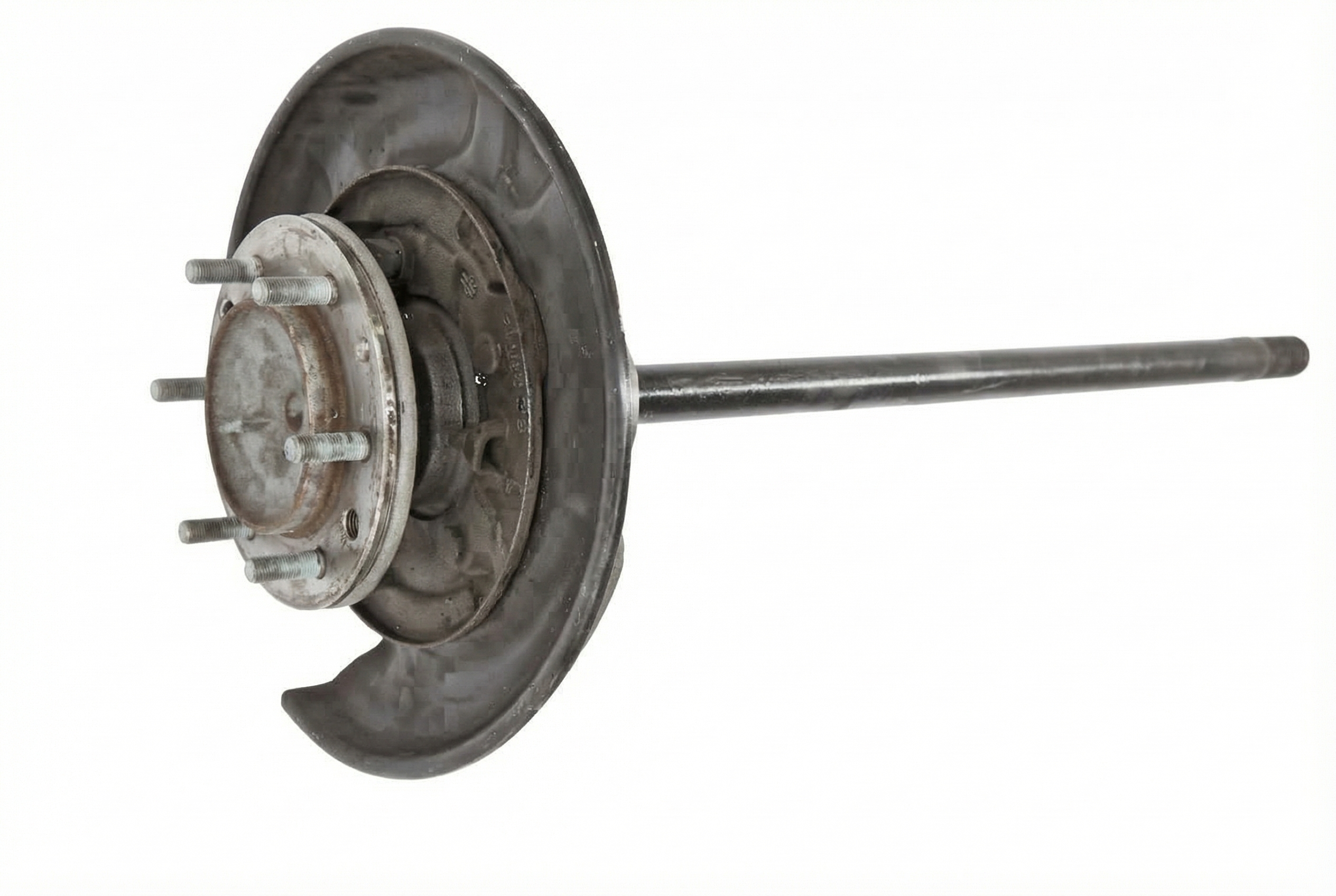
We Have This Part in Stock
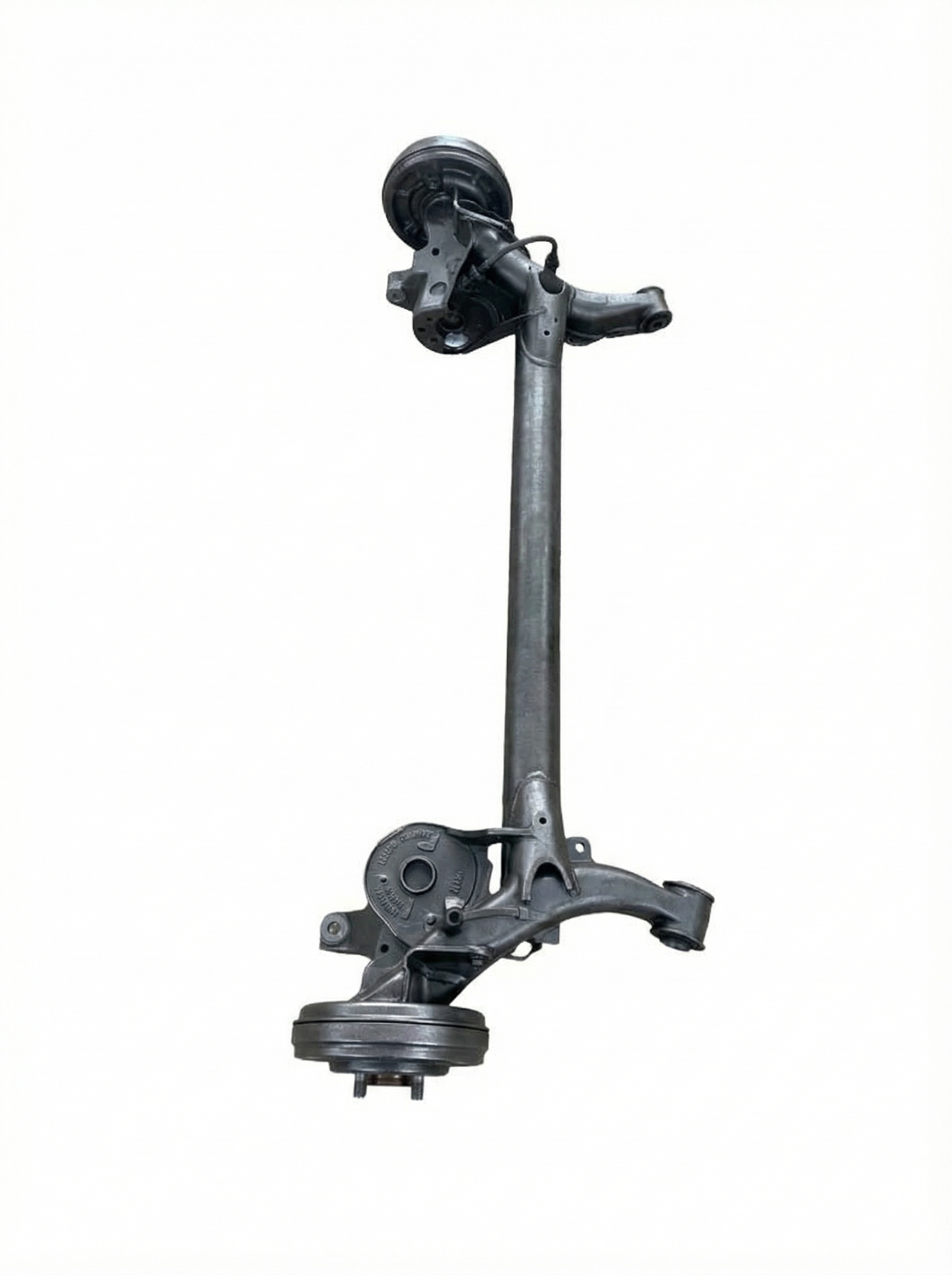
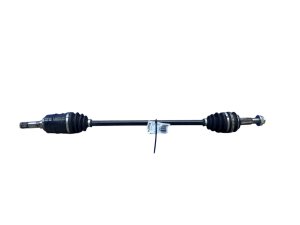
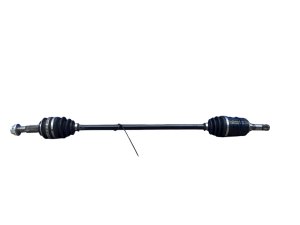
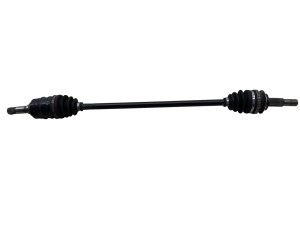

The information in this article is provided for general reference and educational purposes only. Vehicle specifications, procedures, and part compatibility can vary by production date, trim level, and region. Always consult your vehicle's factory service manual and verify part numbers before purchasing or performing repairs. Safety-critical components such as airbags, seat belts, and braking systems should be installed by a qualified professional.
- Mazda CX-30:
- Mazda 3:
- Mazda MAZDA3:
- 🎬 Helpful Videos
- 🛍️ Shop This Part
- Critical Compatibility Warnings for Mazda 3 & CX-30
- Symptoms of a Failing Drive Axle Shaft
- 1. Clicking or Popping Noise When Turning
- 2. Vibration or Shaking During Acceleration
- 3. Clunking Sound on Acceleration or Deceleration
- 4. Grease on the Inner Edge of a Tire or on the Undercarriage
- Known Issues, TSBs, and Recalls
- Buying a Used Drive Axle Shaft: What to Look For
- 1. Inspect the CV Boots
- 2. Check the Joints for Play
- 3. Verify Compatibility
- 4. Mileage Considerations
- Replacement Costs: New vs. Used
- Installation Tips and Torque Specs
- Frequently Asked Questions (FAQ)
- 🎟️ Get 5% Off