

2007-2011 Mazda CX-7 Drive Axle Shaft: Clicking, Vibrations, and FWD-Only Fitment
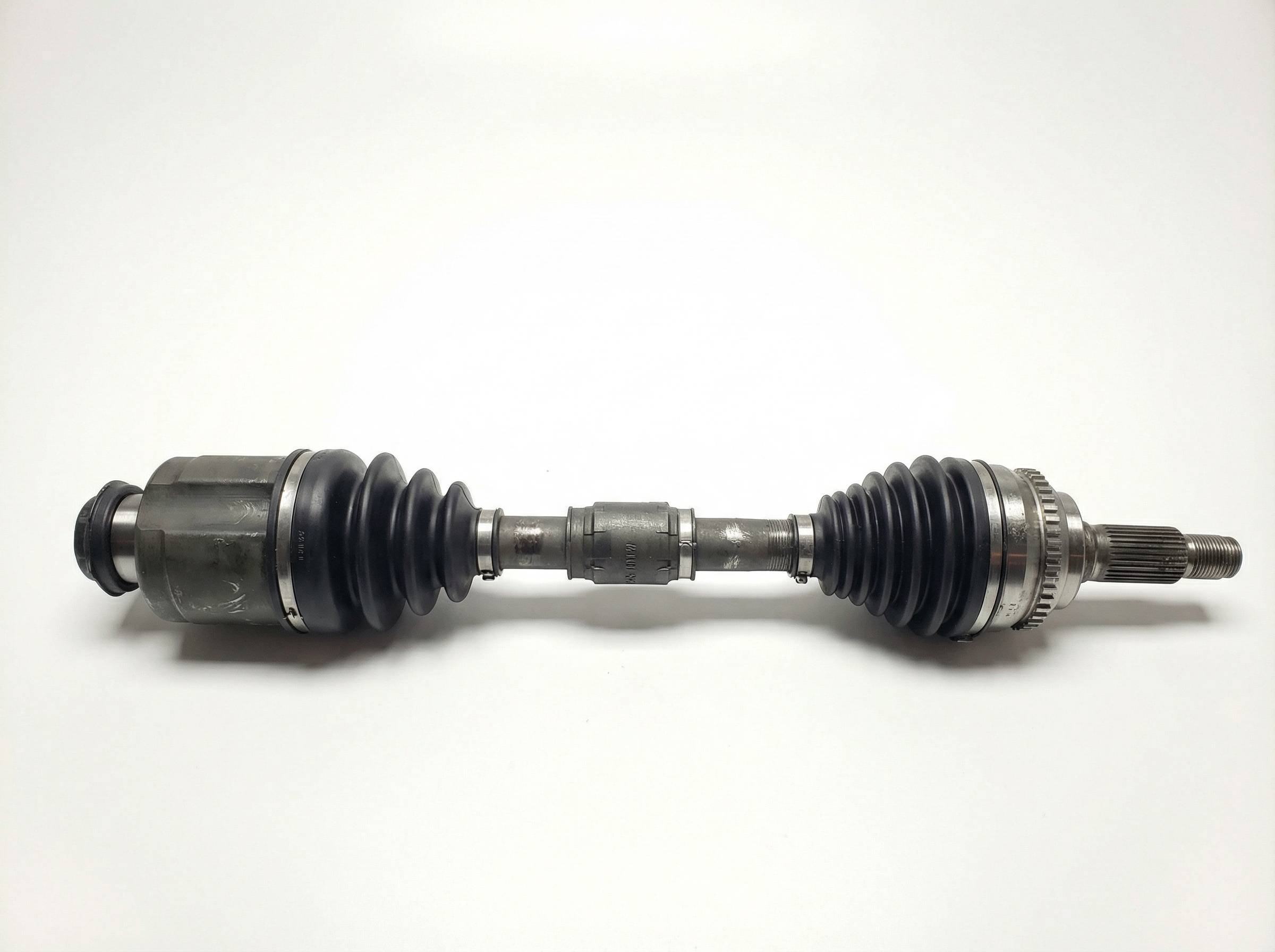
This guide covers the common failure symptoms of the 2007-2011 Mazda CX-7 front drive axle shafts, including why using a recycled OEM part is often a better choice than a new aftermarket one.
- Compatibility is critical: These front axle shafts are for Front-Wheel Drive (FWD) models only and will not fit All-Wheel Drive (AWD) vehicles.
- Used OEM is often better: A high-quality, inspected used OEM axle is frequently a better option than a new, cheap aftermarket axle, which can cause persistent vibration issues.
- Check for the ball joint recall: A major safety recall (NHTSA 9716H) exists for the lower ball joints, which can separate and cause a loss of steering. Inspect this area carefully during the repair.
- Torque is crucial: The front axle nut must be replaced and torqued to exactly 202 lb-ft to prevent wheel bearing damage.
Symptoms of a Failing Drive Axle Shaft
A failing drive axle shaft in a 2007-2011 Mazda CX-7 will typically provide clear audible and physical warnings. The most common cause of failure is a torn rubber boot that protects the CV joints. Once this boot rips, the grease inside slings out, and dirt and moisture get in, quickly destroying the joint.
1. Clicking or Popping Noise When Turning
This is the most classic symptom of a worn outer CV joint. The sound is most noticeable at low speeds, like in a parking lot or when making a sharp turn from a stop. It may present as a single pop or a series of rapid clicks that correspond with wheel speed. Some owners have noted this noise is more pronounced in cold weather, which may be related to the CV joint grease hardening.
2. Vibration During Acceleration
A vibration that is felt through the floor or steering wheel specifically when accelerating can point to a problem with the inner CV joint. This happens because the joint has developed excessive play and is no longer balanced. The vibration may lessen or disappear when you are cruising at a steady speed or coasting. If the vibration occurs at specific highway speeds (around 50 mph) on an All-Wheel Drive model, it could also be related to the main propeller shaft, not the front CV axles.
3. Clunking Noise When Shifting or Accelerating
A clunking sound when you shift from Park to Drive/Reverse, or during abrupt acceleration and deceleration, can indicate excessive play in a worn inner CV joint. This is the sound of the joint's internal components slamming back and forth as torque is applied or released.
4. Grease Splatter on the Inside of the Wheel
If you notice dark, heavy grease splattered on the inner surface of your front wheel, on the suspension components, or in the wheel well, it's a clear sign that a CV boot has torn. This means the joint has lost its lubrication and is exposed to contamination. 🎬 See how to perform a quick visual inspection of your axles Failure of the joint is imminent if the axle is not replaced soon.
Compatibility Warning: This front drive axle shaft fits Front-Wheel Drive (FWD) models ONLY. It is not compatible with All-Wheel Drive (AWD) vehicles. The FWD and AWD versions have different lengths and connection points. Always verify your vehicle's drivetrain before purchasing.
Known Issues, Recalls, and Technical Service Bulletins (TSBs)
While there are no direct recalls for the drive axle shafts on the 2007-2011 Mazda CX-7, there is a critical safety recall for a related front suspension component that owners must be aware of.
- NHTSA Recall 9716H: This major safety recall addresses potential corrosion and separation of the front suspension ball joint from the lower control arm. This issue is caused by water and road salt entering the ball joint fitting. If the ball joint separates, it can result in a sudden and complete loss of steering control. Since replacing a drive axle requires disassembling this same area of the suspension, it is an ideal time to inspect the lower control arms and ensure this recall has been performed.
- Forum-Reported TSB on CV Joint Grease: Some owners have reported a Technical Service Bulletin (TSB) that addresses a clacking or crunching noise from the front end during turns in cold weather. The issue is reportedly caused by the original grease in the outer CV joints hardening. The fix involves cleaning out the old grease and repacking the joints with a reformulated grease.
Buying a Used Drive Axle Shaft: What to Look For
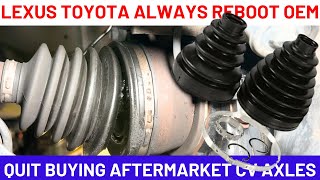
For many vehicles, a used OEM drive axle is a superior choice compared to a new, low-cost aftermarket part. Aftermarket axles are often built to a lower price point, using thinner shafts and less robust joints, which can lead to vibrations immediately after installation and a shorter service life. 🎬 Watch: Why rebuilding OEM axles beats buying cheap aftermarket parts A recycled OEM axle was built to the manufacturer's original standards for balance, strength, and durability.
Physical Inspection Checklist:
- Inspect the CV Boots: This is the most important check. The rubber boots at both ends of the axle should be in perfect condition. Do not purchase an axle with cracked, torn, or dry-rotted boots. A compromised boot means the joint is already contaminated.
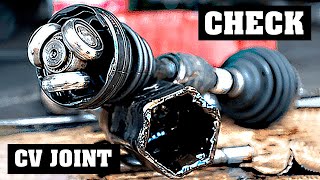
- Check for Joint Play: Hold the shaft and try to move the joints. The outer joint should have very little in-and-out play. The inner joint will have some normal in-and-out plunge, but there should be no clunking or excessive looseness when you try to twist it or move it up and down. 🎬 Watch this guide on three ways to diagnose a bad joint
- Look for Shaft Damage: Inspect the axle shaft itself for any signs of bending, heavy corrosion, or damage to the threaded end.
- Verify ABS Ring: Ensure the toothed ABS tone ring on the outer joint is present and that none of the teeth are damaged or missing.
Pro Tip: Even if a used axle's boots look good, consider rebooting it with a new OEM boot kit before installation. This is a low-cost way to ensure the longest possible service life from a high-quality used OEM part.
Replacement and Installation
Replacing a front drive axle is a moderately difficult job that requires proper tools and safety procedures. If you are not comfortable working with suspension components, it is best left to a professional.
Key Procedures & Torque Specs:
- Axle Nut: The large nut in the center of the wheel hub, known as the spindle or axle nut, is a single-use, torque-to-yield fastener. It must be replaced with a new one. It requires a significant amount of torque to tighten correctly.
- Axle Nut Torque Specification: The front axle nut for the 2007-2011 Mazda CX-7 should be torqued to 202 lb-ft (274 Nm). Under- or over-tightening this nut can lead to premature wheel bearing failure.
- Separating the Axle: The most challenging part of the job is often separating the outer CV joint from the wheel hub and popping the inner joint out of the transaxle. This may require a pry bar for the inner joint and a heavy hammer or slide hammer for the outer.
- Transmission Seal: When removing the inner joint from the transaxle, be careful not to damage the axle shaft seal. Inspect the seal for leaks or damage before installing the new axle. If it is leaking, now is the time to replace it. Some transmission fluid will likely leak out when the axle is removed, so have a drain pan ready and be prepared to top off the fluid afterward.
Related Parts to Consider:
- Axle Shaft Seal: As mentioned, it's wise to replace the transaxle output seal while the axle is out, especially on higher-mileage vehicles. It's an inexpensive part that can prevent a future leak.
- Lower Ball Joint / Control Arm: Given the safety recall, this is the perfect time to replace the lower control arm assembly if it is original or shows any signs of wear.
- Wheel Bearing: If the wheel bearing is noisy or has play, it should be replaced at the same time, as the axle shaft must be removed to service it.
| Installation Specifications | |
|---|---|
| Front Axle Nut Torque | 202 lb-ft (274 Nm) |
Cost Comparison
The cost to replace a drive axle shaft on a Mazda CX-7 can vary significantly based on the parts you choose and whether you perform the labor yourself.
| Part Type | Estimated Cost (Part Only) |
|---|---|
| New OEM | $270 - $760 |
| New Aftermarket | $60 - $150 |
| Used OEM | $50 - $100 |
| Shop Labor | $150 - $350 |
Frequently Asked Questions (FAQ)
Can I drive with a bad CV axle?
It is not recommended. While the car may be drivable for a short time, a clicking CV joint will eventually fail completely. If the joint breaks apart while driving, it can cause a loss of power to that wheel and potentially damage other nearby components like brake lines or suspension parts, leading to a loss of vehicle control.
Is it better to replace just the boot or the whole axle?
If you catch a torn boot very early before any noise or vibration begins, you can sometimes get away with just cleaning and rebooting the original joint. However, this is a very messy and labor-intensive job. In most cases, once a boot has been torn for any length of time, the joint is already contaminated and damaged. It is almost always more time- and cost-effective to replace the entire axle shaft assembly.
Do I need an alignment after replacing a drive axle?
While replacing the axle shaft itself doesn't directly change alignment angles, the process often involves disconnecting suspension components like the lower control arm or strut. Because of this, it is highly recommended to have a professional wheel alignment performed after the repair to ensure proper handling and prevent uneven tire wear.
Why are used OEM axles often better than new aftermarket ones?
Original Equipment Manufacturer (OEM) axles are designed and balanced specifically for the vehicle's weight, power, and suspension geometry. Many new aftermarket axles are built to fit multiple vehicles and may use lower-quality materials, leading to issues like vibrations under acceleration that weren't present before the repair. A good-condition used OEM axle retains the original factory quality.
Helpful Videos
Technical Specifications
OEM Part Numbers: GP43-25-50XA GP43-25-60XA
Front Axle Nut Torque: 202 lb-ft (274 Nm)
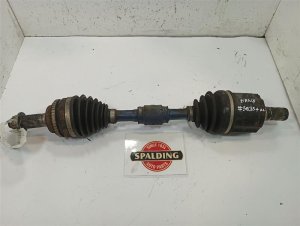
We Have This Part in Stock

The information in this article is provided for general reference and educational purposes only. Vehicle specifications, procedures, and part compatibility can vary by production date, trim level, and region. Always consult your vehicle's factory service manual and verify part numbers before purchasing or performing repairs. Safety-critical components such as airbags, seat belts, and braking systems should be installed by a qualified professional.
- Mazda CX-7:
- 🎬 Helpful Videos
- 🛍️ Shop This Part
- Symptoms of a Failing Drive Axle Shaft
- 1. Clicking or Popping Noise When Turning
- 2. Vibration During Acceleration
- 3. Clunking Noise When Shifting or Accelerating
- 4. Grease Splatter on the Inside of the Wheel
- Known Issues, Recalls, and Technical Service Bulletins (TSBs)
- Buying a Used Drive Axle Shaft: What to Look For
- Physical Inspection Checklist:
- Replacement and Installation
- Key Procedures & Torque Specs:
- Related Parts to Consider:
- Cost Comparison
- Frequently Asked Questions (FAQ)
- 🎟️ Get 5% Off