

2010-2018 Mazda 3 Drive Axle: Decoding Noises, Vibrations, and Part Numbers
This guide clarifies the common clicking and vibration failures and helps you choose the correct axle shaft for your specific engine and transmission.
- Compatibility is critical and complex; you must verify the part number against your car's year, engine, transmission, and side (left/right) before buying.
- A clicking noise on turns indicates a bad outer joint, while a vibration during acceleration points to a bad inner joint.
- A torn rubber boot is the number one cause of failure. Always inspect boots carefully on used parts and reject any that are cracked or leaking grease.
- Always use a new axle nut and tighten it with a torque wrench to the correct specification—never an impact gun—to avoid damaging the wheel bearing.
Compatibility: The Most Important Check

Warning: Axle shaft compatibility for the 2010-2018 Mazda 3 is extremely complex. Parts differ based on model year, engine (2.0L vs. 2.5L, SKYACTIV vs. non-SKYACTIV), transmission (Automatic vs. Manual), and side (Driver vs. Passenger). The initial data provided highlights this complexity, with different parts for automatic and manual transmissions. For example, part number FTC4-25-60X fits the left side of 2014-2018 models with a 2.5L engine and automatic transmission. In contrast, axles for manual transmission models are different. Always verify the exact part number required for your vehicle's specific VIN before purchasing.
Symptoms of a Failing Mazda 3 Axle Shaft

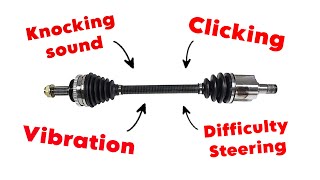
A failing CV axle provides clear warning signs, usually starting with a torn rubber boot that lets the protective grease out. Ignoring these symptoms can eventually lead to the axle breaking, leaving the car unable to move.
Clicking or Popping Noise When Turning
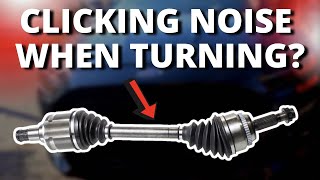
This is the most classic symptom of a bad outer CV joint. You will hear a rhythmic 'click-click-click' noise when making slow, sharp turns, like in a parking lot. The sound gets faster as you speed up. If the noise is loudest when turning left, the left axle is likely the problem; if it's loudest when turning right, suspect the right axle.
Vibration Under Acceleration
A vibration or shudder that you feel through the floor and steering wheel, specifically when you are accelerating, points to a worn-out inner CV joint. This vibration may lessen or disappear when you are cruising at a steady speed. A Technical Service Bulletin for similar Mazda models notes this can happen at specific speed ranges, like 25-30 mph under moderate acceleration.
Clunking or Knocking Sound
A single, heavy 'clunk' when you shift from Park to Drive or when you abruptly get on or off the gas can indicate excessive play in a worn inner or outer joint. This is the sound of slack in the drivetrain being suddenly taken up.
Grease on the Inside of the Wheel
If you see dark, heavy grease splattered on the inside of your wheel, on the suspension components, or in the fender well, it's a sure sign that a CV boot has torn. This is not a symptom of failure itself, but it is the primary cause. Once the boot is torn, the joint will fail soon after from lack of lubrication and contamination from dirt and water.
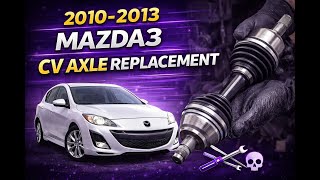
🎬 Watch: A visual guide to the 5 symptoms of a bad CV axle.Known Issues, TSBs, and Recalls

As of early 2026, there are no active safety recalls for the drive axle shafts on 2010-2018 Mazda 3 vehicles. However, Mazda has issued Technical Service Bulletins (TSBs) for related issues:
- TSB 03-002/18: Squeak Noise from Right Front Driveshaft. This bulletin applies to 2012-2018 Mazda 3 models with an automatic transmission. It addresses a squeak noise that can occur at speeds between 37-50 mph. The cause is identified as a 'stick/slip' issue between the transaxle oil seal and the driveshaft's dust cover. The official fix is to replace the dust cover and oil seal with modified parts.
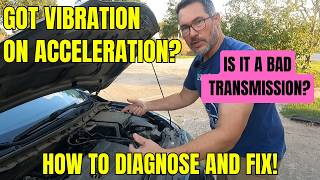
- TSB 03-001/18: Vibration at 25-30 MPH. While this TSB was written for the CX-5 and Mazda 6, it describes an identical failure mode relevant to the Mazda 3. It details a vibration felt through the floor, seat, or steering wheel during moderate acceleration. The cause is wear inside the inner CV joint (tripod joint case). The fix involved replacing the inner joint with an improved part that has a more durable internal coating. 🎬 See how to diagnose and fix acceleration vibrations on a Mazda 3.
Buying a Used Drive Axle Shaft

For many repairs, a quality used OEM axle is a smart choice, often providing better durability than a cheap new aftermarket part. Here’s what to look for.
Why Choose a Used OEM Axle?
Original Equipment Manufacturer (OEM) axles are built to Mazda's exact specifications for metallurgy, heat treatment, and balance. Many low-cost aftermarket axles cut corners, leading to problems like vibrations right out of the box or boots that crack and tear within a year. A low-mileage used OEM axle is often a more reliable and cost-effective option than a new, unproven aftermarket part.
Physical Inspection Checklist
When inspecting a used axle shaft, focus on the parts that cause failure:
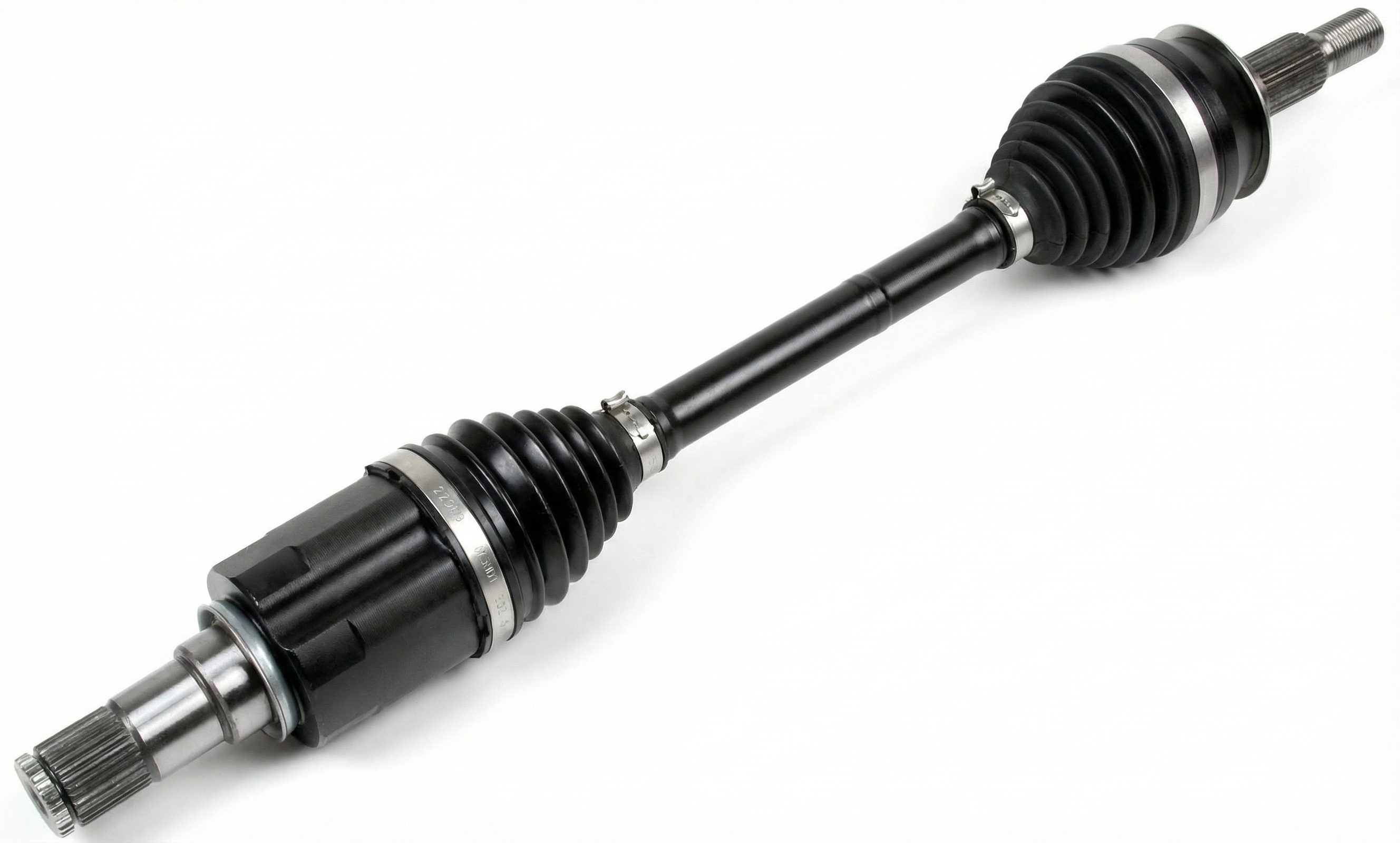
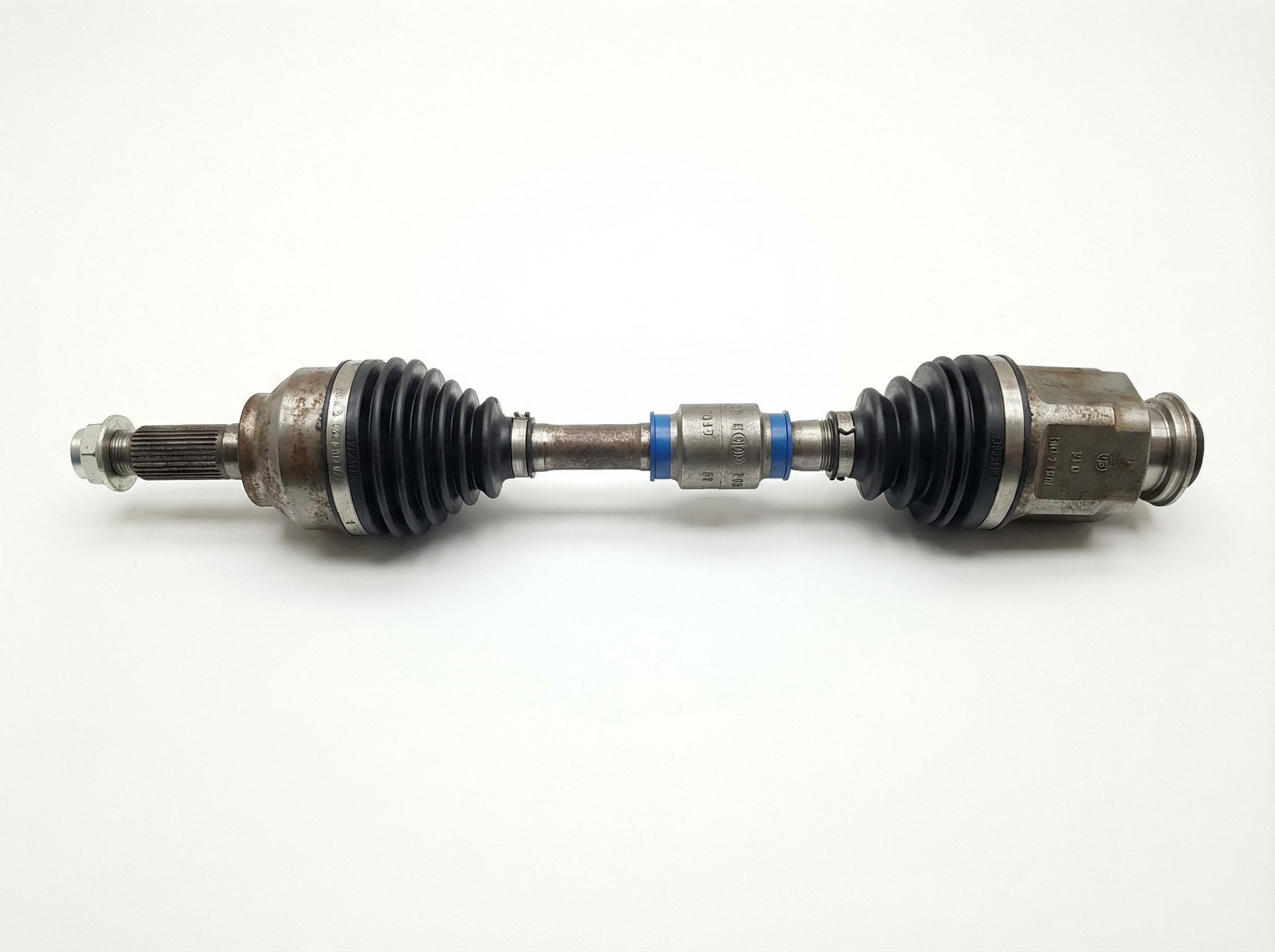
- Inspect the Boots: This is the most critical check. Squeeze and flex both the inner and outer rubber boots. Reject any axle with boots that are cracked, torn, leaking grease, or feel dry and brittle.
- Check the Joints for Play: Hold the shaft and try to move the joint. It should move smoothly in all directions but should not have excessive looseness or 'clunking' play.
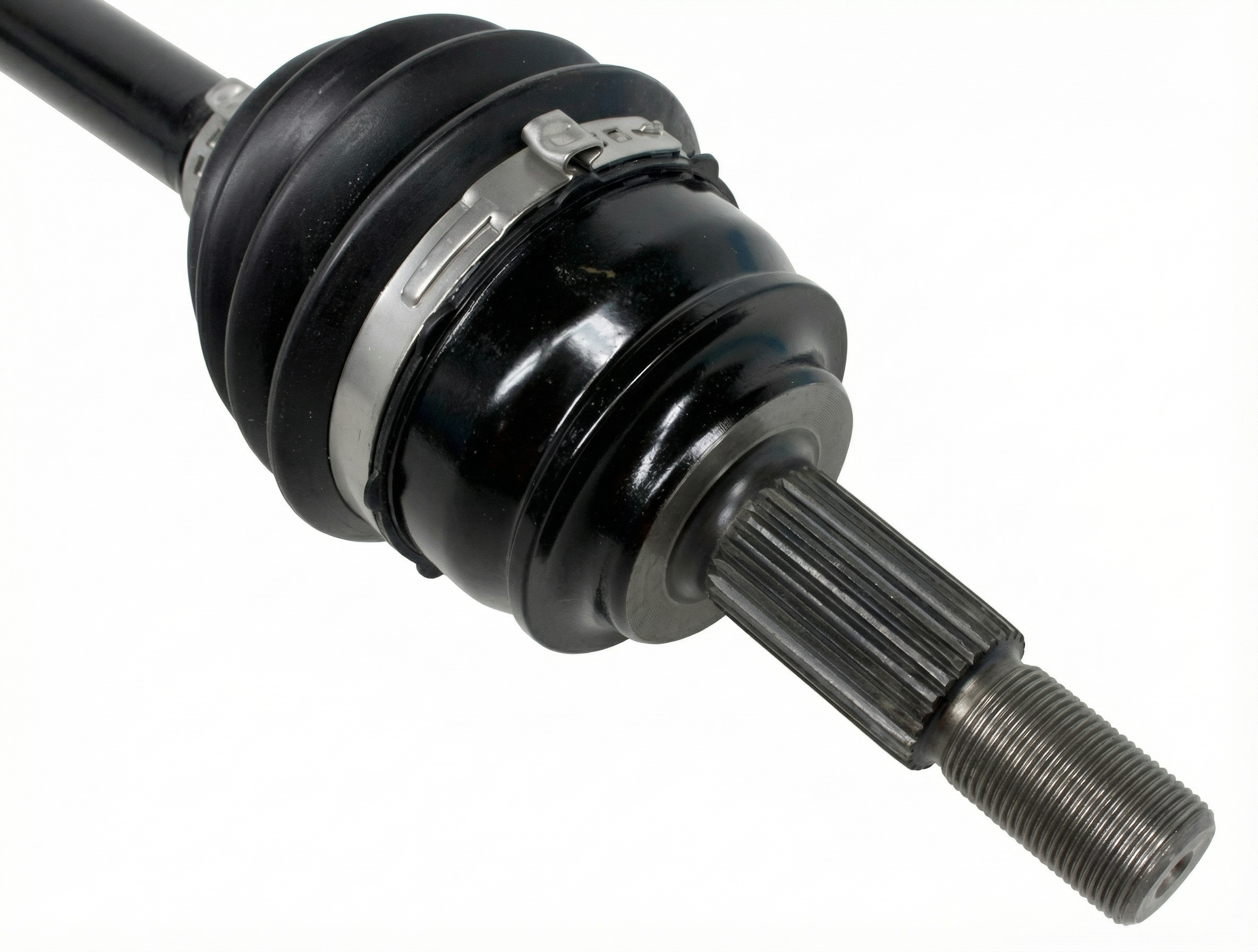
- Examine the Splines and Threads: Look at the splines on both ends of the axle. They should be clean and sharp, not twisted or damaged. Ensure the threads on the outer end for the axle nut are not stripped or damaged.
Mileage and Cost
While there is no exact mileage for failure, CV axles are wear items. Aim for an axle from a vehicle with under 100,000 miles for the best longevity. A good used OEM axle can often be found for a fraction of the price of a new one from the dealer.
Replacement and Installation Tips
Rebuild vs. Replace
While it is possible to just replace a torn boot or a single CV joint, it is a messy and time-consuming job. For most DIY and professional mechanics, replacing the entire axle shaft assembly is faster, easier, and more reliable. The cost of a complete new aftermarket or used OEM axle is often competitive with the parts and labor needed to rebuild an old one.
Related Parts to Replace
- Axle Nut: The large spindle nut holding the axle to the wheel hub is typically a one-time-use part and should be replaced. Reusing it can lead to it backing off, which is a major safety hazard.
- Transmission Seal: When pulling the old axle out of the transmission, it's easy to damage the output shaft seal. It's wise to have a new seal on hand to replace it and prevent future transmission fluid leaks.
Pro Tip: When removing the axle from the transmission, use a dedicated pry bar in the correct spot. Do not pull on the shaft itself, as this can separate the inner joint and make removal much more difficult.
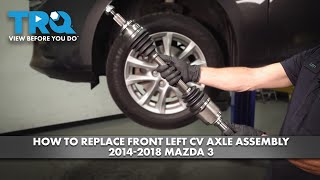
🎬 Watch this step-by-step walkthrough for replacing the front left CV axle.Key Torque Specs
Properly torquing the axle nut is critical for the safety and longevity of the wheel bearing. Do NOT use an impact wrench to tighten the axle nut. Always use a calibrated torque wrench.
| Component | Torque Specification |
|---|---|
| Front Axle Nut (2010-2013) | 202 ft-lbs (274 Nm) |
| Front Axle Nut (2014-2018) | 174-235 ft-lbs (236-319 Nm) |
| Strut-to-Knuckle Bolts (2014-2018) | 117 ft-lbs (159 Nm) |
| Outer Tie Rod End Nut | 43 ft-lbs (58 Nm) |
Note: Torque specs can vary. The values above are common but should be verified with a service manual for your specific model year.
Cost Comparison
The cost to replace a Mazda 3 axle shaft can vary significantly based on the parts you choose and who performs the labor.
| Item | Estimated Cost (per side) | Notes |
|---|---|---|
| New OEM Part | $300 - $600 | Highest quality and price, purchased from a Mazda dealer. |
| New Aftermarket Part | $70 - $150 | Wide range of quality. Premium brands are a good value, but cheap options may cause vibrations. |
| Used OEM Part | $90 - $140 | A cost-effective and reliable option if inspected properly. |
| Shop Labor | $140 - $250 | Typically 1.5-2.0 hours of labor. Dealer labor rates will be higher. |
| Total (DIY w/ Used OEM) | $90 - $140 | Most affordable option if you have the tools and experience. |
| Total (Shop w/ Aftermarket) | $210 - $400 | A common repair scenario at an independent shop. |
| Total (Dealer w/ New OEM) | $440 - $850+ | The most expensive option, with some dealer quotes exceeding $950. |
Frequently Asked Questions (FAQ)
Is the left (driver side) and right (passenger side) axle the same?
No, they are not the same. The left and right axle shafts are different lengths and have unique part numbers. You must order the correct side for your vehicle.
Can I just replace the torn CV boot instead of the whole axle?
Yes, you can buy a CV boot kit. However, if the joint has been clicking or vibrating, it's already damaged from contamination and lack of grease. Replacing only the boot at that point will not fix the noise. Also, the labor to replace a boot is often as much as replacing the entire shaft, making a full axle replacement the better value for most situations.
What's the difference between an inner and outer CV joint failure?
The outer joint handles the steering angle of the wheels, and its failure causes a clicking noise during turns. The inner joint allows the suspension to move up and down, and its failure typically causes a vibration during acceleration.
Do I need a wheel alignment after replacing a CV axle?
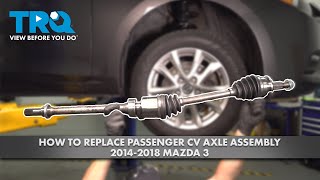
Typically, no. On a Mazda 3, the axle shaft can be replaced by separating the ball joint or by removing the two large bolts that hold the steering knuckle to the strut. If you use the strut bolt method, you will need an alignment afterward. If you only separate the ball joint, an alignment is usually not necessary, but it is always a good idea to have it checked.
Helpful Videos
Technical Specifications
OEM Part Numbers: FTC4-25-60X FTC3-25-50X FTA3-25-60X GDC3-25-50X GDA325600 GDA325500 GG3125500F GG3425600F
Axle nut torque varies by year: 2010-2013 models are typically 202 ft-lbs. 2014-2018 models are in the 174-235 ft-lbs range.
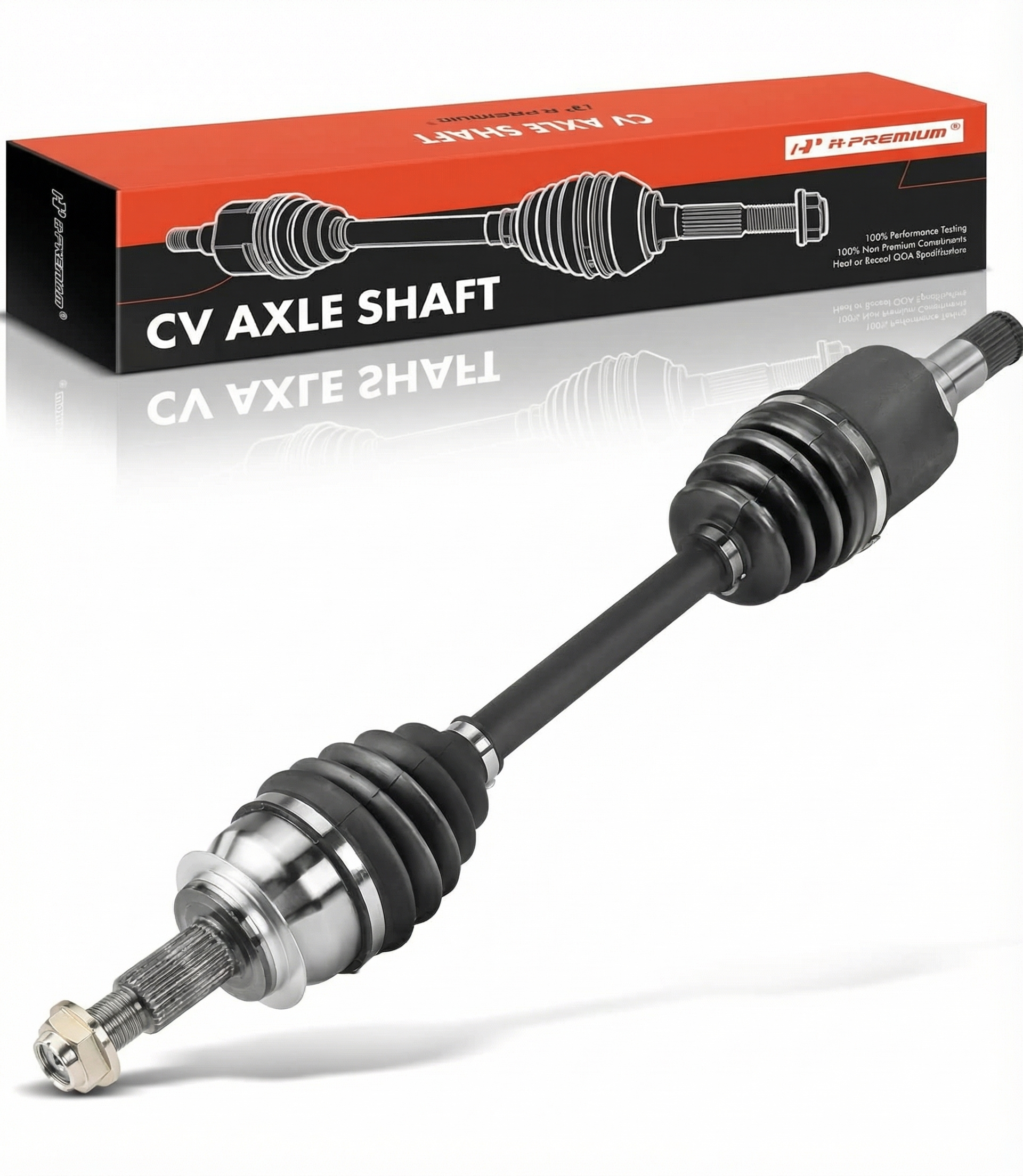
We Have This Part in Stock

The information in this article is provided for general reference and educational purposes only. Vehicle specifications, procedures, and part compatibility can vary by production date, trim level, and region. Always consult your vehicle's factory service manual and verify part numbers before purchasing or performing repairs. Safety-critical components such as airbags, seat belts, and braking systems should be installed by a qualified professional.
- Mazda MAZDA3:
- 🎬 Helpful Videos
- 🛍️ Shop This Part
- Compatibility: The Most Important Check
- Symptoms of a Failing Mazda 3 Axle Shaft
- Clicking or Popping Noise When Turning
- Vibration Under Acceleration
- Clunking or Knocking Sound
- Grease on the Inside of the Wheel
- Known Issues, TSBs, and Recalls
- Buying a Used Drive Axle Shaft
- Why Choose a Used OEM Axle?
- Physical Inspection Checklist
- Mileage and Cost
- Replacement and Installation Tips
- Rebuild vs. Replace
- Related Parts to Replace
- Key Torque Specs
- Cost Comparison
- Frequently Asked Questions (FAQ)
- 🎟️ Get 5% Off