

2017-2026 Tesla Model 3 Rear Axle Shaft: Diagnosing Clicks, Hums, and Vibrations
This guide covers the common failure symptoms, compatibility differences, and replacement costs for the rear drive axle shafts on all 2017-2026 Tesla Model 3 variants.
- A clicking or popping sound when accelerating or decelerating is the most common sign of a failing rear axle shaft.
- Correctly torquing the new, single-use axle nut to 245 Nm (181 lb-ft) is critical to prevent noise and ensure safety.
- There are different part numbers for rear axles; always verify compatibility by matching the OEM number from your original part.
- When buying a used axle, the most important inspection is to ensure the rubber CV boots are not torn or cracked.
Symptoms of a Failing Drive Axle Shaft


A failing axle shaft in a Tesla Model 3 will almost always alert you with a distinct noise or vibration. Because the car is so quiet, these sounds are often more noticeable than in a gasoline-powered vehicle. Ignoring these symptoms can lead to a complete failure of the axle, resulting in a loss of power to that wheel.
1. Clicking or Popping Noise on Acceleration or Deceleration
This is the most common symptom. You may hear a single or repeated 'click' or 'pop' sound from the rear of the car when you first press the accelerator or when you let off and regenerative braking engages. This noise is often caused by wear in the splines where the axle shaft inserts into the wheel hub. Over time, microscopic movement in this connection creates the sound. While sometimes this can be temporarily fixed by cleaning and lubricating the splines and re-torquing the axle nut, it often indicates the beginning of the end for the axle's outer CV joint.
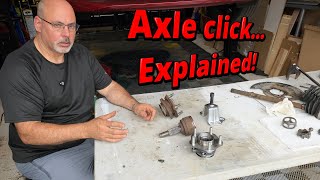
🎬 Watch: A detailed explanation of what causes CV axle clicking.2. Humming or Whining at Constant Speed
A steady humming or whining noise from the rear that changes pitch with vehicle speed can point to a failing inner or outer CV joint. This sound is often confused with a bad wheel bearing or noise from the drive unit itself. However, a failing CV joint's hum is often more pronounced under light load and may change when cornering.
3. Vibration Under Acceleration
If you feel a vibration from the rear of the car specifically when you are accelerating, it could be caused by a worn inner CV joint. This vibration may lessen or disappear when you are coasting at a steady speed. This happens because the worn joint allows for excessive movement as torque is applied, creating an imbalance that you feel inside the car.
4. Leaking Fluid from the Drive Unit
While not a failure of the axle shaft itself, a related issue on some Model 3 Performance models involves fluid leaking from the rear drive unit's axle seals. This has been attributed to a faulty breather valve causing pressure buildup inside the drive unit, forcing fluid past the seals. If you notice an oil-like substance on the underside of the car near where the axles enter the drive unit, it's crucial to have it inspected. Low drive unit fluid can lead to catastrophic failure of the entire unit.
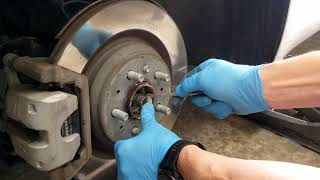
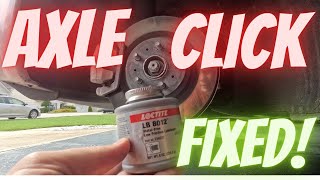
Pro Tip: A common 'axle click' on many vehicles, including the Model 3, can sometimes be resolved by a specific procedure. This involves removing the main axle nut, pushing the axle stub back slightly, cleaning the splines on both the axle and inside the hub, applying a molybdenum-based grease, and then reinstalling 🎬 See this step-by-step walkthrough for fixing the Tesla axle click. and torquing a new axle nut to the correct specification. This often quiets the noise, but if the CV joint is already worn, the sound will likely return.
Known Issues, TSBs, and Recalls

As of early 2026, there are no specific NHTSA recalls for the drive axle shafts on the 2017-2026 Tesla Model 3. However, there have been recalls for related components that can affect the drivetrain.
- Drive Unit Issues: Some early Model 3s experienced issues with their rear drive units, which could sometimes be misdiagnosed as axle problems. Symptoms could include noise or a complete loss of power.
- Suspension Fasteners: A recall was issued for some 2019-2021 Model 3s concerning front suspension lateral link fasteners that were not properly torqued. While this was for the front suspension, it highlights the importance of correct torque specifications on all suspension and drivetrain components. A loose rear suspension component could create noises similar to a failing axle.
- Performance Model Drive Unit Leaks: As mentioned above, some newer Model 3 Performance vehicles have experienced lubricant leaks from the rear drive unit axle seals due to a pressure issue. Tesla is reportedly working on a fix which may result in a Technical Service Bulletin (TSB).
Buying a Used Drive Axle Shaft
A used OEM axle shaft can be an excellent, cost-effective alternative to a brand new part, especially when compared to cheap aftermarket options which may not have the same material quality or precise fitment. However, careful inspection is key.
What to Inspect
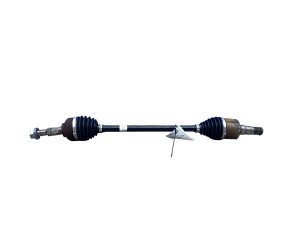
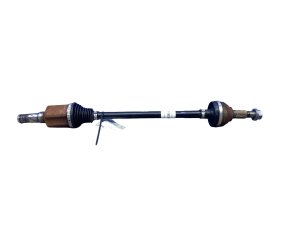
- CV Boots: The rubber boots at each end of the axle are the most critical inspection point. They should be soft, pliable, and completely free of any cracks, tears, or pinholes. A torn boot allows the special CV joint grease to escape and lets in dirt and water, which quickly destroys the joint.
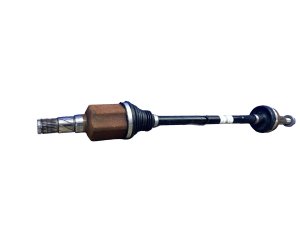
- Splines: Check the splines on both ends of the shaft. They should be clean, sharp, and free of any twisting, stripping, or significant wear. Damaged splines will prevent the axle from seating correctly.
- CV Joints: Hold the shaft and try to move the joints. There should be smooth movement in all directions but minimal to no 'clunking' or excessive play. A loose, sloppy joint is a sign of internal wear.
- Mileage: While there's no specific mileage where these axles fail, lower mileage is always better. The high, instant torque of an EV puts more stress on CV joints than a comparable gasoline car. An axle from a vehicle with under 80,000 miles is a good target.
Compatibility and Part Numbers
Verifying the correct part number is crucial, as there are differences between models. The initial data provided contained part numbers for both front and rear axles. This guide focuses on the rear axles.
Warning: The front axle shafts used on All-Wheel Drive (AWD) models are different from the rear axle shafts. Do not attempt to interchange them.
| Part Number | Position | Drivetrain | Notes |
|---|---|---|---|
| 1044161-00-D | Rear Left / Right | RWD | Commonly used on Rear-Wheel Drive models. |
| 1044164-00-A | Rear Left / Right | All Models | Some sources indicate this fits all Model 3 variants. Always verify by matching to your original part. |
| 1044168-00-A | Rear Left / Right | All Models (Highland) | Associated with the newer 2024+ 'Highland' refresh models. |
| 1044119-00-D / 1536670-00-B | Front Left / Right | AWD | These are for the front axle on All-Wheel Drive models only. |
Replacement and Installation Tips

Replacing a rear axle shaft on a Model 3 is a moderately difficult job that is feasible for an experienced DIY mechanic. The key to a successful and quiet installation is following the correct procedures and torque specifications.
Key Torque Specs
- Rear Axle Nut (Hub Nut): 245 Nm (180.7 lbs-ft). This is a critical torque value. It must be precise. The nut is single-use and must be replaced.
- Brake Caliper to Knuckle Bolts: 125 Nm (92.2 lbs-ft).
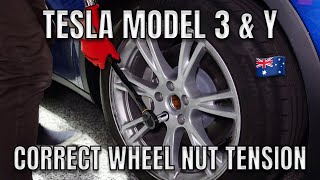
- Wheel Lug Nuts: 175 Nm (129 lb-ft).
Special Procedures
- Use a New Axle Nut: Tesla specifies that the large 32mm axle nut is a one-time-use part and must be replaced. Reusing the old nut can lead to improper torque and a return of the clicking noise.
- Clean and Lubricate Splines: Before installing the new or used axle, thoroughly clean the splines on the axle stub and inside the wheel hub. Apply a thin layer of Molykote M77 grease or a similar high-pressure lubricant to the axle splines before insertion.
- Do Not Hammer the Axle: Never hammer on the end of the axle shaft to seat it in the hub. Doing so can damage the precision bearings inside the CV joint. Use the axle nut to gently draw the shaft into place.
Cost to Replace a Tesla Model 3 Drive Axle Shaft
The cost can vary significantly based on the source of the part and labor rates. Tesla Service Centers will typically only install new OEM parts.
| Item | Estimated Cost | Notes |
|---|---|---|
| New OEM Part | $400 - $600 | Purchased directly from Tesla. |
| New Aftermarket Part | $135 - $270 | Quality and fitment can vary. |
| Used OEM Part | $150 - $300 | A common and cost-effective option from recyclers. |
| Shop Labor | $250 - $400 | Estimated 1.5 - 2.5 hours of labor per side. |
| Total (DIY with Used Part) | $150 - $300 | - |
| Total (Shop Install with Used Part) | $400 - $700 | - |
| Total (Shop Install with New OEM Part) | $650 - $1,000 | - |
Frequently Asked Questions (FAQ)
Is a clicking axle shaft dangerous to drive on?
Initially, a clicking axle is more of an annoyance than an immediate danger. However, it is a clear sign of wear. If left unaddressed, the CV joint can fail completely, which would result in a total loss of power to that wheel. This could be dangerous if it happens while pulling into traffic or at high speed. It is recommended to have it replaced soon after symptoms appear.
Can I just replace the CV joint instead of the whole axle?
While it is technically possible to rebuild a CV joint, it is a messy and labor-intensive process that requires special tools. For the Tesla Model 3, replacement axle shaft assemblies are readily available and are the standard repair method. The cost and time savings of replacing the entire shaft usually make it the more practical option.
Will a Rear-Wheel Drive (RWD) axle fit my All-Wheel Drive (AWD) car?
While some part numbers may be listed for 'all models', there are distinct part numbers for RWD and AWD applications in some cases. It is always best practice to match the part number from your original axle to the replacement part to guarantee correct fitment and avoid compatibility issues.
Why is the axle nut torque so important on a Model 3?
The high torque specification (245 Nm or 181 lb-ft) is designed to create a specific clamping force that preloads the wheel bearing and secures the axle splines within the hub. Incorrect torque—either too loose or too tight—can cause the splines to move slightly under load, creating the common clicking noise. It can also lead to premature wheel bearing failure.
Helpful Videos
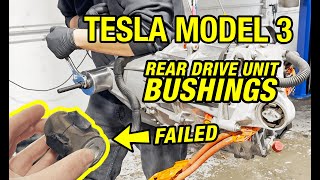
Technical Specifications
OEM Part Numbers: 1044161-00-D 1044164-00-A 1044168-00-A 1044119-00-D 1536670 1536670-00-B 1536670-00-D
Rear Axle Nut Torque: 245 Nm (180.7 lbs-ft). Wheel Lug Nut Torque: 175 Nm (129 lb-ft).
We Have This Part in Stock
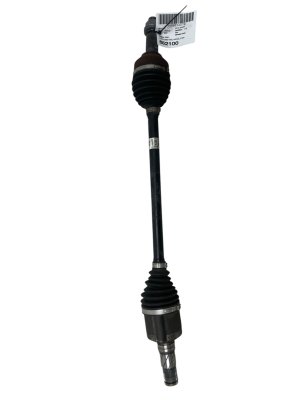
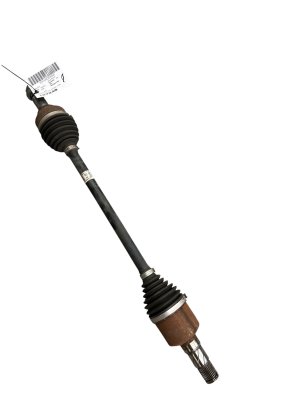
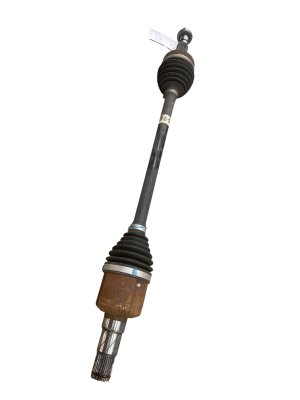

The information in this article is provided for general reference and educational purposes only. Vehicle specifications, procedures, and part compatibility can vary by production date, trim level, and region. Always consult your vehicle's factory service manual and verify part numbers before purchasing or performing repairs. Safety-critical components such as airbags, seat belts, and braking systems should be installed by a qualified professional.
- Tesla Model 3:
- 🎬 Helpful Videos
- 🛍️ Shop This Part
- Symptoms of a Failing Drive Axle Shaft
- 1. Clicking or Popping Noise on Acceleration or Deceleration
- 2. Humming or Whining at Constant Speed
- 3. Vibration Under Acceleration
- 4. Leaking Fluid from the Drive Unit
- Known Issues, TSBs, and Recalls
- Buying a Used Drive Axle Shaft
- What to Inspect
- Compatibility and Part Numbers
- Replacement and Installation Tips
- Key Torque Specs
- Special Procedures
- Cost to Replace a Tesla Model 3 Drive Axle Shaft
- Frequently Asked Questions (FAQ)
- 🎟️ Get 5% Off