

2013-2025 Volvo XC60, XC90 & More: Rear Axle Shaft Clicking, TSBs, and Replacement Guide
Diagnose the clicking, humming, and vibrations from your Volvo's rear end and understand the critical differences for non-hybrid AWD models.
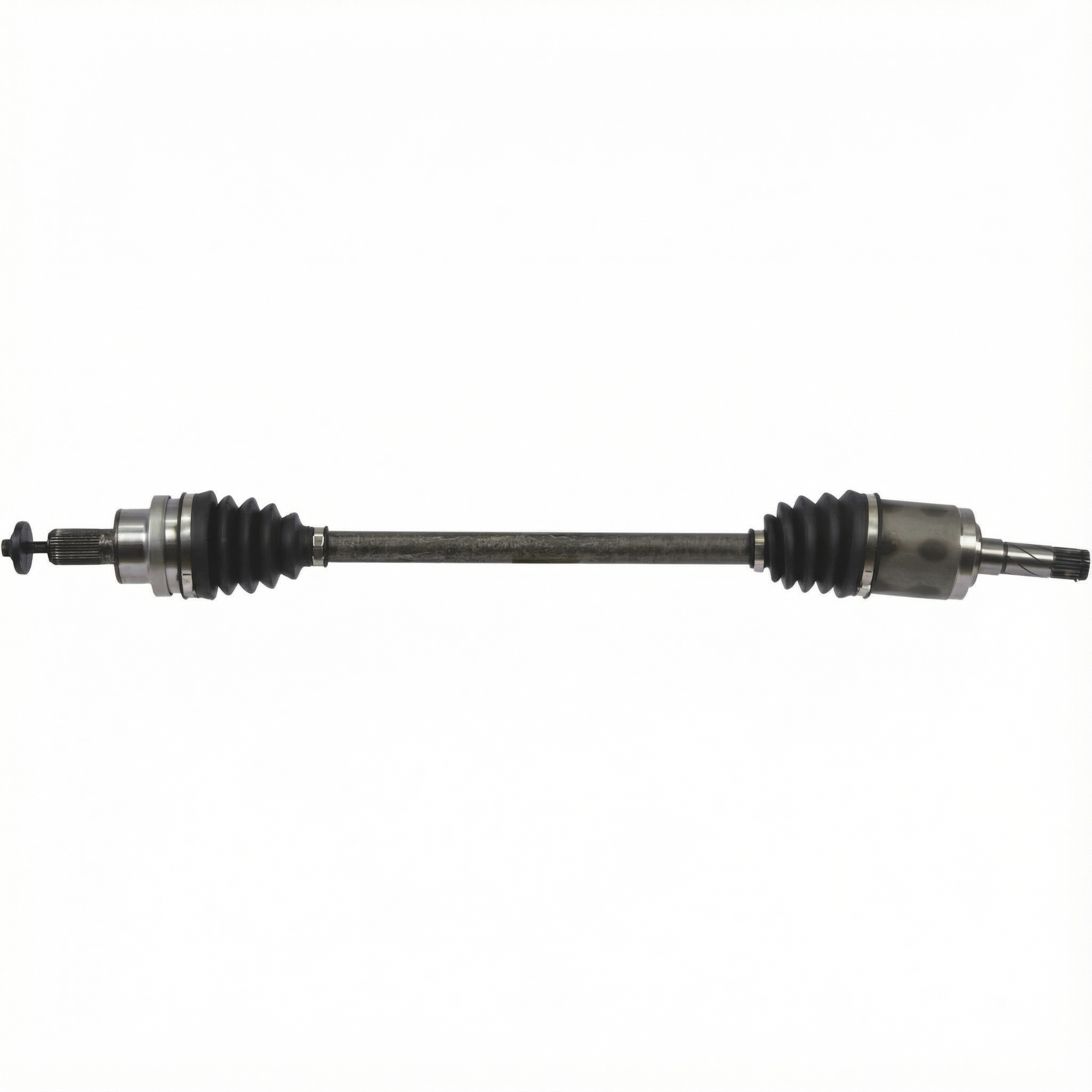
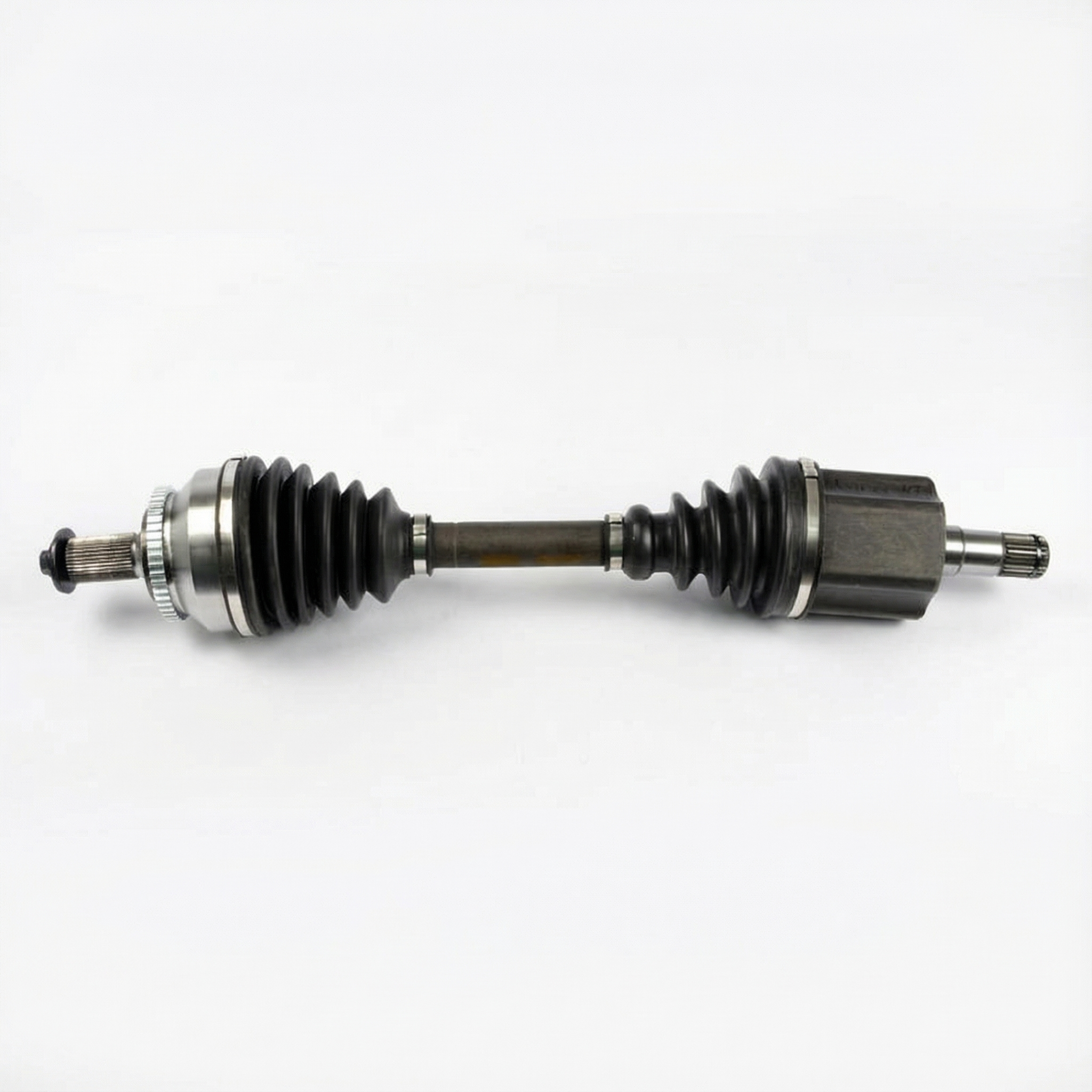
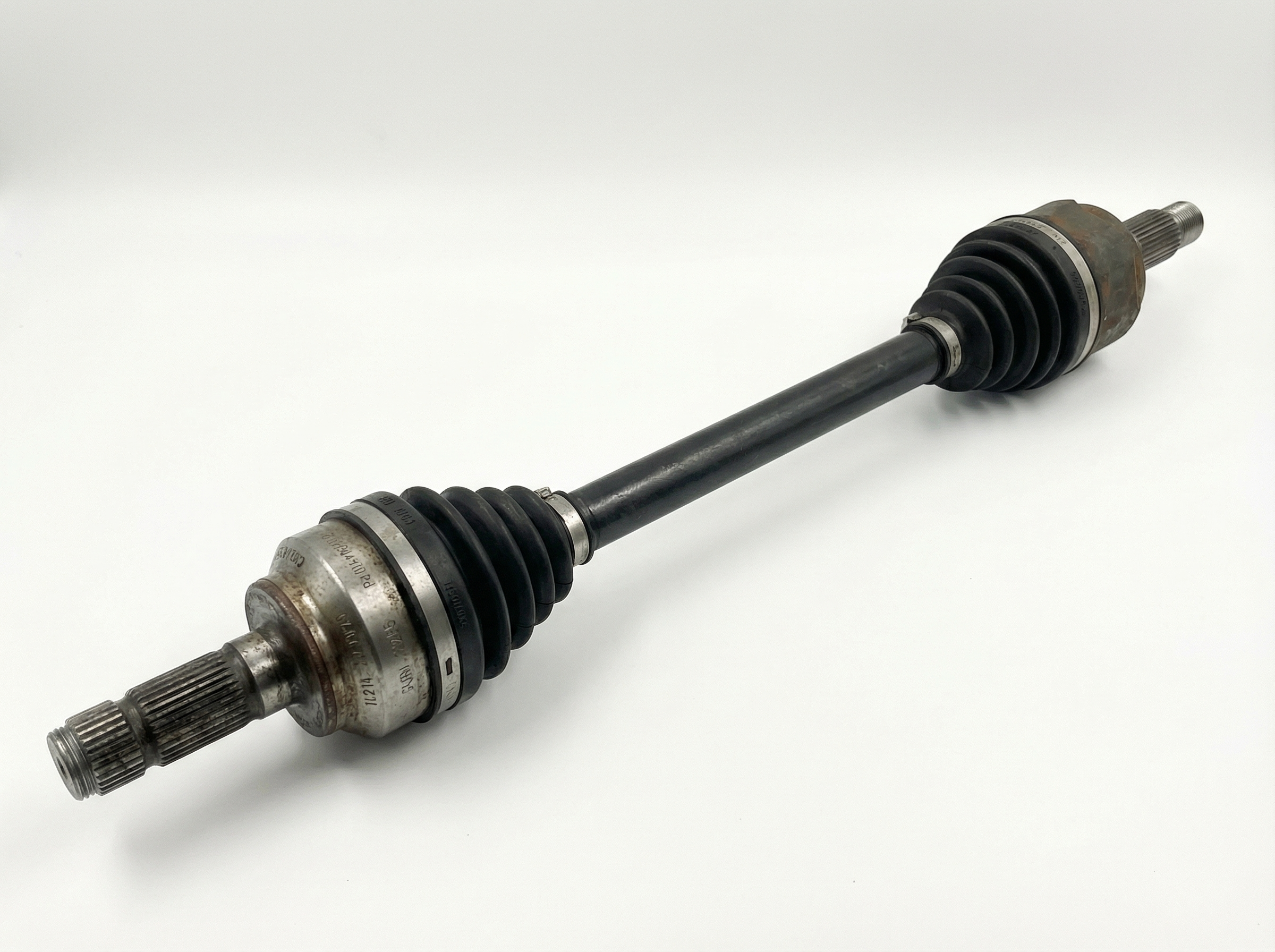
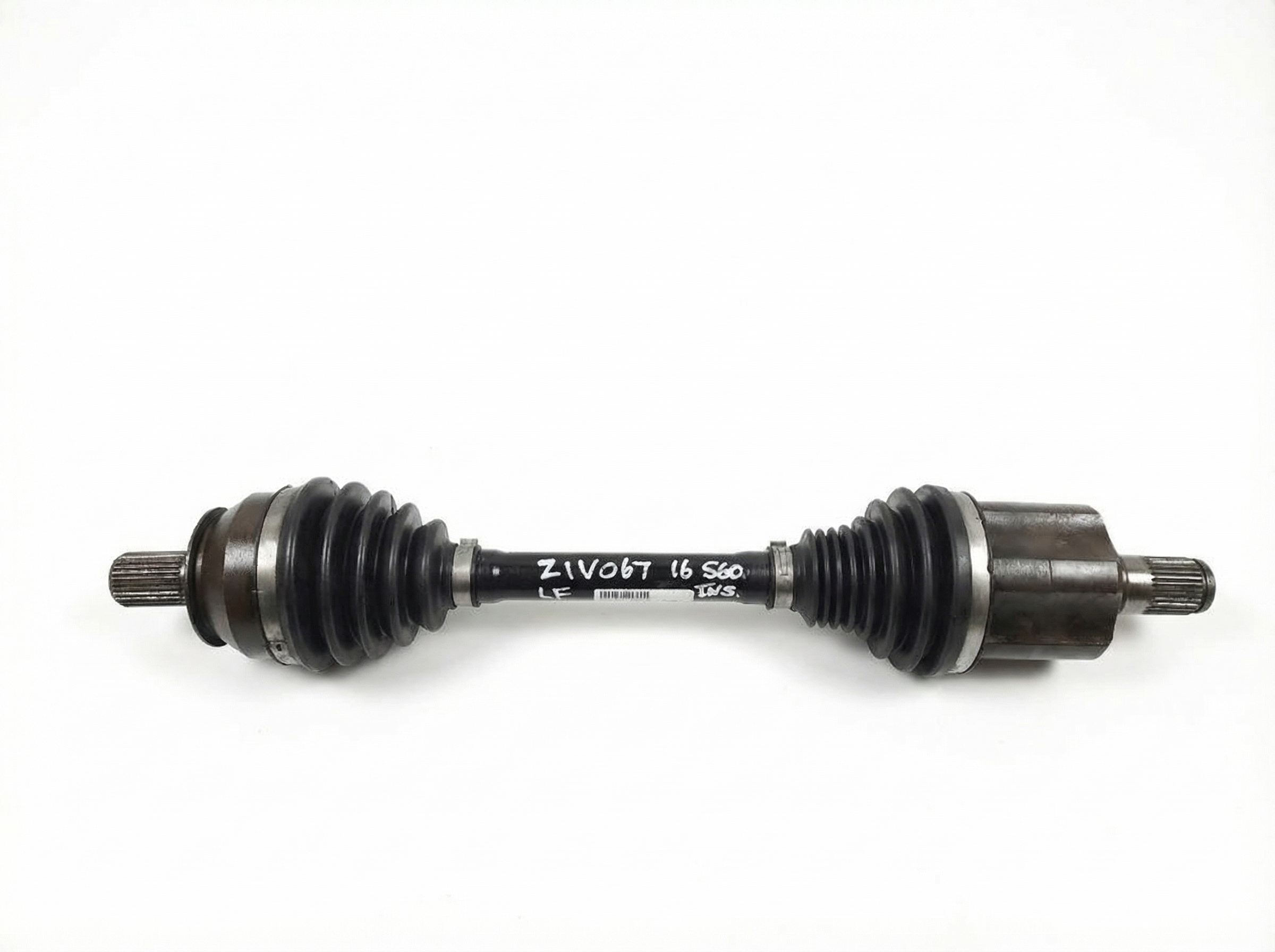
- This rear axle shaft fits NON-HYBRID AWD models only; it is not for T8, Recharge, or other PHEV vehicles.
- The part is interchangeable, fitting both the rear left (driver) and rear right (passenger) sides.
- A key issue to be aware of is Volvo Service Action S49792 for the 2016 XC90, which involved defective axle boots requiring axle replacement.
- When buying used, the most critical inspection is the condition of the rubber CV boots; any tear or crack means the axle should be rejected.
Symptoms of a Failing Rear Axle Shaft
A failing rear axle shaft in your Volvo will almost always provide audible or physical warnings. Ignoring these can lead to a complete failure, which could leave you stranded. The symptoms are caused by wear and tear within the CV joints at either end of the shaft.
1. Clicking or Popping Noises When Turning
This is the most classic sign of a worn outer CV joint. The noise is most noticeable during sharp, low-speed turns, such as in a parking lot. The sound is a rhythmic click-click-click that corresponds with wheel speed. This happens because the ball bearings and cage inside the worn joint have developed excessive play, causing them to pop as they move in their tracks.
2. Clunking or Thudding on Acceleration or Deceleration
A clunking sound when you get on or off the gas, or when shifting from Drive to Reverse, often points to a failing inner CV joint. This joint connects the axle to the differential. When it becomes worn, the slop between the internal components causes a 'thud' as the drivetrain load changes and the slack is taken up.
3. Vibrations While Driving
A vibration that gets worse with acceleration can be a symptom of a damaged or out-of-balance axle shaft. This may feel like a shudder through the floor or seats of the car. While other issues like tire balance can cause vibrations, a vibration from a bad axle is often most pronounced when the drivetrain is under load (i.e., during acceleration).
4. Grease on the Inner Edge of the Wheel or Undercarriage
The CV joints are protected by flexible rubber boots filled with a special high-temperature grease. If a boot tears or cracks, this grease will be slung out by the rotating force of the axle. You may see a dark, heavy grease splattered on the inside of your rear wheel, on the suspension components, or on the underbody. Once the grease is gone, dirt and moisture get into the joint, rapidly accelerating wear and leading to the noises described above.
Known Issues, TSBs, and Recalls
While these axle shafts are generally reliable, there is one significant issue to be aware of for a specific model year.
Service Action S49792: 2016 Volvo XC90 Defective Rear Axle Boots
Volvo issued a service campaign for 6,028 vehicles in the U.S. for the 2016 model year XC90. The campaign, also referenced by Technical Journal TJ 32118, identified that some vehicles were built with rear axle shaft boots that were out of specification. This defect could allow water and dirt to enter the CV joint and grease to leak out, leading to premature failure. The official remedy was to replace both rear axle shafts. This service action was set to expire on December 31, 2018, but if you are purchasing a used 2016 XC90, it is worth checking if this service was performed.
No other widespread recalls or Technical Service Bulletins (TSBs) directly concerning rear axle shaft failure were found for the other listed models.
Vehicle & Drivetrain Compatibility Guide
Verifying compatibility is essential. This specific rear axle shaft fits a wide range of Volvos because they share a common vehicle platform (P3 or SPA platform) and drivetrain architecture. However, there are critical exclusions.
Compatibility Warning: This is a rear axle shaft for All-Wheel Drive (AWD) models only. It is NOT compatible with any Plug-In Hybrid (PHEV) models, such as the T8 or Recharge variants. These hybrid models use an Electric Rear Axle Drive (ERAD) system with a completely different setup. This part is also not for Front-Wheel Drive (FWD) models, which do not have rear drive axles.
This part is confirmed to fit the following non-hybrid, AWD models:
- 2013-2025 Volvo XC60
- 2016-2025 Volvo XC90
- 2017-2021 Volvo V90 (Including Cross Country)
- 2013-2018 Volvo S60 (Including Cross Country)
- 2013-2015 Volvo S80
- 2017-2022 Volvo S90
- 2013-2018 Volvo V60 (Including Cross Country)
One of the key features of this part is that it is interchangeable between the driver (left) and passenger (right) sides of the vehicle.
Buying a Used Drive Axle Shaft: What to Look For
A high-quality, low-mileage used OEM axle shaft can be an excellent value compared to a new dealer part or a cheap aftermarket alternative. Genuine Volvo axles are built to a high standard, and as long as the CV joints are in good condition, they can provide many more years of service. Here’s what to inspect.
1. Inspect the CV Boots Thoroughly
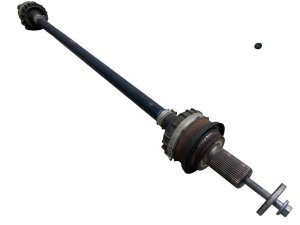
This is the most important inspection. The rubber boots at both ends of the axle must be perfectly intact. Squeeze them and check for any cracks, splits, or pinholes. A torn boot means the joint has been contaminated and should be considered failed. Do not buy an axle with a damaged boot, even if it looks minor.
2. Check for Joint Play
Hold the shaft and try to move the CV joints. The inner joint (that connects to the differential) will have some normal in-and-out plunging movement—this is by design. However, neither joint should have excessive sloppy or loose play when you try to wiggle it side-to-side. It should feel smooth and tight when you articulate it through its range of motion.
3. Examine the Splines and Threads
Check the splined ends of the axle for any signs of twisting, stripping, or excessive wear. The threads for the main axle bolt on the wheel-side of the shaft should be clean and undamaged.
4. Consider the Mileage
While CV axles can last over 100,000 miles, they are a wear item. When buying used, lower mileage is always better. An axle from a vehicle with under 75,000 miles is ideal. Be cautious of axles from vehicles with very high mileage unless they are in exceptionally good condition and the price is very low.
Pro Tip: Many enthusiasts and independent mechanics prefer a used OEM axle over a new, inexpensive aftermarket one. Aftermarket axles, especially budget-friendly options, can sometimes cause vibrations or fail prematurely due to lesser quality materials and manufacturing tolerances. A genuine Volvo part ensures perfect fitment and original quality.
Replacement Overview & Torque Specs
Replacing a rear axle shaft is a moderately difficult job that can be done by a skilled DIY mechanic. It requires safely lifting and supporting the vehicle and disassembling parts of the rear suspension.
Key Steps:
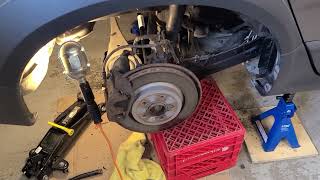
- Lift and support the rear of the vehicle and remove the wheel.
- Remove the main axle bolt (typically a 13mm or 14mm bolt head) from the center of the wheel hub.
- Disconnect suspension components to allow the wheel hub to be pulled away. This often includes the upper control arm and the sway bar end link.
- With the suspension loose, pull the wheel hub assembly outwards to free the outer end of the axle shaft.
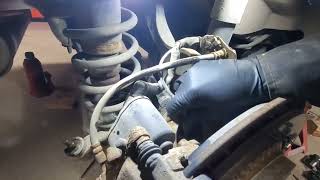
- Use a pry bar to carefully pop the inner end of the axle shaft out of the rear differential. Be prepared for a small amount of differential fluid to leak out. 🎬 See how to replace the rear axle seals while you're there.
- Installation is the reverse of removal. Be careful not to damage the new axle's boots or the differential seal during installation. 🎬 Watch this video to see a rear axle removal in action.
Important Torque Specs
Proper torque on the main axle bolt is critical. While specs can vary slightly, the common specification for the P3 platform vehicles (S60, V60, XC60 up to 2018, etc.) is:
- Rear CV Axle Bolt: 35 Nm (26 ft-lbs)
Some sources for older or front-axle applications also specify an additional 90-degree turn after the initial torque setting. Always use a new axle bolt, as they are typically single-use stretch bolts. Do not use an impact gun to tighten the axle bolt, as this can lead to improper preload and premature wheel bearing failure.
Cost Comparison
Prices can vary based on location and supplier, but here is a general breakdown of what to expect.
| Part Type | Estimated Cost | Notes |
|---|---|---|
| New OEM (Dealer) | $800 - $1100 | Highest quality and cost, direct from Volvo. |
| New Aftermarket (High Quality) | $400 - $750 | Brands like GKN are often the original equipment supplier and offer similar quality to OEM. |
| New Aftermarket (Value) | $70 - $200 | Lower cost, but may have issues with fitment, balance, or longevity. |
| Used OEM | $60 - $120 | Excellent value if inspected carefully for low mileage and good condition. |
| Shop Labor | $200 - $400 | Typically 1.5-2.5 hours of labor at an independent shop. Dealer labor will be higher. |
Frequently Asked Questions (FAQ)
Is this axle the same for the left and right side?
Yes, for the vehicles covered in this guide, the rear axle shaft is interchangeable and fits both the left (driver) and right (passenger) sides.
Will this fit my T8 Recharge or other hybrid model?
No. This part is only for non-hybrid models. Plug-in hybrid Volvos use a different electric rear drive system and this axle shaft is not compatible.
Can I just replace the torn CV boot instead of the whole axle?
While it is technically possible to replace just the boot, it is a very messy and labor-intensive job. If the joint has been clicking or making noise, it is already damaged from contamination and replacing only the boot will not fix it. In most cases, replacing the entire axle shaft with a good used OEM or new assembly is more time- and cost-effective.
Do I need to replace the axle shaft seal in the differential at the same time?
It is highly recommended. The axle shaft seal is a common wear item and is inexpensive. Replacing it while the axle is out is cheap insurance against future leaks. You will also need to top off the differential fluid after the replacement.
Helpful Videos
Technical Specifications
OEM Part Numbers: 31325816 31325852 31437622 36001876 360018766 36003638 360100911 36010126 360102222 36011787 36011808
Rear Axle Bolt Torque (P3 Platform): 35 Nm (26 ft-lbs). A new bolt should be used.
We Have This Part in Stock

The information in this article is provided for general reference and educational purposes only. Vehicle specifications, procedures, and part compatibility can vary by production date, trim level, and region. Always consult your vehicle's factory service manual and verify part numbers before purchasing or performing repairs. Safety-critical components such as airbags, seat belts, and braking systems should be installed by a qualified professional.
- Volvo XC60:
- Volvo XC90:
- VOLVO V90:
- Volvo S60:
- Volvo S60 Cross Country:
- Volvo S80:
- VOLVO S90:
- Volvo V60:
- Volvo V60 Cross Country:
- VOLVO V90 Cross Country:
- 🎬 Helpful Videos
- 🛍️ Shop This Part
- Symptoms of a Failing Rear Axle Shaft
- 1. Clicking or Popping Noises When Turning
- 2. Clunking or Thudding on Acceleration or Deceleration
- 3. Vibrations While Driving
- 4. Grease on the Inner Edge of the Wheel or Undercarriage
- Known Issues, TSBs, and Recalls
- Service Action S49792: 2016 Volvo XC90 Defective Rear Axle Boots
- Vehicle & Drivetrain Compatibility Guide
- Buying a Used Drive Axle Shaft: What to Look For
- 1. Inspect the CV Boots Thoroughly
- 2. Check for Joint Play
- 3. Examine the Splines and Threads
- 4. Consider the Mileage
- Replacement Overview & Torque Specs
- Key Steps:
- Important Torque Specs
- Cost Comparison
- Frequently Asked Questions (FAQ)
- 🎟️ Get 5% Off