

2018-2025 Audi SQ5 Charge Pipe: Fixing Boost Leaks, Hissing, and P0299 Code
A complete guide to diagnosing and resolving failures with the plastic intercooler pressure hose, a common source of power loss and fault codes on the 3.0L V6 engine.
- The most common failure symptoms are a loud hissing noise during acceleration, a significant loss of power, and a P0299 underboost fault code.
- The OEM charge pipes are made of plastic and are known to crack; replacing a failed pipe with an aluminum aftermarket version is a permanent solution.
- While a leaking charge pipe is a top cause for a P0299 code, a leaking coolant pump can also trigger the same code on these vehicles and should be checked during diagnosis.
- Replacing this pipe is a moderately difficult DIY job (3/5) due to tight access, taking approximately 1.5-2.5 hours.
Symptoms of a Failing Charge Pipe

A cracked or leaking charge pipe on an Audi SQ5 will cause immediate and noticeable symptoms. Because the turbocharged engine is highly dependent on a sealed intake system to build pressure, any leak will disrupt performance. Failures are almost always due to the factory plastic material becoming brittle from engine heat cycles and cracking under pressure.
Loud Hissing or Whistling Noise
The most common symptom is a loud hissing or whistling sound from the engine bay that is most apparent during acceleration. This is the sound of high-pressure air escaping from a crack in the pipe or a failed seal. The noise will increase with engine load and RPM as the turbo tries to build more boost, only for it to leak out. Many owners first notice it when driving with their windows down or next to a wall or in a parking garage.
Significant Loss of Power
A boost leak means the engine isn't receiving the volume of compressed air it expects. This results in sluggish acceleration and a general feeling that the vehicle is down on power. The car may feel hesitant to build speed, especially when trying to pass or merge onto a highway. In the vehicle's information display, you may also see a message like “Drive system: fault”.
Check Engine Light with P0299 Code
The vehicle's Engine Control Unit (ECU) constantly monitors boost pressure. When it detects that the actual boost pressure is significantly lower than the requested boost pressure for a set period, it will trigger a Check Engine Light. The most common fault code associated with a leaking charge pipe is P0299 - Turbo/Super Charger Underboost.
Pro Tip: While a leaking charge pipe is a primary suspect for a P0299 code, Audi has also issued a Technical Service Bulletin (TSB 2070349/4) indicating that a leaking coolant pump can contaminate a vacuum switch valve, causing an underboost condition as a secondary issue. If you have the P0299 code, it's wise to also check for any signs of coolant leaks near the front of the engine.
Known Issues and Technical Service Bulletins (TSBs)

While there are no specific recalls for the 80A145738D charge pipe, the broader charge air system on the B9 platform is a known weak point. The factory plastic pipes are known to crack and fail, which is why a large aftermarket of aluminum upgrades exists. Additionally, Audi has released TSBs related to underboost conditions that are relevant for diagnosis:
- TSB 2067162/1: This bulletin addresses the P0299 underboost code on some 2020-2022 models. It notes that an accumulation of material inside a different charge air pipe (part number 80A.145.673.*) could cause a restriction and trigger the fault. This indicates a known sensitivity within the system to airflow problems.
- TSB 2070349/4: As mentioned previously, this TSB for 2018-2024 models notes that a coolant pump leak can lead to a P0299 code. This is a critical piece of information for anyone troubleshooting this fault code.
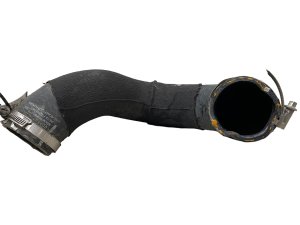
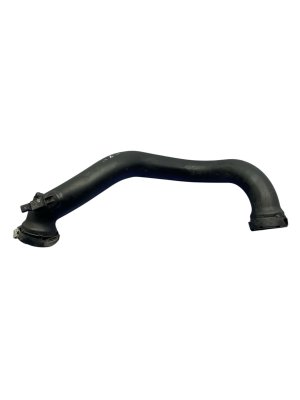
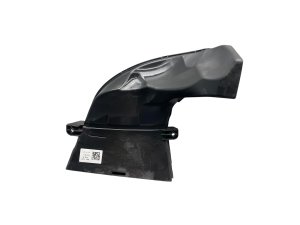
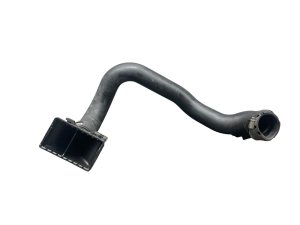
Buying a Used Engine Air Intake Resonator (Charge Pipe)

Given the known issues with the factory plastic parts, buying a used OEM charge pipe requires careful inspection. While a used part can be a cost-effective solution, you could be buying a part that is close to failing in the same way as your old one.
Warning: The primary reason this part fails is the material itself. A used OEM plastic pipe will have been subjected to the same heat and pressure cycles that caused the original to fail. An aluminum aftermarket replacement is a permanent solution, while a used OEM part may only be a temporary fix.
If you do choose to buy a used OEM part, here is what to inspect:
- Hairline Cracks: Carefully inspect the entire surface of the pipe, paying extremely close attention to the plastic seams, mounting tabs, and the areas where the pipe bends. Flex the pipe slightly in your hands to see if any hidden cracks open up.
- Connection Points: Check the ends of the pipe that connect to the intercooler and the throttle body. Ensure the locking tabs are not broken and the sealing surfaces are smooth and free of damage. Any nicks or gouges can prevent a proper seal.
- Brittleness and Discoloration: Feel the plastic. If it feels exceptionally hard, brittle, or chalky, it has been significantly degraded by heat and is likely to crack soon. Avoid parts that are discolored or show signs of heat stress.
- Internal Inspection: Look inside the pipe for heavy oil residue. While a light film is normal due to the PCV system, heavy pooling of oil could indicate other engine issues.
Cost Comparison for Replacement

The cost to fix a leaking charge pipe can vary significantly based on whether you choose an OEM part, an aftermarket upgrade, or do the labor yourself.
| Part Type | Estimated Cost |
|---|---|
| New OEM (Part # 80A145738D) | $175 - $250 |
| New Aftermarket (Aluminum) | $170 - $450 (Varies from single pipe to full kit) |
| Used OEM | $50 - $100 |
| Shop Labor | $225 - $375 |
Frequently Asked Questions (FAQ)
Is a loud hissing noise from my SQ5 normal?
No. While you may hear subtle turbo spooling sounds, a loud hiss under acceleration is not normal and almost always indicates a boost leak. The most common cause is a cracked charge pipe or a loose connection in the intake tract.
My car has a P0299 code. Is it definitely the charge pipe?
Not necessarily, but it is a very common cause. A P0299 code means the turbo system is not producing the expected amount of pressure. This can be from a leak in any of the charge pipes, a leak at the intercooler, a faulty diverter valve, or even a failing turbo. 🎬 Watch: DIY guide for replacing the turbocharger on this engine On the B9 SQ5, a leaking coolant pump has also been known to cause this code as a secondary fault. A thorough diagnosis is needed, 🎬 Watch: How to start your diagnosis on a P0299 fault but the charge pipes are the first place to check for leaks.
Is an aluminum aftermarket charge pipe better than the OEM plastic one?
Yes. The factory plastic pipes are known to become brittle and crack. Aftermarket charge pipes are typically made from mandrel-bent aluminum, which is much stronger and can handle higher temperatures and pressures without failing. For any owner, but especially those with tuned vehicles, an aluminum charge pipe is considered a crucial reliability upgrade.
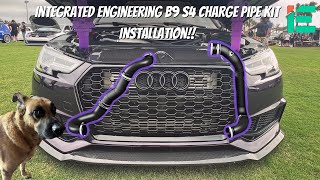
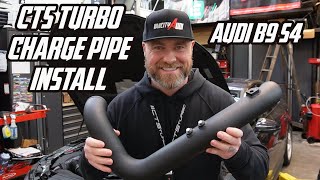
🎬 See this walkthrough for installing an upgraded aluminum charge pipeCan I replace just the one broken pipe?
Yes. You can replace just the single failed section (like part 80A145738D). However, many owners choose to replace the entire charge pipe system (both hot and cold sides) with an aluminum kit at the same time. Since all the factory plastic pipes are exposed to the same conditions, the failure of one is often an indicator that the others may fail soon. Aftermarket kits are often sold as a complete set for this reason.
Helpful Videos
Technical Specifications
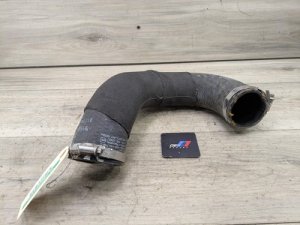
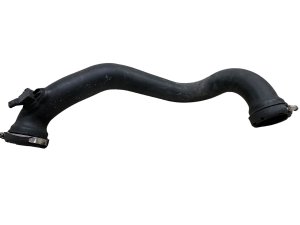
OEM Part Numbers: 80A145738D 80A-145-738-D
Material: Molded Plastic (OEM), Aluminum (Aftermarket) Location: Right (Passenger Side) Charge Air System
We Have This Part in Stock

The information in this article is provided for general reference and educational purposes only. Vehicle specifications, procedures, and part compatibility can vary by production date, trim level, and region. Always consult your vehicle's factory service manual and verify part numbers before purchasing or performing repairs. Safety-critical components such as airbags, seat belts, and braking systems should be installed by a qualified professional.
- Audi SQ5:
- 🎬 Helpful Videos
- 🛍️ Shop This Part
- Symptoms of a Failing Charge Pipe
- Loud Hissing or Whistling Noise
- Significant Loss of Power
- Check Engine Light with P0299 Code
- Known Issues and Technical Service Bulletins (TSBs)
- Buying a Used Engine Air Intake Resonator (Charge Pipe)
- Cost Comparison for Replacement
- Frequently Asked Questions (FAQ)
- 🎟️ Get 5% Off