

2019-2025 GM Truck & SUV Air Intake Resonator: Diagnosing Leaks, Noise, and Replacement
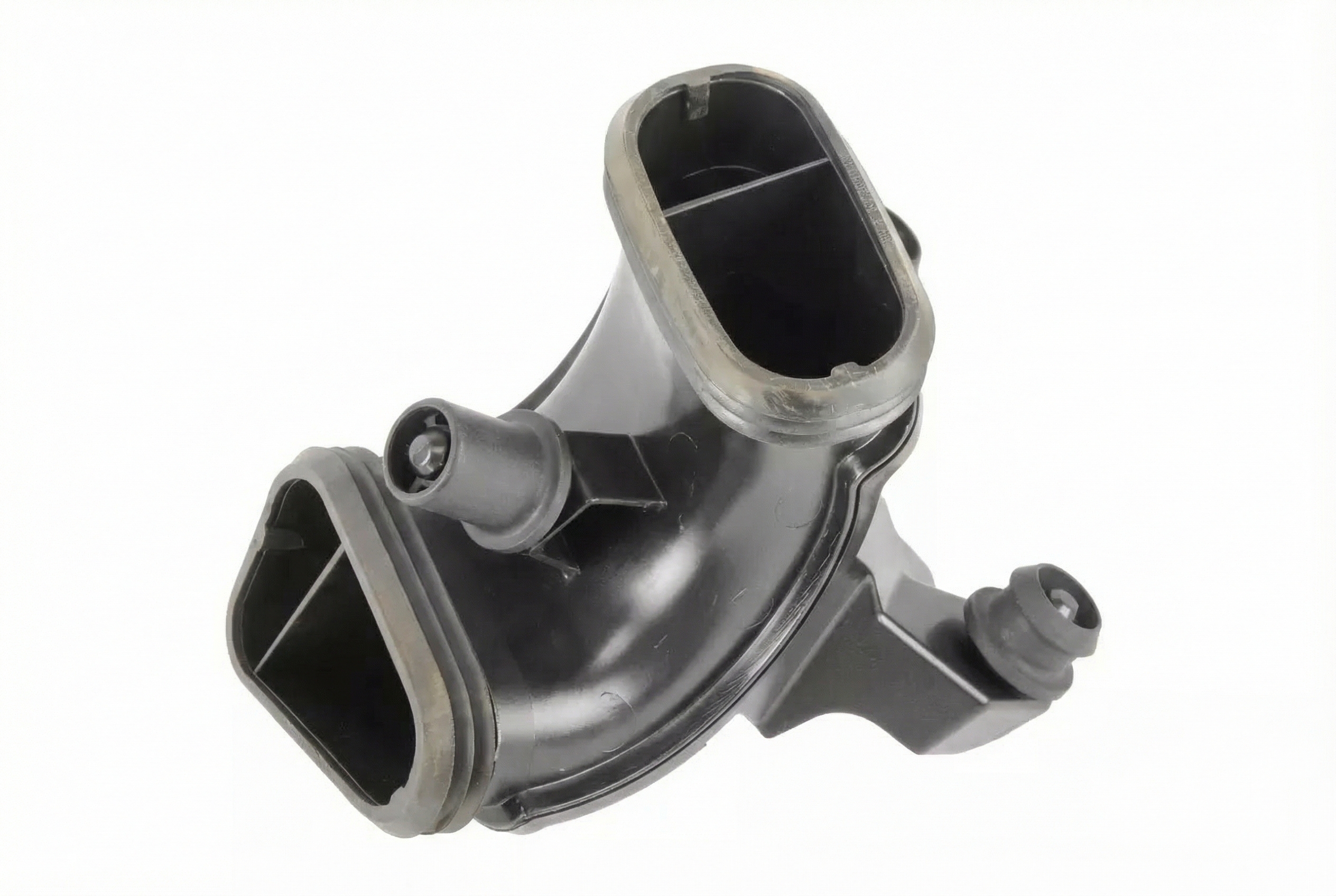
Your complete guide to the engine air intake resonator (GM Part 84467639) for the Chevrolet Silverado, GMC Sierra, Tahoe, Yukon, Cadillac Escalade, and more.
- This part (GM #84467639) is shared by 2019-2025 Silverado/Sierra and 2021-2025 full-size GM SUVs.
- Failure causes loud intake noise and can trigger a Check Engine Light due to unmetered air leaks.
- Replacement is very easy (DIY-friendly) and takes less than 30 minutes with basic tools.
- A used OEM part is the best budget option, as direct-fit aftermarket versions are not widely available.
Symptoms of a Failing Air Intake Resonator

As a large plastic component situated in the engine bay, the air intake resonator is susceptible to damage from front-end impacts, heat, and age. Failure typically involves a crack in the body or a broken mounting tab. Here are the common signs of a problem:
- Loud Whooshing or Sucking Noise: The most common symptom is a noticeable increase in engine intake noise. A crack or break allows sound waves to escape, resulting in a loud whooshing or whistling sound that gets louder with acceleration.
- Rattling from the Engine Bay: If a mounting tab breaks or the resonator itself is cracked, the component can become loose and rattle or vibrate against other parts in the engine bay.
- Check Engine Light (CEL): A cracked resonator creates an air leak. Since this part is located between the mass airflow (MAF) sensor and the engine, it allows unmetered and unfiltered air into the engine. This can disrupt the air-fuel ratio, leading to a rough idle, poor performance, and potentially triggering lean condition codes like P0171 and P0174. In severe cases, the car may stall or fail to run.
- Visible Cracks or Damage: A visual inspection may reveal obvious cracks, especially around the seams, mounting points, or the ports for smaller breather hoses.
Critical Platform-Wide Issue: 6.2L V8 Engine Recall
Owners of these vehicles equipped with the 6.2L V8 engine (RPO L87) should be aware of a major safety recall (NHTSA Campaign ID: 25V-274 / GM Recall: N252494001) for 2021-2024 models. The recall addresses manufacturing defects in the crankshaft and connecting rods that can lead to sudden loss of power or catastrophic engine failure. While this is unrelated to the air intake resonator, it is a critical safety issue for this vehicle platform. Contact a GM dealer with your VIN to see if your vehicle is affected.
Vehicle and Part Number Compatibility

This specific air intake resonator assembly is used across a wide range of GM's full-size trucks and SUVs built on the T1 platform, equipped with the 5.3L and 6.2L V8 engines. Always verify fitment for your specific vehicle.
🎬 Watch: Maintenance walkthrough for 6.2L Silverado and Sierra owners.Vehicles Covered:
- 2019-2025 Chevrolet Silverado 1500
- 2019-2025 GMC Sierra 1500
- 2021-2025 Cadillac Escalade & Escalade ESV
- 2021-2025 Chevrolet Tahoe & Suburban
- 2021-2025 GMC Yukon & Yukon XL
OEM Part Numbers:
GM has updated the part number for this assembly over time. The numbers below are interchangeable.
- Current Part Number: 84467639
- Superseded Part Numbers: 23376455, 84493959
Buying a Used Engine Air Intake Resonator

Since direct-fit aftermarket replacements are not common, a used OEM resonator is often the most cost-effective solution. A recycled OEM part guarantees correct fitment and the original acoustic tuning designed for your vehicle. When buying used, perform a careful inspection:
- Check for Cracks: Thoroughly inspect the entire plastic body, paying close attention to the molded seams, corners, and the area where the resonator chamber joins the main tube. Even a small hairline crack can cause noise and air leaks.
- Inspect All Mounting Points: Ensure all plastic mounting tabs and brackets are intact and free of stress marks or cracks. A broken tab will cause the part to be insecure and rattle.
- Verify Hose Ports: Check the small ports where the PCV and other breather hoses connect. Make sure they are not cracked or broken off.
- Confirm Part Number: If possible, match the part number on the used part to one of the OEM numbers listed above to ensure you're getting the correct component for your engine.
Cost Comparison
Replacing a broken air intake resonator is relatively inexpensive, especially if you do it yourself.
| Item | Estimated Cost |
|---|---|
| New OEM Part | $125 - $185 |
| New Aftermarket Part | Not readily available; full cold-air intake systems are the common aftermarket option ($300+). |
| Used OEM Part | $70 - $110 |
| Shop Labor Cost | $50 - $100 (approx. 0.5 hours) |
Replacement Procedure

Replacing the air intake resonator is a simple task that can be done with basic hand tools in under 30 minutes. This makes it an excellent DIY repair.
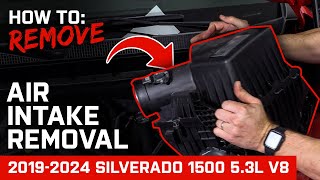
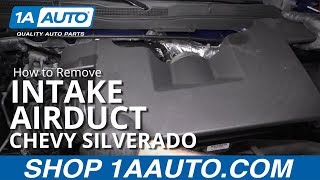
🎬 Watch: Step-by-step guide to removing the stock intake duct.Pro Tip: While the battery does not need to be disconnected for this specific repair, it is a good safety practice whenever working in the engine bay.
- Loosen Clamps: Using a flat-blade screwdriver or an 8mm socket, loosen the two large worm-gear clamps that secure the duct to the air filter housing and the throttle body.
- Disconnect Hoses: There are one or two smaller breather hoses connected to the duct, typically on the driver's side. These have quick-disconnect fittings. Press the tab on the fitting and pull the hose straight off the port.
- Remove the Duct: Once the clamps are loose and hoses are disconnected, you can pull the duct off the air filter housing and then off the throttle body. You may need to wiggle it a bit to free it. 🎬 See this quick demonstration on how to replace an intake hose.
- Install the New Duct: Installation is the reverse of removal. Slide the new duct onto the throttle body first, then onto the air filter housing. Reconnect the breather hoses (you should hear a click). Finally, tighten the two large worm-gear clamps until they are snug. Do not overtighten, as this can crack the plastic.
Frequently Asked Questions (FAQ)
Is it safe to drive with a broken air intake resonator?
You can drive the vehicle, but it's not recommended for long. A crack allows unfiltered air to enter your engine, which can damage internal components over time. It can also cause driveability issues like a rough idle or stalling. It's best to get it replaced soon.
Will removing the resonator and replacing it with a straight pipe improve performance?
Probably not. While it will certainly make your engine's intake louder, you may actually lose a small amount of low-end torque. The original resonator is tuned to work with the engine's airflow characteristics. Removing it can disrupt this tuning.
Is the air intake resonator required to pass a state inspection?
The resonator itself is not an emissions device. However, in states with strict visual inspections like California, a broken, modified, or missing resonator could potentially fail the inspection. Any visible hole in the intake system after the air filter is considered a defect that must be repaired.
My truck has the GM Performance Intake. Does this article apply?
No. This guide is for the standard factory air intake system. Vehicles with the optional GM Performance Air Intake (LPO codes RVK or 5W7) have a different design. Note that there was an emissions recall (N212333800) for some vehicles with the performance intake that required an ECM reprogram to ensure proper calibration.
Helpful Videos
Technical Specifications
OEM Part Numbers: 84467639 84493959 23376455
Material: Molded Plastic. Fits 5.3L and 6.2L V8 engines on the GM T1 vehicle platform.
We Have This Part in Stock

The information in this article is provided for general reference and educational purposes only. Vehicle specifications, procedures, and part compatibility can vary by production date, trim level, and region. Always consult your vehicle's factory service manual and verify part numbers before purchasing or performing repairs. Safety-critical components such as airbags, seat belts, and braking systems should be installed by a qualified professional.
- Chevrolet Silverado 1500:
- GMC Sierra 1500:
- Cadillac Escalade:
- Cadillac Escalade ESV:
- Chevrolet Tahoe:
- GMC Yukon:
- Chevrolet Suburban:
- GMC Yukon XL: