

2013-2017 Maserati Ghibli & Quattroporte Air Intake Resonator: Fixing Lean Codes and Rough Idle
Diagnose and understand the common failures of the 3.0L V6 engine's air intake resonators, which can cause check engine lights, rough running, and stalling.
- The most common failure is a crack in the plastic, causing a vacuum leak after the MAF sensor.
- Failure will almost always trigger a Check Engine Light with lean codes P0171 and P0174.
- Symptoms include a rough idle, stalling, hesitation on acceleration, and a whistling sound from the engine.
- A quality used OEM part is a cost-effective solution, as aftermarket replacements are generally not available.
Symptoms of a Failing Intake Resonator
When an intake resonator fails, it typically develops a crack or a leak at a seam. Because this part is located after the Mass Airflow (MAF) sensor, any leak allows unmetered air to enter the engine, leading to a lean air-fuel mixture. This will cause noticeable and frustrating drivability issues.
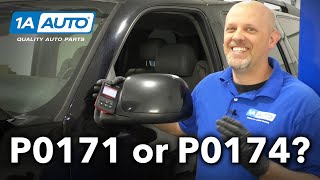
- Check Engine Light for Lean Codes (P0171, P0174): This is the most common symptom. The engine's oxygen sensors detect too much oxygen in the exhaust and trigger a Check Engine Light with codes P0171 (System Too Lean, Bank 1) and/or P0174 (System Too Lean, Bank 2). 🎬 Watch: Understanding lean codes and how to diagnose them.
- Rough or Unstable Idle: The engine may shake, idle erratically, or hunt for a stable RPM when stopped. In some cases, it may stall completely when you come to a stop.
- Hesitation and Poor Acceleration: When you press the gas pedal, the car may stumble or hesitate before accelerating. This is due to the engine control unit struggling to compensate for the incorrect air-fuel mixture.
- Audible Whistling or Sucking Noise: You may hear a distinct hissing or sucking sound from the engine bay, especially during acceleration. This is the sound of air being drawn through the crack in the plastic resonator or a failed seal.
Known Issues for Ghibli & Quattroporte 3.0L V6
The twin-turbocharged V6 engine in these Maserati models generates significant heat. Over thousands of heat cycles, the plastic intake components can become brittle and prone to cracking. Failures are not typically due to a manufacturing defect, but rather age and environmental stress.
- Heat-Induced Cracking: The resonators, which are molded plastic, are the most common failure point. Cracks often form along the seams where the two halves of the chamber are joined, or at the mounting points where they attach to the engine.
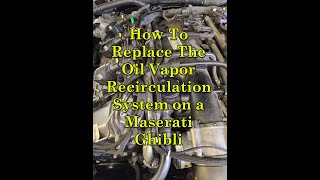
- Oil Contamination: Like many modern engines, the 3.0L V6 uses a Positive Crankcase Ventilation (PCV) system that can allow oil vapor into the intake tract. Some owners have reported finding oil inside the intake tubes and on the MAF sensors when diagnosing rough idle conditions. Over time, this oil can potentially degrade the plastic and rubber seals, contributing to leaks. 🎬 Watch: How to replace the oil vapor recirculation system.
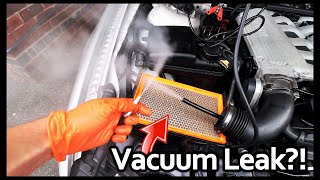
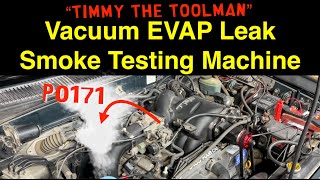
Pro Tip: A smoke test is the most effective way to diagnose a leak in the intake system. A mechanic can pump smoke into the intake tract with the engine off; the smoke will visibly escape from any cracks or bad seals, pinpointing the source of the leak.
🎬 See how to use a smoke tester to find leaks.Buying a Used Engine Air Intake Resonator
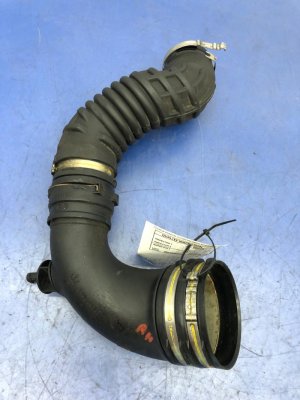
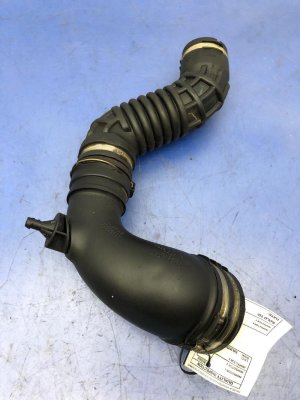
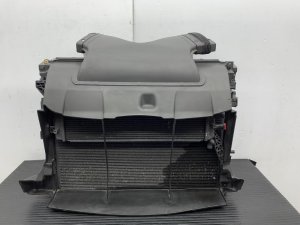
Since new OEM Maserati parts can be expensive and direct-fit aftermarket resonators are not readily available, a quality used OEM part is often the best value. These parts are simple in design, so a good visual inspection is usually sufficient to find a reliable replacement.
- Inspect for Cracks: Carefully examine the entire part, paying close attention to the seams and mounting tabs. Look for hairline cracks, which can be difficult to see. Flex the part gently in your hands to see if any hidden cracks open up.
- Check All Connections: Ensure all hose connections, sensor ports, and mounting brackets are intact and not broken. A part with a broken tab may not seal correctly or could vibrate and fail prematurely.
- Verify Part Numbers: The Ghibli and Quattroporte use a left-side and a right-side intake tube, and they are not interchangeable. Match the part number from your original part to the used replacement to guarantee correct fitment. For example, the left (driver's side) tube is often part number 670003846.
- Why Used OEM is a Good Choice: Unlike complex electronics, this is a simple molded plastic part. A used OEM resonator that is free of cracks and damage will function identically to a new one. It was designed by Maserati for the correct fit and acoustic properties, something aftermarket performance intakes change.
Replacement Cost Breakdown
Replacing a cracked intake resonator is a common repair. Below are estimated costs to help you budget for the repair.
| Part or Service | Estimated Cost |
|---|---|
| New OEM Resonator/Tube (Single) | $250 - $400 |
| Used OEM Resonator/Tube (Single) | $100 - $200 |
| Shop Labor Cost | $150 - $300 |
Note: Aftermarket options typically consist of full performance intake systems costing $1,000+, not individual resonator replacements. Remanufactured resonators are not available.
Frequently Asked Questions (FAQ)
Can I drive my Maserati with a cracked intake resonator?
It is not recommended for long periods. While the car may be drivable, the lean air-fuel mixture can cause poor performance, bad fuel economy, and in a worst-case scenario, lead to higher combustion temperatures that could potentially damage engine components over time.
Will removing the resonator improve performance?
No. Removing the resonator and patching the hole will primarily just make the intake noise louder. It is part of a tuned system, and removing it without other modifications is unlikely to yield any noticeable performance gains and may disrupt smooth power delivery.
Is this an emissions part I need to worry about for inspections?
The resonator itself is not a monitored emissions device. However, a leak will cause a lean condition that turns on the Check Engine Light. An illuminated Check Engine Light will cause the vehicle to fail an emissions inspection in most states.
Is this a difficult part to replace myself?
For a DIY mechanic with some experience, it is a manageable job. Access requires removing the engine cover, and potentially other hoses and components around the throttle body. The key is to be careful with the plastic clips and electrical connectors for the MAF sensors. The difficulty is estimated at 2 out of 5.
Helpful Videos
Technical Specifications
OEM Part Numbers: 670003846
Fits the 3.0L twin-turbocharged V6 gasoline engine only. Does not fit V8 or Diesel models.
We Have This Part in Stock

The information in this article is provided for general reference and educational purposes only. Vehicle specifications, procedures, and part compatibility can vary by production date, trim level, and region. Always consult your vehicle's factory service manual and verify part numbers before purchasing or performing repairs. Safety-critical components such as airbags, seat belts, and braking systems should be installed by a qualified professional.
- Maserati Ghibli:
- Maserati Quattroporte: