

2014-2016 Audi RS7 Engine Control Module: Programming, Component Protection, and Diagnosis
This in-depth guide covers the critical programming requirements, failure symptoms, and related engine issues for the 2014-2016 Audi RS7 ECM.
- A replacement ECM must be programmed by a dealer or specialist to remove 'Component Protection'; it is not a plug-and-play part.
- Symptoms like power loss and stalling can also be caused by a clogged turbo oil strainer, which is covered by Audi safety recall 21H7.
- When buying a used ECM, you must match the OEM part number and, for 2016 models, the engine ID 'CRDB'.
- Before replacing the ECM, rule out more common 4.0T engine issues like faulty PCV valves and ignition coils.
Understanding ECM Replacement on the Audi RS7
Replacing the Engine Control Module (ECM) on a 2014-2016 Audi RS7 is not a simple plug-and-play task. These vehicles use a sophisticated anti-theft system called Component Protection, which is the single most important factor to understand before you begin diagnosis or purchase a part.
Warning: A replacement ECM, whether new or used, will not function correctly until it is adapted to your vehicle by a qualified technician with the proper tools. The vehicle will likely not start, or will run in a limited-function mode, until this process is complete.
Component Protection and Programming Explained
Component Protection is an anti-theft feature that electronically links modules like the ECM to your specific vehicle's Vehicle Identification Number (VIN). When you install a different ECM, the car's systems will detect a mismatch and activate Component Protection, displaying a message and disabling full functionality.
To remove Component Protection and program the ECM, a technician needs:
- ODIS (Offboard Diagnostic Information System): This is Audi's proprietary diagnostic software.
- GeKo Access: A licensed, online connection to Audi's factory servers to verify the new part and adapt it to the vehicle's security database.
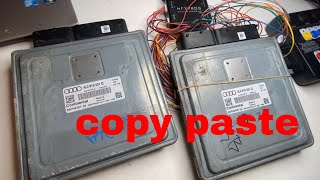
This means that programming must be done by an authorized Audi dealership or a very well-equipped independent specialist who subscribes to these services. A standard local mechanic or a DIY-er with tools like VAG-COM or OBDEleven cannot remove Component Protection. Some companies offer mail-in services where they clone the data from your original ECM to a donor unit, which can be a viable alternative.
Symptoms of a Failing ECM
While a true ECM failure is possible, it's important to rule out other common issues first. Symptoms of a bad ECM can be broad and often mimic other problems.
- Check Engine Light: A constant check engine light with various fault codes is a primary indicator.
- Engine Performance Issues: This can include random misfires, rough idling, hesitation, or a sudden loss of power.
- No-Start or Stalling: The engine may crank but not start, or it may stall intermittently while driving.
- Poor Fuel Economy: A sudden and significant drop in fuel mileage can indicate the ECM is not managing the engine's fuel mixture correctly.
- Communication Errors: Diagnostic tools may be unable to communicate with the ECM, or you may see U-codes like U0100 (Lost Communication with ECM).
Water intrusion from clogged cowl drains is a known cause of ECM failure on many vehicles, leading to corrosion on the circuit board. If you suspect ECM failure, it's wise to check the area around the module for any signs of moisture.
Related Engine Problems to Rule Out First
The 4.0L V8 engine in the RS7 has several well-documented issues that can cause symptoms similar to a failing ECM. Before replacing the computer, investigate these common culprits:
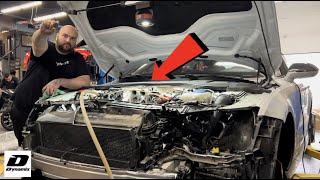
- Clogged Turbo Oil Strainer: This is the subject of a major safety recall (Audi Recall 21H7 / NHTSA 22V178000 🎬 Watch: How to fix the turbo oil starvation issue). A blocked strainer starves the turbochargers of oil, leading to failure. Symptoms include lack of power, rough idle, and engine stalling, which can easily be misdiagnosed as an ECM issue.
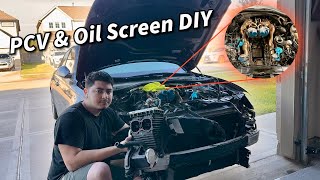
- PCV Valve Failure: A faulty PCV (Positive Crankcase Ventilation) valve is common and can cause rough idling, excessive oil consumption, and lean-running fault codes. 🎬 See this DIY guide for PCV and oil screen replacement
- Ignition Coil or Spark Plug Failure: This is a common maintenance item that will cause engine misfires and a flashing check engine light.
Pro Tip: Always perform a full vehicle diagnostic scan before condemning the ECM. The fault codes will provide crucial clues. For example, misfire codes (P0300-P0308) could be coils or plugs, while communication codes (U-codes) point more directly toward a module or wiring issue.
Buying a Used 2014-2016 RS7 ECM
Buying a used OEM ECM is a cost-effective option, but you must be extremely careful to ensure compatibility and have a plan for programming.
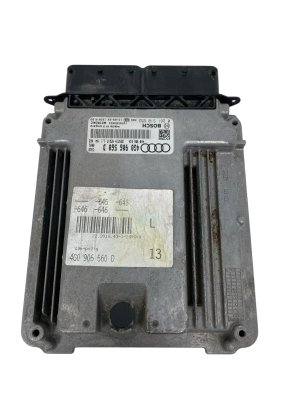
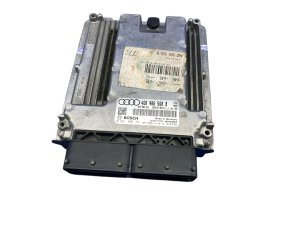
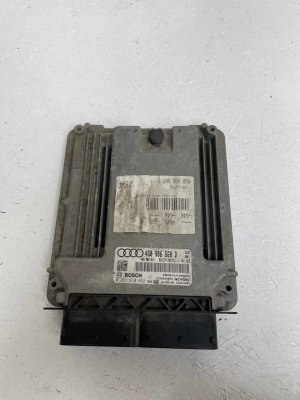
- Match the Part Number EXACTLY: The most critical step. Your replacement ECM must have the exact same OEM part number as the original. The primary part numbers for this range are 4G0906560 and 4G0906560B. Do not install a part with a different number.
- Verify Engine Compatibility: For 2016 models, the ECM must be from a vehicle with the engine ID CRDB. This is the standard 560hp engine. Do not use an ECM from a higher-output 'Performance' model (engine ID CWUC) or from a different vehicle like an S6 or S8, as the software and tuning will be incorrect.
- Inspect for Physical Damage: Check the used module for any signs of corrosion on the pins, case damage, or evidence that it has been opened. Water damage is a key concern.
- Have a Programming Plan: Before you buy, confirm that your local Audi dealer or a trusted independent specialist is willing and able to program a used ECM for you. Get a quote for this service, as it can be expensive. Alternatively, arrange for a mail-in cloning service.
Cost Comparison
The cost to replace an RS7 ECM varies widely based on the part source and labor for programming.
| Item | Estimated Cost |
|---|---|
| New OEM ECM | $2,000 - $3,000+ (Often on backorder or unavailable) |
| Used OEM ECM (Unprogrammed) | $200 - $600 |
| Remanufactured / Pre-Programmed ECM | $800 - $2,900 |
| Shop Labor (Physical Replacement) | $100 - $200 |
| Shop Labor (Programming & Component Protection Removal) | $250 - $600 |
Frequently Asked Questions (FAQ)
Can I replace the ECM myself?
Physically swapping the module is relatively easy for a DIY mechanic. However, the car will not run correctly until the Component Protection is removed and the module is programmed by a dealer or specialist with ODIS online access. Therefore, a complete DIY replacement is not feasible.
Will a used ECM from another RS7 work in my car?
Yes, but only if the part number and engine code compatibility are correct, and only after it has been professionally reprogrammed to your vehicle's VIN to remove Component Protection. You cannot simply swap it and drive.
My car is stalling and has no power. Is it the ECM?
It's possible, but you should first check for the 21H7 recall related to the turbo oil strainer. The symptoms of a failing turbocharger due to oil starvation are very similar to ECM failure. Have a technician verify the recall has been performed and check for turbo-related fault codes before assuming the ECM is bad.
What is the difference between part numbers 4G0906560 and 4G0906560B?
Part number 4G0906560B is a later revision of 4G0906560. In the world of OEM parts, a letter suffix change usually indicates a minor update, a different supplier, or a software revision. For replacement purposes, it's always best to match the exact part number from your original unit, but a specialist may be able to confirm interchangeability.
Helpful Videos
Technical Specifications
OEM Part Numbers: 4G0906560 4G0906560B
Fits 2014-2016 Audi RS7 with 4.0L V8 engine. 2016 models require engine ID CRDB.
We Have This Part in Stock

The information in this article is provided for general reference and educational purposes only. Vehicle specifications, procedures, and part compatibility can vary by production date, trim level, and region. Always consult your vehicle's factory service manual and verify part numbers before purchasing or performing repairs. Safety-critical components such as airbags, seat belts, and braking systems should be installed by a qualified professional.
- Audi RS7: