

1990-1996 Ford Escort, Mercury Tracer & Festiva ECM: Why Leaking Capacitors Cause No-Start Issues
This guide covers the common failure points, symptoms, and replacement tips for the Engine Control Module (ECM) in the 1991-1996 Ford Escort, 1991-1996 Mercury Tracer, and 1990-1993 Ford Festiva.
- This ECM does NOT require programming; it is a plug-and-play part as long as the part number matches exactly.
- The most common cause of failure is leaking internal capacitors that corrode the circuit board, leading to a wide range of intermittent electrical problems.
- This module fits the 1991-1996 Ford Escort and Mercury Tracer ONLY with the 1.8L DOHC engine, and the 1990-1993 Ford Festiva with the 1.3L engine.
- Symptoms of failure often include a no-start condition, random stalling, or a fuel pump that runs continuously with the key on.
Symptoms of a Failing ECM
A failing ECM in a Ford Escort, Mercury Tracer, or Ford Festiva can cause a variety of confusing and intermittent problems. Because the ECM is the engine's brain, symptoms can be widespread and often mimic other component failures. The most common cause of failure in these specific modules is internal capacitor leakage, which corrodes the circuit board and leads to unpredictable behavior.
- No Start or Intermittent Starting: The engine will crank over but will not start. This is one of the most common symptoms, often caused by the ECM failing to command spark or fuel injection.
- Engine Stalls Unexpectedly: The vehicle may run fine for a period and then suddenly shut off for no apparent reason.
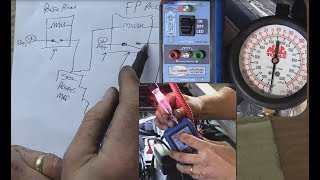
- No Spark or No Fuel: You may diagnose a no-start condition and find that there is no spark from the ignition coil or that the fuel pump is not activating. A tell-tale sign of an EEC-IV capacitor issue is a fuel pump that runs continuously whenever the key is in the 'on' position, instead of just priming for a few seconds. 🎬 See how to troubleshoot EEC-IV no-start and fuel issues.
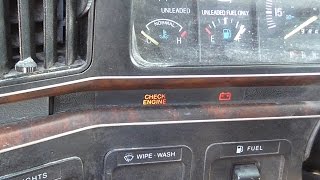
- Check Engine Light: An illuminated Check Engine Light is a clear indicator of a problem, though it can point to many different faults. If the ECM itself is failing, it may not be able to communicate with a diagnostic tool at all.
- Poor Engine Performance: This can include rough idling, misfiring, hesitation during acceleration, and a noticeable decrease in fuel economy.
A Note on Diagnostic Codes (OBD-I)
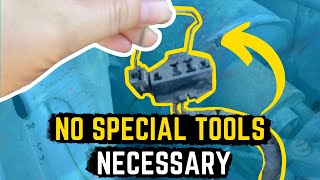
These vehicles use an older diagnostic system called OBD-I (also known as EEC-IV). They do not have the familiar 16-pin OBD-II port under the dashboard that is standard on 1996 and newer vehicles. Instead, codes are retrieved by locating a diagnostic connector in the engine bay and using a jumper wire or paperclip to connect two specific terminals. With the jumper in place, turning the key to the 'on' position will cause the Check Engine Light to flash in a sequence, revealing two or three-digit trouble codes.
🎬 Watch: How to check OBD-I codes using a paperclip.Known Issues, TSBs, and Recalls
The EEC-IV Leaking Capacitor Plague
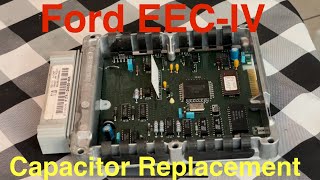
The single most common failure for these ECMs is the deterioration of the internal electrolytic capacitors. Over decades, these components can leak an acidic fluid onto the circuit board. This corrosive fluid eats away at the delicate copper traces on the board, causing short circuits and open circuits. This is why symptoms are often intermittent at first and worsen over time as the corrosion spreads. When inspecting a used or failed module, this damage is often visible as a black or greenish residue around the base of the capacitors.
There are no major recalls specifically for the ECM on the 1991-1996 Ford Escort, 1991-1996 Mercury Tracer, or 1990-1993 Ford Festiva. A general Technical Service Bulletin (TSB) was issued by Ford regarding the use of a specific electrical grease (F8AZ-19G208-AA) to prevent moisture and corrosion at electrical terminals, which is good practice when replacing the ECM connector.
Replacement and Programming Information
Pro Tip: No programming is required for this ECM. These vehicles were manufactured before the widespread adoption of programmable, VIN-matched computers and anti-theft systems. As long as you install an ECM with the exact same part number and calibration code as your original, it is a plug-and-play replacement.
Locating the ECM
- 1991-1996 Ford Escort & Mercury Tracer: The ECM is located inside the passenger compartment, within the center console, typically below the radio and heater controls. Access requires removing the center console trim pieces.
- 1990-1993 Ford Festiva: The ECM is found inside the cabin, usually under the dashboard on the passenger side, sometimes behind the glove compartment.
Step-by-Step Replacement (General Guide)
- Disconnect the Battery: Always disconnect the negative battery terminal before working on any electronic components.
- Access the Module: Remove the necessary interior trim panels (center console for Escort/Tracer, glove box or under-dash panels for Festiva) to expose the ECM.
- Disconnect the Wiring Harness: The main wiring harness is connected to the ECM with a single bolt (often 10mm) in the center of the connector. Loosening this bolt will allow you to pull the connector straight off.
- Remove the ECM: Remove the bolts or clips holding the ECM to its mounting bracket.
- Install the New Module: Mount the replacement ECM, reconnect the wiring harness securely, and re-install all trim panels.
- Reconnect the Battery: Reconnect the negative battery terminal. The vehicle is now ready to start.
Buying a Used Engine Control Module
A used OEM module is often a reliable and cost-effective solution for these vehicles. Since they do not require programming, the primary challenge is finding a compatible, working unit.
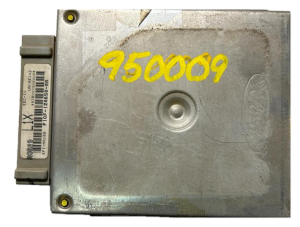
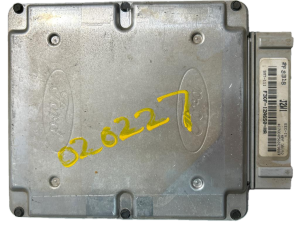
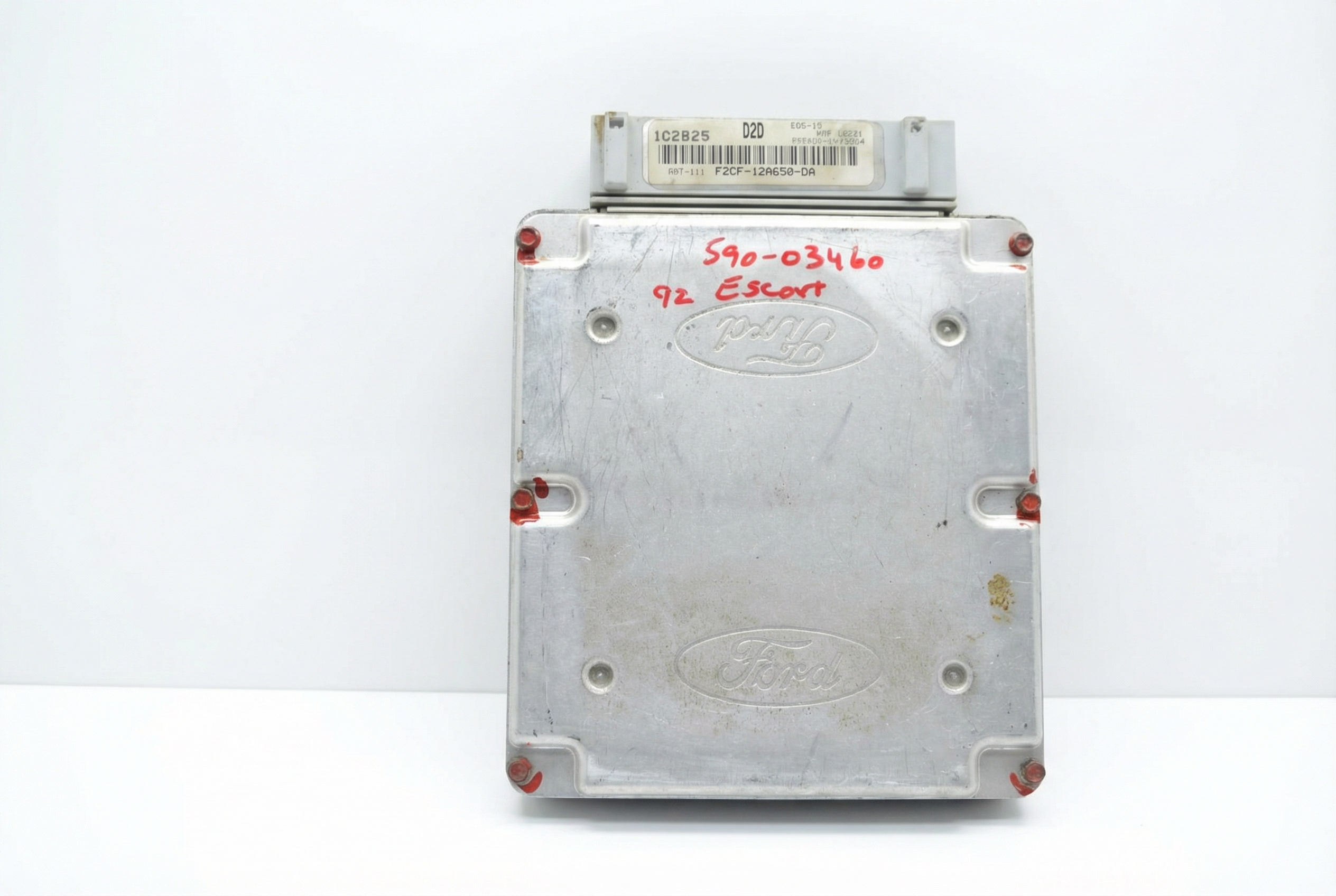
- Match the Part Number Exactly: This is the most critical step. The part number is printed on a sticker on the ECM's case. There are many variations for different engines, transmissions (manual vs. automatic), and emissions standards (Federal vs. California). The part number must be an exact match to ensure compatibility.
- Inspect for Capacitor Leakage: If possible, ask the seller for a clear photo of the circuit board or inspect it yourself. Look for any dark, sticky residue around the capacitors, which indicates leakage and potential damage. Avoid units with visible corrosion.
- Check for Prior Repairs: Look for signs that the case has been opened, such as pry marks or non-factory sealant. While a properly repaired unit can be reliable, a poorly attempted repair can cause more problems.
- Why Used OEM is a Good Option: For these older vehicles, a tested, original equipment part from a running vehicle can be more reliable than a poorly remanufactured aftermarket unit. The original Ford engineering was robust, with the primary failure point being the age-related capacitor issue.
Cost Comparison
Pricing can vary based on availability and condition. New OEM modules are generally no longer available from Ford.
| Part Type | Estimated Cost |
|---|---|
| New OEM | Not Generally Available |
| Remanufactured Aftermarket | $120 - $300 |
| Used OEM | $50 - $150 |
| Shop Labor for Replacement | $100 - $200 |
Frequently Asked Questions
Does the ECM for a 1994 Ford Escort need to be programmed?
No. ECMs for this generation of Escort, Tracer, and Festiva are not programmed to the vehicle's VIN. As long as the part number on the replacement module matches your original module, it will be plug-and-play.
Can a bad ECM cause my automatic transmission to shift incorrectly?
Yes. The ECM (or PCM) controls both the engine and the transmission. A failing module can cause harsh shifting, delayed shifting, or other transmission-related symptoms.
Will an ECM from an Escort with a 1.9L engine work in my Escort with the 1.8L DOHC engine?
No. The ECM is calibrated specifically for the engine and drivetrain it was designed for. You must use an ECM intended for your specific engine (1.8L for Escort/Tracer, 1.3L for Festiva) and transmission type.
Is it possible to repair my original ECM?
Yes, it is often possible. The most common failure is leaking capacitors, and someone with good electronics soldering skills can replace these components and clean the board. There are also services that specialize in rebuilding these specific EEC-IV modules.
🎬 Watch: Step-by-step guide to replacing leaking ECM capacitors.Helpful Videos
Technical Specifications
OEM Part Numbers: F0BZ12A297A BP0118251 DYE635 19017171 940038566
Ford EEC-IV (Electronic Engine Control, 4th Generation) architecture. OBD-I diagnostics.
We Have This Part in Stock
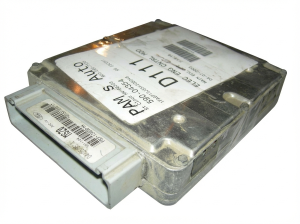
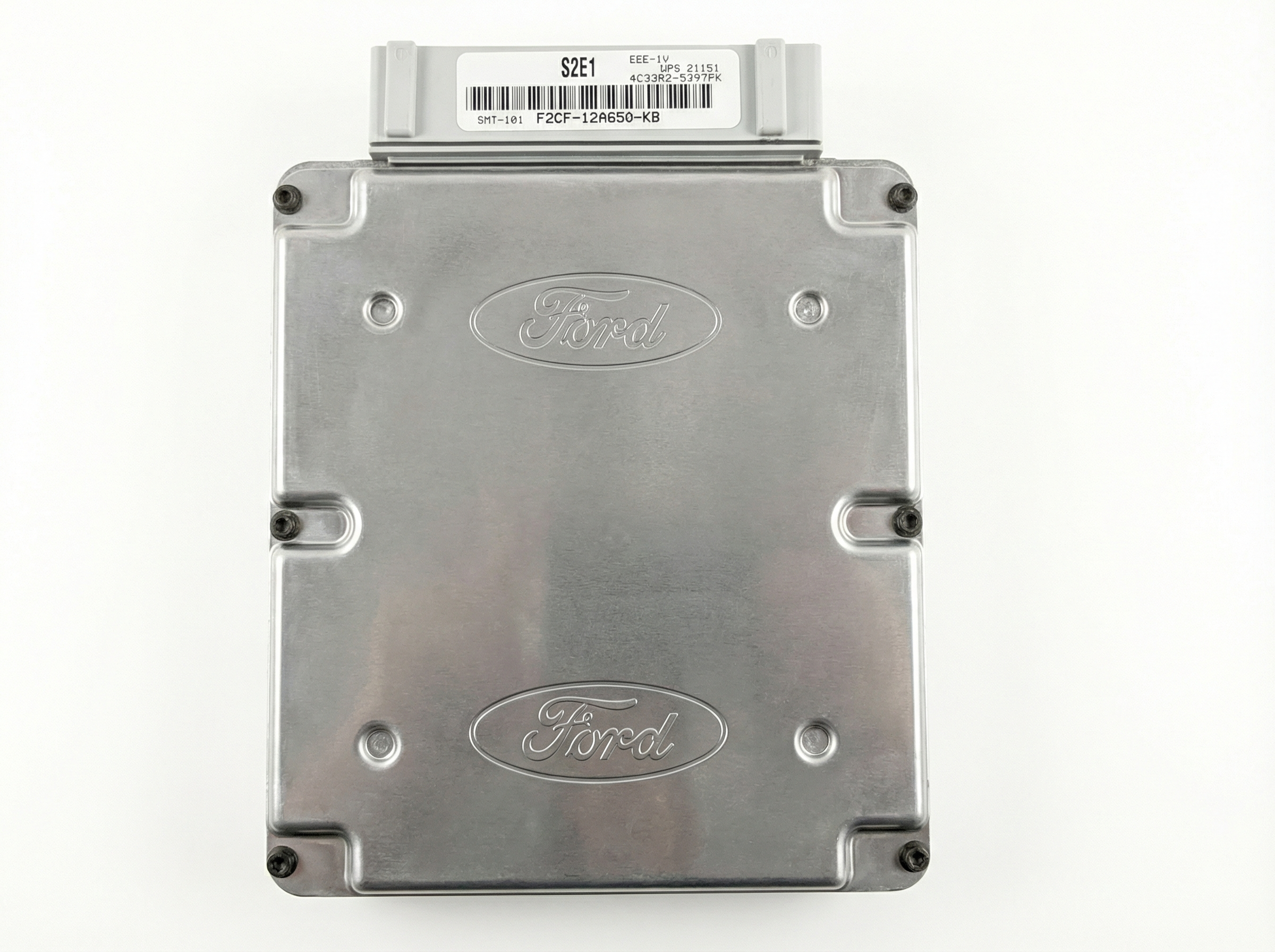

The information in this article is provided for general reference and educational purposes only. Vehicle specifications, procedures, and part compatibility can vary by production date, trim level, and region. Always consult your vehicle's factory service manual and verify part numbers before purchasing or performing repairs. Safety-critical components such as airbags, seat belts, and braking systems should be installed by a qualified professional.
- Ford Escort:
- Mercury Tracer:
- Ford Festiva:
- 🎬 Helpful Videos
- 🛍️ Shop This Part
- Symptoms of a Failing ECM
- A Note on Diagnostic Codes (OBD-I)
- Known Issues, TSBs, and Recalls
- The EEC-IV Leaking Capacitor Plague
- Replacement and Programming Information
- Locating the ECM
- Step-by-Step Replacement (General Guide)
- Buying a Used Engine Control Module
- Cost Comparison
- Frequently Asked Questions
- 🎟️ Get 5% Off