

2001 Ford Explorer & Sport Trac PCM Guide: Solving Stalls, No-Starts, and PATS Issues
This guide covers the common failure symptoms, replacement costs, and critical anti-theft programming for the Powertrain Control Module in the 2001 Ford Explorer and Explorer Sport Trac.
- This PCM is NOT plug-and-play. It requires professional programming to sync with the vehicle's PATS anti-theft system.
- You MUST match the ID number YL5F-CC from your original module. There are no substitutes.
- Common failure symptoms include engine stalling, no-starts, erratic shifting, and a flashing theft light.
- A locksmith or well-equipped independent shop can typically perform the required key relearn procedure for less than a dealer.
Symptoms of a Failing PCM
A faulty Powertrain Control Module in a 2001 Ford Explorer or Explorer Sport Trac can cause a wide range of confusing and often intermittent problems. Because the PCM controls both the engine and transmission, symptoms can appear in either system and are frequently misdiagnosed. Watch for these common warning signs:
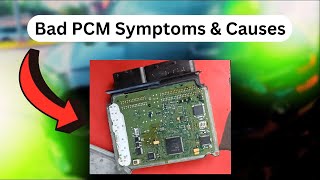
🎬 Watch: A breakdown of the top 8 symptoms of a bad PCM.- Engine Performance Problems: This is the most common set of symptoms. You might experience the engine stalling for no reason, a rough or unstable idle, hesitation when you step on the gas, engine misfires, or a noticeable loss of power.
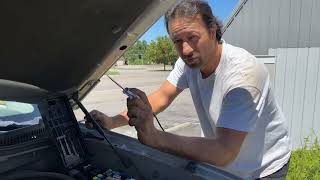
- No-Start or Intermittent Start: The engine may crank over but refuse to start. In other cases, it might start sometimes but not others, leaving you stranded without warning. 🎬 See this walkthrough of a Ford Explorer no-start diagnosis. This happens when the PCM fails to command the fuel injectors or ignition coils to fire.
- Check Engine Light: A constant or flashing Check Engine Light is a sure sign the onboard diagnostic system has detected a problem. While many issues can trigger the light, specific codes in the P06xx range often point directly to an internal PCM failure. You may also get a cascade of seemingly unrelated sensor codes.
- Poor Fuel Economy: If you notice a sudden, significant drop in your gas mileage, it could be because the PCM is commanding an incorrect air-fuel mixture, causing the engine to run too rich.
- Erratic Transmission Shifting: Since the PCM also controls the automatic transmission, a failing module can cause harsh shifts, delayed shifting, or getting stuck in one gear.
- PATS Anti-Theft Light Flashing: If the red "theft" light on your dashboard is flashing rapidly when you try to start the car, it indicates a communication failure between the PCM and the Passive Anti-Theft System (PATS).
Buying a Used 2001 Explorer or Sport Trac PCM
Purchasing a used PCM can be a cost-effective solution, but careful matching is critical. This is not a part where "close enough" works. Follow these guidelines to ensure you get the right module.
1. Match the ID Engineering Number EXACTLY
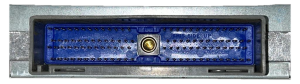
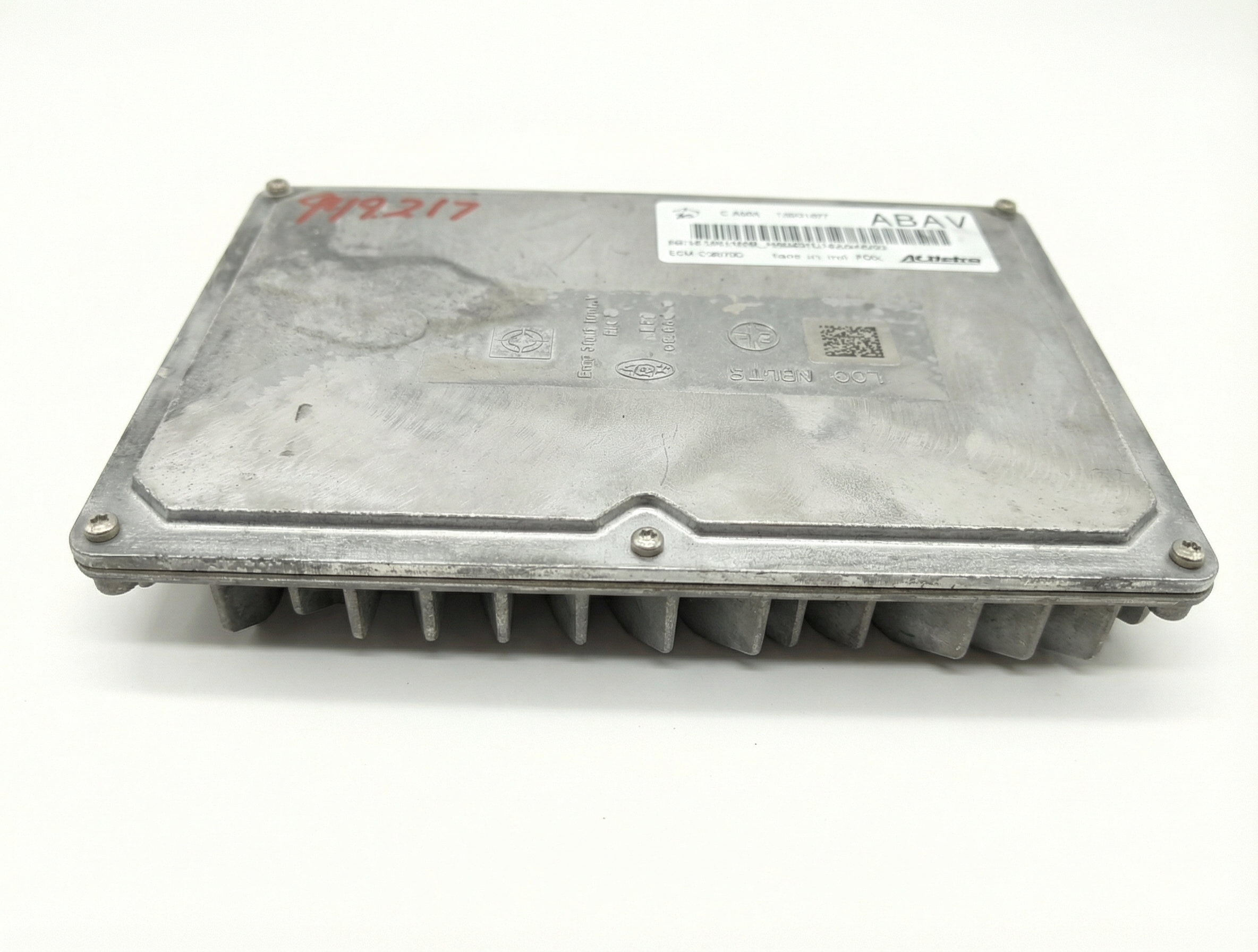
Warning: This is the most important step. You MUST match the large-print ID number on your original PCM's sticker. For these vehicles, the required ID is YL5F-CC. Do not order a part based on vehicle year and model alone. Ford produced many variations of this PCM for different engine, transmission, and emissions configurations. Installing a PCM with a different ID number will result in a no-start condition or severe drivability problems, even if it looks identical.
The OEM service part numbers that correspond to this ID include YL5F-12A650-CC, YL5Z-12A650-CC, YL5F12A650CC, YL5F12A650CCMR, YL5FCC, and YL5FCCMR. As long as the main ID 'YL5F-CC' matches, the unit is correct.
2. Physical Inspection
When you receive your used PCM, inspect it carefully before installation:
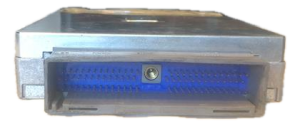
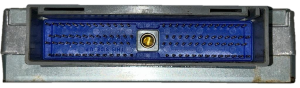
- Connector Pins: Check the large multi-pin connector for any signs of corrosion (green or white powder), bent pins, or pushed-in pins. Water intrusion is a common cause of PCM failure, and it often starts at the connector.
- Case Condition: Look for any signs that the case has been pried open. This could indicate a failed repair attempt. While minor scratches from removal are normal, deep gouges or dents are a red flag.
- Water Damage: Check for any tide marks or rust stains on the aluminum case, which would indicate it was submerged or exposed to significant moisture.
Programming, Anti-Theft, and Installation
Warning: This PCM is NOT plug-and-play. It is linked to the vehicle's Passive Anti-Theft System (PATS). If you install a new or used PCM without the proper programming procedure, the vehicle will crank but will not start.
Anti-Theft (PATS) System Integration
The 2001 Ford Explorer and Sport Trac use a PATS system that requires the PCM to recognize the coded transponder chips in your ignition keys. When you replace the PCM, the new module does not have your key information stored. To make the car start, the keys must be relearned to the replacement PCM.
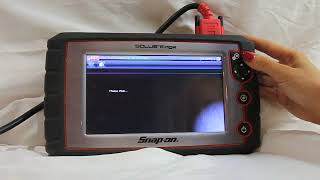
This process is often called a "parameter reset." It requires a professional-grade scan tool with specific Ford capabilities. This is not something a basic OBD-II code reader can do. 🎬 Watch: How the Ford PATS key relearn procedure works. The procedure involves putting the PATS system into a learning mode, which then allows it to accept the new PCM and relearn the existing keys.
Who Can Program the PCM?
- Ford Dealership: Has the guaranteed correct tools and software.
- Automotive Locksmith: Most mobile and shop-based locksmiths have advanced scan tools capable of performing the Ford PATS parameter reset. This is often cheaper and more convenient than a dealer.
- Independent Repair Shops: Many well-equipped independent shops have the necessary scan tools (like Snap-on, Autel, or a J2534 pass-thru device) to perform this function.
- DIY with FORScan: An advanced DIYer with a Windows laptop, a compatible OBD-II adapter, and the FORScan software may be able to perform the parameter reset and key relearn procedure. This is a complex option not recommended for beginners.
Pro Tip: Some online retailers sell remanufactured PCMs that come pre-programmed to your vehicle's VIN. Some even offer an option to include newly programmed keys, which can simplify the process. However, a parameter reset may still be required on-vehicle. Always clarify the exact procedure with the seller before purchasing.
Known Issues, Recalls, and TSBs
As of early 2026, there are no specific recalls or widespread Technical Service Bulletins (TSBs) from Ford directly targeting the YL5F-CC PCM itself for the 2001 Explorer or Sport Trac. Most failures are due to age, electronic component degradation, or external factors like water and voltage spikes.
- NHTSA Recall 03V094000: This recall affects some 2001 Explorers but is related to potential overheating of courtesy lights in aftermarket running boards and is not related to the PCM.
Replacement Location and Procedure
The PCM in the 2001 Ford Explorer and Explorer Sport Trac is located in the engine bay, on the passenger side firewall. It is typically mounted vertically behind a plastic shield and near the A/C accumulator.
- Disconnect the Battery: Always disconnect the negative battery terminal before working on any electronic components.
- Access the PCM: You may need to remove a plastic cover or other components to gain clear access.
- Disconnect the Wiring Harness: A single 10mm bolt typically holds the large wiring harness connector to the PCM. Loosen this bolt completely (it will not come all the way out of the connector), and then wiggle the connector off.
- Unbolt the PCM: Remove the bolts holding the PCM bracket to the firewall.
- Install the New PCM: Bolt the replacement PCM in place, reconnect the wiring harness securely, and tighten the 10mm center bolt until it is snug. Reconnect the battery.
- Perform PATS Relearn: The vehicle will not start until the PATS key relearn procedure (parameter reset) is completed by a qualified technician or locksmith.
Cost Comparison
| Part Type | Estimated Cost |
|---|---|
| New OEM | $600 - $800+ (if available) |
| Remanufactured | $250 - $450 |
| Used OEM | $50 - $150 |
| Shop Labor (Replacement & Programming) | $150 - $300 |
Frequently Asked Questions (FAQ)
What's the difference between an ECM and a PCM?
An ECM (Engine Control Module) only manages the engine. A PCM (Powertrain Control Module) is a more integrated unit that manages both the engine and the transmission. For a 2001 Ford Explorer with an automatic transmission, the correct term is PCM, although the terms are often used interchangeably.
Will my car start right after I install a used PCM?
No. Because of the PATS anti-theft system, the engine will crank but will not start until a key relearn procedure, known as a parameter reset, is performed with a professional scan tool.
Can I use a PCM from a Ranger or a different year Explorer?
No. You must use a PCM with the exact same ID engineering number (YL5F-CC). Even if the plugs match, the internal software and hardware are calibrated for the specific engine, transmission, and emissions equipment of the 2001 Explorer and Sport Trac. Using the wrong module will cause performance issues or a no-start condition.
Do I need my old keys to program the new PCM?
Yes. The standard procedure involves teaching the replacement PCM to recognize your existing, working keys. You will need at least two original (non-cloned) keys for a technician or locksmith to perform the relearn procedure correctly.
Helpful Videos
Technical Specifications
OEM Part Numbers: YL5F-12A650-CC YL5F12A650CC YL5F12A650CCMR YL5FCC YL5FCCMR YL5Z-12A650-CC YL5Z12A650CC
Hardware ID: YL5F-CC
We Have This Part in Stock

The information in this article is provided for general reference and educational purposes only. Vehicle specifications, procedures, and part compatibility can vary by production date, trim level, and region. Always consult your vehicle's factory service manual and verify part numbers before purchasing or performing repairs. Safety-critical components such as airbags, seat belts, and braking systems should be installed by a qualified professional.
- Ford Explorer:
- Ford Explorer Sport Trac:
- 🎬 Helpful Videos
- 🛍️ Shop This Part
- Symptoms of a Failing PCM
- Buying a Used 2001 Explorer or Sport Trac PCM
- 1. Match the ID Engineering Number EXACTLY
- 2. Physical Inspection
- Programming, Anti-Theft, and Installation
- Anti-Theft (PATS) System Integration
- Who Can Program the PCM?
- Known Issues, Recalls, and TSBs
- Replacement Location and Procedure
- Cost Comparison
- Frequently Asked Questions (FAQ)
- 🎟️ Get 5% Off