

1999-2001 Explorer & Mountaineer ECM: Solving Stalls, No-Starts, and Programming Headaches
This guide covers the common failure symptoms, replacement costs, and critical anti-theft programming requirements for the Engine Control Module in 1999-2001 Ford Explorer and Mercury Mountaineer SUVs.
- This ECM is NOT plug-and-play; it requires professional programming to the vehicle's VIN and syncing with the anti-theft system (PATS).
- Failure symptoms are often engine-related, including stalling, no-starts, misfires, and poor performance.
- Always match the OEM part number exactly (e.g., XL2F-12A650-PE) from your old unit to the replacement.
- A remanufactured, pre-programmed ECM is often a better value than a used part from a junkyard due to included testing, warranty, and programming.
Symptoms of a Failing ECM
A faulty Engine Control Module in a 1999-2001 Ford Explorer or Mercury Mountaineer can cause a variety of confusing and intermittent issues. Because the ECM controls so many different systems, symptoms can often be misdiagnosed. Watch for these common warning signs:
- Engine Performance Issues: This is the most common category of symptoms. You may experience random engine stalling, rough idling, hesitation during acceleration, engine misfires, or a general loss of power.
- Failure to Start: The vehicle may crank but refuse to start, or it might start only intermittently. This happens when the ECM fails to send the correct signals to the fuel injectors or ignition system.
- Check Engine Light: An illuminated Check Engine Light is a definite sign that the onboard diagnostic system has detected a fault. While many issues can trigger this light, specific codes may point directly to an internal ECM failure.
- Poor Fuel Economy: If you notice a sudden and significant drop in your gas mileage, it could be due to the ECM sending incorrect data to the fuel system, causing the engine to run too rich.
- Erratic Transmission Shifting: The ECM works with the transmission control module. A failing ECM can cause harsh or unpredictable shifting in automatic transmissions.
Common Diagnostic Trouble Codes (DTCs)
While many codes can be associated with a failing ECM, some are more specific than others. If you see any of the following codes, there is a strong possibility the ECM itself is the problem:
- P1602: Immobilizer/ECM Communication Error. This indicates a problem with the communication between the anti-theft system and the engine computer.
- P1605: Keep Alive Memory (KAM) Test Failure. This code means the ECM's memory is not being retained when the vehicle is off, which can be a sign of internal failure.
- P1608: Internal ECM Malfunction. This is a direct indication that the ECM has detected an internal processing error.
- U-Series Codes (e.g., U0100): Codes beginning with 'U' indicate a loss of communication between modules on the vehicle's data network. If other modules cannot communicate with the ECM, the ECM may be faulty.
Known Issues, TSBs, and Recalls
For the 1999-2001 Ford Explorer and Mercury Mountaineer, there are no widespread recalls specifically targeting the Engine Control Module for defects. However, these vehicles were subject to other recalls that owners should be aware of:
- NHTSA Campaign ID: 03V280000 (Ford Recall 03S03): This recall was for a speed control cable that could bind, potentially preventing the throttle from returning to idle. This affected 1999-2001 Explorer and Mountaineer models.
- NHTSA Campaign ID: 00V072000 (Ford Recall 00S04): This recall addressed a potential lock-up of the Generic Electronic Module (GEM), which could affect the operation of wipers, interior lights, and the 4x4 system. This is a separate computer from the ECM.
While not a recall, a common failure point for older electronics like this ECM is the internal capacitors on the circuit board. Over time, these can leak or fail, leading to intermittent and unpredictable symptoms, especially during cold weather.
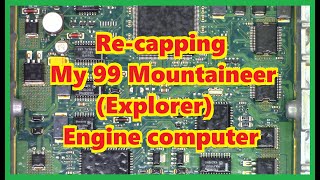
🎬 Watch: How to replace failing capacitors on your ECM boardProgramming and Anti-Theft System (PATS)
Warning: This is the most critical information for anyone replacing this ECM. This module is NOT plug-and-play. It must be programmed to your vehicle's specific Vehicle Identification Number (VIN) to function.
These vehicles are equipped with Ford's Passive Anti-Theft System (PATS). The ECM is a key component of this system. When you replace the ECM, the new module will not recognize your existing keys, and the vehicle will not start.
Parameter Reset Procedure
To make the new ECM work, a procedure called a "Parameter Reset" must be performed using a compatible professional scan tool. This procedure syncs the vehicle's anti-theft module with the replacement ECM. After the parameter reset, all existing keys must be erased from the system, and at least two keys must be programmed into the new setup.
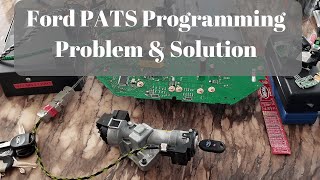
🎬 See this guide on troubleshooting Ford PATS key programming issuesWho Can Program the ECM?
- Ford/Lincoln/Mercury Dealerships: They have the factory tools and training to perform the programming correctly.
- Automotive Locksmiths: Many professional locksmiths have advanced scan tools capable of performing the parameter reset and key programming.
- Independent Repair Shops: A well-equipped independent shop with modern diagnostic tools can also perform this service.
Before buying, confirm that you have a local professional who can program the module for you. Some online retailers sell pre-programmed ECMs, which can simplify the process, but you will still likely need a locksmith to reprogram your keys to the replacement module.
Buying a Used Engine Control Module (ECM)
A used OEM ECM can be a cost-effective solution, but it's essential to buy smart to avoid creating new problems. Here’s what to look for:
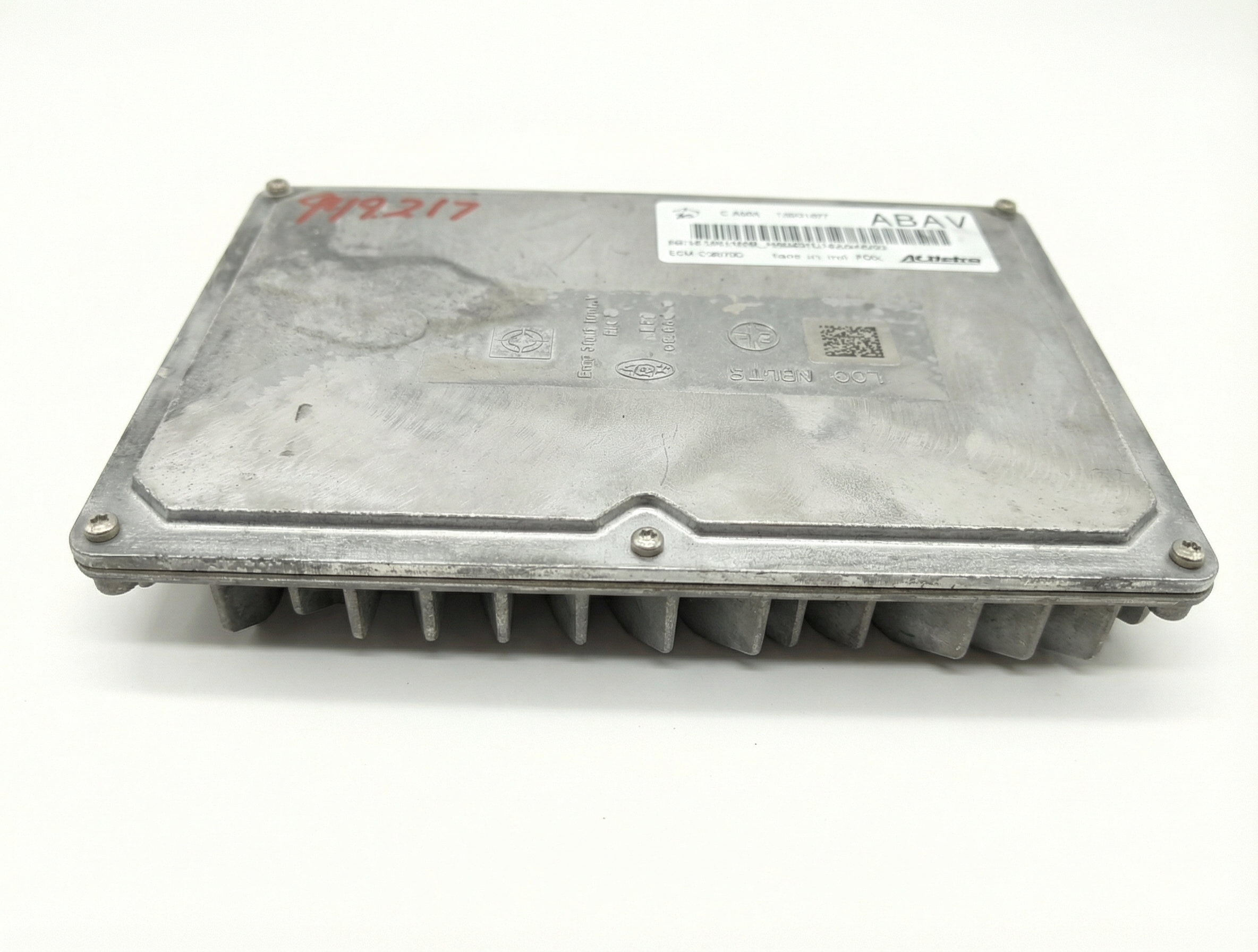
- Match the Part Number Exactly: The most important step is to match the OEM part number from your original ECM. The primary part number for these vehicles is often XL2F-12A650-PE, but always verify the number on your specific unit. Even a one-letter difference can mean incompatibility.
- Physical Inspection: When you receive the used module, inspect the case for any signs of physical damage, like dents or cracks. Check the electrical connector pins to ensure they are straight and free of corrosion.
- Source Matters: Buying from a reputable recycler that offers a warranty is crucial. This gives you protection in case the part is defective. A junkyard part with no history is a bigger gamble.
- Consider a Remanufactured Unit: Often, a professionally remanufactured and pre-programmed ECM is a better value. These units have been tested, common failure points (like old capacitors) have been replaced, and they often come with a lifetime warranty. This can be cheaper than buying a used unit and paying separately for programming.
Pro Tip: For the 2001 Ford Explorer, this ECM is specific to 4-door models and excludes the Explorer Sport Trac. Always double-check vehicle compatibility before purchasing.
Cost Breakdown
The cost to replace the ECM can vary significantly based on the part source and labor rates in your area. Here are typical price ranges to expect:
| Part/Service | Estimated Cost | Notes |
|---|---|---|
| New OEM | $800 - $1,200+ | Typically only available from a dealership and may be hard to find for this age of vehicle. |
| New Aftermarket | Not Commonly Available | The complexity and programming requirements mean few aftermarket companies produce new units. |
| Remanufactured (Pre-Programmed) | $200 - $400 | A popular and reliable option. Often includes a warranty. |
| Used OEM (from a recycler) | $50 - $150 | Cheapest part cost, but requires separate programming. |
| Shop Labor (Installation & Programming) | $150 - $350 | Includes physical installation (about 0.5-1.0 hour) and the electronic programming and key relearn procedure (1-2 hours). |
Frequently Asked Questions (FAQ)
Can I drive my Explorer or Mountaineer with a bad ECM?
It is not recommended. Depending on the failure mode, the vehicle may not start at all, or it could stall unexpectedly in traffic, creating a serious safety hazard. If you suspect an ECM issue, it's best to have the vehicle towed for diagnosis.
Do I need my VIN to buy a replacement ECM?
Yes. If you are buying a remanufactured or pre-programmed unit, the seller will require your VIN to load the correct software and settings for your specific vehicle options.
Will a new ECM fix my check engine light?
Only if the ECM itself is the cause of the problem. It is critical to perform a full diagnosis before replacing the ECM. A faulty sensor or wiring issue can create symptoms that seem like a bad ECM. Replacing the computer without diagnosing the root cause will not fix the problem.
Where is the ECM located on the 1999-2001 Explorer and Mountaineer?
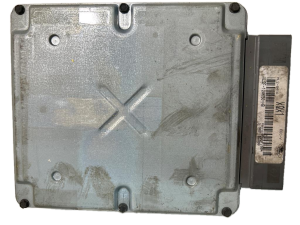
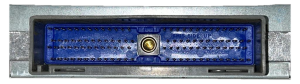
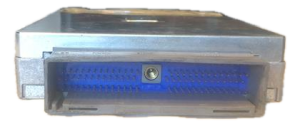
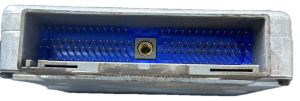
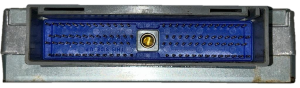
The ECM is typically located in the engine bay, mounted to the firewall on the passenger side. It is a silver metal box with a large electrical connector (a 104-pin connector).
Helpful Videos
Technical Specifications
OEM Part Numbers: XL2F-12A650-PE XL2F-12A650-PF XL2F-PD XL2F12A650PD XL2FPBD XL2Z12A650PD XU7A-12A650-AFA
Connector: 104-pin
We Have This Part in Stock

The information in this article is provided for general reference and educational purposes only. Vehicle specifications, procedures, and part compatibility can vary by production date, trim level, and region. Always consult your vehicle's factory service manual and verify part numbers before purchasing or performing repairs. Safety-critical components such as airbags, seat belts, and braking systems should be installed by a qualified professional.
- Ford Explorer:
- Mercury Mountaineer:
- 🎬 Helpful Videos
- 🛍️ Shop This Part
- Symptoms of a Failing ECM
- Common Diagnostic Trouble Codes (DTCs)
- Known Issues, TSBs, and Recalls
- Programming and Anti-Theft System (PATS)
- Parameter Reset Procedure
- Who Can Program the ECM?
- Buying a Used Engine Control Module (ECM)
- Cost Breakdown
- Frequently Asked Questions (FAQ)
- 🎟️ Get 5% Off