

2005 Explorer & Mountaineer ECM Failure: A Guide to Programming, Part Numbers, and Replacement
This guide covers the common failure symptoms, replacement, and critical programming requirements for the Engine Control Module in 2005 Ford Explorer and Mercury Mountaineer SUVs with the 4.0L V6 engine.
- Programming is mandatory. A replacement ECM must be programmed to the vehicle's anti-theft system (PATS) by a dealer, locksmith, or qualified shop.
- The vehicle will not start until the ECM and at least two keys are programmed.
- You must match the ID number on your original module. For this application, it should be 5L2A-AFA or 5L2A-AFB.
- Check any used ECM for signs of water damage or corrosion, as its location on the firewall makes it vulnerable to leaks.
Symptoms of a Failing ECM
A failing Engine Control Module in your 2005 Ford Explorer or Mercury Mountaineer can cause a variety of confusing symptoms. Because the ECM controls so many different parts of the engine and transmission, a failure can look like many other problems. Pay close attention if you experience several of these issues at once.
- Check Engine Light: This is often the first sign. The light may come on with codes pointing to an internal ECM error (like P0601-P0606) or codes for other sensors that are actually working fine. The ECM may be misinterpreting their signals.
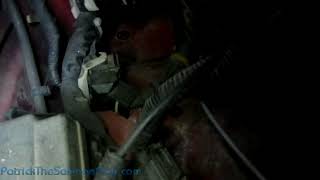
- Engine Will Not Start: The engine may crank but refuse to start. This happens because the ECM is not telling the fuel injectors or ignition coils to fire. This is a very common symptom of a complete ECM failure. 🎬 Watch: Diagnosing a crank but no start condition on an Explorer.
- Stalling or Misfiring: The engine may stall unexpectedly while driving or idle very roughly. This can be due to the ECM failing to provide consistent fuel and spark commands.
- Poor Engine Performance and Fuel Economy: If your SUV suddenly loses power, hesitates during acceleration, or starts getting significantly worse gas mileage, a faulty ECM could be the cause. It may be running on incorrect fuel and timing calculations.
- Automatic Transmission Problems: The ECM communicates with the transmission controller. A bad ECM can lead to harsh shifting, delayed shifting, or other unusual transmission behavior.
- No Communication with Scan Tool: If a diagnostic scan tool cannot communicate with the ECM, it's a strong sign that the module itself has failed.
Known Issues, Recalls, and Technical Service Bulletins (TSBs)
While there have been no direct recalls for ECM failure on the 2005 Ford Explorer or Mercury Mountaineer 4.0L V6, it's important to be aware of related issues. The location of the ECM makes it susceptible to problems.
- ECM Location and Water Damage: The ECM is located in the passenger-side cabin, mounted against the firewall behind the kick panel. Water leaks from the windshield cowl area can drip down onto the ECM and its connectors, causing corrosion and eventual failure. When inspecting a potential issue, always check for signs of water intrusion or rust on the ECM case and wiring harness.
- TSB for Fuel Gauge Issues: Technical Service Bulletin 05-10-17 was issued for some 2005 Mountaineer and Explorer models where the check engine light would come on with code P0463, and the fuel gauge might drop to empty. This indicates a known issue where the PCM is involved in diagnosing fuel system problems.
- Related Recalls: The 2005 model year had several recalls, including one for a speed control deactivation switch that could overheat (NHTSA 05V-017). While not an ECM failure, it highlights the complexity of the vehicle's electronics. Always ensure all safety recalls have been performed on your vehicle.
Compatibility Warning: This ECM is only for 2005 Ford Explorer (4-door SUV, excluding the Sport Trac pickup) and 2005 Mercury Mountaineer models with the 4.0L SOHC V6 engine and an automatic transmission. The ID number printed on your original module's sticker must be 5L2A-AFA or 5L2A-AFB. Using an incorrect module will not work, even if it physically fits.
ECM Programming and Anti-Theft (PATS)
This is the most critical part of replacing the ECM in these vehicles. You cannot simply swap in a used module.
The ECM is a core part of Ford's Passive Anti-Theft System (PATS). The original ECM, PATS module (which may be in the instrument cluster), and your ignition keys are all electronically 'married' together. When you install a replacement ECM, this link is broken, and the PATS system will prevent the engine from starting as a security measure.
Programming Requirements:
- Parameter Reset: A procedure called a 'parameter reset' must be performed using a compatible diagnostic tool. This tells the vehicle's other modules to accept the 'new' ECM.
- Key Relearn: After the parameter reset, all existing keys must be erased from the system and reprogrammed to the new ECM. You must have at least two separate, non-cloned keys to complete this process.
Who Can Program the ECM?
- Ford Dealership: They have the required tools (Ford IDS software) and training to perform the programming.
- Automotive Locksmiths: Many professional locksmiths have advanced scan tools and subscriptions that allow them to perform PATS programming and key relearns for Ford vehicles.
- Independent Repair Shops: A well-equipped shop with a J2534 pass-thru device and a subscription to Ford's diagnostic software can also perform the procedure.
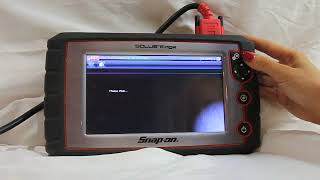
- DIY with FORScan: It is possible for an advanced DIYer to perform the programming using a Windows laptop, a compatible OBD-II adapter, and FORScan software with an extended license. This involves a timed security access procedure that can take 10-15 minutes and requires carefully following specific steps. This is not recommended for beginners. 🎬 See this step-by-step guide for programming keys with FORScan.
Buying a Used Engine Control Module (ECM)
A used OEM ECM is an excellent, cost-effective alternative to a new or remanufactured unit, as long as you take the right precautions. Since these modules are electronic, a visual inspection is key.
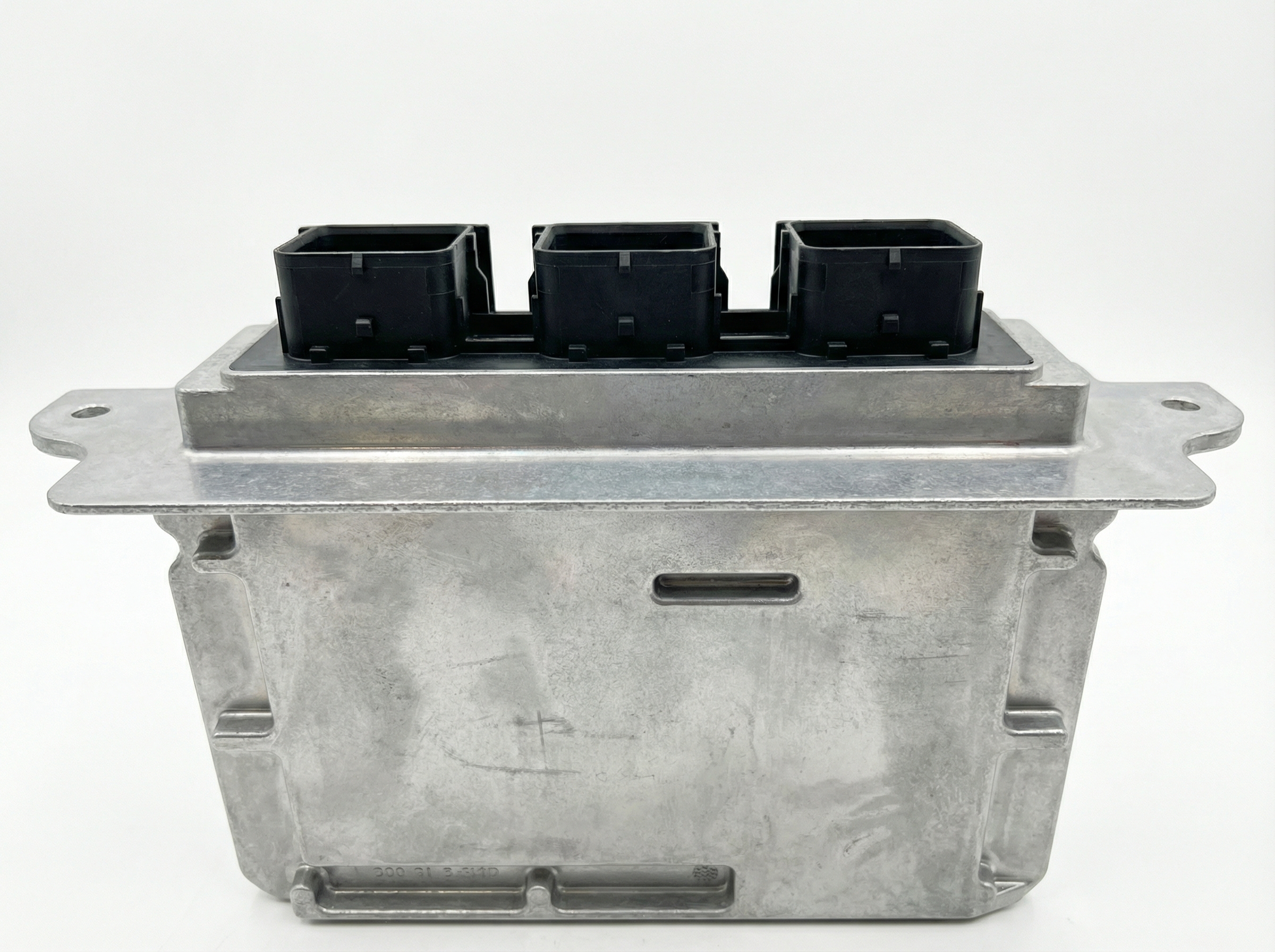
- Verify the Part Number: The most important step is to match the ID number on the used module to your original. It must be 5L2A-AFA or 5L2A-AFB. The service part numbers like 5L2Z-12A650-AFA are interchangeable with these IDs, but matching the ID is the safest method.
- Inspect for Corrosion: Carefully examine the case and, most importantly, the electrical connector pins. Any signs of white or green crusty buildup, rust, or water marks are major red flags. This indicates potential internal damage from water intrusion.
- Check the Case: Look for any signs that the module's case has been pried open. This could mean a failed repair was attempted, and the unit should be avoided.
- Source from a Reputable Seller: Buy from a seller who offers a warranty and guarantees the part is tested and functional. This gives you protection in case the unit is dead on arrival.
Replacement Location and Procedure
The physical replacement of the ECM is straightforward, but remember that programming is required afterward.
Difficulty: 2/5 for physical swap; 5/5 for programming without proper tools.
Location: The ECM is mounted to the engine-bay side of the firewall, but it is removed from inside the passenger cabin.
- Disconnect the negative battery terminal.
- Inside the passenger cabin, locate and remove the plastic kick panel below the glove box.
- You will see the ECM held in place. There may be a small bracket with an 8mm bolt holding it. Remove this bracket.
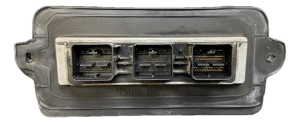
- From the engine bay, locate the three large wiring harness connectors attached to the ECM on the firewall. Swing the locking levers to release and unplug all three connectors.
- Also in the engine bay, remove the two 7/16" (11mm) nuts that secure the ECM to the firewall studs.
- Back inside the cabin, you can now pull the ECM out from behind the glove box area.
- Installation is the reverse of removal. Ensure all electrical connectors are clean and securely latched before reconnecting the battery.
Pro Tip: Before bolting the new ECM in place, plug in the connectors and have the programming performed. This ensures the unit is working correctly before you fully install it, saving time if there's an issue with the replacement part.
Cost Comparison
Prices can vary based on location and supplier, but this provides a general estimate of what to expect.
| Part or Service | Estimated Cost |
|---|---|
| New OEM | $500 - $700+ (if available) |
| New Aftermarket | $300 - $500 |
| Remanufactured (Pre-Programmed) | $250 - $450 |
| Used OEM | $75 - $150 |
| Shop Labor (Replacement Only) | $100 - $150 |
| Shop Labor (Programming) | $150 - $350 |
Frequently Asked Questions (FAQ)
Do I absolutely have to program a replacement ECM?
Yes. The vehicle will not start until the replacement ECM is programmed to the vehicle's anti-theft system (PATS). This is a mandatory step.
Will my original keys work with the new ECM?
No, not immediately. Your existing keys must be electronically relearned to the new ECM after it is installed and the parameter reset is complete. You need at least two keys to do this.
Can I drive my car with a bad ECM?
It is not recommended. If the ECM is failing, it can cause the engine to stall at any time, which is a major safety hazard. If the vehicle won't start, it is not drivable at all.
Where is the ECM located on my 2005 Explorer or Mountaineer?
The ECM is bolted to the firewall on the passenger side. You access the wiring connectors from the engine bay, but you remove the module itself from inside the passenger footwell after taking off the kick panel under the glovebox.
Helpful Videos


Technical Specifications
OEM Part Numbers: 5L2A12A650AFA 5L2A12A650AFB 5L2Z-12A650-AFA 5L2Z-12A650-AFB 5L2Z12A650AFB
Fits 2005 Ford Explorer (4-Dr) & 2005 Mercury Mountaineer with 4.0L SOHC V6 engine and automatic transmission. Required ID codes: 5L2A-AFA, 5L2A-AFB.
We Have This Part in Stock

The information in this article is provided for general reference and educational purposes only. Vehicle specifications, procedures, and part compatibility can vary by production date, trim level, and region. Always consult your vehicle's factory service manual and verify part numbers before purchasing or performing repairs. Safety-critical components such as airbags, seat belts, and braking systems should be installed by a qualified professional.
- Ford Explorer:
- Mercury Mountaineer:
- 🎬 Helpful Videos
- 🛍️ Shop This Part
- Symptoms of a Failing ECM
- Known Issues, Recalls, and Technical Service Bulletins (TSBs)
- ECM Programming and Anti-Theft (PATS)
- Programming Requirements:
- Who Can Program the ECM?
- Buying a Used Engine Control Module (ECM)
- Replacement Location and Procedure
- Cost Comparison
- Frequently Asked Questions (FAQ)
- 🎟️ Get 5% Off