

2000 Ford F-150 PCM: Solving No-Start Issues & PATS Programming
This guide explains common failures of the 2000 Ford F-150 Powertrain Control Module (PCM) and the critical anti-theft programming required for replacement.
- A replacement PCM for a 2000 F-150 MUST be programmed to the vehicle using a professional scan tool due to the PATS anti-theft system.
- You must match the OEM part number (e.g., YL3F-12A650-AC) exactly when ordering a replacement.
- Common failure is caused by water leaking onto the PCM connector, which is located behind the battery on the firewall.
- Symptoms of failure include a no-start condition, dashes on the odometer, erratic shifting, and multiple communication error codes (U-codes).
The #1 Issue: Programming and Ford's PATS Anti-Theft System

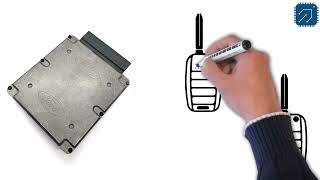
Replacing the PCM in a 2000 Ford F-150 is not a simple plug-and-play job. These trucks are equipped with Ford’s Passive Anti-Theft System (PATS), which prevents the engine from starting unless it recognizes a specific computer chip inside your ignition key. The PCM is a core part of this security system.
Warning: After installing a replacement PCM, the truck will not start until a 'Parameter Reset' is performed. This procedure syncs the replacement module to your vehicle's existing PATS and keys. This is not optional; the engine will crank but will not fire up, and the theft light on the dashboard will blink rapidly.
This is not a DIY procedure for most owners. It requires a professional-grade bidirectional scan tool, such as Ford's Integrated Diagnostic System (IDS) or a high-end tool from brands like Autel or Snap-on. A standard OBD-II code reader cannot perform this function.
- Who can program it? A Ford dealership, a qualified automotive locksmith, or an independent repair shop with the correct diagnostic equipment can perform the parameter reset.
- What's required? You must have at least two working, programmed keys to complete the procedure. If you only have one key, a locksmith or dealer will need to use their tools to program the first key, then a second one can be added.
Symptoms of a Failing 2000 F-150 PCM
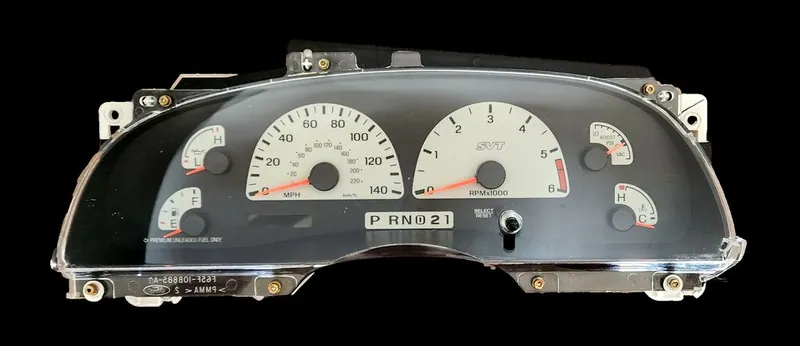
A failing PCM can cause a variety of confusing symptoms that may seem unrelated at first. Because the PCM controls so many systems, its failure can mimic other problems.
- No Start or Stalling: The engine may crank but not start, or it may stall intermittently while driving.
- Check Engine Light and Strange Codes: A constant check engine light is common. You may also see a flood of seemingly unrelated trouble codes, especially U-codes like U0100, indicating a loss of communication between modules.
- Poor Engine Performance: Symptoms include rough idling, engine misfires, hesitation, stuttering, and a sudden, unexplained drop in fuel economy.
- Erratic Transmission Shifting: The automatic transmission may shift harshly, erratically, or get stuck in one gear.
- No Communication with Scan Tool: In cases of complete failure, an OBD-II scanner may not be able to connect to the PCM at all.
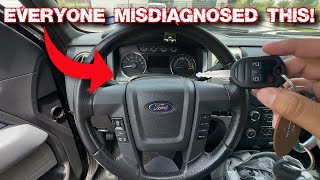
- Odometer Display Failure: A classic sign of a PCM communication failure on this generation of F-150 is the digital odometer displaying dashes (-------) instead of the mileage. 🎬 Watch: Troubleshooting a flashing theft light and odometer dashes.
Known Issues and Common Causes of Failure

The location of the PCM in the 2000 F-150 makes it susceptible to specific types of damage.
- Water Intrusion: The PCM is located on the passenger side, passing through the firewall behind the battery. Leaks from the windshield cowl or a damaged cowl seal can allow water to drip directly onto the PCM's large electrical connector, leading to corrosion and short circuits. Visible corrosion on the pins is a sure sign of water damage.
- Electrical Issues: Internal short circuits, voltage spikes from a faulty alternator, or bad wiring can damage the sensitive circuit board inside the PCM.
- Age and Heat Cycles: Over decades of use, the internal electronic components and solder joints can degrade from constant heat cycles, eventually leading to failure.
Pro Tip: Before condemning the PCM, always check the PCM power relay and its associated fuses in the under-hood fuse box. A faulty relay can mimic the symptoms of a dead PCM for a fraction of the cost.
Buying a Used or Remanufactured PCM

Given that new OEM units are generally unavailable, most owners will choose between a used or remanufactured PCM. Here’s what you need to know:
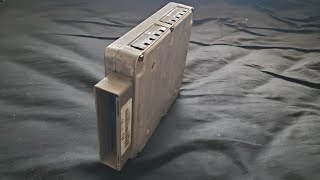
- Match the Part Number EXACTLY: This is the most important step. The part number is printed on a sticker on the side of the PCM. It will look like YL3F-12A650-AC. Even a one-letter difference can mean the module is for a different engine, transmission, or emissions package and will not work correctly.
- Provide Your VIN: When ordering a remanufactured unit, the seller will require your 17-digit Vehicle Identification Number (VIN). They will program the PCM with your truck's specific calibration files and VIN before shipping it. This is a critical step for compatibility.
- Inspect a Used Unit: If buying from a salvage yard, carefully inspect the connector pins for any signs of green or white corrosion, which indicates water damage. Avoid any unit that looks like it has been wet.
- Remanufactured vs. Used: A quality remanufactured PCM often has common failure points corrected and comes with a warranty. A used unit is cheaper but carries more risk, as it may have hidden issues or a limited lifespan.
Replacement Procedure Overview
The physical replacement is straightforward, but remember the programming requirement makes this a job for a professional or a very well-equipped DIYer.
- Disconnect the negative battery terminal.
- Remove the battery and battery tray to get access to the PCM connector on the firewall. This usually requires a 13mm socket.
- Loosen the 10mm bolt in the center of the large PCM wiring harness connector and pull the connector away from the PCM. The bolt will stay with the connector.
- Inside the cab, remove the passenger-side kick panel.
- The PCM is held in a bracket. Remove any retaining clips or bolts and slide the module out.
- Install the new PCM by reversing the steps. Do not overtighten the connector bolt. 🎬 See this walkthrough for physically swapping the PCM.
- Have the vehicle towed to a shop for the PATS parameter reset and key programming.
Unrelated Recall Notice: Many 2000 F-150s were part of Ford Safety Recall 05S28 for a faulty cruise control deactivation switch that could overheat and cause an underhood fire, even with the truck turned off. It is highly recommended to verify with a dealer or online VIN checker that this critical safety recall has been performed on your vehicle.
Cost Comparison for a 2000 F-150 PCM
| Part Type | Estimated Cost |
|---|---|
| New OEM | $800 - $1300+ (Generally unavailable) |
| New Aftermarket | Not typically available |
| Remanufactured OEM | $200 - $400 |
| Used OEM (Salvage) | $50 - $150 |
| Shop Labor (Programming) | $100 - $250 |
Frequently Asked Questions (FAQ)
Can I drive my truck with a bad PCM?
If the truck starts and runs, it may be drivable in a 'limp mode' with poor performance and shifting. However, stalling is a major safety risk. If the PCM is completely dead and the truck won't start, it is not drivable.
Do I need to program a used PCM from the exact same truck?
Yes. Even if the part number is identical, the PCM must be programmed to your truck's VIN and have a PATS parameter reset performed to learn your keys. It will not work by simply swapping it in.
Can a locksmith program the new PCM at my house?
Yes, many mobile automotive locksmiths have the necessary scan tools to perform the PATS parameter reset and key programming on-site, which can save you a tow to the dealership.
🎬 Watch: Understanding the PATS key relearn procedure.Will replacing the PCM fix my transmission problems?
It might. The PCM controls the automatic transmission, so symptoms like harsh or erratic shifting can be caused by a faulty PCM. However, these symptoms can also be caused by internal transmission issues, so proper diagnosis is key.
Helpful Videos
Technical Specifications
OEM Part Numbers: YL3F-AC YL3F12A650AC YL3FAC YL3Z12A650AC YL3F-CC YL3F-SE
Ford EEC-V hardware type. Specific calibration files vary by engine, transmission, and emissions.
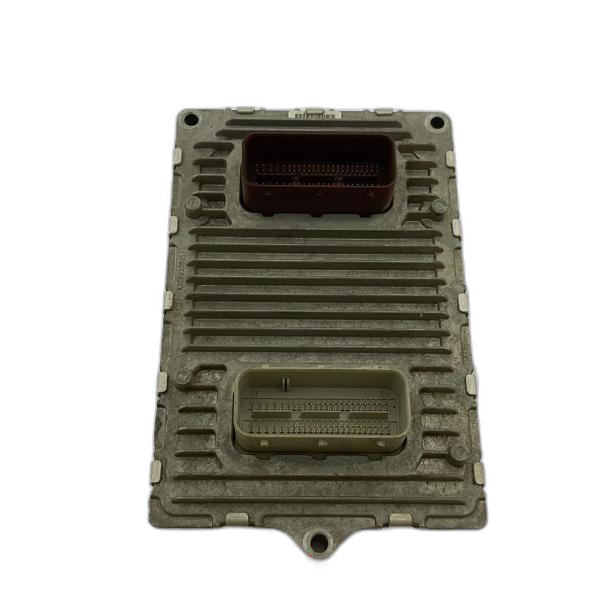
We Have This Part in Stock

The information in this article is provided for general reference and educational purposes only. Vehicle specifications, procedures, and part compatibility can vary by production date, trim level, and region. Always consult your vehicle's factory service manual and verify part numbers before purchasing or performing repairs. Safety-critical components such as airbags, seat belts, and braking systems should be installed by a qualified professional.
- Ford F-150:
- 🎬 Helpful Videos
- 🛍️ Shop This Part
- The #1 Issue: Programming and Ford's PATS Anti-Theft System
- Symptoms of a Failing 2000 F-150 PCM
- Known Issues and Common Causes of Failure
- Buying a Used or Remanufactured PCM
- Replacement Procedure Overview
- Cost Comparison for a 2000 F-150 PCM
- Frequently Asked Questions (FAQ)
- 🎟️ Get 5% Off