

2005 Ford F-150 5.4L 4x4 ECM: A Guide to Programming, PATS, and Replacement
This guide covers the essential details for diagnosing and replacing the Engine Control Module (ECM) in your 2005 Ford F-150, focusing on the critical programming steps required.
- Replacing the ECM is not a simple swap; it requires mandatory programming to the vehicle's anti-theft system (PATS).
- You must have at least two unique (not cloned) keys for a technician or locksmith to program the replacement ECM.
- Water intrusion from a leaking windshield or cowl is a primary cause of ECM failure; the leak must be fixed before installing a new module.
- Always match the part number on the ECM exactly, paying close attention to the final letters which indicate the specific software calibration.
Symptoms of a Failing 2005 F-150 ECM
A faulty ECM can manifest in numerous ways, often mimicking other component failures. Because it controls so many systems, pinpointing the ECM as the root cause can be challenging. Here are the most common symptoms for the 2005 F-150:
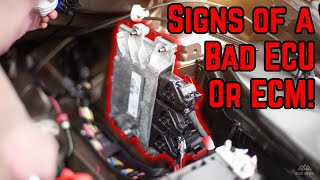
🎬 Watch: A visual guide to common failing ECM symptoms.- No-Start Condition: The engine may crank but refuse to start. This can happen if the ECM isn't activating the fuel pump or injectors.
- Engine Stalling: The truck may stall unexpectedly while driving or when coming to a stop.
- Poor Engine Performance: Symptoms include rough idling, engine misfires, hesitation during acceleration, and a general loss of power. This happens when the ECM fails to properly regulate the fuel-to-air ratio or spark timing.
- Check Engine Light: An illuminated Check Engine Light is a common sign. A failing ECM might set codes for other components, like sensors, even if they are working correctly. Common codes associated with ECM failure include P0606 (ECM/PCM Processor Fault), U0100 (Lost Communication With ECM/PCM), and various sensor or misfire codes.
- Erratic Transmission Shifting: The ECM works with the transmission controller. A bad ECM can cause harsh, delayed, or incorrect gear shifts.
- Reduced Fuel Economy: If the ECM cannot efficiently manage the engine's fuel delivery, you will likely see a noticeable drop in gas mileage.
Known Issues, Recalls, and TSBs
While there are no specific recalls for the ECM itself on the 2005 F-150, it's important to be aware of related issues. The most significant, though unofficial, issue is water intrusion. The 2004-2008 F-150 generation is known for leaks from the windshield seal and the cowl panel, which can allow water to drip directly onto the ECM and its connectors, causing corrosion and electrical shorts. This is a leading cause of ECM failure. Ford has also issued numerous Technical Service Bulletins (TSBs) for this model year, some of which relate to engine performance and module programming. For example, TSB 05-10-12 addresses harsh downshifting that requires a PCM reflash, showing that software updates are a common fix.
Warning: Before replacing your ECM, it is critical to inspect the area around it for signs of water leaks. Check for rust, corrosion, or water stains on the module, its connectors, and the surrounding firewall area. If a leak is present, it MUST be repaired before installing a new ECM, or the replacement unit will also fail.
Programming, VIN Matching, and Anti-Theft (PATS)
This is the most critical part of replacing an ECM in a 2005 F-150. You cannot simply swap a used module from another truck and expect it to work. The vehicle will not start due to Ford's Passive Anti-Theft System (PATS).
- Programming is Required: A replacement ECM, whether new, used, or remanufactured, must be programmed to your truck's specific Vehicle Identification Number (VIN).
- PATS Handshake: The ECM, the instrument cluster, and the transponder chips in your keys are all linked. When you turn the key, they perform a digital 'handshake'. If a new ECM is installed, it doesn't recognize the other components, and the PATS system immobilizes the engine.
- Parameter Reset: To make the system work, a technician must perform a 'Parameter Reset' using a compatible scan tool. This tells the PATS module to accept the new ECM. After the reset, all existing keys are erased from the system, and at least two unique (not cloned) keys must be programmed back into the module.
Who Can Program the ECM?
- Ford Dealership: A dealer has the factory tools (IDS software) and is the most straightforward, though often most expensive, option.
- Automotive Locksmith: Many professional locksmiths have advanced scan tools and subscriptions that allow them to perform the parameter reset and program keys.
- Independent Repair Shops: A well-equipped independent shop with tools like an Autel IM608 or similar high-end scanner can often perform the necessary programming.
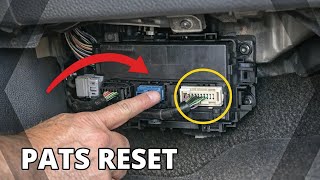
- DIY with FORScan: For advanced DIY mechanics, it is possible to perform the programming using a Windows laptop, a compatible OBD-II adapter (like OBDLink EX), and FORScan software with an extended license. This process involves a mandatory 10-minute security timeout and requires you to have two working keys. 🎬 See how to perform a PATS reset using FORScan.
Pro Tip: Some companies sell remanufactured ECMs pre-programmed to your VIN. Some may even provide two pre-programmed keys, which you then have cut to match your ignition. This can simplify the process to a 'plug and play' installation, but you must follow their specific instructions carefully.
Buying a Used 2005 F-150 ECM
Purchasing a used OEM ECM is an excellent way to save money, but careful verification is key.
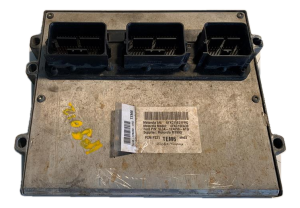
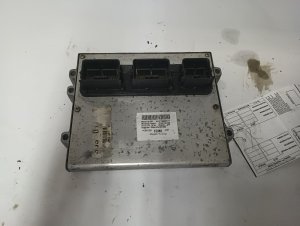
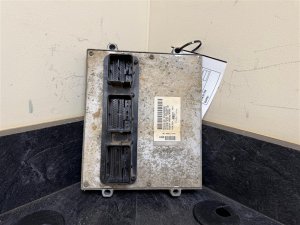
- Match the Part Number: The most important step is to match the Ford engineering part number exactly. This number is printed on a sticker on the ECM case (e.g., 5L3A-12A650-ATG). While some part numbers are interchangeable, an exact match is the safest bet. The last few letters of the part number are the most critical as they denote the specific calibration for the engine, transmission, and vehicle options.
- Physical Inspection: When you receive the used module, inspect it carefully. Look for any signs of corrosion on the aluminum case, especially around the seams and connectors. Check the connector pins to ensure they are straight and clean. Avoid any unit that shows signs of being opened or has obvious water damage.
- Source Matters: Buy from a reputable seller who guarantees the part is tested and functional. A good seller will also provide information about the donor vehicle if possible.
- Understand the Full Cost: Remember that the price of the used part is not the final cost. You must factor in the expense of programming, which can range from $100 to $300 or more, depending on who performs the service.
Replacement Cost Breakdown
Prices can vary based on your location and the chosen supplier. The following is an estimated breakdown:
| Part Type | Estimated Cost |
|---|---|
| New OEM (Ford) | $550 - $750+ |
| Remanufactured (Pre-programmed) | $250 - $400 |
| Used OEM | $75 - $200 |
| Shop Labor (Installation & Programming) | $150 - $350 |
Frequently Asked Questions (FAQ)
Can I drive my F-150 with a bad ECM?
It is not recommended. Depending on the failure mode, the truck may not start at all, or it could stall in traffic, creating a serious safety hazard. If you experience symptoms like stalling or severe performance issues, do not drive the vehicle.
Do I need two keys to replace the ECM?
Yes. To program a replacement ECM into the vehicle's anti-theft system, the procedure requires the technician to cycle two separate, unique keys. If you only have one key, you will need to have a second key cut and programmed at the same time as the ECM replacement.
🎬 Watch: How to program a second key with only one original.What is the difference between an ECM, PCM, and ECU?
The terms are often used interchangeably. ECU (Engine Control Unit) is a generic term. ECM (Engine Control Module) typically refers to a module that only controls engine functions. PCM (Powertrain Control Module) is what Ford calls this part, as it controls both the engine and the transmission. For the 2005 F-150, you will see all three terms used to describe the same part.
Will a used ECM from a 4x2 truck work in my 4x4?
No, the programming is different. The ECM for a 4x4 model has a specific calibration to work with the transfer case and 4-wheel-drive system. You must use an ECM that matches your vehicle's drivetrain (4x4) and engine (5.4L).
Helpful Videos

Technical Specifications
OEM Part Numbers: 5L3A-12A650-ATG 5L3A12A650AME 5L3A12A650AMF 5L3A12A650AMG 5L3A12A650AMH 5L3AAME 5L3AAMF 5L3AAMG 5L3AAMH 5L3Z12A650AME 5L3A-12A650-ATD 5L3A-12A650-ATE 5L3A-12A650-ATF 5L3A-12A650-ATH 5L3A-12A650-AUE 5L3A-12A650-AUF 5L3A-12A650-AUG 5L3A-12A650-AUH
This ECM is specifically for 2005 Ford F-150 models equipped with the 5.4L V8 engine and 4-wheel drive (4x4).
We Have This Part in Stock

The information in this article is provided for general reference and educational purposes only. Vehicle specifications, procedures, and part compatibility can vary by production date, trim level, and region. Always consult your vehicle's factory service manual and verify part numbers before purchasing or performing repairs. Safety-critical components such as airbags, seat belts, and braking systems should be installed by a qualified professional.
- Ford F-150: