

2009 Ford F-150 4.6L 2V ECM: Programming, Compatibility, and Replacement Guide
This in-depth guide covers the critical details for replacing the Engine Control Module (ECM) in a 2009 Ford F-150 with the 4.6L 2-Valve V8, focusing on mandatory programming and part number matching.
- A replacement ECM for a 2009 F-150 MUST be programmed to the vehicle by a dealer, qualified shop, or locksmith to start the engine.
- This specific ECM is for models with the 4.6L 2-Valve V8 (8th VIN digit 'W') and 4-wheel drive. Using a module from a different configuration will not work.
- You must match the part number from your original ECM to the replacement unit to ensure compatibility.
- Before replacing the ECM, always check related fuses, relays, and ground connections to rule out simpler problems.
Symptoms of a Failing 2009 F-150 ECM
A failing ECM can cause a wide range of problems that can be mistaken for other issues. Always perform a thorough diagnosis before condemning the module. Look for these common signs:
- No-Start or Hard Starting: The engine may crank but fail to start, or start only after extended cranking. This can happen if the ECM isn't properly controlling the fuel or spark.
- Engine Stalling or Hesitation: The truck may stall unexpectedly, either at idle or while driving. This is a serious safety concern.
- Check Engine Light: A constant or intermittent Check Engine Light is a primary indicator. Specific codes related to internal module failure, such as P0605 (Internal Control Module Read Only Memory Error) or P0606 (PCM Processor Fault), are strong evidence of a bad ECM.
- Poor Performance and Fuel Economy: If the ECM can't correctly manage the engine, you may notice a significant drop in power, rough idling, and worse gas mileage.
- Transmission Shifting Problems: The ECM communicates with the transmission controller. A faulty ECM can lead to harsh, delayed, or erratic shifting.
- No Communication with Scan Tools: In severe cases of failure, a diagnostic scan tool may be unable to communicate with the ECM, making it impossible to read trouble codes.
Pro Tip: Before assuming the ECM is bad, check all related fuses and the PCM power relay. 🎬 Watch: Quick fix for F-150 no-start and power issues. Also, inspect the battery terminals and ground connections for corrosion, as low voltage can cause symptoms that mimic ECM failure.
Known Issues, TSBs, and Recalls
While there are no direct recalls for the ECM itself on the 2009 F-150, it's important to be aware of related service information.
- Technical Service Bulletin (TSB) SSM 46900: This bulletin addresses a no-start condition with a DTC P161A after PCM replacement. It notes that this can be caused by the parameter reset procedure not being completed correctly, highlighting the importance of proper programming.
- Recalls for Other Components: The 2009 F-150 had recalls for issues like a faulty brake stop lamp switch and interior door handles. While not directly related to the ECM, it shows the importance of checking your vehicle's VIN for any open safety campaigns.
Buying a Used 2009 F-150 ECM: What You MUST Know
Purchasing a used ECM can be a cost-effective solution, but it requires careful attention to detail. Failure to follow these steps will result in a part that does not work.
1. Programming is NOT Optional
A replacement ECM, whether new, used, or remanufactured, will not work until it is programmed to your truck. The ECM is linked to the Passive Anti-Theft System (PATS). If the programming is not done, the PATS immobilizer will prevent the engine from starting. This is not a step you can skip.
2. Match Part Numbers EXACTLY
You must match the Ford engineering part number on your original ECM to the replacement unit. The primary part numbers for the 2009 F-150 4.6L 2V 4WD application are 9L3A-BCB, 9L3A-12A650-BCB, and the Ford service part number 9L3Z-12A650-BCB. However, other compatible numbers may exist. Always verify the number on your specific module before purchasing.
Warning: Using an ECM from a truck with a different engine (like the 5.4L V8), drivetrain (2WD), or transmission will cause major performance and operational issues, even if it plugs in. You must use a module specified for a 4.6L 2-Valve V8 (8th VIN digit 'W') and 4-wheel drive.
3. Physical Inspection
When buying a used module, inspect it for:
- Connector Pins: Look for any signs of corrosion, moisture, or bent pins. Water intrusion is a common cause of electronic module failure.
- Case Integrity: Ensure the case has not been opened or tampered with. Look for pry marks or broken seals.
- Water Damage: Check for any water lines or rust stains on the casing.
Programming and Installation
Once you have the correct replacement ECM, it must be installed and programmed. The ECM is typically located in the engine bay, often on the firewall.
- Disconnect the negative battery terminal.
- Unplug the electrical connectors from the old ECM.
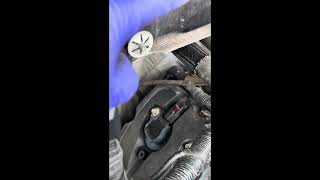
- Unbolt and remove the old ECM. 🎬 See this walkthrough on how to remove your engine computer.
- Install the replacement ECM and secure the bolts.
- Reconnect the electrical connectors and the battery terminal.
After physical installation, the truck must be taken for programming. This process links the new ECM to the truck's other modules and keys.
- Ford Dealership: This is the most reliable, albeit most expensive, option. They have the specific tools (Ford IDS) and knowledge to perform the programming correctly.
- Qualified Independent Shop: Many independent shops have dealer-level scan tools (like Autel or Snap-on) and subscriptions (like FDRS) that allow them to perform PATS key and module programming.
- Automotive Locksmith: Some mobile locksmiths specialize in automotive work and have the equipment to program keys and modules. This can be a convenient option as they come to you.
Warning: DIY programming with tools like FORScan for a complete ECM swap on this model is complex and can lead to locking up other modules if done incorrectly. It typically requires a "parameter reset" and a 10-minute security wait, and you must have two working keys. For most owners, professional programming is the recommended and safer path.
Cost Breakdown
Prices can vary based on location and supplier. The following is an estimated cost comparison:
| Item | Estimated Cost |
|---|---|
| New OEM (Dealer) | $800 - $1,200+ (Part often discontinued) |
| Remanufactured | $200 - $600 |
| Used OEM | $50 - $300 |
| Shop Labor (Installation & Programming) | $150 - $400 |
Frequently Asked Questions (FAQ)
Do I have to take my truck to the dealer to program the new ECM?
Not necessarily. While a Ford dealer is a guaranteed option, many well-equipped independent mechanics and some automotive locksmiths have the tools and software subscriptions required to program a replacement ECM and perform the PATS key relearn procedure.
What happens if I install an ECM from a 2WD truck in my 4WD?
The ECM will not have the correct programming for the 4x4 system, which can lead to error codes, a non-functional 4WD system, and potential transmission shifting issues because it expects a different configuration. It is critical to match the part to your vehicle's exact specifications.
Can I use an ECM from a 5.4L F-150 in my 4.6L?
No. The fuel maps, ignition timing, and sensor inputs are completely different for the 5.4L engine. Installing the wrong module will cause the engine to run very poorly, if at all, and will likely set numerous diagnostic trouble codes.
What is PATS and why does it matter for my ECM replacement?
PATS stands for Passive Anti-Theft System. It's Ford's immobilizer system that prevents the engine from starting unless a correctly programmed key is used. The ECM is a key component of this system. When you replace the ECM, a "parameter reset" procedure must be performed with a diagnostic tool to make the new ECM "handshake" with the keys and other modules 🎬 Watch: How to handle PATS programming after module replacement. in the truck. Without this step, the truck will not start.
Helpful Videos

Technical Specifications
OEM Part Numbers: 9L3A-BCB 9L3A-12A650-BCB 9L3ABCB 9L3Z-12A650-BCB
Vehicle application: 2009 Ford F-150 with 4.6L 2-Valve SOHC V8 (VIN 'W') and 4-Wheel Drive.

The information in this article is provided for general reference and educational purposes only. Vehicle specifications, procedures, and part compatibility can vary by production date, trim level, and region. Always consult your vehicle's factory service manual and verify part numbers before purchasing or performing repairs. Safety-critical components such as airbags, seat belts, and braking systems should be installed by a qualified professional.
- Ford F-150:
- 🎬 Helpful Videos
- Symptoms of a Failing 2009 F-150 ECM
- Known Issues, TSBs, and Recalls
- Buying a Used 2009 F-150 ECM: What You MUST Know
- 1. Programming is NOT Optional
- 2. Match Part Numbers EXACTLY
- 3. Physical Inspection
- Programming and Installation
- Cost Breakdown
- Frequently Asked Questions (FAQ)
- 🎟️ Get 5% Off