

2018-2020 Ford F-150 5.0L Engine Control Module: Programming, Known Issues, and Replacement
This guide covers the critical details for diagnosing and replacing the Engine Control Module (ECM) in your F-150, including the mandatory programming that trips up many owners.
- Programming is not optional. Any replacement ECM (new, used, or remanufactured) must be professionally programmed to the truck's VIN to function.
- A faulty ECM can cause a wide variety of symptoms, including no-start conditions, poor engine performance, and harsh transmission shifting.
- Several TSBs for oil consumption and transmission issues on the 2018-2020 F-150 are resolved with an ECM software update, not a hardware replacement.
- When buying a used ECM, you must match the OEM part number exactly to ensure compatibility with your truck's 5.0L engine and features.
Symptoms of a Failing ECM

A failing ECM can cause a wide range of confusing symptoms, from a simple check engine light to a truck that won't start at all. Because the ECM controls so many systems, its failure can sometimes be misdiagnosed as a bad sensor or another component.
- Check Engine Light: This is the most common symptom. Specific codes pointing to internal module failure include the P0600 series (like P0603 and P0606). You may also see codes for lean/rich conditions (P0171, P0172, P0174, P0175) if the ECM can no longer properly regulate the air-fuel mixture.
- Engine Performance Problems: Stalling, hesitation, rough idling, misfires, or a sudden loss of power can all be caused by a faulty ECM. It may struggle to regulate ignition timing or fuel delivery correctly.
- No-Start Condition: The engine may crank but refuse to start. This can happen if the ECM isn't activating the fuel pump or ignition coils.
- Harsh or Erratic Shifting: The ECM plays a key role in managing the 10R80 10-speed transmission. Problems with the module can lead to jerky shifts, delayed engagement, or clunking noises.
- Communication Errors: If a diagnostic scan tool cannot communicate with the vehicle, it can be a strong indicator that the ECM itself has failed.
- Reduced Fuel Economy: If the ECM can't maintain the optimal air-fuel ratio, your truck's gas mileage may drop noticeably.
Known Issues, TSBs, and Recalls

While there are no widespread recalls specifically for ECM hardware failure on the 2018-2020 F-150 5.0L, the module is central to several Technical Service Bulletins (TSBs) that address other vehicle issues via software updates.
TSB 19-2365: Excessive Oil Consumption
Some 2018-2020 F-150s with the 5.0L V8 experienced excessive oil consumption. Ford identified that high intake manifold vacuum during certain deceleration events could pull oil into the combustion chamber. The official fix involves a mandatory ECM software update (reprogram) to reduce this vacuum, along with a new, longer dipstick. If you are experiencing oil consumption, this ECM reflash is the first step in the diagnostic process.
🎬 Watch: Ford explains the 5.0L oil consumption fixTSBs for 10R80 Transmission Performance
Many owners have reported harsh, bumpy, or delayed shifts with the 10-speed automatic transmission. Several TSBs, including 18-2274, 23-2123, and 24-2046, have been issued to address these concerns. The primary remedy in many cases is to reprogram the PCM/TCM with updated software that improves the transmission's adaptive learning strategy. This reflash can often resolve shifting issues without any mechanical repairs.
Warning: A replacement ECM, whether new or used, MUST be programmed to your vehicle's specific Vehicle Identification Number (VIN). The truck will not start and run correctly until this is done. This process also syncs the ECM with the vehicle's Passive Anti-Theft System (PATS).
Buying a Used Engine Control Module

Purchasing a used OEM ECM is a cost-effective way to get your truck back on the road, but it requires careful attention to detail to ensure compatibility and proper function.
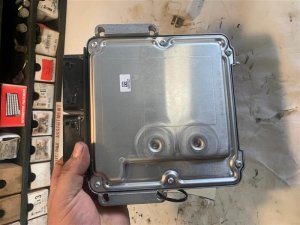
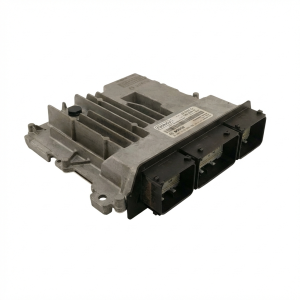
- Match the Part Number: The most critical step is to match the OEM part number exactly. Look for the sticker on the original ECM. Numbers like JL3A-12A650-AKA are common for this application. Even a single letter difference can mean the module has a different calibration for another engine or feature set.
- Verify the Calibration Code: Ford uses a "tear tag" or calibration code, which is a 4-digit alphanumeric code also found on the sticker. While the main part number is most important, ensuring the calibration code matches is an extra layer of verification.
- Physical Inspection: When you receive the used ECM, inspect the case for any signs of physical damage or being pried open. Check the connector pins carefully for any corrosion, which could indicate water damage—a known issue if the vehicle's cowl drains become clogged.
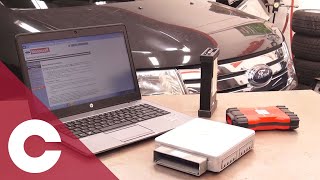
- Plan for Programming: A used ECM is not a plug-and-play part. You must have a plan for programming before you buy. A Ford dealership or a well-equipped independent shop with access to Ford's diagnostic software (IDS or FDRS) can perform the programming. Some mobile locksmiths also have this capability. Expect to pay for 1-2 hours of labor for this service. 🎬 See how a PCM swap and parameter reset is performed
Cost of Replacement
The cost to replace an F-150's ECM can vary significantly based on the path you choose. Programming is a required additional cost for all replacement options.
| Part Type | Estimated Part Cost |
|---|---|
| New OEM | $850 - $1,400 |
| Remanufactured | $300 - $600 |
| Used OEM | $150 - $450 |
| Shop Labor (Installation & Programming) | $150 - $300 |
Frequently Asked Questions (FAQ)
Does a used ECM need to be programmed?
Yes, absolutely. Any replacement ECM, whether it's new, used, or remanufactured, must be programmed to your truck's VIN. The engine will not start or run correctly without this step, as it also links the module to the immobilizer system (PATS).
Can I program a Ford ECM myself?
For the average DIY mechanic, the answer is no. Programming requires a subscription to Ford's software (FDRS) and a specific J2534 communication device. The cost and complexity of this equipment make it impractical for a one-time use. It's best left to a dealer or a professional shop.
Will my old keys work with a new ECM?
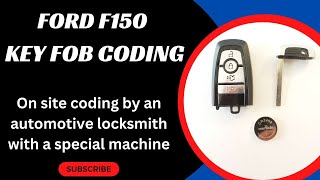
No, not immediately. The keys are part of the Passive Anti-Theft System (PATS), which is managed by the ECM. When you replace the ECM, the keys must be relearned to the new module as part of the programming process. A minimum of two keys is typically required for this procedure.
🎬 Watch: How to program a new key to your truckWhat is the difference between an ECM and a PCM?
The terms are often used interchangeably. ECM stands for Engine Control Module, while PCM stands for Powertrain Control Module. For most modern vehicles like the F-150, PCM is the more accurate term because the single module controls both the engine and the automatic transmission.
Helpful Videos



Technical Specifications
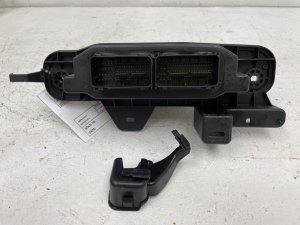
OEM Part Numbers: JL3A-12A650 JL3A-12A650-AKA JL3A12A650AKA JL3A12A650CA JL3A12B684CA JL3Z12A650CANP JL3Z-12A650-CANP JL3Z-12A650-EANP JL3Z-12A650-ARANP JL3Z-12A650-GBNP JL3Z-12A650-BNANP
Controls engine, 10R80 automatic transmission, and PATS immobilizer system. Requires programming via Ford IDS or FDRS software.
We Have This Part in Stock

The information in this article is provided for general reference and educational purposes only. Vehicle specifications, procedures, and part compatibility can vary by production date, trim level, and region. Always consult your vehicle's factory service manual and verify part numbers before purchasing or performing repairs. Safety-critical components such as airbags, seat belts, and braking systems should be installed by a qualified professional.
- Ford F-150: