

2010 Ford F-150 & F-150 Raptor ECM: Your Guide to Failure, Part Numbers, and Programming
This in-depth guide covers the common failure symptoms of the Engine Control Module (ECM) in the 2010 Ford F-150 and F-150 Raptor, with a focus on the critical programming required after replacement.
- A replacement ECM for a 2010 F-150 or Raptor MUST be programmed to the truck's VIN and PATS anti-theft system to function.
- Always match the OEM part number and three-letter ID code on your original module exactly when buying a replacement.
- Before replacing the ECM, rule out more common issues like the Fuel Pump Driver Module (FPDM) and the Fuse 27 fuel pump power issue.
- You must have two working, programmed keys to perform the PATS anti-theft relearn procedure after the new ECM is installed.
Critical Information: Programming is Not Optional
Warning: A replacement Engine Control Module (ECM) for a 2010 Ford F-150 or F-150 Raptor will not function until it is programmed to your specific vehicle. This is not a plug-and-play part. The programming process pairs the module to your truck's Vehicle Identification Number (VIN) and synchronizes it with the Passive Anti-Theft System (PATS). Attempting to start the truck with an unprogrammed module will result in a no-start condition and a flashing theft light.
Symptoms of a Failing 2010 F-150 ECM
A failing ECM can cause a wide range of confusing and intermittent issues. Because it controls so many systems, symptoms can often be mistaken for other problems. Here are the most common signs reported by owners and technicians:
- Engine Stalling or No-Start: The truck may crank but fail to start, or it may start and then immediately stall. This can be intermittent at first and become more frequent over time.
- Check Engine Light: An illuminated Check Engine Light is common. The most frequent trouble code associated with internal ECM failure is P0606 - ECM/PCM Processor Fault. Other communication-related codes like U0100 (Lost Communication With ECM/PCM) may also appear.
- Erratic Transmission Shifting: The ECM communicates directly with the transmission. A faulty module can cause harsh shifting, delayed engagement, or incorrect gear selection.
- Poor Engine Performance: You might experience a sudden loss of power, hesitation during acceleration, reduced fuel economy, or rough idling as the ECM struggles to properly manage the engine.
- No Communication with Scan Tool: In cases of severe failure, a diagnostic scan tool may not be able to communicate with the ECM at all, making diagnosis difficult.
Is It Really the ECM? Check These Parts First
Before condemning the ECM, it's crucial to rule out other components that can cause similar symptoms. Misdiagnosing an ECM is a costly mistake.
- Fuel Pump Driver Module (FPDM): Located on the frame crossmember above the spare tire, the FPDM is a very common failure point. It can corrode and fail, causing the engine to crank but not start or stall while driving, mimicking a bad ECM. 🎬 See how to replace a failing fuel pump driver module.
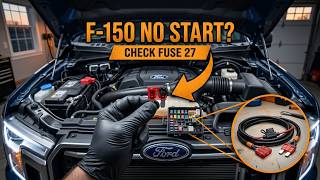
- Fuse 27 Relocation: The original fuse box design for the fuel pump (Fuse 27) is prone to melting. Many owners experience a no-start condition due to this fuse losing contact. Check if the fuse is burnt or if the fuse box slot is melted. A common fix is the Ford Fuse 27 relocation kit. 🎬 Watch: How to check and repair a melted Fuse 27.
- Wiring and Power Supply: A poor power or ground connection to the ECM can cause it to malfunction and set false trouble codes. Technicians often check the main power feeds and grounds at the ECM connector before replacing the module itself. Corrosion on battery terminals can also cause strange electrical issues.
Buying a Used 2010 F-150 ECM: What You Must Know
Purchasing a used OEM module is a cost-effective option, but careful selection is key to avoiding compatibility problems. Aftermarket modules are available, but a recycled OEM unit is often preferred for perfect fitment and expected behavior.
- Match the Part Number EXACTLY: This is the most important rule. The OEM part number on the sticker of your original ECM must match the replacement unit. The main number is 12A650, but the prefix (e.g., AL3A) and suffix (e.g., AZB) are critical. The suffix indicates the specific software and hardware calibration for your truck's engine, transmission, and options. A mismatch can lead to function errors even after programming.
- Verify the Part Number ID: The sticker will have a large three-letter code, such as 'AZB'. This corresponds to the part number AL3A-12A650-AZB. Ensure this ID matches your original module.
- Inspect for Physical Damage: When buying a used part, check the housing for cracks or signs of being pried open. Most importantly, inspect the electrical connector pins to ensure none are bent, broken, or corroded. Avoid any units with signs of water damage.
ECM Programming and Anti-Theft (PATS)
When a new or used ECM is installed, it must be electronically introduced to the truck. This involves two main steps: loading vehicle-specific data and synchronizing the anti-theft system.
- Parameter Reset: This process loads your truck's VIN and other configuration data (like tire size and axle ratio) into the replacement ECM. This is often referred to as 'As-Built' data programming.
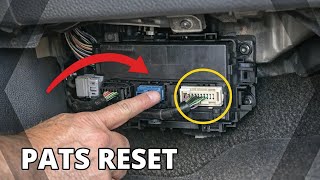
- PATS Relearn: The Passive Anti-Theft System (PATS) relies on a handshake between the key, the instrument cluster, and the ECM. When the ECM is replaced, this link is broken. A PATS relearn procedure is required to teach the new ECM to recognize your existing keys. You must have at least two working, programmed keys to perform this procedure. If you only have one key, a locksmith or dealer will need to create and program a second one before the ECM replacement can be completed. 🎬 Watch: Understanding the Ford PATS key relearn procedure.
Who Can Program the ECM?
- Ford Dealership: Dealers have the proprietary Ford IDS software required to perform the programming. This is the most reliable, but often most expensive, option.
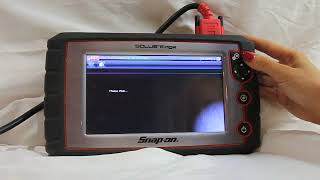
- Independent Repair Shop: Many professional shops invest in high-end diagnostic tools (from brands like Autel or Snap-on) or subscribe to Ford's diagnostic software (FJDS), allowing them to program modules.
- Automotive Locksmith: Locksmiths specializing in modern vehicles often have the tools to perform PATS key programming and module initialization.
- Advanced DIY (FORScan): Some experienced DIY mechanics use a tool called FORScan with a specific adapter and an extended license to perform module programming and PATS resets. This is an advanced procedure and is not recommended for beginners, as mistakes can render the vehicle inoperable.
Pro Tip: Some online retailers sell remanufactured ECMs that are pre-programmed to your VIN. While this simplifies the process, you will likely still need to perform the PATS key relearn procedure on the vehicle, which can require a 10-minute security access wait time with a compatible scan tool.
Known Issues, Recalls, and TSBs
- Recalls: There are no NHTSA recalls specifically for the Engine Control Module on the 2010 Ford F-150 or F-150 Raptor. A recall was issued for an interior door handle mechanism (Recall No. 11V034000), but it is unrelated to the ECM.
- Technical Service Bulletin (TSB) SSM 46900: Ford issued this bulletin to address a no-start condition that can occur after replacing the PCM. It may be accompanied by Diagnostic Trouble Code (DTC) P161A. The cause is an improper or incomplete parameter reset procedure during programming, highlighting the importance of having the job done correctly.
Cost Comparison for Replacement
Prices can vary based on your location and the supplier. Programming labor is an additional cost to the part itself.
| Part Type | Estimated Cost |
|---|---|
| New OEM | $800 - $1,200+ |
| Remanufactured / Refurbished | $200 - $600 |
| Used OEM | $75 - $300 |
| Shop Labor (Programming) | $150 - $350 |
Frequently Asked Questions (FAQ)
Where is the ECM located on a 2010 F-150?
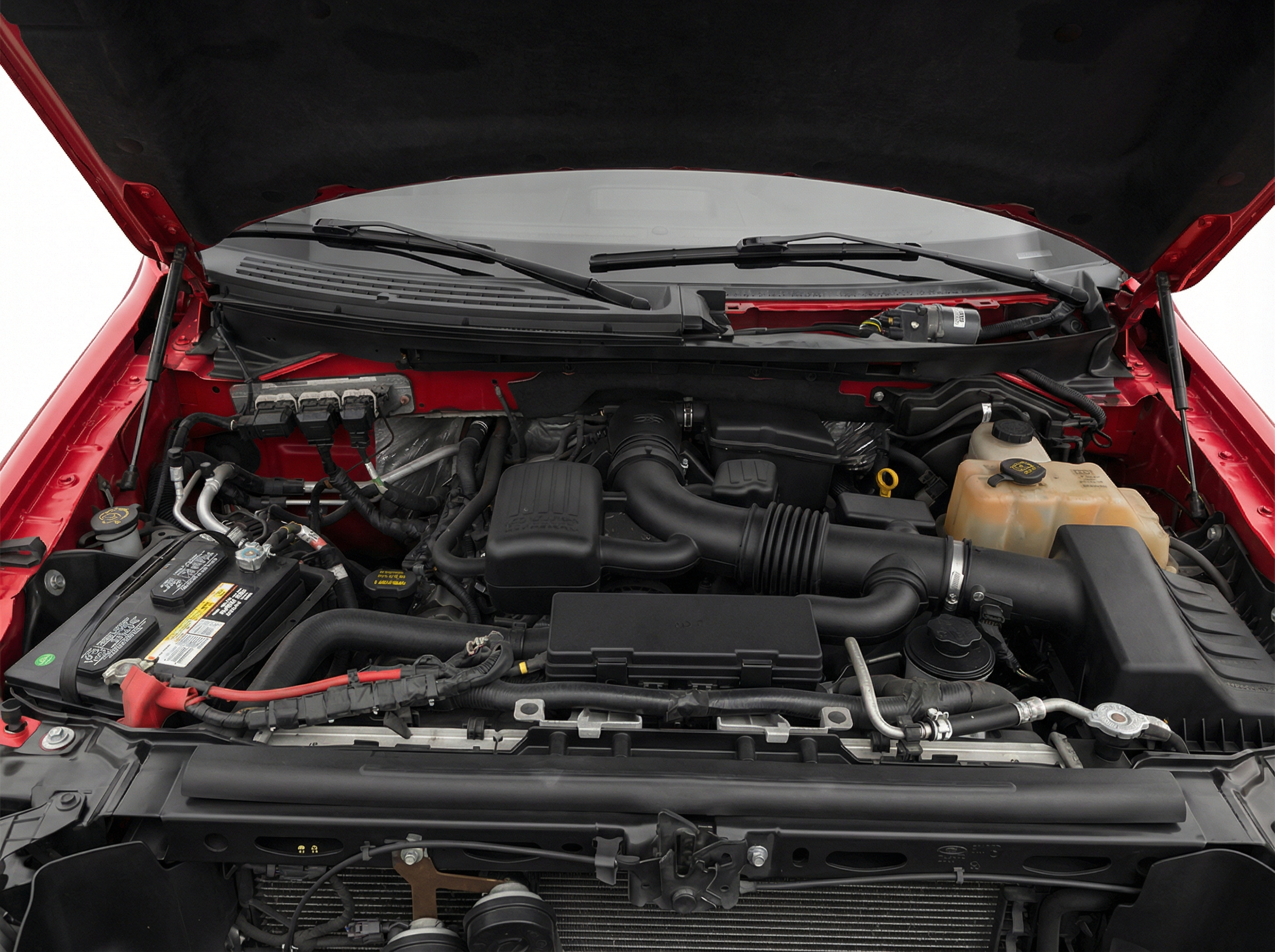
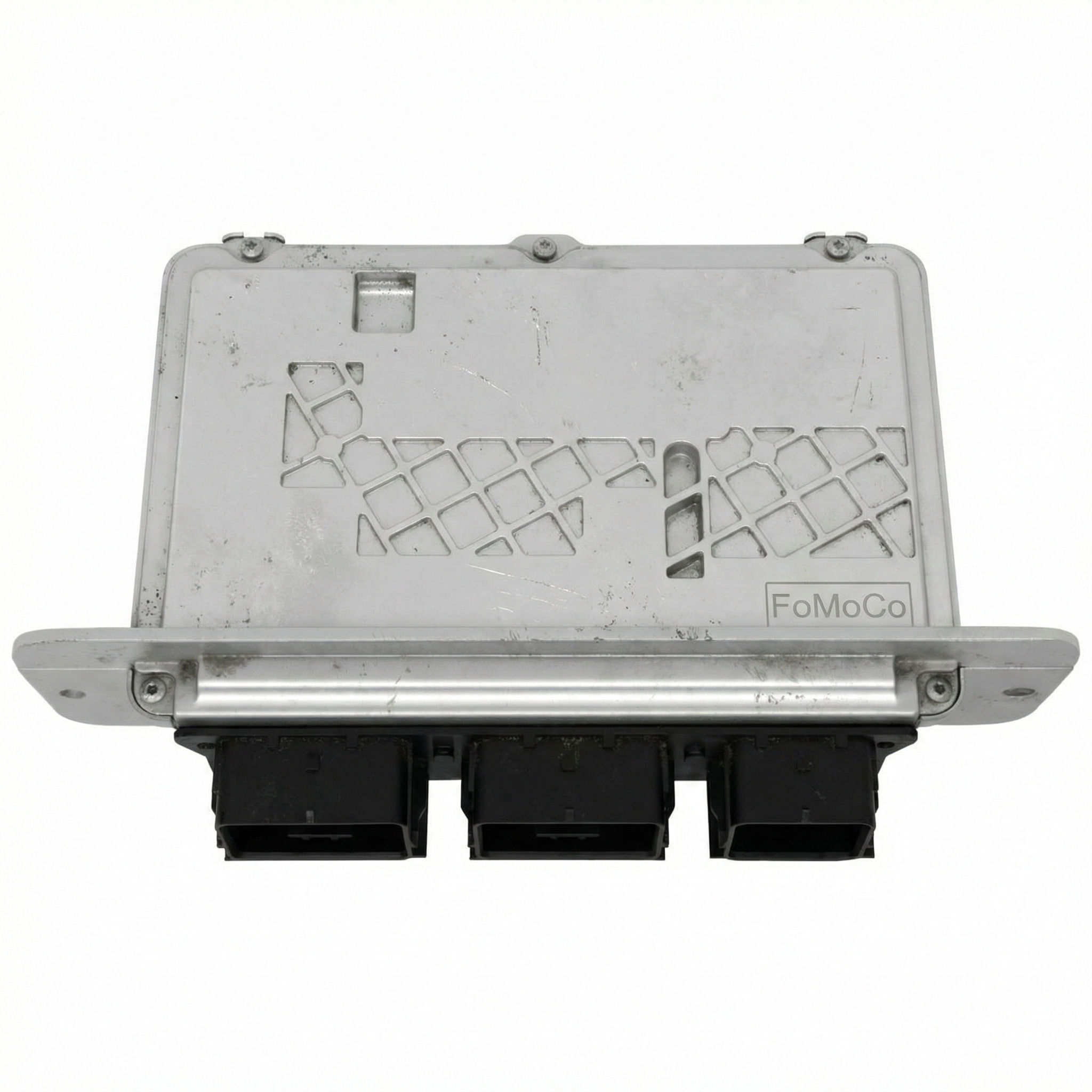
The ECM is located in the engine bay, on the passenger side, mounted to the firewall. It is a silver metal box with three large wiring harness connectors.
Do I need my VIN to order a replacement ECM?
Yes. If you are ordering a pre-programmed module, the seller will require your truck's 17-digit VIN to load the correct software and vehicle configuration.
Will a new ECM fix my truck's custom tune?
No. A replacement ECM will have the stock Ford factory calibration. If your truck had an aftermarket performance tune, it will be erased. You will need to have the vehicle retuned after the new ECM is installed and programmed.
What is the difference between an ECM and a PCM?
The terms are often used interchangeably. ECM stands for Engine Control Module and PCM stands for Powertrain Control Module. In most modern vehicles like the F-150, a single module (the PCM) controls both the engine and the transmission, so PCM is the more accurate term, though ECM is widely understood.
Helpful Videos
Technical Specifications
OEM Part Numbers: AL3A12A650AZB AL3AAZB AL3Z12A650AZB AL3A-12A650-DMA AL3A-12A650-BJB AL3A-12A650-BJD AL3A-12A650-CXA AL3A-12A650-CVA AL3A-12A650-CRD
Location: Engine bay, passenger side firewall. Connectors: Three main wiring harness connectors. The specific hardware and software calibration is identified by the part number suffix and a large 3-letter ID code on the unit's sticker.
We Have This Part in Stock

The information in this article is provided for general reference and educational purposes only. Vehicle specifications, procedures, and part compatibility can vary by production date, trim level, and region. Always consult your vehicle's factory service manual and verify part numbers before purchasing or performing repairs. Safety-critical components such as airbags, seat belts, and braking systems should be installed by a qualified professional.
- Ford F-150:
- Ford F-150 Raptor:
- 🎬 Helpful Videos
- 🛍️ Shop This Part
- Critical Information: Programming is Not Optional
- Symptoms of a Failing 2010 F-150 ECM
- Is It Really the ECM? Check These Parts First
- Buying a Used 2010 F-150 ECM: What You Must Know
- ECM Programming and Anti-Theft (PATS)
- Who Can Program the ECM?
- Known Issues, Recalls, and TSBs
- Cost Comparison for Replacement
- Frequently Asked Questions (FAQ)
- 🎟️ Get 5% Off