

2008 F-150 & 2006-08 Mark LT ECM: Solving Stalling, No-Start, and P035x Codes
This in-depth guide explains common Engine Control Module (ECM) failures, symptoms, and the critical programming steps required for replacement on your Ford F-150 or Lincoln Mark LT.
- This ECM fits the 2008 Ford F-150 and 2006-2008 Lincoln Mark LT with the 5.4L V8 and 4WD.
- A replacement ECM **MUST** be programmed to your truck's VIN and keys. The engine will not start without this step due to the PATS anti-theft system.
- A very common failure is a blown internal ignition coil driver, caused by a bad coil-on-plug. This results in a persistent misfire code (P0351-P0358) that won't go away with a new coil.
- When buying a replacement, you must match the Ford part number exactly, including the final letters, to ensure correct software and calibration.
Understanding the ECM in the 2008 F-150 & 2006-2008 Mark LT
The Engine Control Module (ECM) in the 2008 Ford F-150 and its luxury counterpart, the 2006-2008 Lincoln Mark LT, is a vital component for all powertrain functions. These two vehicles are built on the same Ford P221 platform and share the same 5.4L 3-valve Triton V8 engine and drivetrain, meaning their ECMs are functionally identical. Any issues, replacement procedures, and programming requirements discussed here apply to both trucks.
A common point of failure on these specific modules is directly linked to the ignition system. A faulty ignition coil-on-plug (COP) can short out, sending a voltage spike back to the ECM and destroying the internal driver circuit for that specific cylinder. This results in a persistent misfire that cannot be fixed by replacing the coil or spark plug, making ECM replacement the only solution.
Symptoms of a Failing ECM
A bad ECM can cause a wide range of confusing symptoms. Because the module controls so many systems, you may experience multiple issues at once.
- Check Engine Light: This is often the first sign. The light may be steady or flashing. Common codes include the P035x series for ignition coil circuits and P0605 for internal memory errors.
- Engine Stalling or Misfiring: The engine may stall unexpectedly while driving, run rough, or misfire consistently on one or more cylinders. This is especially common if an ignition coil driver has failed.
- No-Start Condition: The engine may crank but refuse to start. This can happen if the ECM is not activating the fuel injectors or spark plugs, or if it has lost its programming with the anti-theft system.
- Poor Engine Performance: You might notice a sudden loss of power, poor acceleration, and a significant drop in fuel economy.
- Erratic Transmission Shifting: Since the PCM also controls the transmission, you may experience hard shifts, delayed shifting, or the transmission getting stuck in one gear (limp mode).
- Multiple Unrelated Warning Lights: A failing ECM can sometimes cause other warning lights, like the ABS or traction control lights, to illuminate.
Common Diagnostic Trouble Codes (DTCs)
An OBD-II scanner can help you pinpoint the problem. Here are the codes most frequently associated with ECM failure in these trucks:
| Code | Description | Common Cause |
|---|---|---|
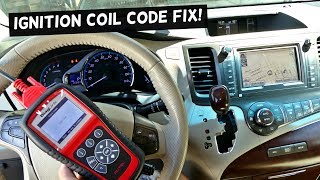
| P0351 - P0358 | Ignition Coil 'A' through 'H' Primary/Secondary Circuit Malfunction | This is a classic sign of a blown coil driver in the ECM. The last digit corresponds to the cylinder number (1-8). | 🎬 See how to fix P0351-P0358 ignition coil circuit codes
| P0605 | Internal Control Module Read Only Memory (ROM) Error | This code points directly to an internal failure within the ECM itself. The module has failed its own self-test. |
| P0606 | PCM Processor Fault | Similar to P0605, this indicates a major internal processing error in the module. |
| U-Codes (e.g., U0100) | Lost Communication With ECM/PCM | This means other modules in the vehicle can no longer communicate with the engine computer, often pointing to a dead ECM or a wiring issue. |
| P0171 / P0174 | System Too Lean (Bank 1 / Bank 2) | While often caused by vacuum leaks or fuel delivery issues, a faulty ECM can also cause these codes by misinterpreting sensor data. |
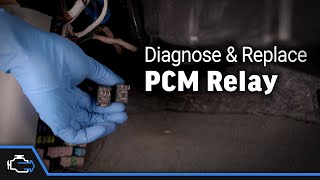
Pro Tip: Before condemning the ECM, always check the basics first. A no-start or no-communication issue can sometimes be caused by a simple blown fuse or a bad PCM power relay, located in the passenger-side footwell fuse box. Swapping the PCM relay with a known good one (like the fog light relay) is a quick and free diagnostic step.
🎬 Watch: How to test and swap your PCM relayECM Programming: The Most Critical Step
You cannot simply swap a used ECM into your F-150 or Mark LT and expect it to work. The module is tied to your vehicle's specific VIN and its Passive Anti-Theft System (PATS). Installing an unprogrammed module will result in a no-start condition, as the PATS will immobilize the engine.
Programming Options:
- Dealer or Qualified Shop: A Ford dealership or an independent shop with the correct diagnostic tools (like Ford's IDS) can program a new or used ECM to your truck. This involves programming the VIN and performing a "parameter reset" to link the ECM to your keys and other modules. This is the most reliable but often most expensive option.
- Mail-In Programming Service: Many online retailers sell used or remanufactured ECMs that come pre-programmed to your VIN. You provide your vehicle's VIN when ordering, and they flash the module before shipping it. Some services even provide new, pre-programmed keys that just need to be cut. This is often the best option for DIY replacement.
- Locksmith Service: Some automotive locksmiths have the equipment to perform the PATS key relearn procedure required after installing a new ECM.
Warning: Do not attempt to start the vehicle with an unprogrammed module installed. This can sometimes cause conflicts with other modules in the vehicle. The programming and key relearn procedure must be completed first.
Buying a Used Engine Control Module (ECM)
Purchasing a used OEM ECM is a cost-effective way to get your truck back on the road, but careful verification is essential. Here’s what to look for:
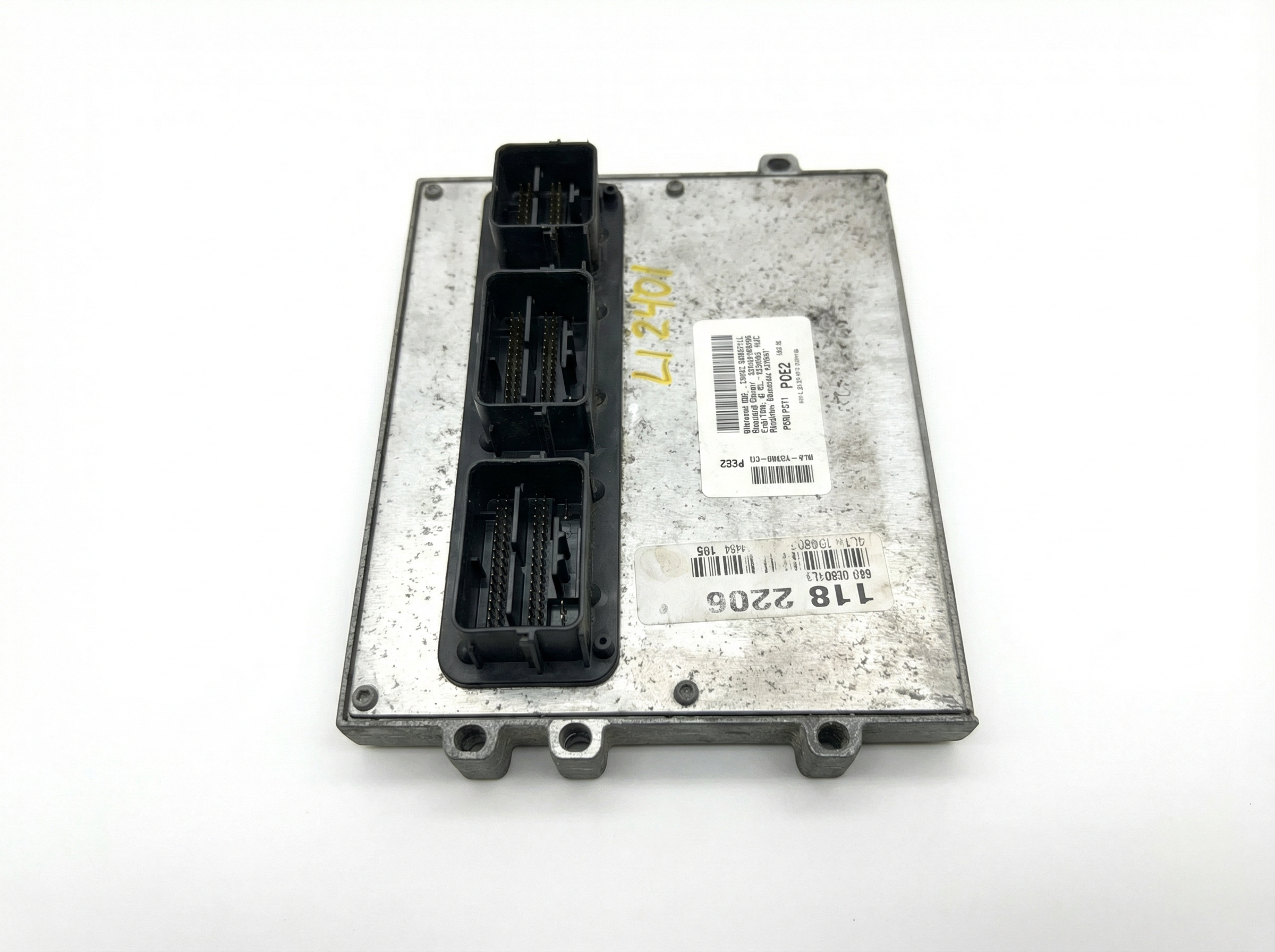
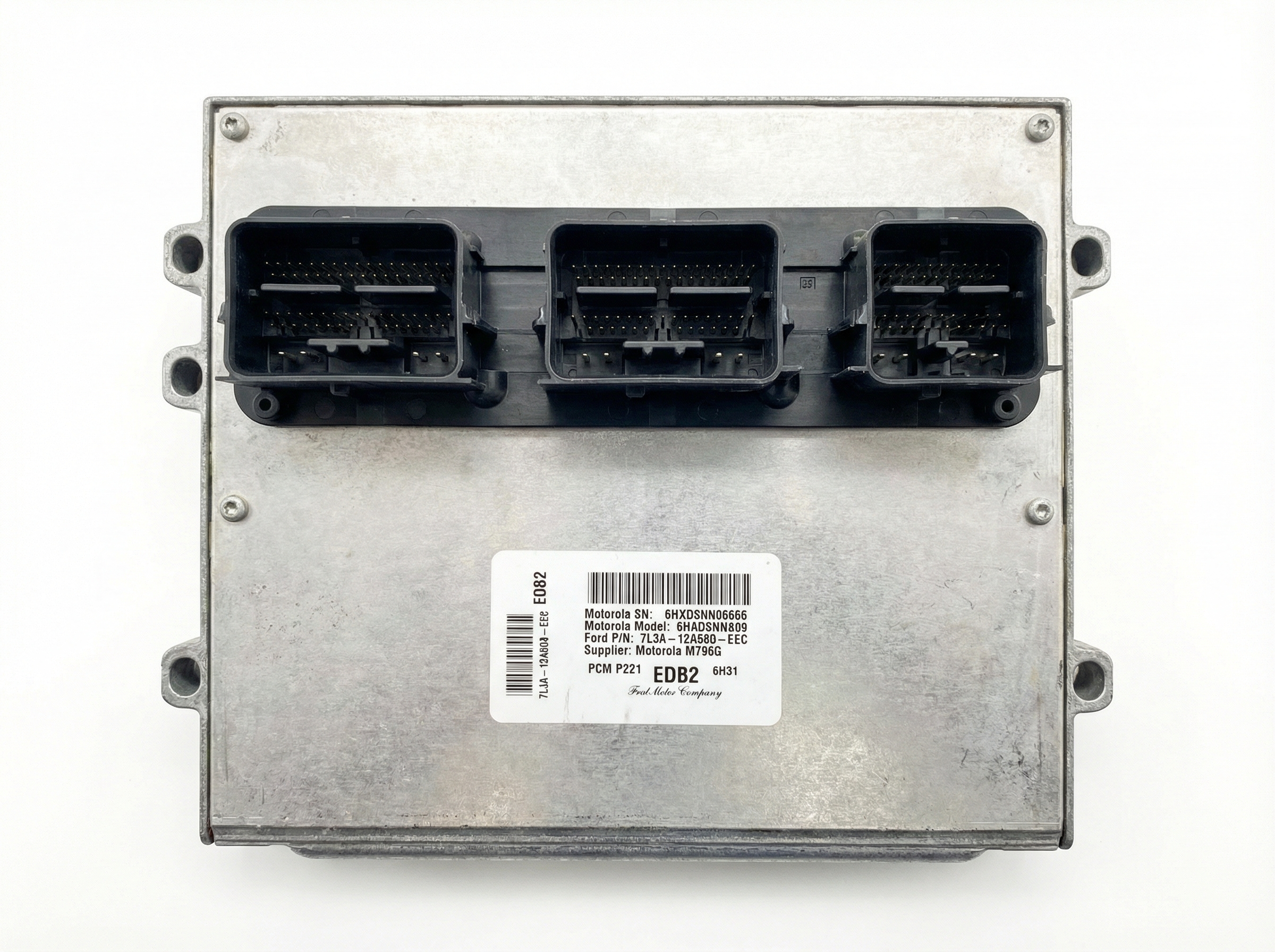
- Match the Part Number Exactly: The Ford part number is printed on a white sticker on the module's case. You must match the entire number, including the prefix and suffix (e.g., 7L3A-12A650-FVD). The suffix letters indicate the specific software and calibration for your truck's options. Using a module with a different suffix can lead to shifting problems, emissions failures, or other performance issues.
- Inspect for Physical Damage: Check the module for any signs of corrosion, water intrusion, or physical damage to the case or connectors. The pins inside the connectors should be straight and clean.
- Plan for Programming: Remember that a used ECM is just a piece of hardware until it's programmed. Factor in the cost of programming from a dealer, locksmith, or a mail-in service before you buy. Buying a pre-programmed unit is often the simplest path.
- Why Used OEM is Often Better: For a critical component like the ECM, a used OEM part that has been properly programmed is often more reliable than a cheap, new aftermarket unit. OEM modules are designed and tested specifically for your vehicle's complex systems. Aftermarket modules can sometimes have compatibility or software issues.
Replacement Location and Procedure
The ECM is easy to access on both the F-150 and Mark LT.
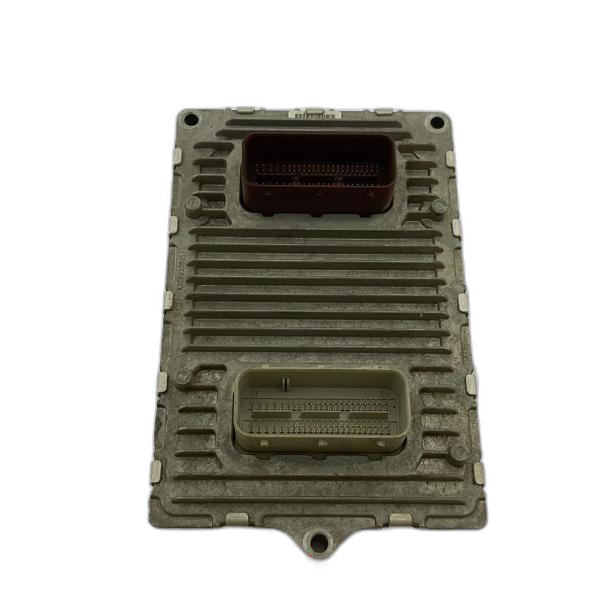
- Location: The ECM is mounted to the firewall on the passenger side of the engine compartment. It's a silver metal box with three large electrical connectors.
- Disconnect the Battery: Always disconnect the negative battery terminal before working on any electronic components.
- Unplug Connectors: Each of the three connectors has a lever or latch. Pull the lever back to release the connector from the module.
- Remove Bolts: The module is held in place by four 10mm bolts. Remove these bolts and the ECM will come free.
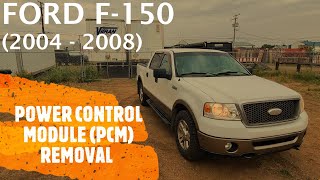
- Installation: Installation is the reverse of removal. Secure the new module, plug in the connectors, and reconnect the battery. 🎬 Watch: Step-by-step ECM removal and replacement walkthrough The vehicle will not start until the programming and key relearn procedure is complete.
Cost Breakdown
The cost to replace your ECM can vary significantly based on the path you choose.
| Item | Estimated Cost | Notes |
|---|---|---|
| New OEM (Dealer) | $800 - $1,200 | This is for a brand new part from Ford. Often, they supply remanufactured units. |
| Remanufactured OEM (Dealer) | $400 - $600 | A Ford-remanufactured part, often comes with a core charge. |
| Used OEM (Recycler/Online) | $75 - $250 | Part only, requires programming. |
| Remanufactured (Online) | $200 - $450 | Often includes VIN programming before shipping. |
| Shop Labor (Replacement & Programming) | $250 - $500 | Includes 1 hour for physical replacement and 1-2 hours for programming and key relearn. |
Frequently Asked Questions (FAQ)
Will my truck start if I just plug in a used ECM?
No. Due to the PATS anti-theft system, the engine will be immobilized until the used ECM is professionally programmed to your vehicle's VIN and keys.
What's the difference between an ECM and a PCM?
For these vehicles, the terms are used interchangeably. PCM stands for Powertrain Control Module and it integrates the functions of the Engine Control Module (ECM) and the Transmission Control Module (TCM) into a single unit.
Can I program the new ECM myself?
For most people, the answer is no. It requires expensive, specialized diagnostic tools and software subscriptions from Ford. While some advanced DIYers use tools like FORScan, it can be complex and has limitations. The safest bet is to use a professional service or buy a pre-programmed unit.
Do I need new keys when I replace the ECM?
Not necessarily. If you have at least two existing, working keys, they can be programmed to the new ECM during the PATS relearn procedure. However, some mail-in programming services will provide new, pre-programmed keys with the replacement module for convenience.
I found a module with the same part number but different letters at the end. Will it work?
It is not recommended. The letters at the end of the part number often specify the software and calibration code. Using an ECM with a different calibration can cause drivability issues, incorrect transmission shifting, or other problems, even if it seems to work at first. Always aim for an exact match.
Helpful Videos

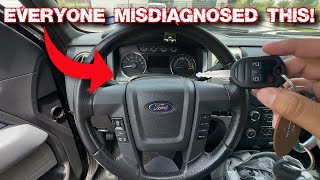
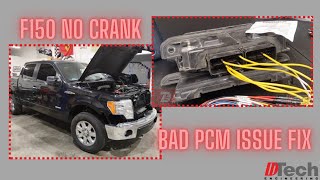
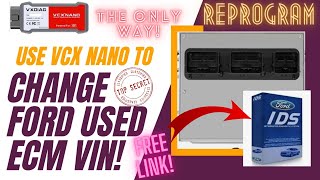
Technical Specifications
OEM Part Numbers: 7L3A-12A650-FVD 7L3A-12A650-FVE 7L3A-FVD 7L3A-FVE 7L3A12A650FVD 7L3A12A650FVE 7L3AFVD 7L3AFVE 7L3Z12A650FVE 7L3A-12A650-GFD 7L3A-12A650-GME 7L3A-12A650-GJB 7L3A-12A650-FZF
Fits 2008 Ford F-150 and 2006-2008 Lincoln Mark LT with a 5.4L gasoline engine and 4-wheel drive. Module requires programming to the vehicle's VIN and PATS anti-theft system.
We Have This Part in Stock

The information in this article is provided for general reference and educational purposes only. Vehicle specifications, procedures, and part compatibility can vary by production date, trim level, and region. Always consult your vehicle's factory service manual and verify part numbers before purchasing or performing repairs. Safety-critical components such as airbags, seat belts, and braking systems should be installed by a qualified professional.
- Ford F-150:
- Lincoln Mark LT:
- 🎬 Helpful Videos
- 🛍️ Shop This Part
- Understanding the ECM in the 2008 F-150 & 2006-2008 Mark LT
- Symptoms of a Failing ECM
- Common Diagnostic Trouble Codes (DTCs)
- ECM Programming: The Most Critical Step
- Programming Options:
- Buying a Used Engine Control Module (ECM)
- Replacement Location and Procedure
- Cost Breakdown
- Frequently Asked Questions (FAQ)
- 🎟️ Get 5% Off