

2001 Ford Focus Engine Control Module: Solving Stalling, No-Start & Electrical Issues
This guide covers the common failures, critical programming requirements, and cost of replacing the Engine Control Module (ECM) in your 2001 Ford Focus.
- A replacement ECM MUST be programmed to the car's keys via the PATS anti-theft system by a dealer or locksmith.
- The ID number on the original module must be '1M5F-NA' and it must be for a SOHC engine with an automatic transmission.
- Before replacing the ECM, check for a bad ground connection under the airbox, a common issue that mimics ECM failure.
- Physical replacement is simple (behind the glovebox), but the car will be immobilized until it is electronically programmed.
Symptoms of a Failing 2001 Ford Focus ECM
Diagnosing a bad ECM can be tricky because its failure can mimic many other problems. However, if your vehicle experiences several of the following issues, especially simultaneously, the ECM is a likely suspect.
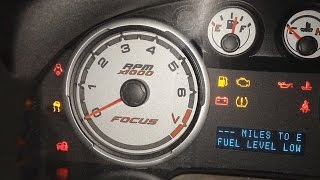
- Check Engine Light: An illuminated Check Engine Light is a primary indicator. The ECM may report codes for internal failure or a host of codes for other sensors it can no longer read correctly.
- Engine Stalling or No-Start: The engine may crank but refuse to start, or it may stall randomly while driving. This can be due to the ECM failing to command the fuel pump or ignition system.
- Erratic Engine Performance: Symptoms include rough idling, engine misfires, hesitation on acceleration, and a sudden drop in fuel economy.
- No Communication with Scan Tool: If a diagnostic scanner cannot communicate with the vehicle, it often points to a complete failure of the ECM.
- Blowing Fuses: An internal short circuit in the ECM can cause related fuses, such as for the fuel pump or engine management, to blow repeatedly.
- Automatic Transmission Problems: Harsh or delayed shifting can occur if the ECM is not communicating correctly with the transmission controls.
Common OBD-II Codes
While many codes can appear, these are strongly associated with ECM and immobilizer system failure on a Ford Focus:
- P0600 - P0608: These codes relate to internal control module errors, with P0607 (Control Module Performance) and P1608 (Internal ECM Malfunction) being common.
- P1260: PCM disabled the vehicle because of a PATS (Passive Anti-Theft System) concern.
- B1600, B1601, B1681: These are PATS-related codes indicating a problem with key recognition or communication between the key's transponder and the vehicle.
- U-Series Codes (e.g., U1147, U1262): These codes indicate a loss of communication between modules, which can be caused by a failed ECM.
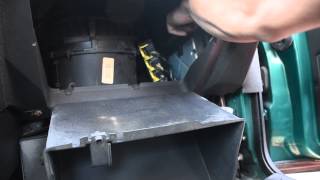
Warning: Many electrical issues on the 2001 Focus are caused by a poor ground connection, not a failed ECM. Before replacing the module, inspect and clean the main battery ground connection located under the air filter box. 🎬 Watch: How to clean the battery ground connection on a Focus Symptoms of a bad ground include flickering lights, erratic gauge behavior, and random stalling, which are easily mistaken for ECM failure.
Known Issues, Recalls, and Technical Service Bulletins (TSBs)
While there are no recalls specifically for the ECM on the 2001 Focus, several related issues are important for diagnosis:
- Recall 02V-288 (Battery Cable Insulation): Ford recalled some 2000-2001 Focus models for potential damage to the battery cable insulation. A short in this harness could cause a wide range of electrical problems or damage to electronic modules.
- Grounding Problems: As mentioned above, poor grounding is a well-documented issue. A TSB was issued for intermittent erratic gauge sweeps, no-start conditions, and other electrical issues related to a bad ground on 2000-2002 models. Cleaning the ground point on the chassis under the airbox is a common and necessary diagnostic step.
- Water Leaks: Some owners have reported water leaking into the front passenger footwell, often due to a clogged cowl drain or improperly sealed cabin air filter housing. While the ECM is located behind the glovebox and relatively protected, significant water intrusion could still pose a risk.
Buying a Used Engine Control Module (ECM)
Purchasing a used OEM ECM is a cost-effective solution, but careful matching is absolutely essential for it to function.
Compatibility is Critical
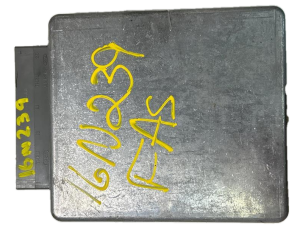
Compatibility Warning: This module fits 2001 Ford Focus vehicles with a SOHC (Single Overhead Cam) engine, automatic transmission, and Federal emissions ONLY. The ID number printed on your original module's sticker MUST be 1M5F-NA for this part to be compatible. Do not rely on visual appearance alone; verify this number before purchasing.
- Part Number Verification: The primary OEM part number is 1M5F-12A650-NA. You may also see it listed as 1M5F12A650NA or under the Ford service number 1M5Z12A650NA. The most important identifier is the engineering ID number 1M5F-NA printed prominently on the unit's label.
- Physical Inspection: When inspecting a used unit, check the large electrical connector port for any signs of corrosion, bent pins, or physical damage. Do not purchase a unit with visible water or burn marks.
- Why Used OEM is a Good Choice: Used original equipment modules are often more reliable than cheap, new aftermarket units. They were built to Ford's original specifications and, when sourced from a reputable recycler, have a proven history of working correctly.
Replacement and Programming
Physically replacing the ECM is a feasible DIY task, but making the car start afterward requires special tools for programming.
ECM Location
The ECM is located inside the vehicle on the passenger side, behind the glove compartment.
Step-by-Step Replacement
- Disconnect the Battery: Always disconnect the negative battery terminal before working on any electronic modules.
- Access the Module: Open the passenger door. Remove the plastic kick panel on the right side of the footwell. Squeeze the sides of the glove box to release its stoppers and let it hang down completely.
- Unplug the Connector: The ECM is now visible. Its large wiring harness connector is secured with a 10mm bolt in the center. Loosen this bolt completely, which will act as a lever to push the connector off the module.
- Remove the ECM: Unbolt the bracket holding the ECM in place and remove it from the vehicle. 🎬 See this walkthrough for removing and replacing the ECM
- Installation: Installation is the reverse of removal. Secure the new module, carefully align and plug in the connector, and tighten the 10mm bolt to seat it fully. Re-install the glove box and kick panel, then reconnect the battery.
Required Programming (PATS System)
Pro Tip: The car will NOT start after installing a replacement ECM until the keys are programmed to it. This is due to Ford's Passive Anti-Theft System (PATS).
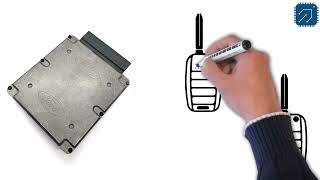
The PATS immobilizer system requires that the vehicle's transponder keys are electronically matched to the ECM. When you swap the ECM, this link is broken.
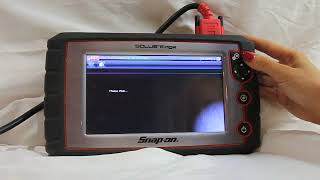
- Who can program it? A Ford dealership or an automotive locksmith with a high-end diagnostic scan tool (like Ford IDS, Autel, or Snap-on) can perform the key relearn procedure.
- What is the process? The technician connects the scan tool, enters the PATS security function, and initiates a "Parameter Reset" or "Key Erase" function. This often involves a 10-minute security wait time before the tool is granted access. After access is granted, all existing keys are erased from the module's memory, and then two keys are programmed into the new ECM. 🎬 Watch: Understanding the Ford PATS key relearn procedure
- Can I do it myself? No. Unlike programming a third key when you already have two, swapping the ECM requires diagnostic tools to establish the initial handshake.
Cost Breakdown
Prices can vary by location and supplier, but here is a general estimate:
| Part Type | Estimated Cost |
|---|---|
| New OEM | null (Likely discontinued) |
| New Aftermarket | $250 - $400 |
| Remanufactured OEM | $150 - $300 |
| Used OEM | $50 - $150 |
| Shop Labor (Installation & Programming) | $200 - $400 |
Frequently Asked Questions (FAQ)
Does a replacement ECM for a 2001 Ford Focus need to be programmed?
Yes, absolutely. The vehicle's keys must be electronically programmed to the replacement ECM using a special scan tool. This is because of the PATS anti-theft system. The engine will not start until this procedure is completed.
Can I use an ECM from a manual transmission Focus in my automatic?
No. The ECM is specific to the transmission type. An ECM for a manual transmission car does not have the software to control an automatic transmission, and the vehicle will not shift correctly, if at all. You must match the part to your vehicle's exact specifications (SOHC engine, automatic transmission).
My car has weird electrical problems. Is it the ECM?
It might be, but first, you should thoroughly check the battery ground connection. A corroded or loose ground wire under the airbox is a very common issue on the 2001 Focus and causes symptoms like a dead instrument cluster, flickering lights, and stalling, which are often misdiagnosed as a bad ECM.
Can a locksmith program my new ECM?
Yes, most modern automotive locksmiths have the necessary diagnostic tools to perform the PATS key relearn procedure required after an ECM swap. This is often a more convenient and affordable option than towing the vehicle to a dealership.
Helpful Videos

Technical Specifications
OEM Part Numbers: 1M5F-12A650-NA 1M5F12A650NA 1M5Z12A650NA
Engineering ID: 1M5F-NA. Application: 2.0L SOHC Engine, Automatic Transmission, Federal Emissions.
We Have This Part in Stock

The information in this article is provided for general reference and educational purposes only. Vehicle specifications, procedures, and part compatibility can vary by production date, trim level, and region. Always consult your vehicle's factory service manual and verify part numbers before purchasing or performing repairs. Safety-critical components such as airbags, seat belts, and braking systems should be installed by a qualified professional.
- Ford Focus:
- 🎬 Helpful Videos
- 🛍️ Shop This Part
- Symptoms of a Failing 2001 Ford Focus ECM
- Common OBD-II Codes
- Known Issues, Recalls, and Technical Service Bulletins (TSBs)
- Buying a Used Engine Control Module (ECM)
- Compatibility is Critical
- Replacement and Programming
- ECM Location
- Step-by-Step Replacement
- Required Programming (PATS System)
- Cost Breakdown
- Frequently Asked Questions (FAQ)
- 🎟️ Get 5% Off