

2014 Ford Fusion 2.0L ECM: Programming, Problems, and Replacement
This guide covers the critical programming requirements, common failure symptoms, and costs for the Engine Control Module in a 2014 Ford Fusion with the 2.0L turbo engine.
- A replacement ECM MUST be programmed to the vehicle using specialized tools. The car will not start without this step due to the PATS anti-theft system.
- Ensure the part number on the replacement ECM matches your original module and is for a 2.0L Turbo engine (VIN 8th digit '9').
- Programming requires two unique (not cloned) keys. If you only have one, a second must be made.
- While the physical installation is simple, programming requires a Ford dealer, a well-equipped independent shop, or advanced DIY knowledge with FORScan.
- Symptoms of failure include a no-start condition, random stalling, poor performance, and multiple unrelated dashboard warning lights.
Symptoms of a Failing 2014 Ford Fusion ECM
A failing ECM can cause a variety of symptoms, ranging from a simple check engine light to a car that won't start at all. Because the ECM controls so many different systems, the symptoms can sometimes be mistaken for other issues. Always perform a thorough diagnosis before deciding to replace the module.
- Check Engine Light: This is often the first sign of a problem. The light may be on constantly, or it may come and go. Specific trouble codes related to internal module failure (like P0600-P0605) are a strong indicator of an ECM issue.
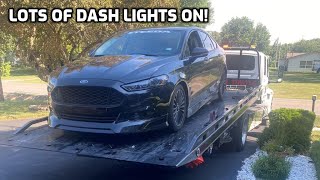
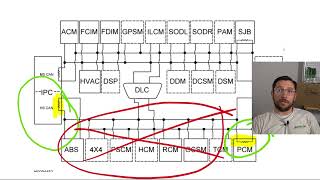
- Engine Stalling or No-Start: The engine may crank but refuse to start, or it may stall 🎬 Watch: Troubleshooting a 2014 Fusion no-start and bad PCM unexpectedly while driving. This can happen if the ECM fails to properly control spark or fuel delivery.
- Poor Engine Performance: You might notice a sudden loss of power, poor acceleration, engine stuttering, or misfires. This can be caused by the ECM sending incorrect signals for the air-fuel mixture or ignition timing.
- Erratic Transmission Shifting: The ECM communicates with the transmission control module to ensure smooth shifts. A faulty ECM can send bad data, leading to hard or delayed shifting.
- Multiple Unrelated Warning Lights: A failing ECM can sometimes cause a cascade of error messages on the dashboard, such as warnings for the advanced traction control, engine over-temperature, and more, even if those systems are working correctly.
- No Communication with Scan Tool: In some cases of complete failure, a diagnostic scan tool may not be able to communicate with the ECM at all, making diagnosis difficult.
Common Diagnostic Trouble Codes (DTCs)
While many codes can indicate an ECM-related issue, codes specifically pointing to the module's internal circuitry are the most definitive. Look for:
| Code | Description |
|---|---|
| P0600 - P0605 | These codes relate to internal control module memory errors, processor faults, or communication line malfunctions. |
| P161A | Incorrect response from immobilizer control module, often seen after an incorrect PCM has been installed. |
| U-Series Codes (e.g., U0100) | These codes indicate a loss of communication with the ECM/PCM, which can point to a module failure. |
Known Issues, Recalls, and Technical Service Bulletins (TSBs)
While there have been several recalls for the 2014 Ford Fusion, none directly address a widespread manufacturing defect with the Engine Control Module itself. However, some recalls and TSBs involve reprogramming the ECM to fix other issues.
- NHTSA Campaign 14V736000: This recall concerned a software issue in the control module that could allow the key to be removed when the transmission was not in Park. The fix was a software update to the module.
- Fuel Pump Recall: Some 2014 Fusions were recalled for a fuel pump issue that could cause the car to stall. While not an ECM failure, the symptoms (stalling) can be similar.
- TSBs for Software Updates: Ford has issued various TSBs that involve updating the ECM's software to resolve drivability issues, such as TSB ASI-44317 which addressed a software error that could disable certain onboard diagnostics.
Important: The information in this guide is specific to the 2014 Ford Fusion with a 2.0L turbocharged engine. This can be identified by the 8th digit of your Vehicle Identification Number (VIN) being '9'. Using an ECM from a different engine will not work.
Buying a Used Engine Control Module: What You Must Know
This is the most critical section for anyone considering a replacement. Unlike a simple mechanical part, you cannot just swap a used ECM and expect it to work. Programming is mandatory.
1. Part Number Compatibility
First, you must match the part number. The OEM part numbers for this specific vehicle and engine include ES7A-12A650-MD, ES7A-12A650-NC, ES7A-12A650-ND, and others. The service part number, which often replaces earlier versions, is ES7Z-12A650-MD. Always verify the part number on your original module before purchasing a replacement.
2. Programming is NOT Optional
A replacement ECM, whether new or used, must be electronically programmed to your specific vehicle. The module needs to learn your car's VIN and, most importantly, be synchronized with the Passive Anti-Theft System (PATS). Without this step, the PATS will prevent the engine from starting, and the car will be immobilized.
3. Who Can Program the ECM?
You have a few options for programming, but they all require specialized equipment.
- Ford Dealership: This is the most straightforward, albeit often most expensive, option. They have the proprietary Ford IDS software and guaranteed access to the latest calibrations.
- Qualified Independent Shop: Many independent mechanics have high-end diagnostic tools (from brands like Autel or Snap-on) with the capability to perform PATS key and module programming. You must call ahead and confirm they can perform a "PATS parameter reset" or "module initialization" for a 2014 Ford.
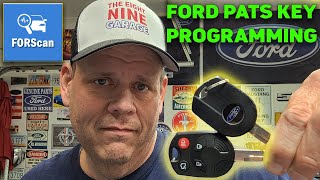
- Advanced DIY with FORScan: It is possible for a knowledgeable DIYer to perform the programming using FORScan software, an extended license, and a compatible OBD-II adapter. This involves a 10-minute security access wait and then erasing and reprogramming keys to the new module. This is an advanced procedure and not recommended for beginners. 🎬 Watch: How to use FORScan for key and module reprogramming
- Mail-In Programming Services: Some companies offer a service where you mail them your replacement (used) or original module, and they will program it with your car's VIN. If you use this service, you may still need to perform a key relearn procedure once the module is installed.
Pro Tip: To perform PATS programming, you MUST have two unique (not cloned) keys for the vehicle. The system requires two separate keys to be cycled in the ignition to authorize the new module. If you only have one key, you will need to have a second one cut and programmed at the same time.
Replacement Cost Comparison
The cost of replacing the ECM can vary significantly based on the path you choose. Programming labor is a major factor.
| Item | Estimated Cost | Notes |
|---|---|---|
| New OEM | $700 - $900+ | Part only, from a Ford dealership. |
| Remanufactured | $150 - $400 | From specialty electronics suppliers. Often comes pre-programmed to your VIN. |
| Used OEM | $75 - $200 | From salvage yards or online retailers. Requires programming. |
| Shop Labor (Installation & Programming) | $200 - $400 | Typically 1.5-2.5 hours of labor. Programming alone can cost $150-$350. |
Frequently Asked Questions (FAQ)
Can I just plug in a used ECM and start the car?
No. The car will not start. The Engine Control Module is tied to the vehicle's anti-theft system (PATS). A replacement module must be electronically programmed to your vehicle's VIN and keys before the engine will be allowed to run.
Can I install the ECM myself to save money?
Yes, the physical installation is relatively simple for a DIY mechanic. The ECM is typically located in the engine bay and is held in by a few bolts with 🎬 See this step-by-step guide for physically replacing the ECU electrical connectors. You can install the part yourself and then have the vehicle towed to a dealer or shop for the mandatory programming. This can save you on labor costs for the physical swap.
What is a PATS "parameter reset"?
A parameter reset is a function performed with a diagnostic tool that tells the vehicle's other modules (like the instrument cluster) to accept a new ECM. When the original ECM is replaced, the other modules still expect to see it. The reset procedure allows them to sync with the new module, transferring key data and allowing the car to start.
Do I need my old ECM to program a new one?
No, you do not typically need the old ECM. The programming procedure is done on the vehicle, teaching the new ECM about the car and its keys. However, some mail-in programming services may ask for your old module to clone data, but it is not a requirement for dealer or independent shop programming.
Helpful Videos


Technical Specifications
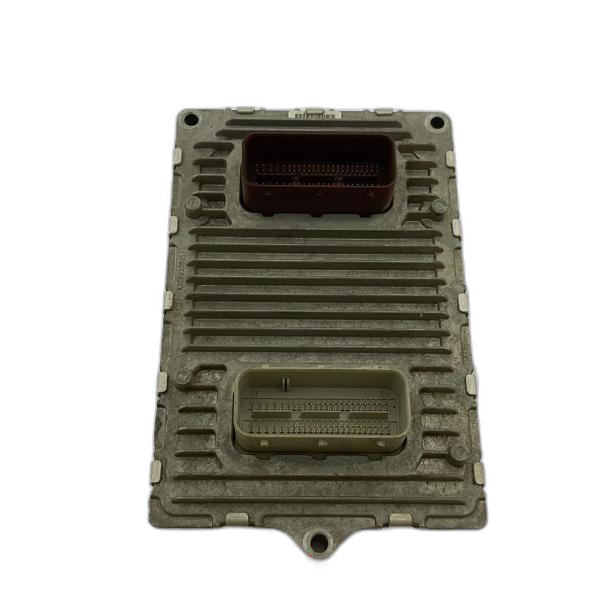
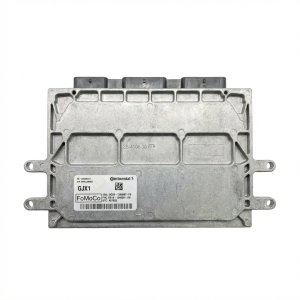
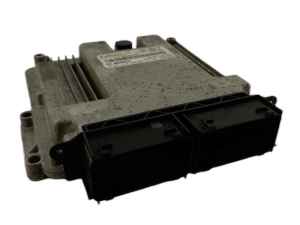
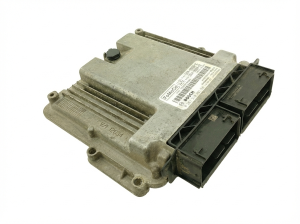
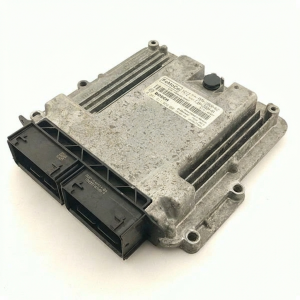
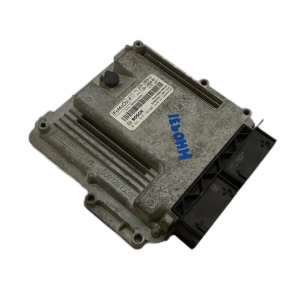
OEM Part Numbers: ES7A12A650MD ES7A12A650NC ES7A12A650ND ES7A12A650PD ES7A12A650RD ES7A12A650UD ES7Z12A650MD
Hardware Code: DG1A-12B684-AB
We Have This Part in Stock

The information in this article is provided for general reference and educational purposes only. Vehicle specifications, procedures, and part compatibility can vary by production date, trim level, and region. Always consult your vehicle's factory service manual and verify part numbers before purchasing or performing repairs. Safety-critical components such as airbags, seat belts, and braking systems should be installed by a qualified professional.
- Ford Fusion:
- 🎬 Helpful Videos
- 🛍️ Shop This Part
- Symptoms of a Failing 2014 Ford Fusion ECM
- Common Diagnostic Trouble Codes (DTCs)
- Known Issues, Recalls, and Technical Service Bulletins (TSBs)
- Buying a Used Engine Control Module: What You Must Know
- 1. Part Number Compatibility
- 2. Programming is NOT Optional
- 3. Who Can Program the ECM?
- Replacement Cost Comparison
- Frequently Asked Questions (FAQ)
- 🎟️ Get 5% Off