

2004 Ford Mustang 3.8L V6 ECM: A Guide to Part Numbers, PATS Programming, and Replacement
Learn why exact part number matching and PATS key programming are critical when replacing the engine computer in your 2004 V6 Mustang.
- The replacement ECM MUST be programmed to the car's PATS anti-theft system, otherwise the engine will not start.
- You must match the OEM part number exactly (e.g., 4R3A-12A650-KC) from your original module.
- This ECM only fits 2004 Mustangs with the 3.8L V6 engine and an automatic transmission.
- Programming can be done by a Ford dealer or a well-equipped automotive locksmith.
Symptoms of a Failing 2004 Mustang ECM
A failing ECM can cause a wide range of confusing and intermittent issues. Because the ECM controls so many different systems, symptoms can often be mistaken for other problems. Here are the most common signs that the ECM itself may be the culprit.
Engine Stalling or No-Start
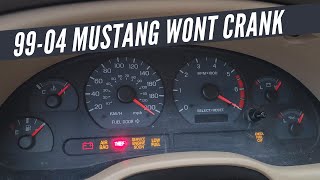
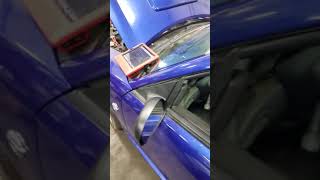
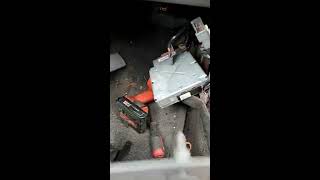
One of the most serious symptoms is an engine that cranks but refuses to start, or one that stalls 🎬 See how to troubleshoot a Mustang that won't start. unexpectedly while driving. This can happen if the ECM fails to command the fuel injectors or ignition coils to fire. It may be intermittent at first but typically worsens over time.
Check Engine Light and Communication Codes
An illuminated Check Engine Light is a common symptom. While many issues can trigger the light, codes specifically related to the ECM's internal memory or communication are a strong indicator of failure. Look for codes like:
- P0600 - P0605: These codes point to internal communication errors, ROM/RAM errors, or processor faults within the ECM itself.
- P1260: Theft Detected, Vehicle Immobilized. This code indicates a problem with the PATS anti-theft system, which can be triggered by an unsynchronized or faulty ECM.
- P0351 - P0356: Ignition Coil Primary/Secondary Circuit Malfunction. While this can indicate a bad coil, it can also mean the driver circuit inside the ECM that controls the coil has failed.
Erratic Engine Performance
A faulty ECM can cause the engine to run poorly. You might experience rough idling, engine misfires, surging, poor acceleration, or a sudden drop in fuel economy. This happens when the ECM can no longer correctly interpret sensor data to manage the air-fuel mixture and ignition timing.
Buying a Used 2004 Mustang ECM: What You Must Know
Purchasing a used or remanufactured ECM can save you a significant amount of money, but there are critical compatibility rules you must follow to avoid buying an expensive paperweight.
Warning: This specific ECM is for a 2004 Ford Mustang equipped with a 3.8L V6 engine and an automatic transmission. It will not work in GT models with the 4.6L V8 or in cars with a manual transmission.
1. Match the Part Number EXACTLY
The single most important rule is to match the OEM part number on your original ECM to the letter. Ford produced many variations of this module with slight hardware and software differences. Even a module from the same year and model can be incompatible if it was built for different options.
- Verified Part Numbers: 4R3A-12A650-KC, 4R3A12A650KC, 4R3Z-12A650-KC.
The part number is printed on a sticker on the ECM's case. You must access the module to verify your number before ordering a replacement.
2. Physical Inspection
When buying a used module, inspect it for signs of damage. Look for a corroded case, bent pins on the connector, or any indication that the case has been opened. Water damage is a common cause of failure, so any signs of corrosion are a major red flag.
3. Why Used OEM is Often Better
For a complex electronic part like an ECM, a used or remanufactured OEM unit is often a more reliable choice than a new aftermarket part. OEM modules are built to Ford's original quality standards. Reputable remanufacturers often test and replace common failure-prone components, sometimes making the rebuilt unit more robust than it was originally.
Programming and Immobilizer (PATS) Requirements
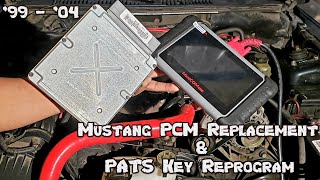
You cannot simply install a replacement ECM and drive the car. The 2004 Mustang is equipped with Ford's Passive Anti-Theft System (PATS), which will prevent the engine from starting until the new module is properly introduced to the vehicle.
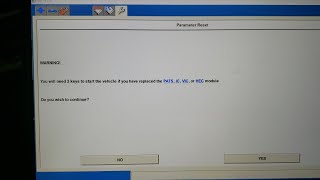
Warning: After installing a replacement ECM, the vehicle will be immobilized and will not start. A PATS parameter reset and key relearn procedure is mandatory.
The PATS system involves the ECM, the instrument cluster, and the chip in your ignition key. When you replace the ECM, its security ID no longer matches the one stored in the instrument cluster, and the car assumes it is being stolen.
Who Can Program the ECM?
You have a few options to get your car running again:
- Ford Dealership: A dealer can perform the PATS relearn procedure using their factory diagnostic tools.
- Automotive Locksmith: Many mobile locksmiths have advanced scan tools (like Autel or Xtool) that can perform the necessary parameter reset and reprogram your existing keys to the new module. This is often the most convenient option.
- Mail-In Service: Some companies offer a service where you mail in your replacement ECM (and sometimes your original) to have the PATS function deleted entirely. With a PATS-deleted module, the car becomes "plug and play" and will start without any special key programming.
To perform the key relearn, the technician will need at least two working keys that can turn the ignition.
Known Issues, TSBs, and Recalls
While there are no major recalls specifically for the ECM on the 2004 Mustang, there are some known issues and a relevant Technical Service Bulletin (TSB).
- TSB 04-24-14: Ford issued this bulletin noting that PCMs may need to be reprogrammed or replaced to fix certain issues, and it emphasizes that proper programming procedures must be followed to avoid causing additional problems.
- Ignition Coil Failure: A common cause of ECM failure on this generation of Ford vehicles is a faulty ignition coil. The bad coil can send a voltage spike back to the ECM, damaging the internal driver circuit that controls it. If you are replacing an ECM due to a misfire code, it is highly recommended to replace the corresponding ignition coil pack at the same time to prevent immediate damage to the new module.
- Recalls: No recalls were issued by the NHTSA for the ECM on the 2004 Ford Mustang. Recalls for this model year concerned issues like the accelerator pedal on Cobra models and power seat tracks.
Cost Comparison
The cost to replace a 2004 Mustang ECM can vary significantly depending on the source of the part and labor rates. New OEM units are generally discontinued.
| Part Type | Estimated Cost |
|---|---|
| New OEM | $700 - $900+ (Discontinued, very limited availability) |
| Remanufactured OEM | $200 - $450 |
| Used OEM | $75 - $200 |
| Shop Labor (Physical Swap) | $100 - $150 |
| Shop Labor (Programming) | $150 - $300 |
Replacement Overview
Physically swapping the ECM is a relatively simple job that can be done with basic hand tools. The module is located behind the passenger-side kick panel.
- Disconnect the negative terminal of the battery.
- Remove the plastic passenger-side door sill plate.
- Remove the passenger-side kick panel to expose the ECM.
- Loosen the 10mm bolt in the center of the large wiring harness connector and pull the connector away from the ECM.
- Unbolt the bracket holding the ECM in place and remove the module from the vehicle.
- Installation is the reverse of removal.
Pro Tip: After installing the replacement ECM, reconnect the battery but do not attempt to start the car. It will not work and may set additional fault codes. The vehicle must be towed or visited by a mobile technician for PATS programming.
Frequently Asked Questions (FAQ)
Do I absolutely have to program a replacement ECM?
Yes. Due to the PATS anti-theft system, the car will not start until the replacement ECM is programmed to your vehicle's keys and instrument cluster. The only exception is if you purchase a module that has had the PATS system deleted via a mail-in service.
Can I use an ECM from a Mustang GT or a manual transmission car?
No. The ECM is specific to the engine and transmission combination. An ECM from a V8 or manual transmission car has completely different software and hardware and will not run your 3.8L V6 automatic properly, if at all.
Where is the ECM located on my 2004 Mustang?
The ECM is located inside the car on the passenger side, behind the plastic trim panel (kick panel) near where the passenger's feet would be.
Will a bad ECM always cause a Check Engine Light?
Not always. While a Check Engine Light is common, a failing ECM can sometimes cause intermittent stalling or no-start issues without setting a code, especially in the early stages of failure. It can also sometimes reset itself, clearing any codes that were stored.
Helpful Videos

Technical Specifications
OEM Part Numbers: 4R3A-12A650-KC 4R3A12A650KC 4R3Z-12A650-KC
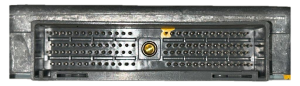
Location: Passenger side interior, behind kick panel. Connector: Single bolt-down 104-pin connector.
We Have This Part in Stock

The information in this article is provided for general reference and educational purposes only. Vehicle specifications, procedures, and part compatibility can vary by production date, trim level, and region. Always consult your vehicle's factory service manual and verify part numbers before purchasing or performing repairs. Safety-critical components such as airbags, seat belts, and braking systems should be installed by a qualified professional.
- Ford Mustang:
- 🎬 Helpful Videos
- 🛍️ Shop This Part
- Symptoms of a Failing 2004 Mustang ECM
- Engine Stalling or No-Start
- Check Engine Light and Communication Codes
- Erratic Engine Performance
- Buying a Used 2004 Mustang ECM: What You Must Know
- 1. Match the Part Number EXACTLY
- 2. Physical Inspection
- 3. Why Used OEM is Often Better
- Programming and Immobilizer (PATS) Requirements
- Who Can Program the ECM?
- Known Issues, TSBs, and Recalls
- Cost Comparison
- Replacement Overview
- Frequently Asked Questions (FAQ)
- 🎟️ Get 5% Off