

2013-2014 Ford Mustang ECM: Your Guide to Programming, PATS, and Replacement
Replacing the engine computer in your Mustang involves mandatory programming and security procedures; this guide covers everything you need to know to do it right.
- A replacement ECM (or PCM) for a 2013-2014 Mustang MUST be programmed to the car's VIN and PATS anti-theft system.
- The vehicle will not start until the programming and key relearn procedure is completed by a dealer or qualified shop.
- You must have a minimum of two working, unique (not cloned) keys to program a replacement module.
- Always match the part number from your original ECM exactly, as there are many variations for different engines and transmissions.
Symptoms of a Failing 2013-2014 Mustang ECM


A failing ECM can cause a wide range of problems, from a simple check engine light to a car that won't start at all. Because the ECM is connected to so many systems, symptoms can sometimes be mistaken for other issues. Always perform a thorough diagnosis before condemning the module.
- No-Start or Intermittent Start: This is one of the most definitive signs. The engine may crank but fail to start, or it may not crank at all. You might hear the fuel pump prime and see dash lights, but the starter does not engage.
- Engine Stalling: The engine may stall unexpectedly while driving or when coming to a stop. This can be caused by the ECM failing to properly control idle speed or fuel delivery.
- Check Engine Light with Communication Codes: A key indicator is the presence of specific Diagnostic Trouble Codes (DTCs). Codes like P0600-P0606, P1608, or P1636 often point directly to an internal ECM failure or communication error.
- Poor Engine Performance: You might experience a noticeable loss of power, poor acceleration, or a significant drop in fuel economy as the ECM struggles to manage the engine correctly.
- Misfire Codes Without a Mechanical Cause: If you have persistent misfire codes (P0300-P0308) but have ruled out spark plugs, coils, and injectors, the ECM's driver circuits could be at fault. For the 3.7L V6, failed ignition coils can damage the PCM, leading to codes like P0351-P0356.
- Transmission Shifting Problems: Since the PCM also influences automatic transmission behavior, a faulty module can cause harsh shifting, or the transmission may engage in the wrong gear on startup.
The #1 Rule: ECM Programming and Anti-Theft (PATS)
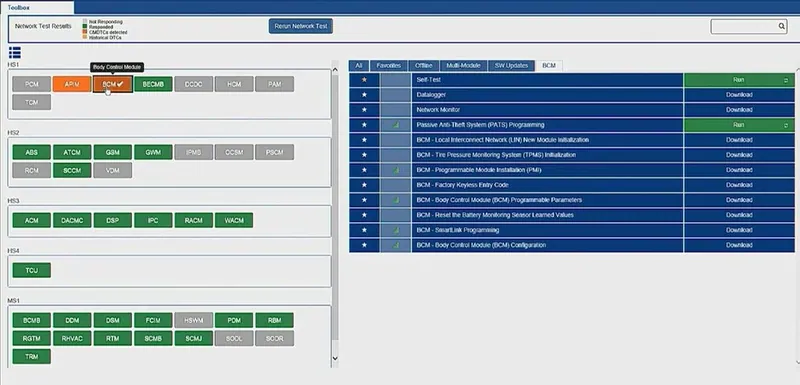
Warning: You cannot simply swap a used ECM into your 2013-2014 Mustang and expect it to work. The vehicle will not start. The replacement module must be programmed to your vehicle's specific VIN and synchronized with the Passive Anti-Theft System (PATS).
🎬 Watch: How to handle PATS after replacing a moduleThe ECM is the heart of the vehicle's security system. It communicates with the PATS module (often part of the instrument cluster) and the transponder chip in your key. If the codes stored in all three components do not match, the system assumes a theft attempt and disables the engine.
Who Can Program a Replacement Mustang ECM?
- Ford Dealerships: Dealers have the proprietary Integrated Diagnostic System (IDS) software required to perform the programming and key relearn procedure.
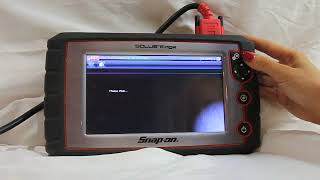
- Qualified Independent Shops: Many independent auto repair shops that specialize in diagnostics have professional-grade scan tools (from brands like Autel or Snap-on) and a J2534 pass-thru device with a subscription to the Ford software. These tools can perform the necessary "Parameter Reset" and key programming functions. 🎬 See a professional tool program a Mustang key and chip
- Automotive Locksmiths: Some mobile automotive locksmiths are equipped with advanced tools to handle PATS key programming and module replacement.
The process typically involves a 10-minute security access wait, followed by erasing the old key data and programming a minimum of two keys to the new module. If you only have one key, you will need to have a second one cut and available for the programming session.
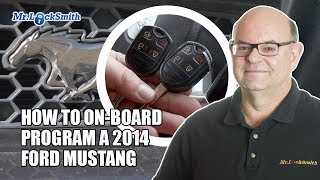
🎬 Watch: Quick tip for programming a new set of keysBuying a Used 2013-2014 Mustang ECM
Purchasing a used OEM ECM is a cost-effective alternative to a new unit, but careful verification is essential to ensure compatibility and avoid installation headaches.
- Match the Part Number Exactly: The most critical step is to match the OEM part number from your original module to the used one. Common part numbers for the 2013-2014 Mustang GT (5.0L) include DR3A-12A650-ND and its replacement, DR3Z-12A650-NE. There are many other variations based on engine (3.7L V6, 5.0L V8, 5.8L Supercharged), transmission (manual or automatic), and specific software calibration. Always order by the code printed on your original module's sticker.
- Physical Inspection: When you receive the used module, inspect the case for any signs of being pried open. Check the electrical connectors for corrosion, bent pins, or water damage. A clean module from a reputable recycler is your best bet.
- Consider Repair Services: If your module has a common, known failure (like burned-out coil drivers on the 3.7L V6 models), a repair service can be an excellent option. These services fix the internal fault in your original module, meaning no programming is required afterward, as it retains your vehicle's VIN and key data.
- Why Used OEM is a Good Choice: A used OEM Ford module contains the original, robust hardware designed specifically for your vehicle. It is often more reliable than some aftermarket remanufactured units and significantly cheaper than a brand-new module from a dealer.
Known Issues, Recalls, and Technical Service Bulletins (TSBs)
While there are no widespread recalls specifically for ECM failure on the 2013-2014 Mustang, Ford has issued several TSBs related to PCM software and associated symptoms.
- TSB 13-6-15: Some 2011-2014 Mustangs with the 5.0L engine could illuminate the Check Engine Light with random misfire codes (P0300-P0308, P0316) without any actual drivability issues. The fix involves installing an O-ring on the crankshaft position sensor and performing a PCM relearn procedure.
- TSB 13-1-11: For 2013 5.0L Mustangs with a manual transmission, this TSB addresses a Check Engine Light with misfire codes stored only in continuous memory. The solution is to reprogram the PCM to the latest calibration.
- TSB 13-6-8: On vehicles with the 6R80 automatic transmission, a software issue could cause the transmission to engage in 5th gear on startup, illuminate the wrench light, and show dashes on the odometer. This is often accompanied by codes P0720 and P0722 and may require a PCM software update.
- SSM 46900: A service message notes that a no-start condition with code P161A can occur after PCM replacement if the "parameter reset" procedure is not completed correctly.
Cost Breakdown
The cost of replacing an ECM can vary significantly based on the part source and labor for programming.
| Part Type | Estimated Cost |
|---|---|
| New OEM (Ford Dealer) | $460 - $700 + Core Charge. |
| Remanufactured (Aftermarket) | $250 - $450. |
| Used OEM (Recycled) | $100 - $250. |
| Repair Service (Your Module) | $295 - $400. |
| Shop Labor (Programming) | $100 - $250. |
Note: Prices are estimates and can vary based on supplier, location, and vehicle configuration.
Frequently Asked Questions (FAQ)
What's the difference between an ECM and a PCM?
ECM stands for Engine Control Module, while PCM stands for Powertrain Control Module. For most modern vehicles, including the 2013-2014 Mustang, the terms are used interchangeably. Ford typically uses "PCM" because the single module controls both the engine and the automatic transmission.
Can I drive my Mustang with a bad ECM?
If the symptom is a no-start or frequent stalling, the vehicle is not drivable. If the symptoms are less severe, like a check engine light with minor performance issues, you might be able to drive it to a repair shop, but doing so could risk further damage. It is not recommended.
Do I need two keys to replace the ECM?
Yes, the Ford PATS programming procedure requires a minimum of two unique (not cloned) keys to be programmed to the new module for the system to function. If you only have one key, you must have a second one made before the programming can be completed.
Can an aftermarket engine tune damage the ECM?
Yes, improper flashing or interrupting the tuning process can potentially "brick" or fry the ECM, rendering it useless. While rare with reputable tuners, it is a risk associated with modifying the factory software.
Helpful Videos
Technical Specifications
OEM Part Numbers: DR3A-12A650-ND DR3Z-12A650-NE DR3Z12A650ND DR3A-12A650-NC DR3A-12A650-PC DR3A-12A650-HH DR3A-12A650-HE
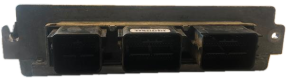
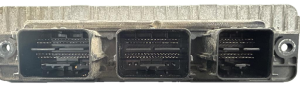
Ford refers to this part as the Powertrain Control Module (PCM) as it controls both the engine and transmission. It is linked to the Passive Anti-Theft System (PATS).
We Have This Part in Stock

The information in this article is provided for general reference and educational purposes only. Vehicle specifications, procedures, and part compatibility can vary by production date, trim level, and region. Always consult your vehicle's factory service manual and verify part numbers before purchasing or performing repairs. Safety-critical components such as airbags, seat belts, and braking systems should be installed by a qualified professional.
- Ford Mustang:
- 🎬 Helpful Videos
- 🛍️ Shop This Part
- Symptoms of a Failing 2013-2014 Mustang ECM
- The #1 Rule: ECM Programming and Anti-Theft (PATS)
- Who Can Program a Replacement Mustang ECM?
- Buying a Used 2013-2014 Mustang ECM
- Known Issues, Recalls, and Technical Service Bulletins (TSBs)
- Cost Breakdown
- Frequently Asked Questions (FAQ)
- 🎟️ Get 5% Off