

2015-2019 Ford Mustang & Lincoln MKC ECM: Programming, Issues, and Replacement Costs
This guide covers common failure symptoms, known issues, and the critical programming requirements for the Engine Control Module (ECM) in the 2015-2019 Ford Mustang and Lincoln MKC.
- A replacement ECM absolutely requires programming to the vehicle's VIN and anti-theft system (PATS) to function.
- Common failure symptoms include a no-start condition, random misfires, stalling, and poor fuel economy.
- Owners of 2015-2019 Lincoln MKCs should be aware of a fire risk recall related to the battery monitor sensor, which is located in the engine bay.
- Programming can be done by a Ford/Lincoln dealer, a qualified independent shop, or some automotive locksmiths.
Symptoms of a Failing ECM
A failing Engine Control Module can cause a wide range of problems, often mimicking other component failures. Diagnosing a bad ECM should involve ruling out other potential causes first, such as faulty sensors or wiring. Here are the most common signs that your ECM may be the culprit:
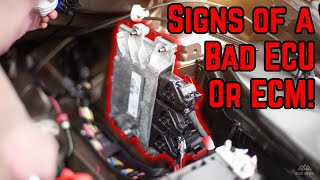
🎬 Watch: A detailed breakdown of common failing ECM symptoms- Check Engine Light: This is often the first indicator. A scan tool may reveal a host of seemingly unrelated trouble codes, or specific codes pointing to an internal module failure.
- Engine Performance Issues: You may experience random engine misfires, stalling, rough idling, hesitation during acceleration, or a noticeable loss of power.
- No-Start Condition: The engine may crank but refuse to start, or it might not crank at all. This can happen if the ECM isn't properly controlling the fuel injectors or ignition system.
- Poor Fuel Economy: If the ECM is not managing the air-fuel mixture correctly, you may see a sudden and significant drop in your vehicle's gas mileage.
- Erratic Transmission Shifting: In these vehicles, the ECM (as part of the PCM) also controls transmission functions. A faulty module can lead to harsh, delayed, or irregular gear shifts.
Common Diagnostic Trouble Codes (DTCs)
While many codes can be triggered by a failing ECM, some are more directly linked. A sudden appearance of multiple codes for different sensors can be a strong indicator of a module problem.
- P0300-P0308: Misfire detected codes (e.g., P0300 for random misfire, P0301 for cylinder 1, etc.).
- P0351-P0358: Ignition Coil Primary/Secondary Circuit Malfunction codes. These can sometimes indicate the ECM driver for a specific coil has failed.
- P0611: Fuel Injector Control Module Performance.
- P2610: ECM/PCM Internal Engine Off Timer Performance.
- Communication Codes (U-codes): Codes like U0100 (Lost Communication With ECM/PCM) can indicate a complete failure of the module.
Known Issues, Recalls, and Technical Service Bulletins (TSBs)
Lincoln MKC (2015-2019)
- Recall 23V378000 (NHTSA ID): This major recall affects all 2015-2019 Lincoln MKC vehicles. The battery monitor sensor can short-circuit and overheat, potentially causing an engine compartment fire, even when the vehicle is parked and turned off. The remedy involves dealers adding an in-line fuse to the battery monitor sensor power circuit. While not a direct ECM failure, this issue occurs in the engine bay and relates to the vehicle's core electrical system.
- TSB 20B27 S1: This TSB applies to certain 2015-2019 MKC models (and 2016-2019 Explorers) with the 2.3L EcoBoost engine. It calls for a Powertrain Control Module (PCM) reprogram to address unspecified issues.
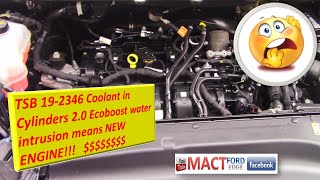
- TSB 19-2346: For 2017-2019 MKC models with the 2.0L EcoBoost engine, this TSB addresses potential coolant intrusion into the cylinders, which can cause a rough running condition and various DTCs. The fix is a complete long block engine replacement. While not an ECM fault, the symptoms can overlap. 🎬 See how coolant intrusion affects the 2.0L EcoBoost engine
Ford Mustang (2015-2019)
No specific ECM-related recalls were found for the 2015-2019 Ford Mustang during research. Most issues reported in forums are related to individual component failures or require software updates that a dealer can perform.
Important: A replacement ECM for either the Ford Mustang or Lincoln MKC will not work until it is properly programmed to your vehicle's specific VIN and security system.
ECM Replacement and Programming Requirements
This is the most critical part of replacing the ECM in your Mustang or MKC. You cannot simply swap the module and expect the car to run. These vehicles are equipped with Ford's Passive Anti-Theft System (PATS), which links the ECM to your specific keys.
Why Programming is Required
- Immobilizer/Anti-Theft (PATS): The ECM, instrument cluster, and your ignition keys all contain security information. If the information in the replacement ECM doesn't match the other components, the PATS system will activate, and the engine will not start.
- VIN Programming: The vehicle's unique Vehicle Identification Number (VIN) must be written to the replacement ECM. This ensures all vehicle systems communicate correctly.
- Vehicle-Specific Parameters: The ECM needs to be configured for your vehicle's exact options, such as engine size (2.0L, 2.3L, 5.0L, etc.), transmission type, and emissions equipment.
Who Can Program a Replacement ECM?
- Ford/Lincoln Dealerships: Dealers have the proprietary software (Ford IDS) and hardware required to program a new or used ECM to your vehicle. This is the most straightforward, though often most expensive, option.
- Qualified Independent Shops: Many independent auto repair shops that specialize in Ford vehicles invest in the necessary tools and software subscriptions to perform module programming.
- Automotive Locksmiths: Some advanced automotive locksmiths have tools that can perform a "parameter reset" and reprogram keys to the new module, making them a viable option.
Pro Tip: Before buying a used ECM, call local dealerships and independent shops to confirm they are willing and able to program a customer-supplied used module and inquire about their pricing. Some shops may only program parts they source themselves.
Buying a Used Engine Control Module for Your Mustang or MKC
Purchasing a used OEM ECM is a cost-effective way to get your vehicle back on the road. Because these are complex electronic components, buying a recycled original part is often more reliable than a new, unproven aftermarket unit. Here’s what to look for:
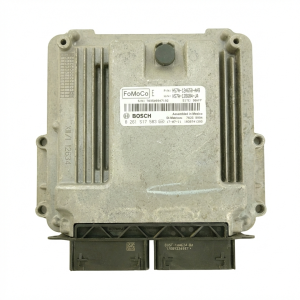
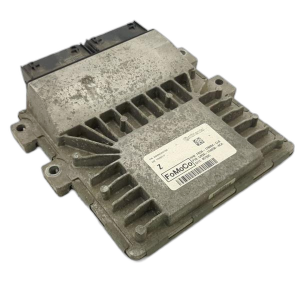
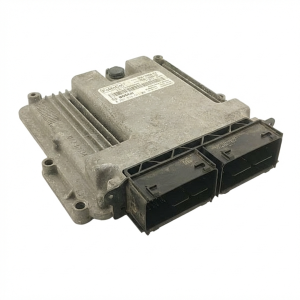
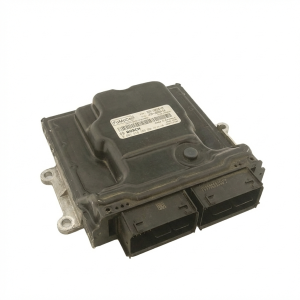
- Match the Part Number: This is the most important step. While many part numbers may supersede or be compatible, the safest bet is to match the OEM part number from your original module exactly. Check the sticker on your current ECM to get the correct number.
- Inspect for Physical Damage: When you receive the part, check the housing for any cracks, corrosion, or signs of water intrusion. Pay close attention to the connector pins—they should be straight and clean.
- Verify the Donor Vehicle: If possible, ensure the used ECM came from a vehicle with the same engine, transmission, and drivetrain (FWD/AWD for the MKC) as yours. This increases the likelihood of a smooth programming process.
- Buy from a Reputable Seller: Purchase from a seller that offers a warranty. This protects you in case the module is faulty, as an ECM's functionality can't be fully tested until it's installed and programmed in a vehicle.
Cost Comparison
The cost of replacing an ECM can vary significantly based on the source of the part and labor rates. Programming is an additional cost that must be factored in.
| Part/Service | Estimated Cost | Notes |
|---|---|---|
| New OEM ECM | $770 - $1,350 | Price from a Ford/Lincoln dealership. Often includes a core charge. |
| Remanufactured ECM | $110 - $900+ | Cost varies widely by supplier and whether it comes pre-programmed. |
| Used OEM ECM | $75 - $250 | Based on prices from online marketplaces. A cost-effective option but requires programming. |
| Shop Labor (Replacement & Programming) | $110 - $300 | Typically 1-2 hours of labor. Programming is often a flat fee. |
Frequently Asked Questions (FAQ)
Can I drive my car with a bad ECM?
It is not recommended. Depending on the failure mode, you could experience anything from poor performance and stalling to a complete no-start condition, which could leave you stranded. If the engine is running erratically, it could also potentially damage other components like the catalytic converter.
Where is the ECM located on the 2015-2019 Mustang and MKC?
On the 2015-2019 Ford Mustang, the ECM is typically located in the engine compartment on the passenger side, near the firewall. For the Lincoln MKC, its location is also in the engine bay, but you should consult a model-specific repair manual for the exact position.
Do I need my original keys to program a new ECM?
Yes, it is highly recommended. The technician will need at least one, and preferably two, of your original programmed keys to perform the PATS relearn procedure with the new module. If you have lost all your keys, the process becomes more complicated and expensive.
Is an ECM the same as a PCM or ECU?
The terms are often used interchangeably. ECU (Engine Control Unit) is a generic term. ECM (Engine Control Module) specifically refers to the engine's computer. PCM (Powertrain Control Module) is what Ford often calls this unit, as it controls both the engine and the transmission. For these vehicles, the part serves as the PCM.
Helpful Videos
Technical Specifications
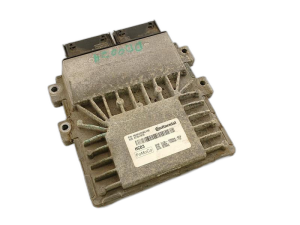
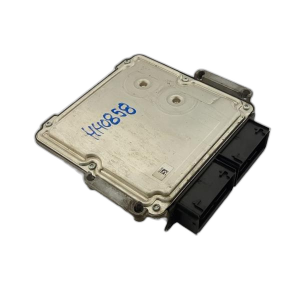
OEM Part Numbers: FJ7A12A650APA FJ7A12A650APB FJ7A12A650AUB FJ7A12A650AXB FJ7A12A650BSA FJ7A12A650HE FJ7A12A650MH FJ7A12A650MJ FJ7A12A650RH FJ7A12A650RJ FR3A12A650EANP FR3A12B684EA FR3Z12A650EANP GJ7A12A650XB GR3A12A650AZA
N/A
We Have This Part in Stock

The information in this article is provided for general reference and educational purposes only. Vehicle specifications, procedures, and part compatibility can vary by production date, trim level, and region. Always consult your vehicle's factory service manual and verify part numbers before purchasing or performing repairs. Safety-critical components such as airbags, seat belts, and braking systems should be installed by a qualified professional.
- Ford Mustang:
- Lincoln MKC:
- 🎬 Helpful Videos
- 🛍️ Shop This Part
- Symptoms of a Failing ECM
- Common Diagnostic Trouble Codes (DTCs)
- Known Issues, Recalls, and Technical Service Bulletins (TSBs)
- Lincoln MKC (2015-2019)
- Ford Mustang (2015-2019)
- ECM Replacement and Programming Requirements
- Why Programming is Required
- Who Can Program a Replacement ECM?
- Buying a Used Engine Control Module for Your Mustang or MKC
- Cost Comparison
- Frequently Asked Questions (FAQ)
- 🎟️ Get 5% Off