

2019-2023 Ford Transit Connect ECM: Programming, Failure Symptoms, and Replacement Guide
This guide covers the critical programming requirements, known recalls, and common failure symptoms for the Engine Control Module (ECM) in the 2019-2023 Ford Transit Connect.
- A replacement ECM is NOT plug-and-play; it absolutely must be programmed to your vehicle's VIN by a dealer or qualified shop.
- A recall (20S60) exists for 2019-2020 2.5L models for an overheating risk; the fix is a free dealer software update for the ECM.
- Common failure symptoms include a no-start condition, engine stalling, erratic gauge behavior, and the P0606 trouble code.
- Buying a used ECM is a viable option, but you must budget for the additional cost of professional programming.
Symptoms of a Failing ECM
A faulty Engine Control Module can cause a wide range of confusing and intermittent problems. Because the ECM controls so many different systems, symptoms can vary from minor annoyances to critical failures that leave you stranded.
- Check Engine Light: This is the most common symptom. A generic code like P0606 (Control Module Processor Fault) points directly to an internal failure of the ECM.
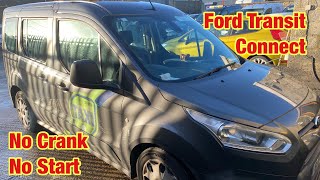
- No-Start or Hard Starting: The engine may crank but refuse to start, or it may take multiple attempts to get it running. This can be due to the ECM not sending the correct signals for spark or fuel. 🎬 Watch: Troubleshooting a no-crank or no-start condition on your Transit.
- Engine Stalling or Stuttering: The engine may stall unexpectedly, either while driving or when coming to a stop. You might also notice a repetitive lurching or hesitation during acceleration.
- Erratic Gauge Behavior: Owners have reported strange issues at startup, like the temperature gauge swinging to hot on a cold engine, the fuel gauge reading empty, and multiple warning lights (like traction control or hill start assist) appearing for no reason.
- Poor Performance and Fuel Economy: If the ECM is not managing the engine correctly, you may notice a significant drop in power and an increase in fuel consumption.
- Transmission Shifting Problems: The 8F35 automatic transmission in these vans relies on the ECM for shift commands. A faulty module can cause harsh shifting, delayed engagement into Drive or Reverse, or getting stuck in one gear.
Known Issues, Recalls, and Technical Service Bulletins (TSBs)
There are several official Ford communications related to the ECM in the 2019-2023 Transit Connect.
Recall 20S60 / NHTSA 20V636: Engine Overheating Risk
Ford issued a recall for certain 2019-2020 Transit Connects with the 2.5L engine. The original software in the Powertrain Control Module (PCM) had incorrect temperature thresholds for its fail-safe cooling strategy. This means that if the vehicle experienced a significant coolant leak, the system would not react quickly enough, potentially leading to severe engine overheating and an increased risk of fire. The remedy is a simple software update performed by a Ford dealer, which reprograms the PCM with the corrected fail-safe values.
TSB 22-2281 & 22-2184: Transmission Performance
For 2019-2021 models, Ford released technical service bulletins addressing issues like transmission slipping, harsh shifts, and delayed gear engagement. The repair procedures for these issues often include reprogramming the PCM with updated software to improve transmission control logic.
Common Failure Mode: Water Intrusion
Some owners have experienced ECM failure due to corrosion on the internal circuit board. The ECM is located in the driver's side front wheel well, behind the plastic fender liner. A failure of the module's weather seal can allow moisture to get inside, destroying the sensitive electronics. If you are experiencing intermittent electrical issues, especially after driving in heavy rain, it is worth inspecting the module for signs of water damage.
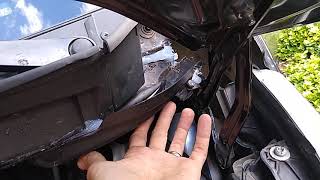
🎬 See how to fix water intrusion issues in the engine bay.Warning: A replacement ECM MUST be programmed to your vehicle's specific Vehicle Identification Number (VIN). The vehicle will not start or run correctly until this is done. This is not a plug-and-play part.
Buying a Used Engine Control Module
Given the high cost of a new ECM, a used OEM module from a reputable recycler is a smart, cost-effective option. However, there are critical factors to consider.
- Part Number Matching: The most important step is to match the part number exactly. The primary OEM part number for this generation is JX6Z-12A650-F, which supersedes older numbers like JX6A-12A650-MA. While other numbers may exist, always confirm compatibility with the seller by providing your vehicle's VIN.
- Programming is Mandatory: A used ECM will not work by simply installing it. It contains the VIN and security information from the donor vehicle. You MUST have it programmed by a Ford dealer or a well-equipped independent shop. They will use a tool like Ford's IDS or FDRS to flash the module with your vehicle's calibration and perform a security relearn for the keys.
- Plan for Programming Costs: When buying a used ECM, factor in the cost of programming, which can range from $150 to $400 or more. Call local shops or your dealer for a quote before you buy the part.
- Physical Inspection: When you receive the used module, inspect the case for any signs of physical damage or being pried open. Check the connector pins to ensure they are straight and free of corrosion.
- Why Used OEM is a Good Choice: Used OEM modules are the same hardware that your vehicle was built with. Unlike some aftermarket electronics, they are designed to meet Ford's exact specifications for durability and performance. As long as the module is from a functional vehicle and is properly programmed, it will perform identically to a new one.
Programming and Immobilizer Information
Replacing the ECM is a two-part process: physical installation and electronic programming.
- Installation: The physical swap is straightforward for a mechanic. The ECM is typically located behind the driver's side front wheel well liner.
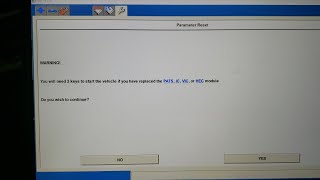
- Programming: This is the complex part. The new or used ECM must be linked to the other modules in your van and to your keys. This involves a process called a "Parameter Reset" for Ford's Passive Anti-Theft System (PATS). 🎬 Learn more about how Ford's PATS security and programming works. A technician uses a diagnostic tool to connect to Ford's system, download the correct software for your VIN, and then initiate a security procedure that pairs the ECM with your existing keys. You will need at least two working keys to complete this process.
Pro Tip: Some specialized companies offer a "cloning" service where they transfer the data from your old ECM to the replacement one. If your original module is still able to communicate, this can sometimes be a way to avoid the need for key reprogramming at a dealership. However, if your old module is completely dead, on-vehicle programming is the only option.
Cost Comparison
| Part Type | Estimated Cost |
|---|---|
| New OEM | $720 - $1,100 (plus $100 core charge) |
| New Aftermarket | Not commonly available |
| Used OEM | $75 - $250 |
| Remanufactured | $200 - $450 |
| Shop Labor (Installation & Programming) | $200 - $500 |
Frequently Asked Questions (FAQ)
Can I install a used ECM myself to save money?
You can physically install it, but the vehicle will not start. The module must be electronically programmed to your van's VIN and security system by a professional with specialized tools.
Does the replacement ECM need to be from a Transit Connect with the same engine and options?
While matching the part number is most important, the unit will be completely reprogrammed with the specific calibration file for your van's VIN. This process overwrites the donor vehicle's data, configuring the module for your exact engine, transmission, and feature set.
Will my original keys work with a replacement ECM?
Yes, but only after a security relearn procedure (PATS Parameter Reset) is performed by the technician programming the new ECM. They will need your two existing keys to complete the process.
What's the difference between an ECM and a PCM?
The terms are often used interchangeably. ECM stands for Engine Control Module, while PCM stands for Powertrain Control Module. In most modern vehicles like the Transit Connect, a single module (the PCM) controls both the engine and the transmission, so PCM is the more accurate term.
Helpful Videos
Technical Specifications
OEM Part Numbers: JX6Z-12A650-F JX6A-12A650-MA JX6A-12B684-MA
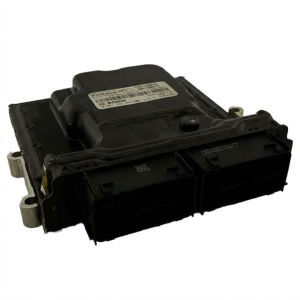
Controls engine, transmission, and anti-theft (PATS) functions. Requires programming with Ford Diagnostic and Repair System (FDRS) or equivalent J2534 pass-thru device.
We Have This Part in Stock

The information in this article is provided for general reference and educational purposes only. Vehicle specifications, procedures, and part compatibility can vary by production date, trim level, and region. Always consult your vehicle's factory service manual and verify part numbers before purchasing or performing repairs. Safety-critical components such as airbags, seat belts, and braking systems should be installed by a qualified professional.
- Ford Transit Connect:
- 🎬 Helpful Videos
- 🛍️ Shop This Part
- Symptoms of a Failing ECM
- Known Issues, Recalls, and Technical Service Bulletins (TSBs)
- Recall 20S60 / NHTSA 20V636: Engine Overheating Risk
- TSB 22-2281 & 22-2184: Transmission Performance
- Common Failure Mode: Water Intrusion
- Buying a Used Engine Control Module
- Programming and Immobilizer Information
- Cost Comparison
- Frequently Asked Questions (FAQ)
- 🎟️ Get 5% Off