

2019-2022 Genesis G70 ECM: A Guide to Programming, Failure Symptoms, and Replacement
This guide covers the essential information about the Engine Control Module (ECM) for the 2019-2022 Genesis G70, focusing on mandatory programming, engine-specific part numbers, and known issues.
- A replacement ECM for a 2019-2022 Genesis G70 absolutely requires programming by a dealer or specialized shop to sync with the car's VIN and immobilizer.
- The 2.0T and 3.3T engines use different ECMs; you must match the part number from your original unit.
- A critical recall (24V-528) requires an ECM software update to prevent potential loss of power. Check if this has been performed on your vehicle.
- Before replacing the ECM, always have the battery tested. A weak battery can cause similar electrical issues and fault codes.
Critical First: ECM Programming is Not Optional
Warning: A replacement Engine Control Module (ECM) in a 2019-2022 Genesis G70 must be programmed to the vehicle after installation. This is not a plug-and-play part. The vehicle will not start or run correctly until the new module is synchronized with your car's unique Vehicle Identification Number (VIN) and anti-theft immobilizer system.
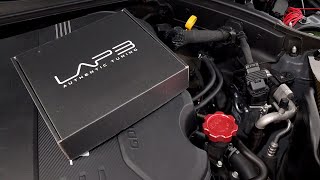
The ECM is linked to the car's security system through the smart key and ignition. This programming procedure, often called 'flashing,' ensures that only the correct computer can operate the vehicle, preventing theft. This service must be performed by a Genesis dealership or a qualified independent auto repair shop that has specialized diagnostic tools and software, such as an Autel IM608 or similar professional-grade scanner. 🎬 See how a professional scanner programs the G70 security system Attempting to install an ECM without programming will result in a no-start condition.
Symptoms of a Failing Genesis G70 ECM
ECM failure can manifest in various ways, from subtle issues to a car that won't start at all. Because the ECM controls so many functions, symptoms can sometimes be mistaken for other problems.
- Check Engine Light: A steady or flashing Check Engine Light is the most common symptom. A steady light indicates a fault has been detected, while a flashing light signals a severe problem, like a major misfire, that could damage the catalytic converter. If the light is flashing, you should stop driving the vehicle as soon as it is safe to do so.
- Engine Performance Issues: You may experience engine stuttering, hesitation, misfires, a rough idle, or a sudden loss of power. On the G70, this can also feel like the turbochargers are no longer spooling up.
- No-Start or Hard Starting: The engine may crank but fail to start, or it may take longer than usual to turn over. This happens because the ECM is not correctly managing the fuel and spark required for ignition.
- Poor Fuel Economy: A sudden, unexplained drop in gas mileage can be a sign that the ECM is no longer calculating the air-fuel mixture correctly.
- Transmission Problems: In some cases, a faulty ECM can cause rough or erratic shifting in the automatic transmission.
- Multiple Unrelated Trouble Codes: A classic sign of a potential ECM or battery issue is the sudden appearance of numerous, seemingly unrelated Diagnostic Trouble Codes (DTCs) at the same time. The vehicle may enter a reduced-power 'limp mode'.
Common Diagnostic Trouble Codes (DTCs)
While many codes can indicate an ECM issue, here are some that have been associated with the Genesis G70 and related systems:
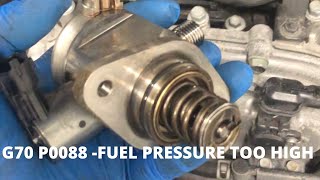
- P0088 - Fuel Rail/System Pressure - Too High: This code is specifically mentioned in a Technical Service Bulletin for the 2.0T engine related to the high-pressure fuel pump.
- P0172 - System Too Rich (Bank 1): This code has been reported by G70 owners and indicates that the engine is receiving too much fuel or not enough air.
- P0300-P0308 - Random/Cylinder Misfire Detected: A failing ECM can cause misfires in one or more cylinders.
- Communication Codes (U-series): Codes starting with 'U' often point to communication problems between modules, which can be a symptom of a failing ECM.
Pro Tip: Before condemning the ECM, always check the condition of the vehicle's battery. A weak or failing battery can cause low voltage issues and trigger a flood of strange electrical symptoms and fault codes that mimic ECM failure.
Recalls and Technical Service Bulletins (TSBs)
While there are no recalls for outright ECM failure, there is a critical safety recall that involves an ECM software update.
- Recall 24V-528 (Genesis Campaign 023G): This recall affects certain 2019-2023 G70 models. The high-pressure fuel pump could malfunction, leading to a rich air/fuel mixture and a potential loss of driving power. The remedy involves a dealer-installed ECM software update and, if necessary, replacement of the fuel pump.
- TSB 25-FL-002G: Related to the recall, this TSB provides the service procedure for a high-pressure fuel pump warranty extension (15 years/150,000 miles) for the 2.0T engine if it logs DTC P0088. 🎬 Watch: Diagnosing a G70 start and stall issue with code P0088
Buying a Used Engine Control Module (ECM)
Purchasing a used OEM ECM is a cost-effective option, but careful verification is essential. Given that programming is required, the savings on the part itself must be weighed against the cost of professional installation and flashing.
1. Match Your Engine and Part Number
The 2.0T and 3.3T engines use different ECMs. You must buy a module that matches your vehicle's original engine type and part number.
- 2.0L Turbo (2.0T): Known part number is 39131-2CCK0. Note that variations exist; one source specifies this is for models built up to 02/01/2019 without 19-inch wheels. Always double-check the number on your original module.
- 3.3L Twin-Turbo (3.3T): A known part number is 39104-3LKN0. Other numbers may exist depending on the model year and options.
2. Physical Inspection
When your used part arrives, inspect it carefully before installation. Look for:
- No Corrosion: Check the housing and electrical pins for any signs of water damage or corrosion.
- Intact Pins: Ensure all connector pins are straight and not bent or broken.
- Unopened Case: Look for signs that the module's case has been pried open, which could indicate a failed repair attempt.
Cost to Replace a Genesis G70 ECM
The total cost includes the part itself and the labor for installation and programming. Labor for the physical swap is minimal, 🎬 Watch: Step-by-step guide on how to remove the control module but programming adds time and cost.
| Part Type | Estimated Cost | Notes |
|---|---|---|
| New OEM | $300 - $500 | Price for the part only. Varies by engine and supplier. |
| Used OEM | $100 - $300 | Significant savings, but compatibility must be exact and programming is still required. |
| Remanufactured | $150 - $400 | A repaired and tested original unit. Can be a good value, often with a warranty. |
| Shop Labor (Install & Program) | $150 - $400 | Estimated 1-3 hours. Dealerships may charge more than independent shops with the right equipment. |
Frequently Asked Questions (FAQ)
Can I replace the G70 ECM myself?
While you can physically swap the module, you cannot complete the job yourself. The vehicle will not start until the ECM is professionally programmed to your car's VIN and immobilizer system.
Will a used ECM from another G70 work in my car?
Yes, but only if it is the exact same part number for your engine and it is properly reprogrammed by a dealer or qualified technician. It is not a plug-and-play solution.
Does the dealer have to do the programming?
A Genesis dealer can always perform the programming. However, many specialized independent auto repair shops and some automotive locksmiths have the necessary tools to program Hyundai and Genesis modules. It is wise to call ahead to confirm they have the capability for your specific vehicle.
What is the difference between an ECM, ECU, and PCM?
The terms are often used interchangeably. ECM (Engine Control Module) and ECU (Engine Control Unit) mean the same thing. PCM (Powertrain Control Module) is a term for a module that controls both the engine and the transmission in a single unit. For the G70, the term ECM is most commonly used.
Helpful Videos


Technical Specifications
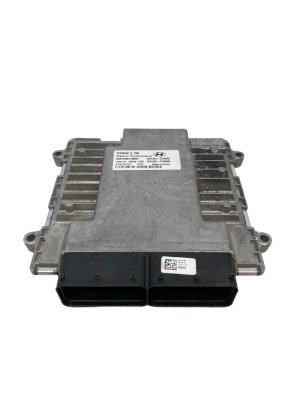
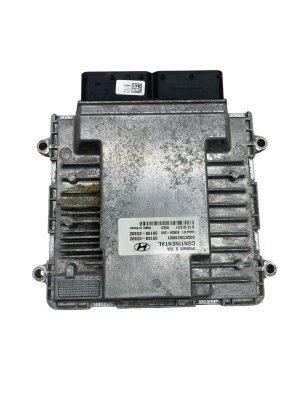
OEM Part Numbers: 39131-2CCK0 (2.0T) 39104-3LKN0 (3.3T)
Location: In the engine bay, near the driver's side firewall, next to the strut tower.
We Have This Part in Stock
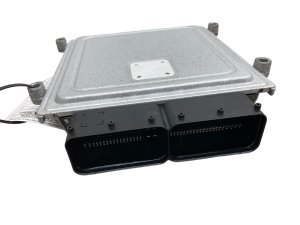
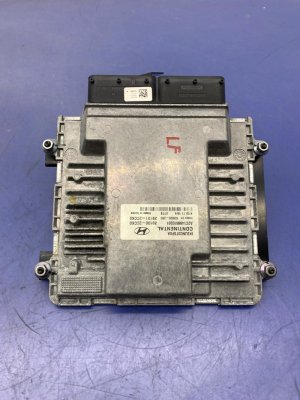
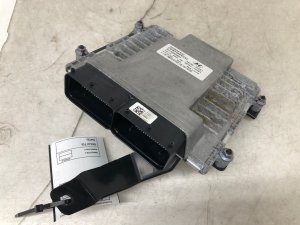
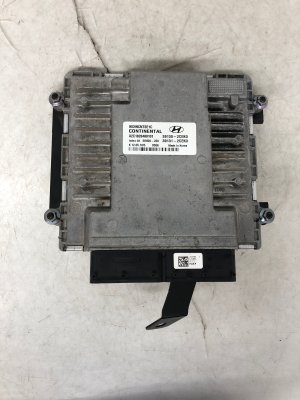

The information in this article is provided for general reference and educational purposes only. Vehicle specifications, procedures, and part compatibility can vary by production date, trim level, and region. Always consult your vehicle's factory service manual and verify part numbers before purchasing or performing repairs. Safety-critical components such as airbags, seat belts, and braking systems should be installed by a qualified professional.
- Genesis G70:
- 🎬 Helpful Videos
- 🛍️ Shop This Part
- Critical First: ECM Programming is Not Optional
- Symptoms of a Failing Genesis G70 ECM
- Common Diagnostic Trouble Codes (DTCs)
- Recalls and Technical Service Bulletins (TSBs)
- Buying a Used Engine Control Module (ECM)
- 1. Match Your Engine and Part Number
- 2. Physical Inspection
- Cost to Replace a Genesis G70 ECM
- Frequently Asked Questions (FAQ)
- 🎟️ Get 5% Off