

2005 Honda Accord ECM: Immobilizer Programming and Replacement Guide
Learn why replacing the engine computer in your 2005 Accord requires special programming and how to avoid common pitfalls.
- A replacement ECM for a 2005 Accord MUST be programmed to the vehicle's immobilizer system; the car will not start without this step.
- Programming can be performed by a Honda dealer, a qualified automotive locksmith, or an independent shop with advanced scan tools.
- Always match the OEM part number from your old ECM exactly when purchasing a used replacement.
- Before replacing the ECM, rule out simpler issues like the fuel pump relay or the fuse box recall (NHTSA 05V132000) which can cause similar stalling symptoms.
Symptoms of a Failing 2005 Accord ECM
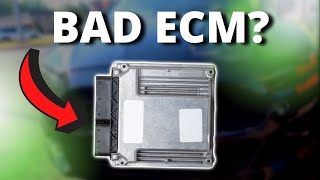
Diagnosing a faulty ECM can be tricky because its symptoms often mimic other, more common problems like bad sensors or wiring. However, if you experience several of the following issues, the ECM might be the culprit.
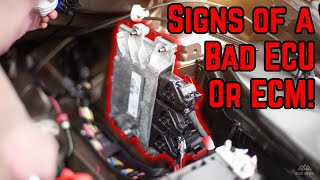
🎬 Watch: Common symptoms of a failing engine control module- Check Engine Light: An illuminated Check Engine Light is a common symptom. If the light stays on even after replacing related sensors, it could point to an internal ECM fault. Codes specifically related to the processor itself, such as P0600 through P0605, are a strong indicator of ECM failure.
- Engine Stalling or Misfiring: The engine may stall unexpectedly while driving, run rough, or misfire. This can happen if the ECM fails to send the correct signals to control the fuel injectors or ignition coils.
- Car Won't Start: A completely failed ECM can prevent the engine from starting at all. You may hear the engine crank, but it won't fire up because the ECM isn't managing the spark and fuel delivery. A flashing green key icon on the dashboard indicates an immobilizer issue, which is directly related to the ECM.
- Poor Performance and Fuel Economy: A sudden, noticeable drop in gas mileage or a general lack of acceleration can be caused by the ECM failing to properly manage the air-fuel mixture.
- Transmission Shifting Problems: The ECM communicates with the Transmission Control Module (TCM). If the ECM sends faulty data, it can cause hard or delayed shifting.
Known Issues, Recalls, and Technical Service Bulletins (TSBs)
While there are no widespread recalls specifically for the ECM on the 2005 Honda Accord, there are related service bulletins and recalls you should be aware of.
- Recall 05V132000 (NHTSA Campaign P73/P74): A recall was issued for a loose terminal in the main fuse box that could cause the fuel pump to lose power, leading to a no-start or stalling condition. These symptoms can be mistaken for ECM failure. Before replacing the ECM, it's wise to ensure this recall has been performed or that the fuse box is not the source of the problem.
- TSB for Automatic Transmission Software: Honda issued a recall to update the software on the automatic transmission control module for certain 2005-2010 Accords. This was to prevent bearing damage if the transmission was shifted rapidly between gears. While not a direct ECM issue, it highlights the importance of software in the vehicle's control modules.
- Immobilizer System Investigation: Honda has acknowledged an issue where the i-HDS scan tool may show an "Immobilizer system is not normal" message when adding keys, which was under investigation. This points to the complexity of the immobilizer system tied to the ECM.
The #1 Challenge: Immobilizer Programming
You cannot simply swap a used ECM into a 2005 Honda Accord and expect it to work. The ECM is a critical part of the vehicle's anti-theft immobilizer system. The original ECM is electronically "handshaked" with your specific ignition keys. When you install a replacement ECM (new or used), it will not recognize your keys, the immobilizer system will activate, and the engine will not start. You will typically see a green key-shaped light flashing on the dashboard.
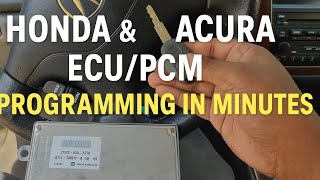
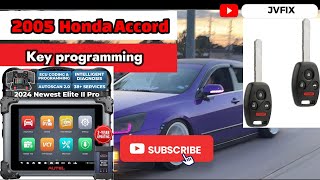
🎬 See how to program the Honda immobilizer and keysWho Can Program a Replacement ECM?
To make the replacement ECM work, it must be programmed to your vehicle and keys. This is not a DIY job for the average mechanic without specialized tools.
- Honda Dealership: The dealer has the proprietary Honda Diagnostic System (HDS) and is the most reliable, albeit often most expensive, option to program the ECM.
- Automotive Locksmiths: Many professional locksmiths have advanced scan tools like the Autel IM508 or IM608 that can perform the ECM/immobilizer relearn procedure. This is often a more affordable option than the dealership. 🎬 Watch: Step-by-step Honda ECU programming with an Autel tool
- Advanced Independent Shops: Some independent repair shops invest in high-end diagnostic tools that have the capability to perform Honda immobilizer functions.
- Mail-In Services: Some companies offer a service where you mail in your original ECM and the replacement unit. They clone the immobilizer data from your old module to the new one, making it a "plug-and-play" installation when you receive it back.
Buying a Used 2005 Honda Accord ECM
A used OEM ECM is an excellent, cost-effective alternative to an expensive new unit. Because these modules are primarily software-based and have no moving parts, a unit from a low-mileage vehicle is often just as reliable as a new one. Here’s what to look for:
- Match the Part Number: This is the most critical step. You must match the OEM part number on your original ECM to the replacement unit. The provided list of part numbers (37820-RCA-A92 through 37820-RCA-A98) are a good starting point, but always verify the number on your specific module before ordering.
- Inspect for Damage: When you receive the used part, check the case for any signs that it has been opened. Look closely at the connector pins to ensure they are straight and free of corrosion or water damage.
- Factor in Programming Costs: Remember that the price of the used ECM is not your final cost. You must budget for the additional expense of having it programmed by a dealer, locksmith, or qualified shop.
Pro Tip: Before condemning your ECM, have a technician rule out simpler problems. A stalling or no-start condition could be caused by the fuel pump relay, a faulty fuse box (related to recall 05V132000), or a bad crankshaft position sensor. A thorough diagnosis can save you from buying a part you don't need.
Cost Breakdown
Prices can vary based on your location and the specific part number. The following is an estimate of what you can expect to pay.
| Part Type | Estimated Cost |
|---|---|
| New OEM | $800 - $1,400 |
| Remanufactured | $250 - $400 |
| Used OEM | $50 - $150 |
| Shop Labor (Physical Swap) | $100 - $150 |
| Shop Labor (Programming) | $125 - $250 |
Frequently Asked Questions (FAQ)
Do I absolutely have to program a replacement ECM for my 2005 Accord?
Yes. Without programming, the car's immobilizer will prevent the engine from starting. This applies to both new and used replacement ECMs.
Can I use an ECM from a different year or model of Accord?
No. You must use an ECM with the exact same OEM part number from another 2005 Honda Accord with the same engine and transmission configuration. Using the wrong part number can lead to compatibility issues or complete failure.
What tools are needed to program a Honda ECM?
Programming requires a professional-grade tool. The official tool is the Honda Diagnostic System (HDS). Some high-end aftermarket tools from brands like Autel can also perform the function, often listed as "Replace ECM/PCM" in the immobilizer menu.
Will a bad ECM cause my transmission to fail?
A bad ECM itself won't cause mechanical failure in the transmission, but it can cause severe shifting problems. The ECM provides critical data to the transmission control module (TCM), and if this data is incorrect or missing, the transmission may shift erratically, hard, or at the wrong times.
Helpful Videos
Technical Specifications
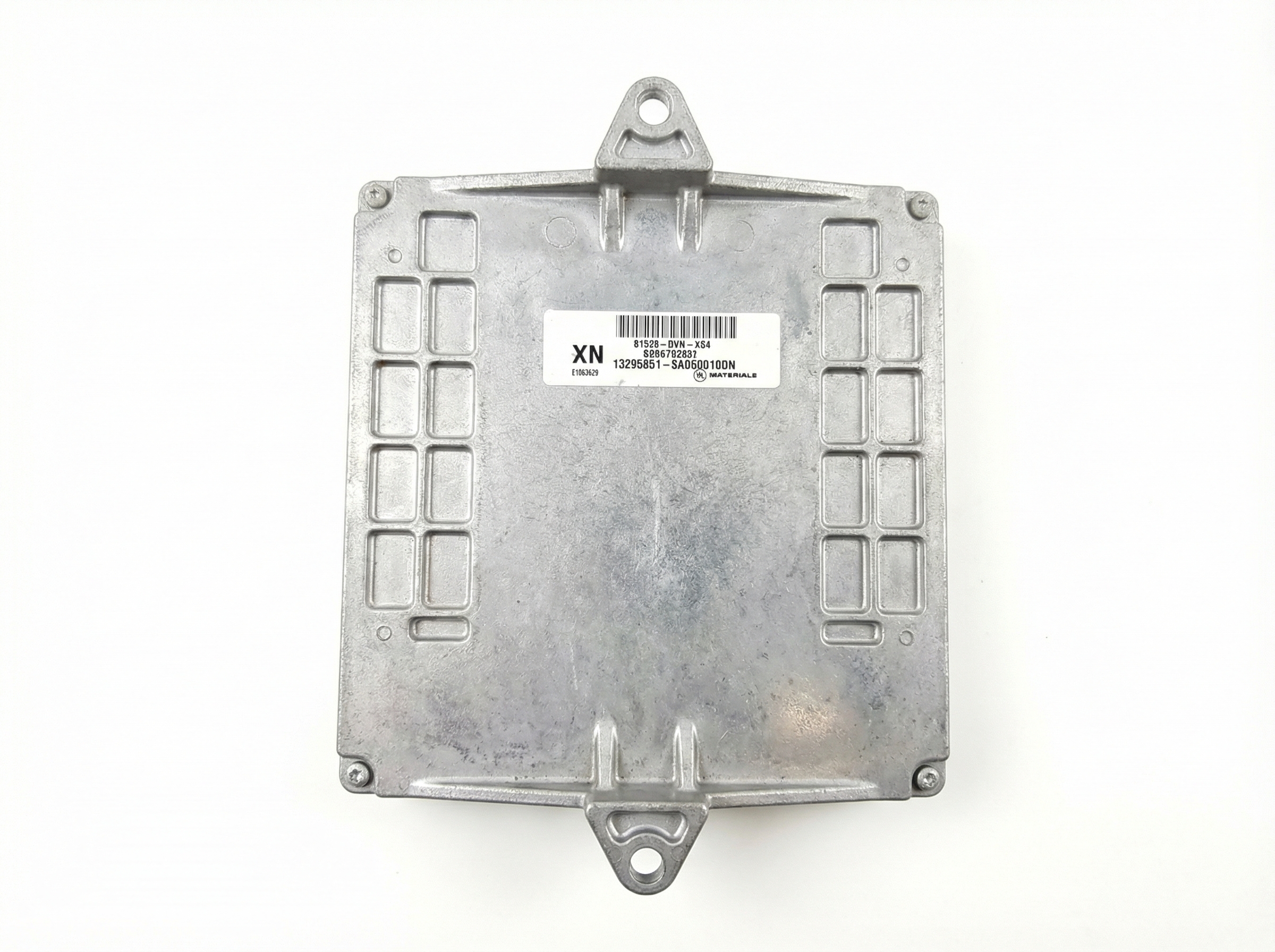
OEM Part Numbers: 37820-RCA-A92 37820-RCA-A93 37820-RCA-A94 37820-RCA-A95 37820-RCA-A96 37820-RCA-A97 37820-RCA-A98
The ECM is linked to the vehicle's immobilizer system and requires programming via a compatible diagnostic tool like the Honda HDS.
We Have This Part in Stock

The information in this article is provided for general reference and educational purposes only. Vehicle specifications, procedures, and part compatibility can vary by production date, trim level, and region. Always consult your vehicle's factory service manual and verify part numbers before purchasing or performing repairs. Safety-critical components such as airbags, seat belts, and braking systems should be installed by a qualified professional.
- Honda Accord: