

2014-2015 Honda Accord V6 Engine Control Module: A Guide to Part Numbers, Programming & Replacement
This in-depth guide covers the essential compatibility details, failure symptoms, and mandatory programming steps for the 2014-2015 Honda Accord 3.5L V6 Engine Control Module (ECM).
- A replacement ECM (new or used) MUST be programmed to the vehicle by a dealer or qualified shop; the car will not start without this step.
- This specific ECM (37820-5G0-A1x) fits 2014-2015 Accord Sedans with the 3.5L V6, automatic transmission, and Federal/Canadian emissions ONLY. It is not for California emissions models.
- Common failure symptoms include a no-start condition, stalling, poor performance, and internal fault codes like P0606 or P060A.
- Before replacing the ECM, always check for simpler issues first, such as a weak battery, bad ground connections, or faulty wiring, as these can mimic ECM failure.
Symptoms of a Failing ECM
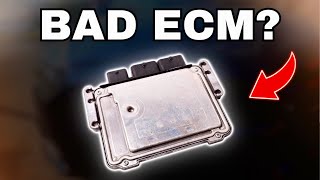
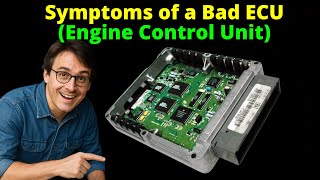
A failing Engine Control Module can cause a wide range of confusing and intermittent issues. Because the ECM controls so many different systems, symptoms can often be mistaken for other problems. 🎬 Watch: A breakdown of common symptoms of a bad ECM Diagnosis should always begin by checking for simpler issues like a weak battery, corroded ground wires, or faulty sensors before condemning the ECM.
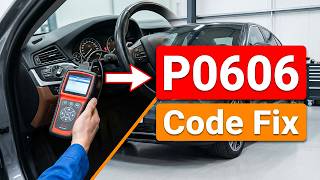
- Check Engine Light: This is the most common symptom. Specific codes that point directly to an internal ECM failure include P0606 (ECM/PCM Processor Fault) and P060A (Internal Control Module Monitoring Processor Performance). 🎬 See how to diagnose and fix the P0606 processor code You may also see a flood of unrelated codes for various sensors, indicating the ECM can no longer communicate with them properly.
- Engine Performance Issues: A faulty ECM can lead to stalling, engine misfires, rough idling, hesitation on acceleration, and a sudden loss of power.
- No-Start or Hard Starting: The vehicle may crank but fail to start because the ECM is not correctly managing spark and fuel. In some cases, if the ECM's anti-theft circuit fails, it can result in a no-crank condition.
- Poor Fuel Economy: If the ECM can no longer accurately calculate the air-fuel mixture, you may notice a sudden and significant drop in gas mileage.
- Erratic Automatic Transmission Shifting: The ECM provides critical data to the transmission control module (TCM). If this data is incorrect or missing, it can cause harsh shifting, delayed shifts, or the transmission getting stuck in one gear.
Known Issues, TSBs, and Recalls
For the 2014-2015 Honda Accord V6, the ECM itself has not been the subject of a major safety recall. However, Honda has issued several Technical Service Bulletins (TSBs) that involve software updates to the ECM/PCM to fix other issues:
- Transmission Judder/Vibration: TSBs 17-017 and 17-018 address a judder or vibration felt between 20 and 60 mph. The cause was identified as deteriorated automatic transmission fluid, and the fix involves a software update to the powertrain control module to better manage fluid temperatures, along with flushing the transmission fluid. This shows that some performance issues can be fixed with a simple reflash instead of a full ECM replacement.
- Battery Sensor Recall: A recall (NHTSA 17V418000) was issued for a battery sensor case that could allow water intrusion, leading to an electrical short. While not directly the ECM, an electrical short in the charging system can potentially damage the ECM.
There are no widespread, documented failure patterns like water intrusion or capacitor plague specific to this V6 ECM. Most failures are due to standard electronic component aging or external factors like voltage spikes or bad grounds.
Replacement and Programming Requirements
Warning: This module absolutely requires programming to function. After physical installation, the vehicle will not start until the ECM is programmed to the car's immobilizer system. This is not a plug-and-play part.
The Programming Process
When a new or used ECM is installed, it must be synchronized with the vehicle's other electronic systems. This involves two main steps:
- VIN Programming: The vehicle's unique 17-digit Vehicle Identification Number (VIN) must be written to the replacement ECM. An unprogrammed VIN will set a fault code (P0630).
- Immobilizer Handshake: This is the most critical step. The ECM, immobilizer control unit, and your ignition keys all contain security codes. A technician must use a specialized diagnostic tool to make these components recognize each other. Without this "handshake," the immobilizer system will prevent the engine from starting as a theft-prevention measure.
Who Can Program a Honda ECM?
- Honda Dealerships: Dealers have the factory-required Honda Diagnostic System (HDS) and can perform the programming reliably.
- Independent Repair Shops: Many independent shops that specialize in Honda/Acura or have advanced diagnostic tools (like professional-grade Autel or Launch scanners) can also program a replacement ECM. They must have a tool with immobilizer access and potentially a subscription to Honda's technical information network.
- Automotive Locksmiths: Some advanced automotive locksmiths also have the tools and ability to perform immobilizer key and module programming.
DIY programming is not feasible for most owners, as it requires expensive equipment and software subscriptions.
Buying a Used Engine Control Module (ECM)
A used OEM ECM is a cost-effective alternative to a brand-new unit, but careful purchasing is key. Since these modules are generally reliable, a used unit from a reputable source is a smart choice.
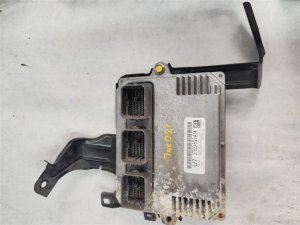
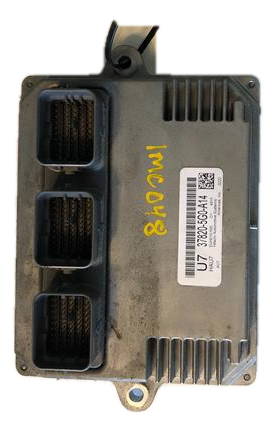
- Match the Part Number Exactly: The most critical step is to match the part number from your original ECM to the replacement. The correct part numbers for this application are 37820-5G0-A11, 37820-5G0-A12, 37820-5G0-A13, and 37820-5G0-A14. The latest number, A14, supersedes the earlier versions. Using an ECM with a different part number, even from another Accord, can result in performance issues or incompatibility.
- Verify Compatibility: Double-check that the donor vehicle matches your car's specifications: 2014-2015 Accord Sedan with a 3.5L V6, automatic transmission, and Federal/Canadian emissions. This module will not work in a California Emissions (PZEV) vehicle.
- Inspect for Damage: When you receive the part, inspect the case for any signs of physical damage or being pried open. Check the connector pins to ensure they are straight, clean, and free of corrosion.
- Buy from a Reputable Seller: Purchase from an automotive recycler that offers a warranty. This protects you in the rare case that you receive a defective unit.
Replacement Procedure Overview
The physical replacement is straightforward for a DIY mechanic. The programming, however, must be done by a professional.
- Locate the ECM: The ECM is located in the engine bay, next to the battery.
- Disconnect the Battery: Always disconnect the negative battery terminal before working on any electronic components.
- Remove and Replace: Unbolt the ECM from its mounting bracket and carefully disconnect the three large electrical connectors. Install the new unit by reconnecting the plugs and securing it with the mounting bolts.
- Arrange for Programming: The vehicle must then be towed or taken to a dealer or qualified shop to have the ECM programmed. The car will not start until this is done. 🎬 Watch: Why your Accord won't start after a computer swap
Cost Breakdown
The cost of replacing the ECM can vary significantly based on the source of the part.
| Part Type | Estimated Cost |
|---|---|
| New OEM | $680 - $1,050 |
| Used OEM | $60 - $150 |
| Remanufactured / Repair Service | $150 - $400 (plus potential diagnostic fees of $75-$105) |
| Shop Labor (Physical Swap) | $110 - $161 |
| Shop Labor (Programming) | $150 - $250 |
Pro Tip: Given the high cost of a new OEM unit, a warrantied used ECM combined with professional programming offers the best value. You can save over $1,000 compared to a full dealer replacement.
Frequently Asked Questions (FAQ)
Can I drive my car with a bad ECM?
It is not recommended. Depending on the failure mode, the vehicle may be unsafe to drive due to stalling or unpredictable behavior. If the ECM fails completely, the car will not start at all. Driving with a faulty ECM can also cause damage to other components, like the catalytic converter.
Will my car start after I install a used ECM?
No. The engine will crank but will not start due to the immobilizer system. The replacement ECM must be professionally programmed to your vehicle's VIN and keys before it will allow the engine to run.
Can I just swap the chip from my old ECM to the new one?
While some videos show advanced technicians desoldering and swapping the EEPROM chip that stores immobilizer data, this is an extremely high-risk procedure. It requires specialized micro-soldering skills and can easily destroy both the old and new ECMs. This method is not recommended.
Why can't I use an ECM from a California emissions (PZEV) model?
California emissions vehicles have different software and may use different sensors or have different parameters compared to Federal emissions models. Using the wrong ECM will likely cause a check engine light, failed emissions tests, and potential drivability problems.
Is a software update (reflash) the same as replacing the ECM?
No. A reflash or software update is when a technician uses a diagnostic tool to install newer software onto your existing ECM to fix bugs or improve performance (like the transmission judder TSB). This is only possible if the ECM hardware is still functioning correctly. A replacement is physically swapping the entire module for a new or used one when the hardware has failed.
Helpful Videos
Technical Specifications
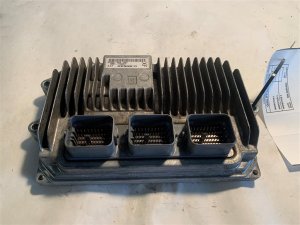
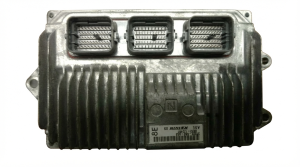
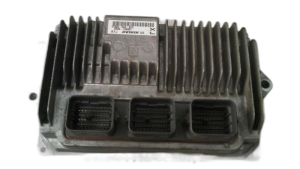
OEM Part Numbers: 37820-5G0-A11 37820-5G0-A12 37820-5G0-A13 37820-5G0-A14
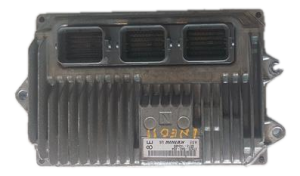
Location: Engine bay, next to the battery. Connectors: Three primary electrical harness connectors.
We Have This Part in Stock

The information in this article is provided for general reference and educational purposes only. Vehicle specifications, procedures, and part compatibility can vary by production date, trim level, and region. Always consult your vehicle's factory service manual and verify part numbers before purchasing or performing repairs. Safety-critical components such as airbags, seat belts, and braking systems should be installed by a qualified professional.
- Honda Accord:
- 🎬 Helpful Videos
- 🛍️ Shop This Part
- Symptoms of a Failing ECM
- Known Issues, TSBs, and Recalls
- Replacement and Programming Requirements
- The Programming Process
- Who Can Program a Honda ECM?
- Buying a Used Engine Control Module (ECM)
- Replacement Procedure Overview
- Cost Breakdown
- Frequently Asked Questions (FAQ)
- 🎟️ Get 5% Off