

2016-2017 Honda Accord ECM: A Guide to Replacement, Programming, and Known Issues
This in-depth guide covers the mandatory programming, immobilizer issues, and specific TSBs you need to know about before replacing the Engine Control Module in your 2016-2017 Honda Accord.
- A replacement ECM for a 2016-2017 Accord MUST be programmed to the car by a dealer or qualified shop; it is not plug-and-play.
- The ECM is tied to the anti-theft immobilizer system. Without programming, the car will not start.
- For 2016 models with a 4-cylinder engine and CVT, check for TSB 16-053 related to an RPM surge and code P1890, which requires an ECM software update.
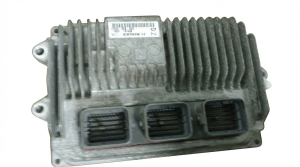
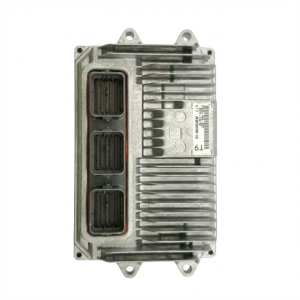
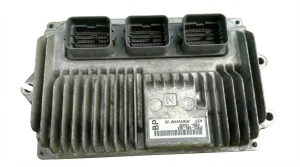
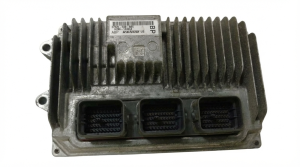
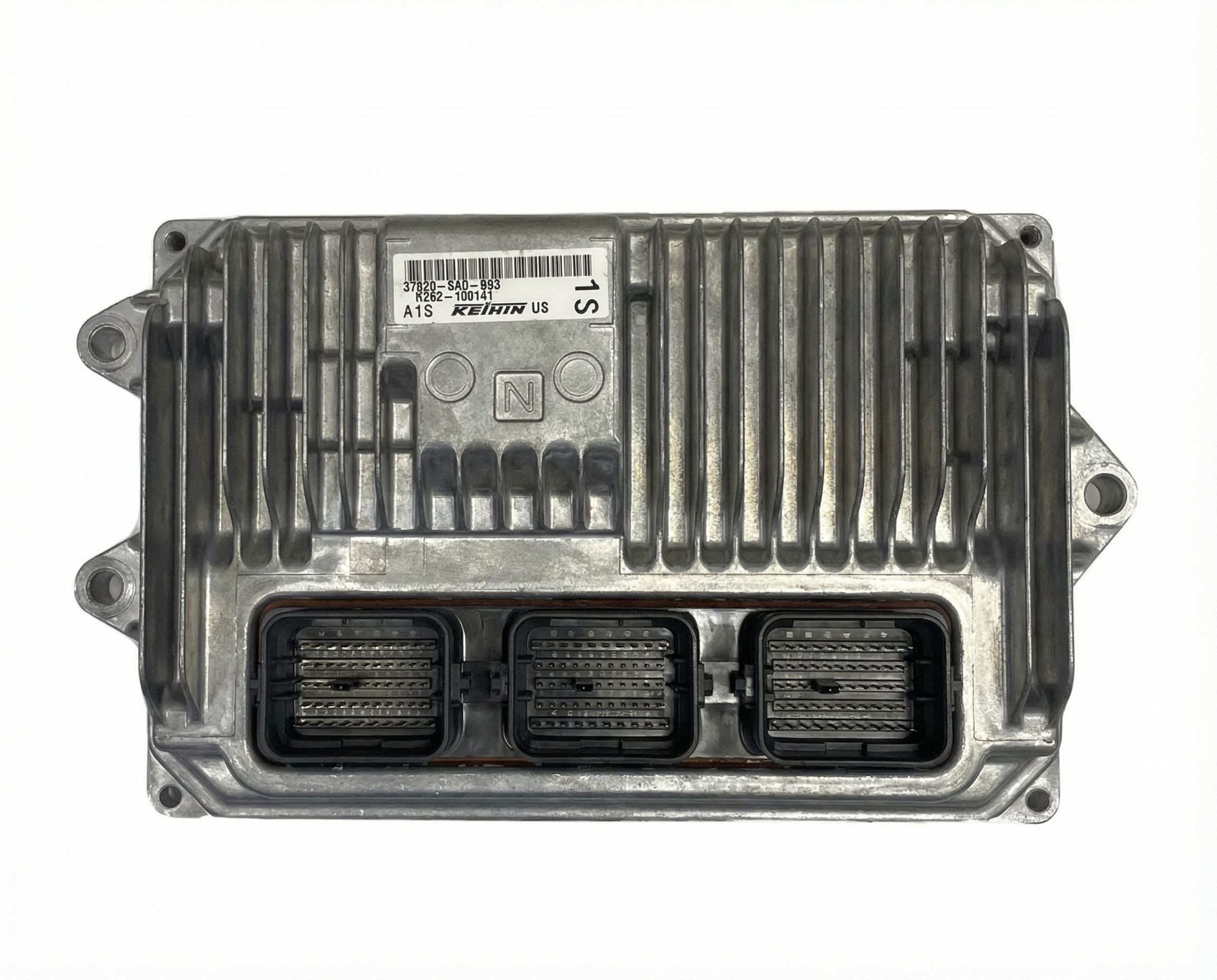
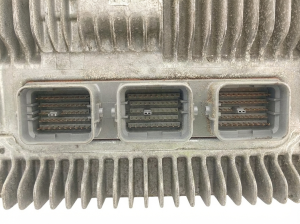
- When buying a used ECM, you must match the OEM part number on the label exactly to ensure compatibility.
Symptoms of a Failing ECM
A faulty Engine Control Module can cause a wide range of problems, from subtle performance issues to a car that won't start at all. Because the ECM controls so many different systems, symptoms can sometimes be mistaken for other component failures.
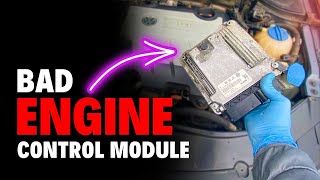
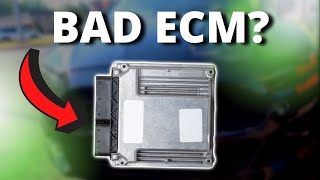
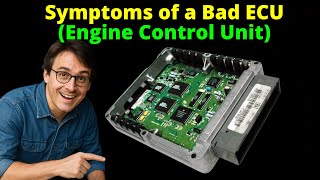
🎬 Watch: A breakdown of common symptoms of a bad ECU.- Check Engine Light: This is the most common symptom. A persistent Check Engine Light, especially with codes related to the ECM itself (such as P0600-P0605), can indicate an internal module failure. In some cases, the ECM may incorrectly set codes for sensors that are actually working properly.
- Engine Performance Issues: You may experience a sudden drop in fuel economy, a noticeable loss of power, hesitation during acceleration, or a rough idle. This can happen if the ECM is not correctly managing the air-fuel mixture or ignition timing.
- Engine Stalling or Misfiring: The engine may stall unexpectedly while driving or misfire because the ECM is providing erratic commands for fuel and spark.
- Car Will Not Start: A completely failed ECM can prevent the engine from starting. The module may not be sending the correct signals to the fuel pump or ignition system. This can sometimes be confused with a bad starter or battery, so proper diagnosis is key.
- Automatic Transmission Problems: In vehicles with automatic or CVT transmissions, a bad ECM can send incorrect data to the transmission controller, resulting in hard, erratic, or delayed shifts.
Known Issues, TSBs, and Recalls
While there are no direct recalls for the ECM on the 2016-2017 Accord, there is a critical Technical Service Bulletin (TSB) and a related electrical system recall that owners should be aware of.
TSB 16-053: CVT RPM Surge and Belt Slip
For 2015-2016 Honda Accords equipped with the 4-cylinder (L4) engine and a Continuously Variable Transmission (CVT), Honda issued TSB 16-053.
- Symptom: The vehicle may experience a sudden surge in engine RPM while driving at highway speeds. This is caused by the CVT belt slipping.
- Cause: An incorrect 'learning value' stored in the Powertrain Control Module (PCM/ECM) can lead to improper hydraulic pressure control within the CVT.
- OBD-II Code: This issue will typically set the diagnostic trouble code P1890 (CVT Speed Control System).
- Solution: The official fix involves a dealer inspection. If the P1890 code is not stored, the dealer will update the PGM-FI (Programmed Fuel Injection) software within the ECM. If the code is present, the repair may require replacing the entire CVT assembly in addition to the software update.
Recall: 12-Volt Battery Sensor Failure (2013-2016 Accord)
In July 2017, Honda recalled approximately 1.15 million 2013-2016 Accord vehicles for an issue with the 12-volt battery sensor located on the negative battery cable. The sensor was not sufficiently sealed against moisture, which could allow road salt and other contaminants to cause corrosion and an electrical short. In a worst-case scenario, this could lead to an engine compartment fire. While not a direct ECM failure, this highlights a potential electrical vulnerability in the engine bay for these models.
CRITICAL: Programming Is Not Optional
You cannot simply swap an ECM from one 2016-2017 Accord to another and expect it to work. The replacement module, whether new or used, MUST be programmed to your specific vehicle's Vehicle Identification Number (VIN) and its immobilizer system. Failure to do so will result in a no-start condition, as the immobilizer will prevent the engine from running.
Buying a Used Engine Control Module
Purchasing a used OEM ECM is a cost-effective way to repair your Accord, but it requires careful attention to detail to ensure compatibility and proper function.
- Match the Part Number EXACTLY: This is the most important step. Honda uses many different ECMs for various engine, transmission, and trim combinations. The part number is printed clearly on the module's label. The initial part numbers 37820-5A0-B61 through 37820-5A0-B65 are for specific applications, and many other numbers exist for V6 models or different emissions packages. Do not rely on visual appearance alone; verify the number on your original module and purchase a used one with the identical number.
- Source from a Reputable Seller: Buy from an auto recycler that offers a warranty and has good reviews. This provides protection in case you receive a defective unit.
- Inspect for Physical Damage: When the part arrives, check for any signs of water intrusion, corrosion on the pins, or damage to the case or connectors. A module with signs of environmental damage should not be installed.
- Plan for Programming: A used ECM is not a plug-and-play part. You must have a plan for programming *before* you buy. Contact your local Honda dealership or a trusted independent auto repair shop that specializes in Hondas and has the necessary tools, such as the Honda Diagnostic System (HDS) or a professional-grade J2534 pass-through device. Expect to pay a separate fee for this service.
Cost Comparison for ECM Replacement
The cost to replace the ECM can vary significantly depending on the type of part you choose and the labor rates in your area.
| Part/Service | Estimated Cost | Notes |
|---|---|---|
| New OEM Part | $780 - $1,350 | Purchased from a Honda dealership. Prices can be high, but it's a brand new part with a factory warranty. |
| Used OEM Part | $75 - $200 | A cost-effective option from an auto recycler. Must be the correct part number and requires programming. |
| Remanufactured Part | $200 - $400 | Your original unit or a core is rebuilt. Often comes with a warranty. |
| Shop Labor (Replacement & Programming) | $200 - $600 | Includes physical installation and the critical programming/syncing process. Programming alone can be $100-$250 or more. |
Frequently Asked Questions (FAQ)
Can I replace and program the ECM myself?
Physical replacement is straightforward for a DIY mechanic, as the ECM is typically located behind the glovebox. However, programming is not a DIY job. It requires expensive, specialized diagnostic equipment like the Honda HDS and access to Honda's software. You will need to have the vehicle towed to a dealer or a qualified shop after installing the new module.
What is the immobilizer and how does it affect the ECM?
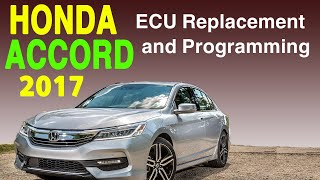
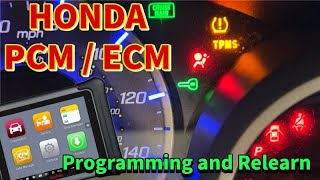
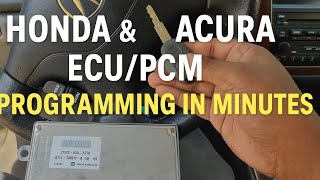
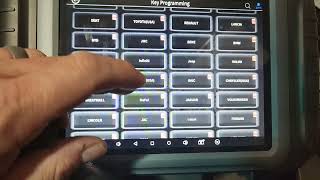
The immobilizer is an anti-theft system that prevents the engine from starting unless a correctly programmed key is used. The ECM, immobilizer control unit, and the transponder chip in your key are all synced together. When you replace the ECM, this link is broken. The new ECM must be programmed to recognize your existing keys, a process often called an 'immobilizer relearn' 🎬 Watch: Step-by-step tutorial for Honda ECU and immobilizer programming. or 'key programming'.
Will a locksmith be able to program a new ECM?
Some advanced automotive locksmiths have the tools to program Honda keys and immobilizer systems and may be able to program a replacement ECM. However, not all locksmiths offer this service. It is crucial to confirm with them beforehand that they have the specific capability for a 2016-2017 Honda Accord ECM replacement, not just key cutting.
Does the mileage of the donor vehicle matter for a used ECM?
No, the mileage from the donor vehicle does not transfer over and is not stored in the ECM in a way that affects compatibility. The critical factors are the part number and the subsequent programming of the module to your car's VIN and immobilizer system.
Helpful Videos
Technical Specifications
OEM Part Numbers: 37820-5A0-B61 37820-5A0-B62 37820-5A0-B63 37820-5A0-B64 37820-5A0-B65 37820-5A0-L21 37820-5A0-L22 37820-5A0-L23 37820-5A0-L24 37820-5A0-L61 37820-5A0-L62 37820-5A0-L63 37820-5A0-L64 37820-5A0-L92 37820-5A0-L93 37820-5A0-L94 37820-5G1-L81 37820-5G1-L82 37820-5G1-L83
Location: Passenger compartment, typically behind the glove box.
We Have This Part in Stock

The information in this article is provided for general reference and educational purposes only. Vehicle specifications, procedures, and part compatibility can vary by production date, trim level, and region. Always consult your vehicle's factory service manual and verify part numbers before purchasing or performing repairs. Safety-critical components such as airbags, seat belts, and braking systems should be installed by a qualified professional.
- Honda Accord:
- 🎬 Helpful Videos
- 🛍️ Shop This Part
- Symptoms of a Failing ECM
- Known Issues, TSBs, and Recalls
- TSB 16-053: CVT RPM Surge and Belt Slip
- Recall: 12-Volt Battery Sensor Failure (2013-2016 Accord)
- Buying a Used Engine Control Module
- Cost Comparison for ECM Replacement
- Frequently Asked Questions (FAQ)
- 🎟️ Get 5% Off