

2017-2018 Honda Civic 1.5T ECM: A Buyer's Guide to Programming, Immobilizers, and Replacement
This guide covers the critical programming and immobilizer steps required when replacing the engine computer in your 2017-2018 Honda Civic.
- A replacement ECM (new or used) absolutely MUST be programmed to your vehicle by a dealer or a properly equipped shop; it is not plug-and-play.
- The car will not start until the replacement ECM is programmed to the VIN and synchronized with the immobilizer system.
- You must match the OEM part number exactly to your original module, as different trims and options use different ECMs.
- There are no safety recalls for ECM failure, but a software update under a warranty extension may fix certain misfire or fuel system-related trouble codes.
Symptoms of a Failing ECM in a 2017-2018 Honda Civic

A failing ECM can cause a wide range of problems, from subtle glitches to a complete no-start condition. Because it controls so many systems, symptoms can sometimes be mistaken for other issues. Here are the most common signs that your Civic's ECM may be failing:
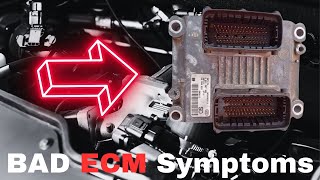
🎬 Watch: Common symptoms of a bad ECM you shouldn't ignore.- Check Engine Light: This is often the first and most obvious sign. Specific trouble codes pointing to an internal ECM error are a strong indicator.
- Engine Stalling or Misfiring: The engine may stall unexpectedly, either while driving or at idle. You might also experience rough running or misfires as the ECM fails to properly control the ignition or fuel systems.
- Car Won't Start: The engine may crank but refuse to start. If the ECM is not functioning, it cannot manage the complex sequence of events required to start the engine.
- Poor Engine Performance: You may notice a significant drop in fuel economy, a lack of power, or hesitation during acceleration.
- Communication Errors: A mechanic's diagnostic scan tool may be unable to communicate with the ECM, which is a definitive sign of a major internal failure.
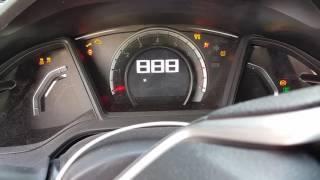
- Flashing Green Key Light: If you install a replacement ECM without programming, you will see a green key-shaped light flashing on the dashboard. This indicates the immobilizer system is active and has disabled the car because it doesn't recognize the new ECM.
Common diagnostic trouble codes (DTCs) associated with a failing Honda ECM include:
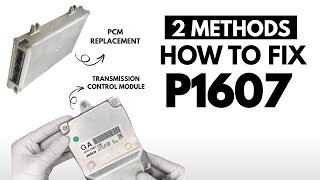
- P1607: ECM/PCM Internal Circuit Failure.
- P0600-P060A series codes: These generally point to internal control module processing errors.
- U-series codes: These codes indicate a loss of communication between modules, which can be caused by a dead ECM.
Known Issues, Recalls, and Technical Service Bulletins (TSBs)

While there are no direct safety recalls for ECM failure on the 2017-2018 Honda Civic, there are some related items of note.
- No Recalls for ECM Failure: Searches of the National Highway Traffic Safety Administration (NHTSA) database show no recalls specifically for faulty Engine Control Modules on these vehicles. Recalls for this generation do exist for other issues like the fuel pump, power steering, and owner's manuals.
- Warranty Extension for Software Update: American Honda extended the powertrain warranty for some 2016-2018 Civics with the 1.5L engine to address driveability issues. This involved a software update for the ECU to fix problems that could cause misfire codes (P0300-P0304) or a "fuel system too rich" code (P0172). If your car is experiencing these issues, a dealer may need to perform this software update.
Warning: A used ECM is a paperweight until it is programmed to your specific vehicle. The car will not start or run correctly after installation until the programming and immobilizer synchronization are complete.
Buying a Used 2017-2018 Civic Engine Control Module

Purchasing a used OEM ECM is a great way to save a significant amount of money. However, you must be extremely careful to buy the correct part and understand the necessary steps after installation. This is not a simple plug-and-play part.
1. Verify the Part Number
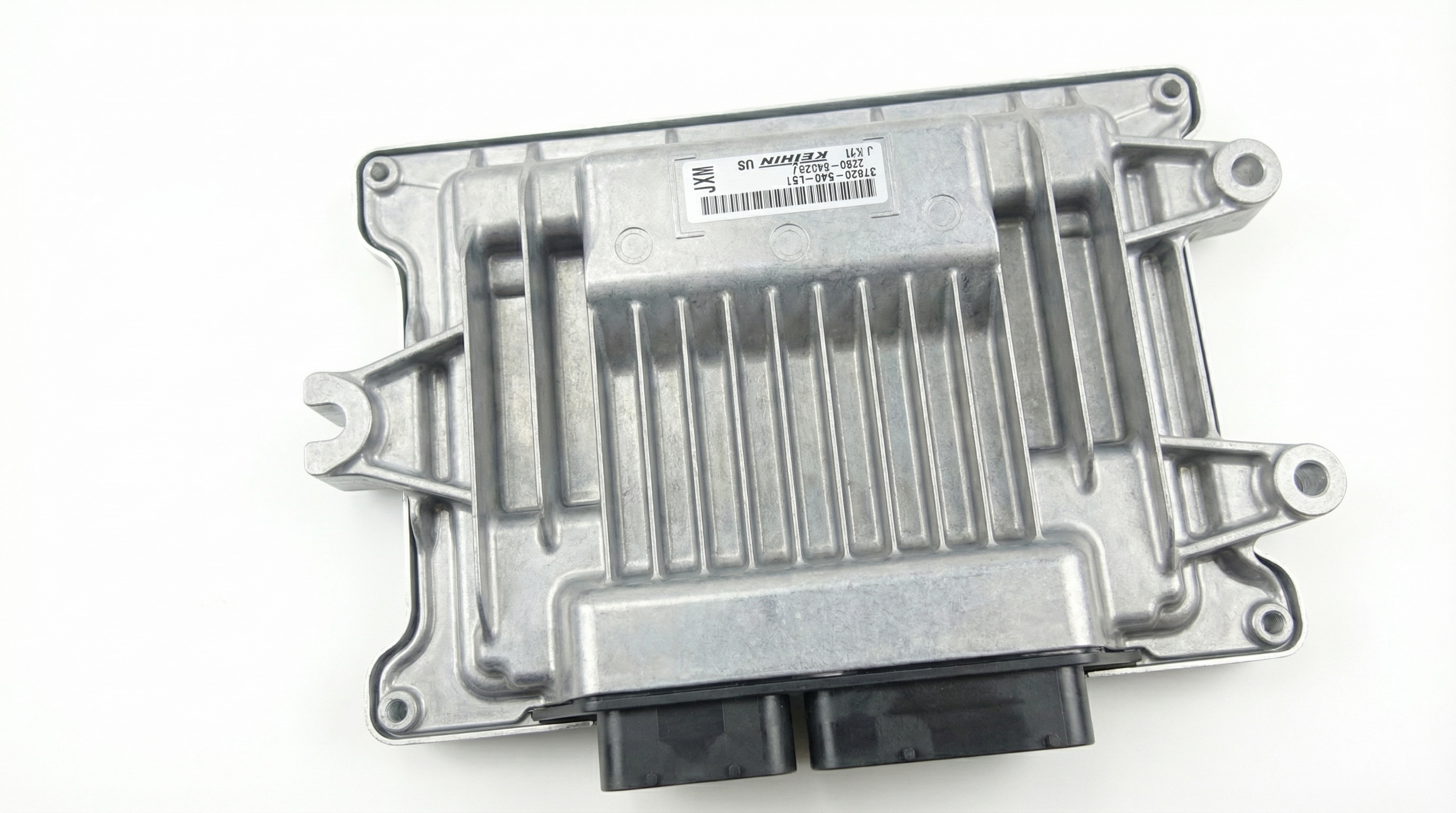
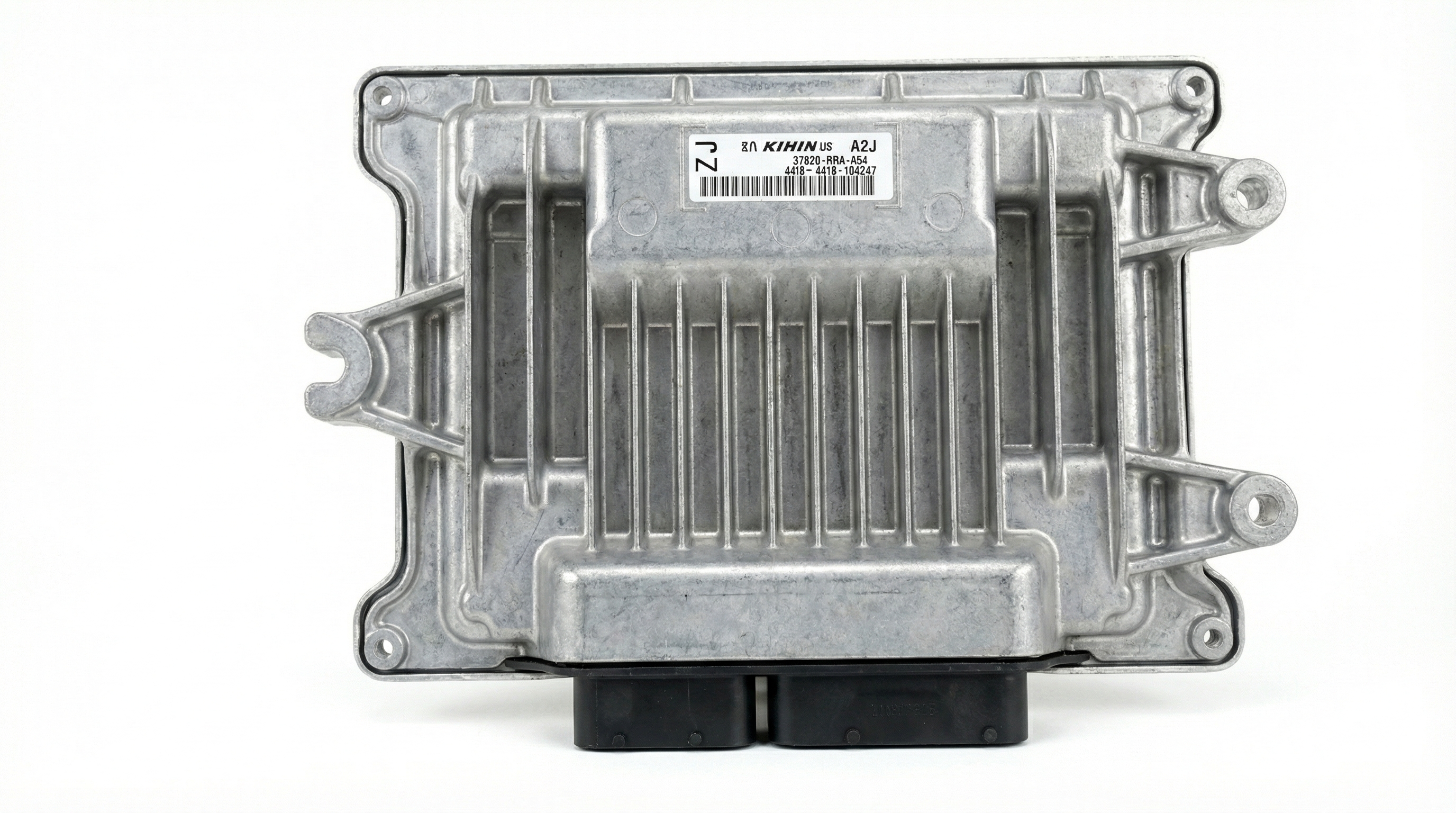
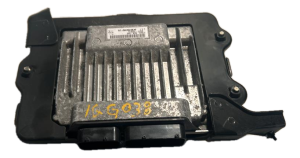
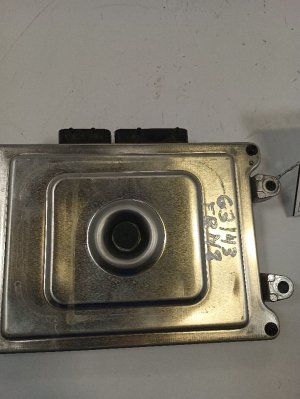
This is the most important step. Honda uses many different ECMs for various trim levels, engine sizes, transmissions, and emissions packages. The part number on the replacement module must match the number on your original module. The known OEM part numbers for the specific model in the listing (2017-2018 Civic Hatchback LX, 1.5L Turbo, CVT, Federal emissions, no pre-crash system) are 37820-5AN-A54, which supersedes 37820-5AN-A53, 37820-5AN-A52, and 37820-5AN-A51. Do not rely on visual appearance alone; check the sticker on the case.
2. Check Compatibility Details
Beyond the part number, ensure the donor vehicle's specifications match yours. For this specific part, it must come from a 2017-2018 Honda Civic Hatchback LX with a 1.5L turbocharged engine, an automatic CVT transmission, and Federal emissions, and it must be for a vehicle WITHOUT the pre-crash/sensing package. An ECM from a car with a manual transmission, a 2.0L engine, or different options will not work.
3. Physical Inspection
When you receive the used ECM, inspect it carefully before installation. Look for:
- Corrosion: Check the pins in the electrical connectors for any green or white crusty buildup, which indicates water damage.
- Case Damage: Look for cracks, dents, or signs that the case has been pried open. A compromised case can allow moisture inside, which destroys the circuit board.
- Burnt Smells: A strong, burnt electronics smell is a clear sign of a fried internal component.
ECM Programming and Immobilizer Synchronization
This is the #1 hurdle when replacing a Honda ECM. The ECM is part of the vehicle's anti-theft system, also known as the immobilizer. The ECM, immobilizer control unit, and your keys all contain security codes that must match for the car to start. When you install a different ECM, this security link is broken.
The Two-Step Process:
- Write VIN to ECM: The vehicle's 17-digit Vehicle Identification Number (VIN) must be programmed into the replacement ECM.
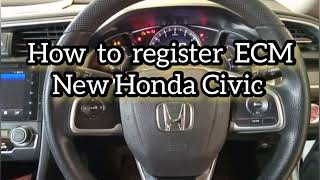
- Immobilizer Synchronization: After the VIN is written, the security keys must be re-registered to the new ECM in a process often called "immobilizer setup" or "replace ECM/PCM" 🎬 Watch this walkthrough of the Honda ECM registration and programming process. on diagnostic tools.
Who Can Program the ECM?
- Honda Dealerships: This is the most straightforward option. They have the proprietary Honda Diagnostic System (HDS) software and are familiar with the procedure.
- Independent Repair Shops: Many professional shops have high-level scan tools (like Autel or Launch) with J2534 pass-thru capabilities that can perform the VIN writing and immobilizer functions.
- Automotive Locksmiths: Some advanced locksmiths also have the tools required to program Honda keys and modules.
Pro Tip: Before buying a used ECM, call local shops or locksmiths to confirm they have the ability to program a replacement Honda ECM and ask for a price quote. Not all shops have this capability.
DIY programming is generally not feasible for the average home mechanic due to the high cost of the required professional diagnostic equipment.
Replacement Cost Breakdown
The cost to get your Civic back on the road can vary widely depending on the parts and labor source.
| Part/Service | Estimated Cost | Notes |
|---|---|---|
| New OEM ECM | $370 - $560 | Price from an official Honda dealership parts department. |
| Used OEM ECM | $100 - $200 | Common price range from online sellers and salvage yards. |
| Remanufactured / Repair Service | $150 - $300+ | Cost to repair your original unit. May include a testing fee if the unit is not repairable. |
| Shop Labor (Installation & Programming) | $150 - $300 | Typically 1-2 hours of labor. The physical swap is quick, but the programming takes time. |
Frequently Asked Questions (FAQ)
Can I just swap an ECM from another 2017 Civic and drive?
No. The car will not start due to the immobilizer system. The replacement ECM must be professionally programmed to your car's VIN and keys before it will function.
Does the mileage of the used ECM matter?
No, the mileage does not matter. Your vehicle's mileage is stored in the gauge cluster or Body Control Module (BCM), not the ECM. The car will display its original mileage after the new ECM is installed and programmed.
What happens if I install a used ECM without programming it?
The engine will either crank but not start, or it will start for a couple of seconds and then immediately shut off. The green key-shaped immobilizer indicator light on your dashboard will flash continuously.
Is it better to repair my old ECM or buy a used one?
If a reputable repair service is available, repairing your original ECM can be a good option as it often requires no additional programming, making it plug-and-play. However, if the internal damage is too severe, a used ECM is the next most cost-effective solution, but you must factor in the cost and hassle of programming.
Helpful Videos
Technical Specifications
OEM Part Numbers: 37820-5AN-A54 37820-5AN-A53 37820-5AN-A52 37820-5AN-A51
For 2017-2018 Honda Civic Hatchback LX with 1.5L Turbo engine, Automatic CVT, Federal Emissions, and WITHOUT pre-crash system.
We Have This Part in Stock

The information in this article is provided for general reference and educational purposes only. Vehicle specifications, procedures, and part compatibility can vary by production date, trim level, and region. Always consult your vehicle's factory service manual and verify part numbers before purchasing or performing repairs. Safety-critical components such as airbags, seat belts, and braking systems should be installed by a qualified professional.
- Honda Civic:
- 🎬 Helpful Videos
- 🛍️ Shop This Part
- Symptoms of a Failing ECM in a 2017-2018 Honda Civic
- Known Issues, Recalls, and Technical Service Bulletins (TSBs)
- Buying a Used 2017-2018 Civic Engine Control Module
- 1. Verify the Part Number
- 2. Check Compatibility Details
- 3. Physical Inspection
- ECM Programming and Immobilizer Synchronization
- The Two-Step Process:
- Who Can Program the ECM?
- Replacement Cost Breakdown
- Frequently Asked Questions (FAQ)
- 🎟️ Get 5% Off